Kerion: Comprehensive Guide To Diagnosis, Treatment & Prevention
Understanding kerion: the inflammatory fungal abscess on scalp and skin, its causes, diagnosis, and effective treatments.
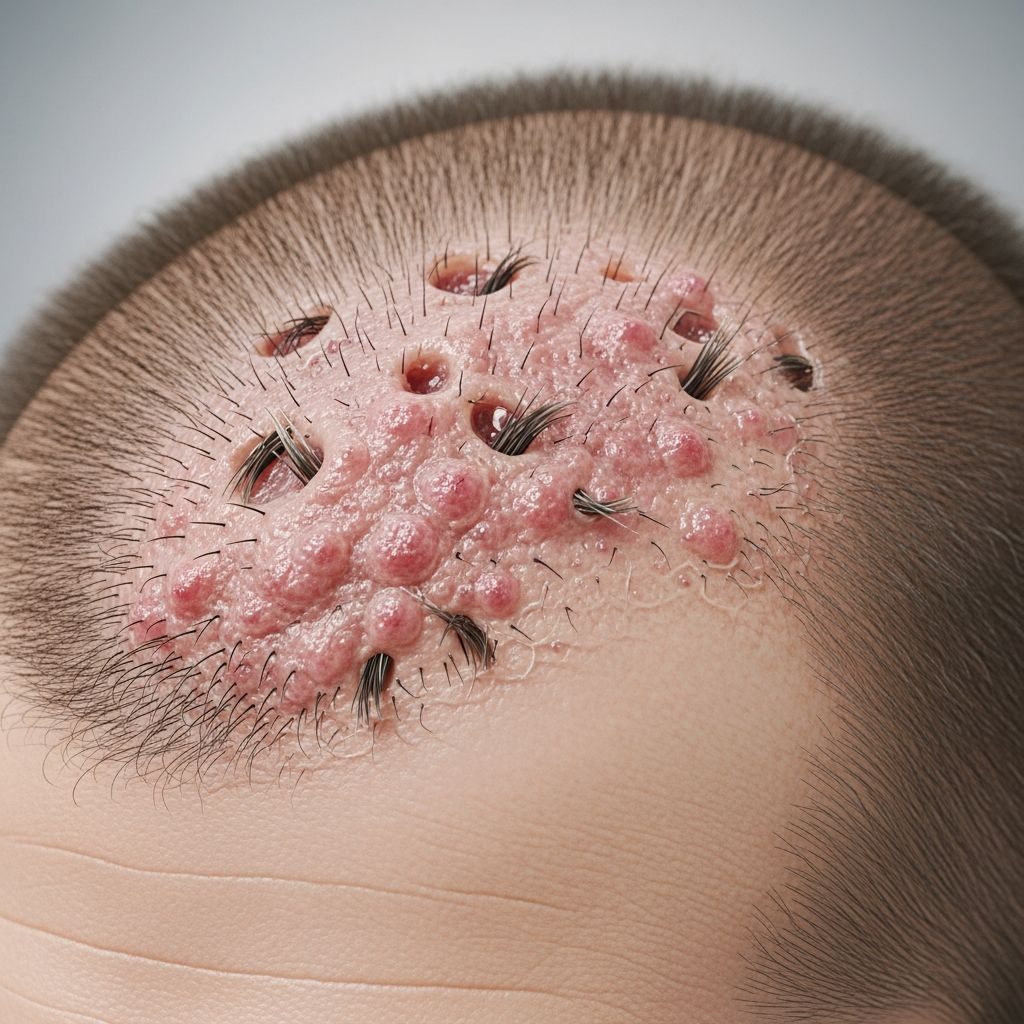
A
kerion
is a localized, pus-filled inflammatory response to a dermatophyte fungal infection, most commonly manifesting on the scalp astinea capitis
. It appears as a boggy, tender abscess that can lead to temporary or permanent hair loss if untreated. While primarily affecting children, it may occur on the face (**tinea faciei**) or body (**tinea corporis**), often mistaken for bacterial abscesses or cellulitis.What is kerion?
Kerion, also known as kerion celsi, represents an exaggerated immune reaction to fungal invasion by dermatophytes, forming a spongy, pus-exuding mass. This hypersensitivity leads to intense inflammation, pus formation, and follicular destruction, distinguishing it from standard ringworm infections. The lesion typically measures several centimeters, feels soft and boggy to palpation, and may ooze seropurulent material with crusting. Hairs in the affected area become loose (alopecia within kerion) and shed easily, creating bald patches. Regional lymphadenopathy is common, and systemic symptoms like fever, malaise, or nausea can occur in severe cases. A secondary id reaction, termed
dermatophytide
, may present as an itchy, eczematous rash elsewhere on the body.Who gets kerion?
Kerion predominantly affects
children of primary school age
, particularly in urban settings where close contact facilitates spread. It is less frequent in adults unless immunocompromised (e.g., due to diabetes, HIV, or immunosuppressive therapy). Certain populations, such as those in tropical climates or with pet exposure, face higher risk. Girls and boys are equally affected, though cultural hair practices may influence presentation. Household outbreaks occur via shared combs, hats, or bedding, emphasizing its contagious nature.Causes
Kerion arises from dermatophyte fungi invading keratin-rich structures like hair follicles. The immune system’s overzealous response causes the abscess-like swelling rather than the fungus alone. Key causative agents include:
- Microsporum canis: Zoonotic from cats/dogs, common in outbreaks; fluoresces green-yellow under Wood’s lamp.
- Trichophyton tonsurans: Anthropophilic (human-to-human), prevalent in urban areas; non-fluorescent.
- Trichophyton verrucosum: From cattle, rarer in humans.
- Microsporum audouinii: Historical cause, now less common.
Trichophyton rubrum rarely causes kerion despite being a common tinea corporis agent. Transmission occurs via direct contact with infected humans, animals, or fomites (e.g., combs, towels). Pets like kittens are frequent reservoirs for M. canis.
Clinical features
The hallmark is a
tender, boggy swelling
on the scalp, 3-10 cm in diameter, with pustules, crusting, and purulent discharge. Surrounding erythema and edema mimic bacterial impetigo or abscess. Key signs include:- Localized
alopecia
with loose, broken hairs (“black dots” in endothrix infections). - Tenderness and warmth.
- Posterior cervical
lymphadenopathy
. - Possible
fever, malaise
, or id reaction (widespread itchy rash).
Inflammatory tinea corporis or faciei presents similarly but on non-hair-bearing skin. Pain arises from stretched skin and inflammation. Untreated, it progresses to scarring alopecia.
Diagnosis
Suspicion arises from the classic boggy appearance, especially with risk factors like animal contact or family infections. Confirmatory tests include:
Related Stories



| Test | Description | Utility |
|---|---|---|
| Wood’s lamp | UV light; glows yellow-green for M. canis (negative in inflamed kerion) | Screening; limited sensitivity. |
| KOH microscopy | Skin/hair scrapings + 10-20% KOH; hyphae/spores visible in 24 hours | Rapid; dissolves keratinocytes. |
| Fungal culture | Sabouraud agar; identifies species in 2-4 weeks | Gold standard for speciation. |
| Bacterial swab | For secondary infection (common) | Guides antibiotics. |
Biopsy is rarely needed but shows abscess with granulomatous inflammation and hyphae. Differential includes bacterial abscess, impetigo, tufted folliculitis, or neoplasm.
Management
Treatment requires
systemic antifungals
due to deep follicular penetration; topicals fail. Standard regimen:- Oral griseofulvin (microsize 20-25 mg/kg/day; ultramicrosize half dose): 6-8 weeks minimum.
- Alternatives: Terbinafine (weight-based: 62.5-250 mg/day), itraconazole, or fluconazole.
- Steroids: Prednisone (1 mg/kg/day taper) for severe inflammation to prevent scarring.
- Antibiotics: If bacterial superinfection (e.g., cephalexin).
- Shampoos: Ketoconazole 2% or ciclopirox 1% twice weekly to reduce spores.
Monitor clinically; repeat cultures if no improvement in 4 weeks. Avoid incision/drainage, as it worsens scarring.
Prevention of spread
Kerion remains contagious for weeks despite treatment. Measures include:
- Disinfect/discard combs, brushes, hats, bedding.
- Daily antifungal shampoos for patient/household.
- Screen pets (vet fungal culture); treat if positive.
- No school until non-contagious (2 weeks treatment).
- Household screening for asymptomatic carriers.
Prognosis and hair regrowth
With prompt treatment, resolution occurs in 6-8 weeks, with hair regrowth in 90% of cases. Delay risks permanent scarring alopecia, especially if biopsied or incised. Early steroids mitigate fibrosis. Recurrence is rare with adherence.
Images
Clinical images depict boggy, pustular scalp swellings with crusting and alopecia, as seen in inflammatory tinea capitis. Typical features: yellow pus, surrounding erythema, and hair loss.
Frequently Asked Questions
Is kerion contagious?
Yes, via spores on hair/skin; isolate until 2-4 weeks of treatment.
Can kerion cause permanent hair loss?
Yes, if longstanding or scarring occurs; early treatment usually restores growth.
Is topical cream enough?
No, oral antifungals are essential for deep infection.
Do pets cause kerion?
Often; M. canis from cats/dogs is common—vet check recommended.
How long does treatment last?
Minimum 6-8 weeks; complete course prevents relapse.
References
- Kerion – DermNet — DermNet New Zealand. 2012 (updated). https://dermnetnz.org/topics/kerion
- Kerion: Symptoms, Causes & Treatment — Cleveland Clinic. 2023 (accessed 2026). https://my.clevelandclinic.org/health/diseases/22863-kerion
- Kerion – DFTB Skin Deep — Don’t Forget the Bubbles. Recent. https://dftbskindeep.com/all-diagnoses/kerion/
- Kerion image – DermNet — DermNet New Zealand. https://dermnetnz.org/imagedetail/9997-kerion
- Kerion images – DermNet — DermNet New Zealand. 2012. https://dermnetnz.org/topics/kerion-images
Similar Articles








Read full bio of Sneha Tete