Kernicterus: Causes, Symptoms, and Treatment
Understanding kernicterus: a rare but serious complication of newborn jaundice.

What Is Kernicterus?
Kernicterus is a rare but severe neurological condition that occurs when there is an abnormally high level of bilirubin in a newborn’s blood, leading to brain damage. Bilirubin is a yellow pigment produced during the normal breakdown of red blood cells. In healthy individuals, the liver processes and removes bilirubin from the body. However, in newborns, especially those with immature liver function, bilirubin can accumulate to dangerous levels, causing jaundice and, in severe cases, kernicterus.
Causes of Kernicterus
Kernicterus is caused by hyperbilirubinemia, which is an excessive amount of bilirubin in the blood. This can occur due to several factors:
- Immature liver function: Newborns, especially premature babies, may not have fully developed livers capable of efficiently processing bilirubin.
- Blood type incompatibility: When a mother and baby have different blood types, the baby’s immune system may attack the mother’s red blood cells, leading to increased bilirubin production.
- Infections: Certain infections can increase the breakdown of red blood cells, raising bilirubin levels.
- Genetic disorders: Some genetic conditions can affect the liver’s ability to process bilirubin.
- Dehydration: Dehydration can concentrate bilirubin in the blood, increasing the risk of kernicterus.
Symptoms of Kernicterus
Symptoms of kernicterus typically progress through three stages:
Stage One
- Yellowing of the skin and eyes (jaundice)
- Poor feeding
- Lethargy
- Hypotonia (low muscle tone)
Stage Two
- Seizures
- Bulge in the fontanel (the soft spot on the baby’s head)
- Hypertonia (high muscle tone)
- Extremely high-pitched crying
Stage Three
- Seizures
- Difficulty with movement (movement disorders)
- Hearing loss (especially high-frequency)
- Mental and intellectual issues
- Speech problems
- Rigid muscles
If any of these symptoms are observed, immediate medical attention is crucial to prevent further brain damage.
Diagnosis of Kernicterus
Diagnosing kernicterus involves a combination of physical examination and laboratory tests:
- Physical exam: Healthcare providers look for signs of jaundice and neurological symptoms.
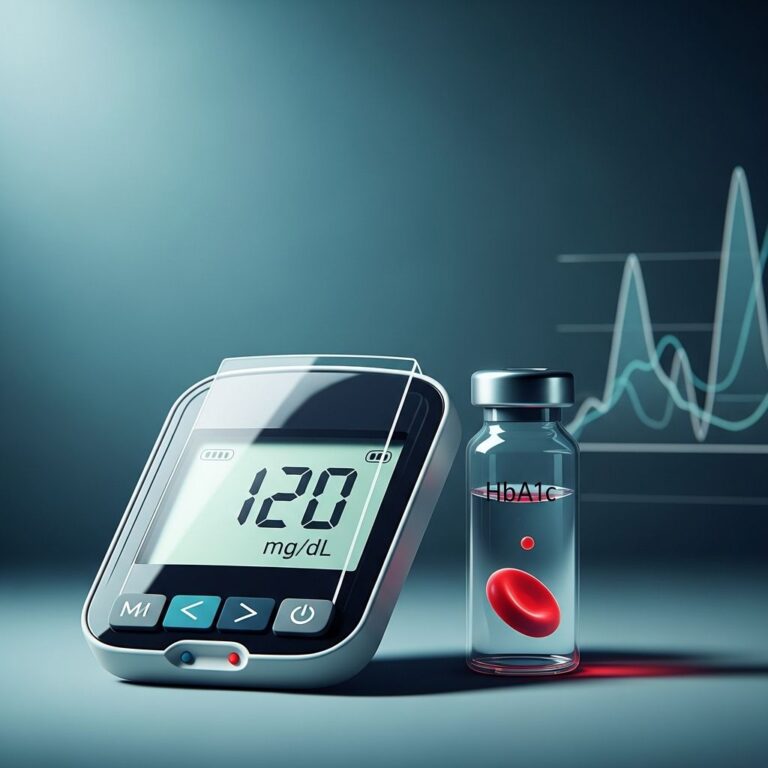
- Bilirubin level testing: A blood test measures the total serum bilirubin (TSB) level. A normal TSB level is 0.1 to 1.2 mg/dL. Symptoms of jaundice appear when TSB is 2.0 mg/dL, and a level of 25 mg/dL or more is considered very high and indicative of kernicterus.
- Light meter: A device that shines a medical-grade light on the baby’s skin to estimate bilirubin levels.
Treatment of Kernicterus
Treatment for kernicterus depends on the severity and stage of the condition:
- Phototherapy: Exposure to special blue light helps break down bilirubin in the skin, making it easier for the body to eliminate.
- Exchange transfusion: In severe cases, a blood transfusion may be necessary to rapidly reduce bilirubin levels.
- Supportive care: This includes managing seizures, providing nutrition, and monitoring for complications.
Early treatment can lead to a full recovery, but if kernicterus progresses to late stages, complications may be irreversible. Lifelong support and therapy may be needed for children with permanent neurological damage.
Risk Factors for Kernicterus
Certain factors increase the risk of developing kernicterus:
- Prematurity
- Blood type incompatibility
- Infections
- Genetic disorders
- Dehydration
- Racial disparities (Black newborns are at increased risk despite lower rates of jaundice)
Related Stories



Prevention of Kernicterus
While not all causes of kernicterus can be prevented, several steps can reduce the risk:
- Regular monitoring of bilirubin levels in newborns
- Early detection and treatment of jaundice
- Ensuring adequate hydration and nutrition
- Timely medical intervention for high-risk infants
Prognosis and Long-Term Outlook
The prognosis for kernicterus varies depending on the stage at which it is diagnosed and treated:
- Early diagnosis and treatment can lead to a full recovery.
- Late-stage kernicterus may result in permanent neurological damage, including cerebral palsy, hearing loss, and intellectual disabilities.
- Lifelong support and therapy are often necessary for children with complications.
Frequently Asked Questions (FAQs)
Q: What is the difference between jaundice and kernicterus?
A: Jaundice is the yellowing of the skin and eyes due to high bilirubin levels, while kernicterus is a severe complication of jaundice that causes brain damage.
Q: Can kernicterus be prevented?
A: While not all cases can be prevented, early detection and treatment of jaundice can significantly reduce the risk of kernicterus.
Q: What are the long-term effects of kernicterus?
A: Long-term effects can include cerebral palsy, hearing loss, intellectual disabilities, and movement disorders.
Q: How is kernicterus diagnosed?
A: Diagnosis involves a physical exam, bilirubin level testing, and sometimes a light meter to estimate bilirubin levels.
Q: What is the treatment for kernicterus?
A: Treatment includes phototherapy, exchange transfusion, and supportive care to manage symptoms and complications.
References
- Kernicterus: What It Is, Causes, Symptoms & Treatment — Cleveland Clinic. 2023. https://my.clevelandclinic.org/health/diseases/25014-kernicterus
- Research on Prevention of Bilirubin-Induced Brain Injury and Kernicterus — Pediatrics. 2004. https://publications.aap.org/pediatrics/article/114/1/229/64795/Research-on-Prevention-of-Bilirubin-Induced-Brain
- Neonatal Hyperbilirubinemia and Bilirubin Neurotoxicity in the USA — PubMed. 2021. https://pubmed.ncbi.nlm.nih.gov/34429513/
Similar Articles








Read full bio of medha deb