Ketamine: Not an Opioid, Revolutionary Depression Treatment
Understanding how ketamine works differently to treat depression rapidly and effectively.
Ketamine: Dispelling Myths and Understanding Its Unique Role in Depression Treatment
Depression remains one of the most significant mental health challenges worldwide, affecting hundreds of millions of people across all demographics. For decades, selective serotonin reuptake inhibitors (SSRIs) and other conventional antidepressants have been the standard treatment approach. However, a substantial percentage of patients do not respond adequately to these medications, leading researchers to explore alternative therapeutic options. Among these emerging treatments, ketamine has garnered significant attention, yet persistent misconceptions about its nature and mechanism continue to circulate. One critical clarification that needs to be made is that ketamine is emphatically not an opioid, and understanding this distinction is essential for appreciating its revolutionary potential in treating depression.
Clarifying What Ketamine Actually Is
The Opioid Misconception
One of the most widespread misconceptions about ketamine is that it belongs to the opioid class of medications. This confusion likely stems from the fact that both are used in medical settings and can have psychoactive effects. However, this is fundamentally incorrect. Ketamine is classified as a dissociative anesthetic, operating through entirely different neurobiological mechanisms than opioids. Opioids work by binding to opioid receptors in the brain and body, primarily affecting pain perception and producing euphoria through dopamine release. Ketamine, conversely, functions as an antagonist of the N-methyl-D-aspartate (NMDA) receptor, which is part of the glutamate neurotransmitter system. This crucial distinction explains why ketamine can be effective for depression in ways that opioids cannot, and why it represents a paradigm shift in psychiatric treatment.
Ketamine’s Chemical Classification
Ketamine is a rapid-acting dissociative agent that has been used in anesthetic practice for over five decades. It was first synthesized in 1962 and approved by the FDA as an anesthetic in 1970. Unlike opioids, which are derived from or mimetic of substances found in the opium poppy plant, ketamine is a synthetic compound with a unique chemical structure. The drug’s dissociative properties distinguish it from other classes of psychiatric medications, creating an altered state of consciousness wherein patients may feel detached from their surroundings or bodily sensations. This dissociative quality, while sometimes considered an adverse effect when ketamine is used as an anesthetic, has proven therapeutically valuable in psychiatric applications.
The Unique Mechanism: How Ketamine Treats Depression Differently
The Glutamate Hypothesis
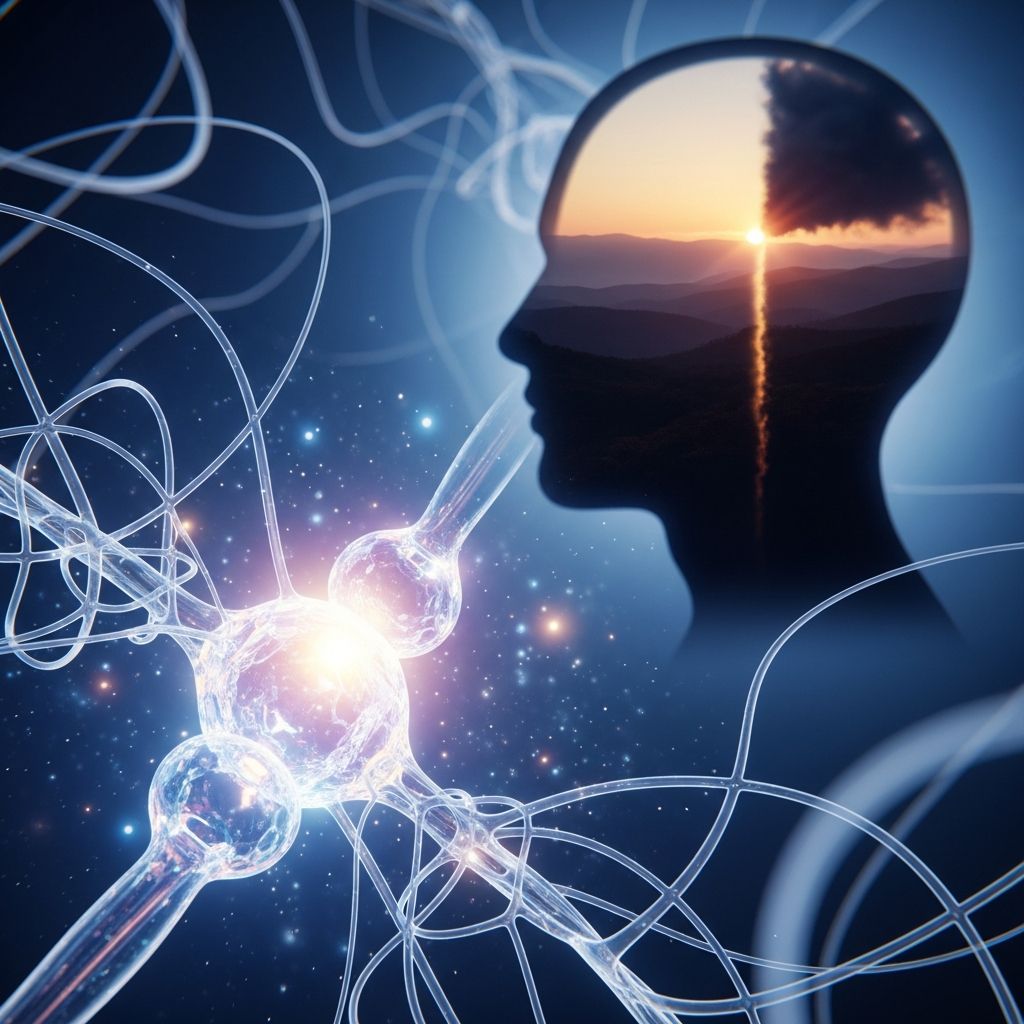
Traditional antidepressants primarily target monoamine neurotransmitters—specifically serotonin, norepinephrine, and dopamine. The effectiveness of SSRIs and similar medications supported what became known as the monoamine hypothesis of depression. However, this model does not fully explain depression’s complexity or why some patients fail to respond to these treatments. Ketamine’s mechanism operates on a fundamentally different principle, targeting the glutamate system instead. Glutamate is the brain’s primary excitatory neurotransmitter, and dysregulation of glutamatergic signaling has been implicated in depression’s pathophysiology. By acting as an NMDA receptor antagonist, ketamine modulates glutamate transmission in ways that conventional antidepressants cannot, offering a fresh approach to treatment-resistant depression.
Rapid-Acting Antidepressant Effects
Perhaps the most striking characteristic of ketamine treatment is its speed. While conventional antidepressants typically require two to four weeks to produce noticeable effects, and may take eight weeks or longer to reach full efficacy, ketamine demonstrates antidepressant effects within hours to a single day of administration. Research has demonstrated that a single subanesthetic-dose intravenous ketamine infusion can produce significant improvements in depressive symptoms within 72 hours, with maximum effects typically observed at 24 hours post-infusion. This rapid onset is revolutionary for patients experiencing severe depression or suicidal ideation, who cannot afford to wait weeks for symptom relief.
Duration and Sustainability of Effects
Related Stories



While ketamine’s rapid action is extraordinary, understanding the duration of its antidepressant effects is equally important. Initial studies found that antidepressant effects following a single intravenous infusion typically last three to seven days. This temporary effect might initially seem like a limitation; however, in clinical practice, ketamine is often administered in a series of infusions—typically six infusions over two to three weeks—which can sustain longer-term benefits. Additionally, for patients with treatment-resistant depression, even temporary relief lasting a week represents a significant breakthrough, particularly when no other treatments have worked.
Clinical Applications and Evidence
Treatment-Resistant Depression (TRD)
Treatment-resistant depression, defined as depression that fails to respond adequately to at least two trials of different antidepressant medications, affects approximately one-third of depressed patients. For this population, ketamine represents a game-changing option. In 2019, esketamine—the S-enantiomer of ketamine—received FDA approval as an adjunctive treatment for treatment-resistant depression in adults. This marked a watershed moment in psychiatric pharmacotherapy, as it was the first medication approved for TRD in many years. The FDA approval was based on robust clinical trial data demonstrating ketamine’s efficacy in this particularly challenging patient population.
Major Depressive Disorder with Suicidal Ideation
Beyond its use in treatment-resistant depression, ketamine has demonstrated remarkable effectiveness for a particularly urgent clinical concern: suicidal ideation and behavior. A single subanesthetic-dose intravenous ketamine infusion has been shown to rapidly and effectively reduce suicidal ideation in controlled trials of treatment-resistant depression patients. In 2020, esketamine received FDA approval for treating adults with major depressive disorder and acute suicidal ideation or behavior, expanding its clinical utility to address one of psychiatry’s most pressing emergencies. The ability to rapidly reduce suicidal thoughts can provide a critical window during which patients can engage with psychotherapy and establish safety plans.
Bipolar Depression
Building on preliminary findings in major depressive disorder, researchers have investigated ketamine’s potential for bipolar depression. In randomized, placebo-controlled crossover studies, single-dose intravenous ketamine infusion significantly improved depressive symptoms compared to placebo in patients with treatment-resistant bipolar depression, with effects observed within 40 minutes and lasting through three days post-infusion. This extends ketamine’s therapeutic reach to another vulnerable population that often struggles with limited treatment options.
Formulations and Administration Routes
Intravenous Ketamine
Intravenous ketamine administration remains the most extensively studied formulation. In clinical practice, ketamine is typically administered at a dose of 0.5 mg/kg infused over approximately 40 minutes, delivered two or three times weekly for a total of six infusions. This standardized protocol has emerged from years of clinical research and practice refinement, though individual dosing may be adjusted based on patient response and clinical judgment.
Intranasal Esketamine (Spravato)
In recognition of the practical challenges associated with intravenous administration—requiring clinical settings, trained personnel, and significant time commitments—pharmaceutical development has focused on alternative delivery methods. Intranasal esketamine, marketed as Spravato, represents a major advancement in ketamine-based therapy. The FDA approved intranasal esketamine in 2019 for conjunction with oral antidepressants in treating treatment-resistant depression in adults. This formulation allows for more convenient administration while maintaining therapeutic efficacy, though it requires clinical supervision during administration and an observation period afterward.
Ketamine-Assisted Psychotherapy (KAP)
An emerging application combines ketamine’s neurobiological effects with psychotherapeutic intervention in what’s known as ketamine-assisted psychotherapy. Rather than viewing dissociative or psychedelic-like experiences as unwanted side effects to be minimized, KAP intentionally facilitates these experiences as part of the therapeutic process. The theoretical basis for KAP suggests that the dissociative state induced by ketamine may promote neuroplasticity—the brain’s capacity to form new neural connections—creating a window in which old negative thought patterns and dysfunctional beliefs can be unlearned and replaced with healthier perspectives. Psychotherapy is typically administered after the ketamine-induced journey, with integration sessions helping patients contextualize their experience within their own life narrative.
Safety Profile and Side Effects
Dissociative Effects
The most commonly reported side effect of ketamine is dissociation—a feeling of detachment from one’s body or surroundings. Patients describe experiencing this as a temporary, non-threatening altered state of consciousness. In clinical research studies, patients have tolerated these transient dissociative symptoms well, understanding them as temporary components of the treatment process. In standard ketamine infusion protocols aimed at antidepressant efficacy, these dissociative effects are considered unwanted adverse effects and are minimized through careful dosing and monitoring. However, in ketamine-assisted psychotherapy approaches, these same effects are intentionally cultivated as potentially therapeutic.
General Safety Considerations
Ketamine has a well-established safety profile in medical settings dating back to its use as an anesthetic for decades. When administered in clinical psychiatric settings under appropriate medical supervision, serious adverse events are rare. Patients typically experience only mild to moderate side effects, primarily related to the dissociative experience. Blood pressure and heart rate may increase transiently but typically return to baseline without intervention. The medication does not require patients to discontinue their existing antidepressants to use ketamine, facilitating easier integration into existing treatment regimens.
Comparing Ketamine to Conventional Antidepressants
| Characteristic | Ketamine/Esketamine | Traditional Antidepressants (SSRIs) |
|---|---|---|
| Onset of Action | Hours to 1 day | 2-4 weeks (up to 8 weeks) |
| Mechanism | NMDA receptor antagonism (glutamate system) | Serotonin reuptake inhibition |
| Efficacy in TRD | Effective in treatment-resistant cases | Limited by definition (TRD = failed 2+ trials) |
| Suicidal Ideation | Rapid reduction in suicidal thoughts | May increase suicidality early in treatment |
| Administration | IV infusion, intranasal spray, or sublingual | Oral daily medication |
| Primary Side Effects | Transient dissociation, elevated BP/HR | Sexual dysfunction, weight gain, emotional blunting |
| Duration of Effect | 3-7 days per infusion; longer with series | Continuous with daily dosing |
Future Directions and Research
Expanding Indications
While ketamine’s primary psychiatric application has focused on depression and suicidal ideation, research is expanding into other conditions. Preliminary evidence suggests potential benefits for post-traumatic stress disorder, anxiety disorders, and chronic pain conditions. However, researchers emphasize that larger randomized controlled trials are needed before these applications can be added to standardized treatment guidelines.
Optimizing Administration Protocols
Ongoing research aims to determine optimal dosing, frequency, and duration of ketamine treatment to maximize long-term benefits. Investigators are exploring whether combining ketamine with psychotherapy can sustain antidepressant effects longer than ketamine alone, and how different patient characteristics might predict treatment response.
Mechanism of Action Research
While the NMDA receptor antagonism explains ketamine’s immediate effects, researchers continue investigating the downstream neurobiological consequences that produce lasting antidepressant effects. Understanding these mechanisms more completely could lead to development of next-generation medications with similar benefits but improved side effect profiles.
Frequently Asked Questions (FAQs)
Q: Is ketamine an opioid?
A: No. Ketamine is a dissociative anesthetic that works through NMDA receptor antagonism affecting the glutamate system. Opioids work through entirely different mechanisms on opioid receptors. This fundamental distinction explains their different clinical applications and effects.
Q: How quickly does ketamine work for depression?
A: Ketamine demonstrates antidepressant effects within hours to one day following administration, compared to 2-4 weeks for conventional antidepressants. This rapid action is one of ketamine’s most distinctive advantages, particularly for patients in acute distress or with suicidal ideation.
Q: What is the difference between ketamine and esketamine?
A: Ketamine exists in two mirror-image forms (enantiomers). Esketamine is the S-enantiomer, the form FDA-approved as an intranasal medication (Spravato). IV ketamine typically uses the racemic form containing both enantiomers. Esketamine is marketed as being more potent and specific for psychiatric use.
Q: Who is a good candidate for ketamine treatment?
A: Patients with treatment-resistant depression (inadequate response to at least two antidepressant trials), major depressive disorder with acute suicidal ideation or behavior, and bipolar depression are primary candidates. Your psychiatrist can determine if ketamine is appropriate for your specific situation.
Q: Does ketamine cause addiction or dependence?
A: When administered in controlled clinical psychiatric settings in appropriate doses, ketamine used for depression treatment has a low addiction potential. The medical use of ketamine differs significantly from recreational use. Proper clinical supervision and monitoring minimize addiction risks.
Q: How long do the effects of a single ketamine infusion last?
A: Antidepressant effects typically last three to seven days following a single infusion. This is why clinical protocols often involve a series of six infusions over 2-3 weeks to achieve longer-lasting benefits. Maintenance infusions may be recommended to sustain effects.
Q: Can I continue my other antidepressants while taking ketamine?
A: Yes. Unlike some psychiatric medications, patients do not need to discontinue existing antidepressants to use ketamine. In fact, esketamine is FDA-approved specifically as an adjunctive treatment meant to be used alongside oral antidepressants.
References
- Ketamine treatment for depression: a review — National Institutes of Health, National Center for Biotechnology Information. 2022. https://pmc.ncbi.nlm.nih.gov/articles/PMC9010394/
- Why Ketamine? — Psychiatric Times. 2024. https://www.psychiatrictimes.com/view/why-ketamine
- How Ketamine Works for Depression and Anxiety — Mindstream Medicine. 2024. https://mindstreammedicine.com/how-ketamine-works-for-depression-and-anxiety/
- What to Know About Ketamine — Johns Hopkins Public Health. 2024. https://publichealth.jhu.edu/2024/what-to-know-about-ketamine
Similar Articles








Read full bio of Sneha Tete