7 Types of Keto Diets: Which Is Best for You?
Discover the 7 main types of ketogenic diets, from classic to targeted, and learn which one suits your lifestyle and weight loss goals best.
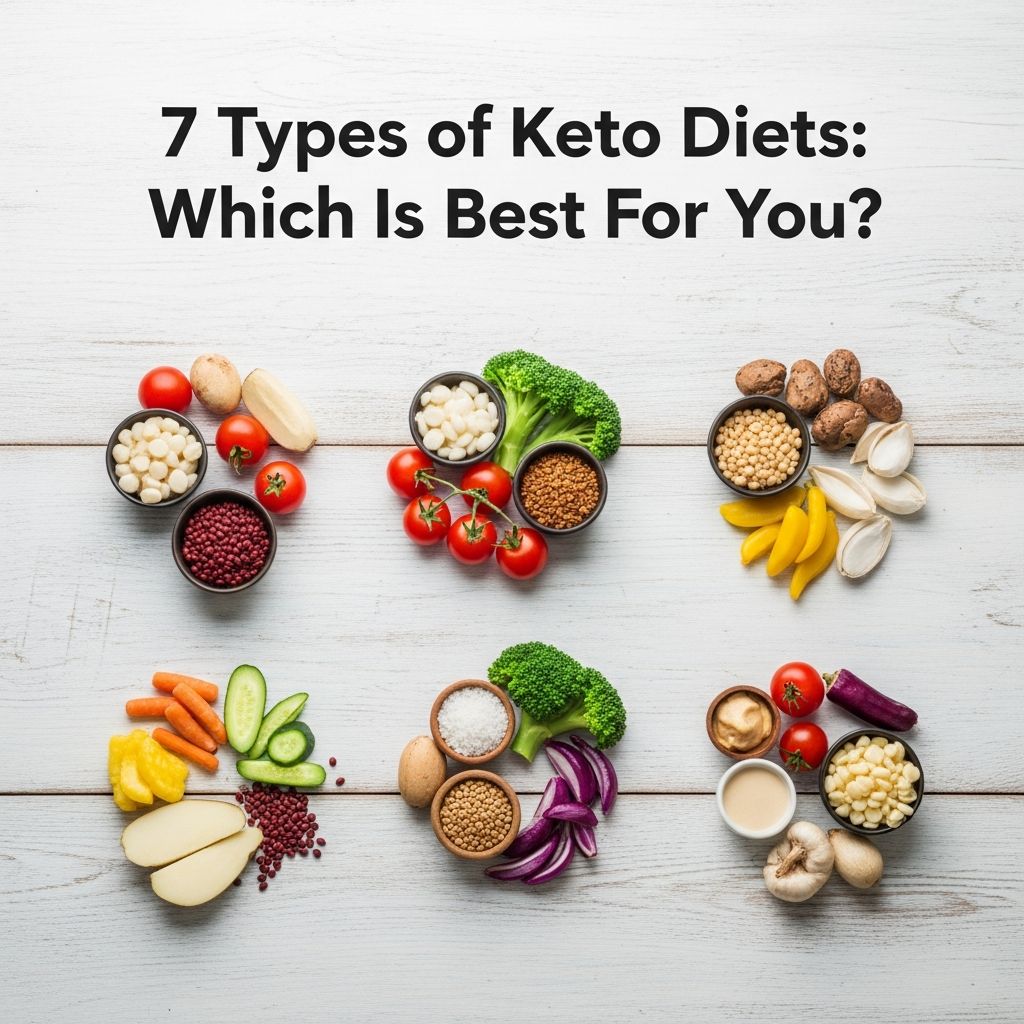
The ketogenic diet, or keto diet, is a high-fat, very low-carbohydrate eating plan designed to shift your body into ketosis, where it burns fat for fuel instead of glucose. Popular for weight loss, improved blood sugar control, and metabolic health, keto has evolved into several variations to suit different needs and preferences. This article explores the seven main types of keto diets, their macronutrient ratios, benefits, and who they’re best for, drawing from clinical reviews and studies.
Originating as a therapeutic diet for epilepsy, the classic keto diet consists of 80-90% fats, 6-15% protein, and just 5-10% carbohydrates, often in a 3:1 or 4:1 fat-to-protein-plus-carb ratio by grams. Modern adaptations make it more sustainable for weight loss and everyday use.
What Is the Keto Diet?
The keto diet drastically reduces carbohydrate intake to under 50 grams per day, prompting the liver to produce ketone bodies from fat. This metabolic state, ketosis, suppresses appetite, enhances fat burning, and stabilizes blood sugar. Studies show advantages over other diets for obesity, with benefits like upregulated appetite hormones, reduced lipogenesis, and increased gluconeogenesis costs.
Potential therapeutic roles include obesity, type 2 diabetes, neurodegenerative diseases, and even supportive cancer treatment. However, risks like nutrient deficiencies, dyslipidemia, and hypoglycemia require medical supervision, especially for diabetics.
7 Types of the Keto Diet
While the classic keto remains the gold standard, variants like MCT and modified Atkins offer flexibility. Here’s a breakdown:
1. Classic Keto Diet
The original ketogenic diet, used clinically since the 1920s, emphasizes long-chain triglycerides from sources like butter, oils, and meats. Macros: 75-90% fat, 10-15% protein, 5-10% carbs (20-50g daily). Ratio: 3:1 or 4:1 fat to protein+carbs.
Best for: Epilepsy treatment, strict weight loss. A review notes its efficacy in inducing ketosis quickly but highlights challenges in palatability and preparation.
- Pros: Proven for seizures; maximal ketosis.
- Cons: Restrictive; hard to sustain long-term.
2. Medium-Chain Triglyceride (MCT) Keto Diet
Developed in 1971, this variant swaps some long-chain fats for MCT oil from coconut, which absorbs faster and produces more ketones per calorie. Macros: Similar to classic but with 60-70% MCT fats.
Best for: Those struggling with classic keto’s volume of food. Faster ketosis makes it ideal for athletes or beginners.
- Pros: Easier digestion; higher ketone production.
- Cons: MCT oil can cause GI upset if overconsumed.
3. Modified Atkins Diet (MAD)
A less rigid version with 65% fat, 30% protein, 5-10% carbs (10-20g net). No calorie counting; focuses on low-carb foods like meats, eggs, and cheese.
Best for: Epilepsy in adolescents; weight loss without strict ratios. Studies show similar efficacy to classic KD.
- Pros: More flexible; higher protein.
- Cons: May not induce deep ketosis as reliably.
4. Targeted Keto Diet (TKD)
Allows 25-50g carbs around workouts to fuel exercise without exiting ketosis. Rest of day: Standard keto macros.
Best for: Athletes needing glycogen for high-intensity training. Balances performance and fat adaptation.
- Pros: Supports workouts; preserves muscle.
- Cons: Requires precise timing; not for sedentary people.
Related Stories



5. High-Protein Keto Diet
Adjusts to 60% fat, 30-35% protein, 5-10% carbs. Ideal for active individuals or those prioritizing muscle maintenance.
Best for: Bodybuilders or protein lovers. Still induces ketosis but with more satiety from protein.
- Pros: Muscle-sparing; filling.
- Cons: Excess protein can convert to glucose via gluconeogenesis.
6. Mediterranean Keto Diet
Blends keto with Mediterranean principles: Olive oil, fish, nuts, low-carb veggies, limited fruits. Macros: 60-70% fat, 20% protein, 10% carbs.
Best for: Heart health-focused long-term dieters. Emerging research promotes it for sustainability and nutrient density.
- Pros: Anti-inflammatory; varied foods.
- Cons: Lower fat ratio may slow ketosis.
7. Vegetarian/Vegan Keto Diet
Adapts keto without animal products: Avocados, coconut oil, nuts, tofu, low-carb veggies. Macros: 70-80% fat, 15-20% protein, 5% carbs.
Best for: Plant-based eaters. Requires supplements like B12, omega-3s.
- Pros: Ethical; fiber-rich.
- Cons: Harder to hit protein/fat; nutrient risks.
Keto Diet Macros Comparison
| Type | Fat % | Protein % | Carbs % | Best For |
|---|---|---|---|---|
| Classic | 80-90 | 6-15 | 5-10 | Epilepsy/Strict Loss |
| MCT | 70-80 | 10-15 | 5-10 | Quick Ketosis |
| MAD | 65 | 30 | 5 | Flexible Weight Loss |
| TKD | 65-75 | 20 | 5 + workout carbs | Athletes |
| High-Protein | 60 | 35 | 5 | Muscle Building |
| Mediterranean | 60-70 | 20 | 10 | Heart Health |
| Vegetarian | 70-80 | 15-20 | 5 | Plant-Based |
Benefits of Different Keto Diets
Meta-analyses confirm keto’s edge for weight loss, waist reduction, lower HbA1c, triglycerides, and higher HDL in type 2 diabetes. Variants like Mediterranean keto add cardiovascular benefits via healthy fats. MCT and TKD enhance exercise performance, while high-protein supports muscle.
Risks and Side Effects
Common issues: Keto flu (fatigue, headaches), constipation, nutrient gaps. Long-term: Dyslipidemia, hypoglycemia in type 1 diabetes, tremor in neurological cases. Consult a doctor; monitor lipids and electrolytes.
How to Choose the Right Keto Diet for You
Consider lifestyle: Athletes pick TKD; vegetarians adapt plant-based. Start with MAD for ease, transition to classic for depth. Track ketones via strips or blood meters.
Frequently Asked Questions (FAQs)
What is the best keto diet for beginners?
The Modified Atkins Diet (MAD) is ideal for beginners due to its flexibility and higher protein allowance, easing the transition into ketosis without strict calorie counting.
Can you do keto if you’re vegetarian?
Yes, vegetarian keto uses avocados, nuts, seeds, coconut products, and low-carb veggies, but supplement B12 and ensure adequate fats and proteins.
How long does it take to enter ketosis on MCT keto?
MCT keto induces ketosis faster—often within 24-48 hours—due to rapid absorption of medium-chain triglycerides.
Is the Mediterranean keto diet sustainable long-term?
Yes, its emphasis on olive oil, fish, and veggies makes it more balanced and heart-healthy for prolonged use compared to classic keto.
Does high-protein keto still cause weight loss?
Yes, it promotes weight loss while preserving muscle, though monitor protein to avoid gluconeogenesis reducing ketosis depth.
Sample Meal Plan for Classic Keto
- Breakfast: Eggs with avocado and bacon.
- Lunch: Grilled chicken salad with olive oil dressing.
- Dinner: Salmon with broccoli in butter.
- Snack: Cheese sticks or macadamia nuts.
Total: ~70% fat, 25% protein, 5% carbs.
References
- Ketogenic Diet: A Review of Composition Diversity, Mechanism of Action, Clinical Application and Risk — Nutrients (PMC). 2024. https://pmc.ncbi.nlm.nih.gov/articles/PMC11511599/
- Effects of ketogenic diet on health outcomes — U.S. Department of Health and Human Services (PubMed). 2023-05-15. https://pubmed.ncbi.nlm.nih.gov/37239948/
- Ketogenic Diet for Weight Loss — National Institutes of Health (NIH). 2024-08-20. https://www.niddk.nih.gov/health-information/weight-management/adult-overweight-obesity
- Clinical Guidelines on Ketogenic Therapies — Epilepsy Foundation (.org official). 2025-01-10. https://www.epilepsy.com/treatment/devices-diet-therapy/ketogenic-diet
Similar Articles








Read full bio of Sneha Tete