Keto-Friendly Sweeteners: Best Natural & Artificial Options
Discover the best natural and artificial sweeteners for ketogenic diets without breaking ketosis.
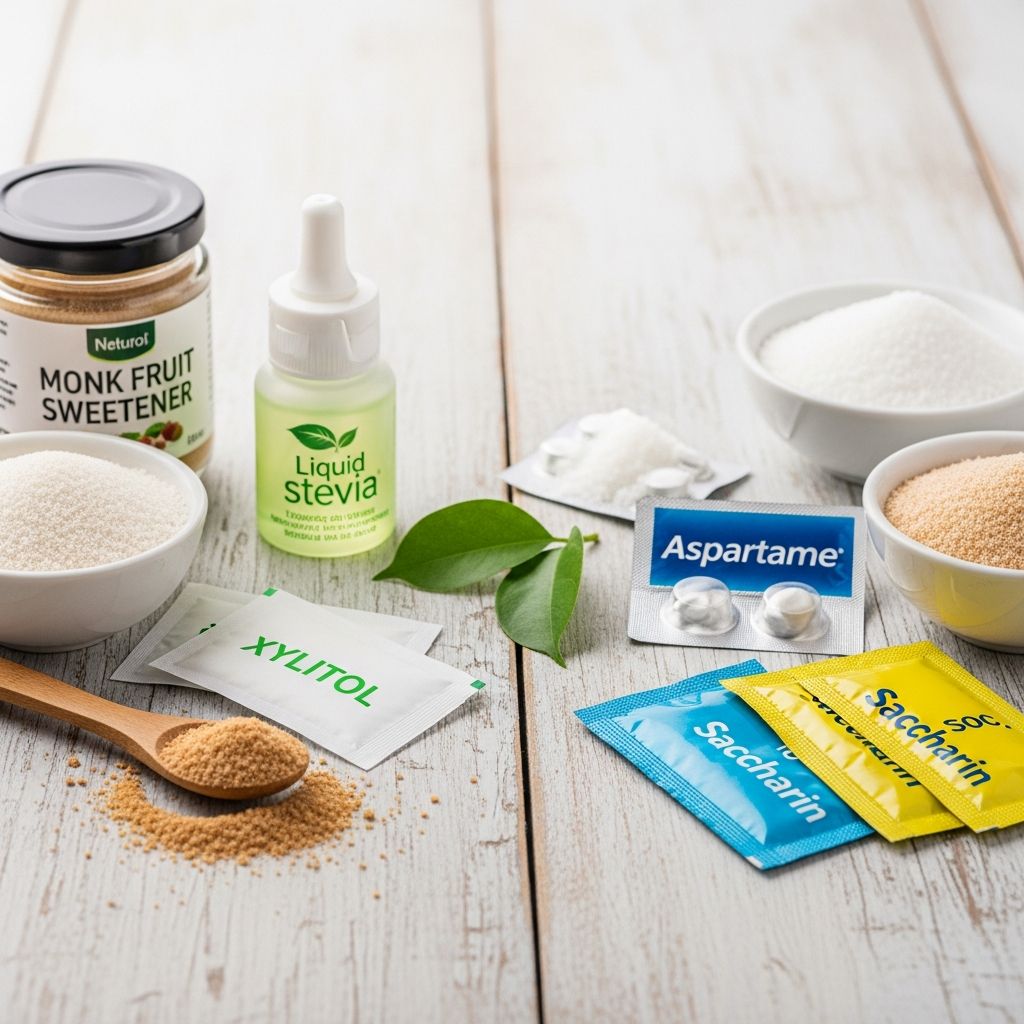
Following a ketogenic diet requires maintaining a state of ketosis, where your body burns fat for fuel instead of carbohydrates. One of the biggest challenges on a keto diet is satisfying sweet cravings while keeping carbohydrate intake minimal. Since traditional sweeteners like white sugar are high in carbs, they can disrupt ketosis and derail your dietary goals. Fortunately, there are numerous natural and artificial sweeteners available that can help you enjoy sweet flavors while staying in ketosis.
Understanding the Ketogenic Diet and Sugar Intake
The ketogenic diet is a low-carb, high-fat eating plan with moderate protein intake. Unlike most diets that focus on reducing fat, the keto diet works by drastically reducing carbohydrate consumption while increasing fat intake. This metabolic shift causes your body to enter ketosis, a state where it produces ketones as an alternative fuel source when glucose becomes limited.
To maintain this metabolic state, individuals must monitor their sugar and carbohydrate consumption carefully. While people often report a reduction in sugar cravings after a few weeks on a keto diet, many still desire sweet foods and beverages. This is where keto-friendly sweeteners become essential tools for dietary success.
Natural Keto-Friendly Sweeteners
Monk Fruit
Monk fruit, also known as “luo han guo” or Siraitia grosvenorii, is a fruit native to China that has been used for centuries in traditional medicine. The sweetness in monk fruit comes from non-nutritive compounds called mogrosides, which provide sweetness without carbohydrates. The FDA generally recognized monk fruit as safe in 2010, making it a relatively recent addition to Western sweetener options.
Monk fruit sweeteners offer several advantages for keto dieters:
- Contains zero carbs and minimal calories
- Does not spike blood glucose or insulin levels
- Often combined with other sweeteners in keto products
- Available in liquid and powder forms
- Versatile for use in beverages, baking, and cooking
Stevia
Stevia is one of the most popular natural sweeteners for keto diets. This plant-derived sweetener can be 250–300 times sweeter than sucrose (table sugar), meaning only small amounts are needed to achieve the desired sweetness level. Because of its extreme sweetness intensity, stevia contains virtually no carbs or calories, making it ideal for maintaining ketosis.
Stevia’s benefits include:
- Little to no carbs or calories
- Available as liquid or powder
- Suitable for beverages and baking
- Generally well-tolerated by most people
- No negative impact on blood glucose levels
Yacon Syrup
Yacon syrup is produced from the roots of a perennial South American plant and is an abundant source of fructooligosaccharides (FOSs), a type of soluble fiber that the human body cannot digest. Because your body doesn’t process these fibers, they contribute minimal net carbs to your daily intake. However, yacon syrup has significant limitations: it cannot withstand high temperatures, making it unsuitable for cooking or baking applications.
Related Stories



Artificial Keto-Friendly Sweeteners
Erythritol
Erythritol has become increasingly popular in keto-friendly products over the past decade. This sugar alcohol tastes almost identical to table sugar with slightly less sweetness, and importantly, it lacks the bitter aftertaste associated with many artificial sweeteners. Erythritol is commonly used as a bulking agent in keto products such as ice cream, baked goods, and confections.
Key characteristics of erythritol:
- Nearly identical taste to sugar with minimal aftertaste
- Close to zero calories
- Does not raise insulin or glucose levels
- Does not promote tooth decay
- Causes fewer gastrointestinal side effects than some sugar alcohols
- Resembles table sugar in texture and appearance
However, it’s important to note that erythritol consumption levels in modern processed foods are dramatically higher than those naturally occurring in foods like watermelons. A single pint of keto-friendly ice cream may contain a quarter or more of its weight in erythritol—up to a million-fold more than naturally occurring amounts. The FDA granted erythritol GRAS (generally recognized as safe) status based on older safety studies, but experts recommend consuming it in moderation rather than in large quantities.
Sucralose
Sucralose is an artificial high-intensity sweetener that is about 600 times sweeter than sugar. The substance is unique among artificial sweeteners because it does not have the bitter taste people commonly associate with other artificial sweetening compounds. This makes it a popular choice for various food and beverage applications on a keto diet.
Sweeteners to Avoid on a Keto Diet
High-Carb Natural Sweeteners
While some natural sweeteners sound healthy, many are inappropriate for ketogenic diets due to their high carbohydrate content:
- Honey: Despite antioxidant properties, honey is high in carbs and sugar, making it unsuitable for maintaining ketosis
- Maple syrup: Contains large amounts of sugar and carbs, making it incompatible with keto goals
- Agave nectar: Nearly 85% fructose, agave nectar is unsuitable for keto diets and has been linked to obesity and type 2 diabetes
- Coconut sugar: While it retains some natural vitamins and minerals, coconut sugar still contains significant carbohydrates
- Dates: Although dates contain protein and minerals like potassium, their high carbohydrate content makes them inappropriate for keto diets
Other Sweeteners to Avoid
- Maltodextrin: Contains the same number of carbs as table sugar and is not suitable for ketogenic diets
- Traditional white sugar: High in carbs, traditional sweeteners like sucrose directly interfere with ketosis
Comparison Table: Keto-Friendly vs. Non-Keto Sweeteners
| Sweetener | Sweetness vs. Sugar | Net Carbs (per serving) | Keto-Friendly | Best Uses |
|---|---|---|---|---|
| Stevia | 250-300x sweeter | 0g | ✓ Yes | Beverages, baking |
| Monk Fruit | 150-200x sweeter | 0g | ✓ Yes | Beverages, baking |
| Erythritol | 0.7x (less sweet) | 0g | ✓ Yes | Baking, ice cream |
| Sucralose | 600x sweeter | 0g | ✓ Yes | Beverages, desserts |
| Yacon Syrup | Less sweet | 0-1g | ✓ Yes* | Cold foods only |
| Honey | Similar | 17g per tbsp | ✗ No | Not for keto |
| Agave Nectar | Similar | 16g per tbsp | ✗ No | Not for keto |
| White Sugar | 1x (baseline) | 4g per tsp | ✗ No | Not for keto |
Tips for Using Keto Sweeteners Safely
While keto-friendly sweeteners don’t contain carbohydrates that disrupt ketosis, moderation is still important for overall health:
- Watch portion sizes: A single pint of keto ice cream may contain excessive amounts of erythritol. Instead, portion out a reasonable serving and freeze the rest for later use
- Choose whole foods over processed: Processed foods often contain hidden artificial sweeteners along with colorants and preservatives. Prioritize whole foods from nature
- Check ingredient labels: Since erythritol is not always required to be labeled on ingredient lists, examine products carefully
- Use natural sweeteners in moderation: If using natural sweeteners like honey or stevia, remember that moderation is key even though they don’t spike blood sugar
- Be aware of aftertaste: While erythritol lacks the bitter aftertaste of some sweeteners, other artificial sweeteners may have unwanted flavors
Frequently Asked Questions About Keto Sweeteners
Q: Can I use regular sugar on a keto diet?
A: No. Traditional sweeteners like white sugar (sucrose) are high in carbohydrates and will disrupt ketosis. You must choose low-carb alternatives designed for ketogenic diets.
Q: Is erythritol safe to consume daily?
A: Erythritol has GRAS (generally recognized as safe) status from the FDA. However, consuming it in moderation is recommended rather than consuming large quantities in processed foods. Experts suggest limiting portion sizes of erythritol-containing products.
Q: Do keto sweeteners affect blood glucose levels?
A: No. Most keto-friendly sweeteners including stevia, monk fruit, erythritol, and sucralose do not raise insulin or glucose levels, making them suitable for diabetics and those monitoring blood sugar.
Q: Can I bake with all keto sweeteners?
A: Not all keto sweeteners are heat-stable. Yacon syrup cannot withstand high temperatures and is unsuitable for baking or cooking. Stevia, monk fruit, erythritol, and sucralose are generally suitable for baking applications.
Q: Why are high-intensity sweeteners combined with erythritol in keto products?
A: Erythritol serves as a bulking agent because it resembles table sugar in taste and texture. High-intensity sweeteners like stevia or monk fruit extract are so concentrated that extremely small amounts would be insufficient without a bulking agent to make a usable product.
Q: Are natural sweeteners always better than artificial ones for keto?
A: Not necessarily. Both natural sweeteners (stevia, monk fruit) and artificial sweeteners (erythritol, sucralose) can be keto-friendly if they’re low in carbs. The key factor is carbohydrate content, not whether a sweetener is natural or artificial.
Q: How do I know if a product contains erythritol?
A: Check the ingredient label. However, note that U.S. labeling requirements don’t always mandate that erythritol be listed separately on labels. If you’re concerned about erythritol content, look for products that clearly list it as an ingredient.
Conclusion
Successfully following a ketogenic diet doesn’t require giving up sweet flavors. With numerous natural options like stevia and monk fruit, and artificial alternatives like erythritol and sucralose, you can enjoy keto-friendly sweetened foods and beverages while maintaining ketosis. The key is choosing sweeteners with minimal carbohydrate content and using them in moderation. By understanding which sweeteners support your keto goals and which to avoid, you can make informed choices that help you stay on track with your dietary objectives while satisfying your sweet cravings.
References
- The best natural and artificial keto-friendly sweeteners — Medical News Today. 2024. https://www.medicalnewstoday.com/articles/keto-sweeteners
- Are Artificial Sweeteners Bad for Your Health? — Cleveland Clinic. 2024. https://my.clevelandclinic.org/podcasts/love-your-heart/are-artificial-sweeteners-bad-for-your-health
- Don’t Panic — You Can Still Use Artificial Sweeteners — Orlando Health. 2024. https://www.orlandohealth.com/content-hub/dont-panic-you-can-still-use-artificial-sweeteners/
Similar Articles








Read full bio of Sneha Tete