Keto-Friendly Vegetables: 15 Best Low-Carb Choices
Discover the best low-carb vegetables for your ketogenic diet to stay in ketosis while enjoying nutrient-rich meals.
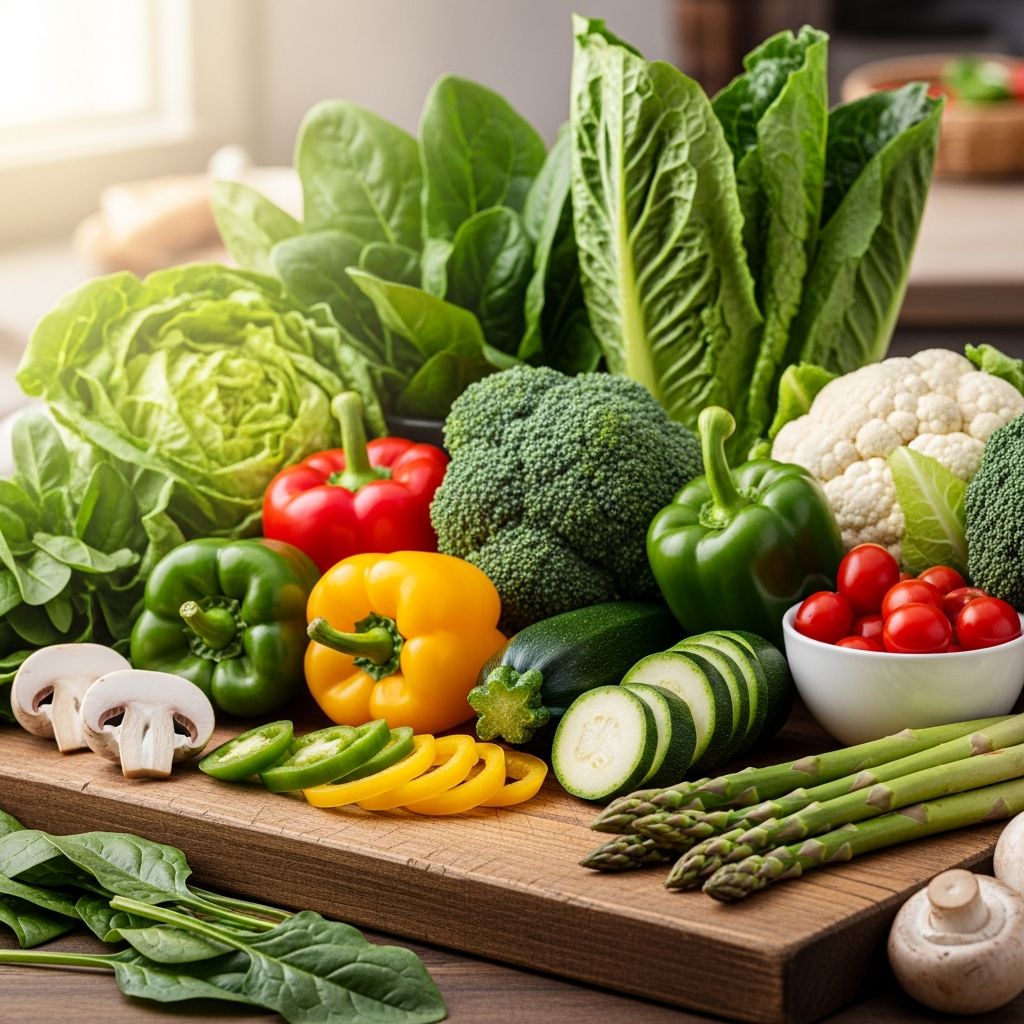
The ketogenic (keto) diet emphasizes high-fat, moderate-protein, and very low-carbohydrate intake to induce ketosis, where the body burns fat for fuel. Vegetables play a crucial role, providing essential vitamins, minerals, fiber, and antioxidants without spiking blood sugar. However, not all vegetables are suitable; starchy ones can exceed daily net carb limits, typically 20-50g per day. Focusing on non-starchy, above-ground veggies ensures success in weight loss and metabolic health.
Understanding Net Carbs in Keto Vegetables
Net carbs are calculated as total carbohydrates minus fiber, representing the carbs that impact blood sugar. On keto, aim for 12-15g net carbs from vegetables daily during strict phases, accounting for half your total intake. Leafy greens and cruciferous vegetables offer the best ratio of nutrients to carbs, supporting digestion, immunity, and satiety.
- Above-ground rule: Vegetables like spinach and broccoli grow above soil and are lowest in carbs.
- Below-ground caution: Root veggies like potatoes store energy as starch, making them higher-carb.
- Portion control: Even keto-friendly veggies add up; track with apps or labels.
Best Keto-Friendly Vegetables (Under 5g Net Carbs per 100g)
These powerhouse vegetables deliver maximum nutrition with minimal carbs. Incorporate them into salads, stir-fries, or roasted dishes for variety.
| Vegetable | Net Carbs (per 100g) | Key Benefits |
|---|---|---|
| Spinach | 1-2g | Rich in iron, vitamin K, and folate; ideal for salads or sautés. |
| Asparagus | 1-2g | High in fiber and folate; supports digestion and pairs with hollandaise. |
| Swiss Chard | 2g | Loaded with magnesium and antioxidants; great for wilting into soups. |
| Celery | 2g | Hydrating with electrolytes; perfect for snacks with almond butter. |
| Lettuce (all types) | 2g | Ultra-low carb base for wraps and salads; romaine adds crunch. |
| Avocado (fruit, but keto staple) | 2g | Healthy fats, potassium; use in guacamole or salads. |
| Cabbage | 3g | Versatile for slaws or stir-fries; high in vitamin C. |
| Cucumber | 3g | Refreshing and hydrating; slice for salads or pickles. |
| Cauliflower | 3g | Rice, mash, or roast substitute; packed with choline for brain health. |
| Zucchini | 3g | Noodle-ize for zoodles; mild flavor absorbs seasonings. |
| Tomato | 3g | Moderate use; lycopene benefits heart health. |
| Green Pepper | 3g | Vitamin C boost; greener varieties lower carb than red. |
| Broccoli | 4g | Sulforaphane fights inflammation; steam or roast. |
| Brussels Sprouts | 5g | Roast for caramelization; vitamin K powerhouse. |
| Green Beans | 4-5g | Filling fiber; sauté in butter. |
These options are nutrient-dense and versatile. For example, spinach’s 1g net carbs allows generous portions, while Brussels sprouts at 5g require moderation.
Vegetables to Limit or Avoid on Keto
While vegetables are healthy, high-starch ones can derail ketosis. Use onions sparingly as flavoring, but skip large portions.
| Vegetable | Net Carbs (per 100g) | Why Avoid |
|---|---|---|
| Onion | 8g | High sugar; limit to seasoning. |
| Beetroot | 7-8g | Natural sugars elevate blood glucose. |
| Peas | 9g | Starchy legume; not truly low-carb. |
| Parsnip | 13g | Root starch mimics potatoes. |
| Potato | 15g | Extreme carb load; keto no-go. |
| Sweet Potato | 17g | High glycemic index. |
| Corn | 16g | Grain-like carbs. |
| Cassava | 36g | Highest starch; avoid entirely. |
Root vegetables like these store carbs underground for energy, making them unsuitable for strict keto.
Health Benefits of Keto-Friendly Vegetables
Beyond low carbs, these veggies provide antioxidants, fiber for gut health, and micronutrients often lacking in high-fat diets. Leafy greens reduce inflammation, cruciferous veggies like broccoli support detoxification, and avocados offer heart-healthy monounsaturated fats. Studies show keto vegetable intake improves satiety, aiding adherence and weight loss.
- Fiber boost: Prevents constipation common on keto.
- Electrolyte balance: Potassium from spinach combats ‘keto flu’.
- Antioxidant protection: Vitamins A, C, K combat oxidative stress.
Delicious Keto Vegetable Recipes
Elevate your meals with these simple, flavorful ideas using top keto veggies.
Related Stories



Cauliflower-Based Recipes
- Cauliflower Rice: Pulse florets in a food processor, sauté with garlic and butter. Serves as a base for stir-fries (3g net carbs/serving).
- Cauliflower Mash: Steam and blend with cream cheese; potato substitute.
- Buffalo Cauliflower Bites: Roast with hot sauce and blue cheese dip.
Other Top Recipes
- Keto Asparagus with Bacon: Wrap spears in chili-spiced bacon, bake at 400°F for 15 mins.
- Zucchini Fritters: Grate, mix with egg and cheese, air-fry for crunch (air fryer optional).
- Broccoli Bacon Salad: Chop raw broccoli, add mayo, bacon, and cheddar for picnics.
- Stuffed Bell Peppers: Fill green peppers with eggs, spinach, and cheese.
- Cabbage Rolls: Wrap meat in cabbage leaves, simmer in tomato sauce.
These recipes keep carbs low while maximizing taste and texture.
Frequently Asked Questions (FAQs)
What are the best keto vegetables?
Leafy greens like spinach (1g net carbs), asparagus (2g), and cauliflower (3g) top the list for low carbs and high nutrition.
Can I eat tomatoes on keto?
Yes, in moderation at 3g net carbs per 100g; cherry tomatoes work well in salads.
Are carrots keto-friendly?
No, carrots have about 7g net carbs per 100g; opt for above-ground alternatives.
How many carbs from veggies on keto?
12-15g net carbs daily from veggies during induction, up to 20-25g total for maintenance.
Is avocado a vegetable?
Technically a fruit, but keto-approved at 2g net carbs with healthy fats.
Shopping and Prep Tips for Keto Success
Stock up on fresh, organic greens weekly. Wash and chop in advance for meal prep. Store in airtight containers to retain crispness. Experiment with fats like olive oil, butter, or ghee for cooking to enhance flavor and satiety.
- Buy seasonal for freshness and cost savings.
- Frozen options like broccoli retain nutrients and convenience.
- Track net carbs with reliable apps.
In summary, prioritizing keto-friendly vegetables ensures a balanced, sustainable diet. They provide the fiber and micronutrients needed for long-term health on keto.
References
- Keto Friendly Vegetables List — Atkins (Colette Heimowitz, M.Sc.). Accessed 2026. https://www.atkins.com/expertise/low-carb-keto-vegetables
- Keto vegetables – the best and the worst — Diet Doctor. Accessed 2026. https://www.dietdoctor.com/low-carb/keto/vegetables
- Low-Carbohydrate Diet Guidelines — U.S. Department of Health and Human Services (via PubMed). 2023-12-15. https://pubmed.ncbi.nlm.nih.gov/37796579/
- Nutrient Composition of Vegetables — USDA FoodData Central. 2024-05-20. https://fdc.nal.usda.gov/
- Ketogenic Diets and Vegetable Intake — Harvard T.H. Chan School of Public Health. 2025-02-10. https://www.hsph.harvard.edu/nutritionsource/healthy-weight/diet-reviews/ketogenic-diet/
Similar Articles








Read full bio of Sneha Tete