Keto Rash: Complete Guide To Causes, Symptoms, And Treatment
Understanding keto rash: causes, symptoms, treatments, and prevention for this rare skin condition linked to ketosis.
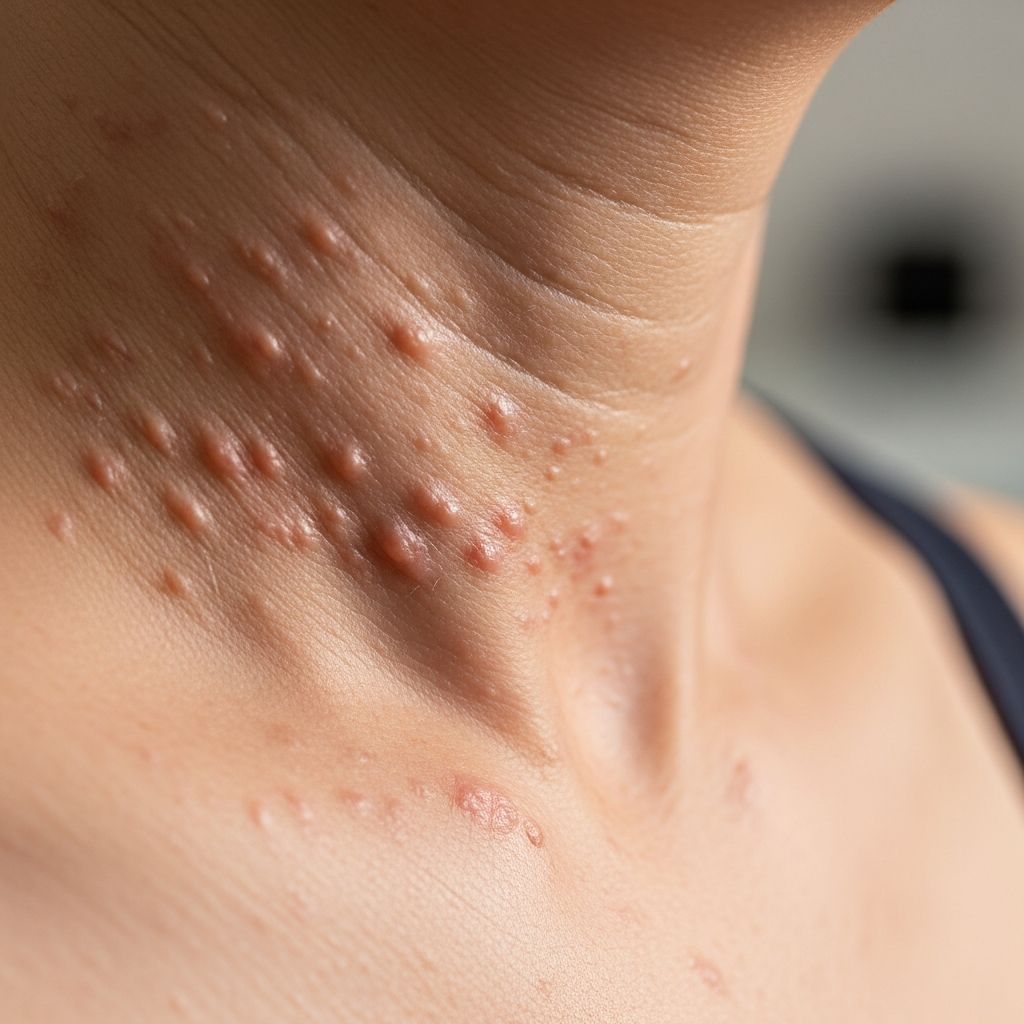
Keto rash, medically known as
prurigo pigmentosa
, is a rare inflammatory skin condition characterized by an itchy, red rash that typically appears on the upper body during ketosis. This state occurs when the body burns fat for fuel instead of carbohydrates, often triggered by the ketogenic (keto) diet.What Is Keto Rash?
**Keto rash**, also called prurigo pigmentosa, manifests as a distinctive rash forming red, raised spots that merge into a net-like or lace-like pattern. It primarily affects the trunk, including the chest, back, abdomen, and neck, sparing the face and limbs in most cases. The condition is rare but increasingly reported among those on low-carb diets, fasting, or with certain metabolic states.
Prurigo pigmentosa was first described in Japan in 1906 and historically more common in Asian populations, but recent cases span diverse ethnicities including Caucasian, Hispanic, Middle Eastern, and African descent. The rash’s association with ketosis earned it the nickname “keto rash,” though it’s not exclusive to dieters.
Entering
ketosis
involves drastically reducing carbohydrate intake, forcing the liver to produce ketone bodies from fat for energy. While ketosis is the goal of the keto diet for weight loss or metabolic benefits, it can uncommonly provoke this dermatological reaction.Symptoms of Keto Rash
The hallmark of keto rash is intense
itchiness
accompanied by a symmetrical rash on the torso. Key symptoms include:- Raised, red or discolored papules that coalesce into a reticulated (net-like) pattern.
- Severe pruritus (itching), leading to scratching and potential skin damage.
- Inflammation and redness concentrated on the upper back, chest, abdomen, and sometimes neck or sacrum.
- Post-inflammatory
hyperpigmentation
—dark, mottled patches that linger after the acute phase resolves.
The rash evolves in stages: initial erythematous papules, then vesicles or crusts from scratching, followed by resolving inflammation leaving hyperpigmented marks. It rarely affects extremities or face. Accompanying “keto flu” symptoms like fatigue may occur but are distinct.
| Stage | Description |
|---|---|
| Early | Red papules and intense itch on trunk. |
| Active | Merging spots form net-like plaques; possible vesicles. |
| Resolving | Fading redness with residual dark pigmentation. |
Symptoms typically emerge days to months after ketosis onset, averaging 31 days in reported cases.
Causes of Keto Rash
The precise mechanism remains unclear, but
ketosis
is the primary trigger. Ketone bodies or metabolic shifts may inflame skin tissue. Common precipitants include:- Ketogenic diet: Low-carb, high-fat eating induces ketosis.
- Fasting or starvation: Mimics keto diet effects.
- Bariatric surgery: Rapid weight loss leads to ketosis.
- Diabetes: Especially insulin-dependent types risking ketoacidosis (distinct from benign ketosis).
- Other factors: H. pylori infection, clothing friction, allergens, sunlight, heat, sweat.
Related Stories



Predisposing conditions heighten risk: diabetes, anorexia nervosa, Sjögren’s syndrome. A 2022 review identified 19 keto diet-related cases across ethnicities, underscoring rising incidence with diet popularity.
How Is Keto Rash Diagnosed?
Diagnosis relies on clinical presentation: the characteristic trunk rash in ketosis context. Dermatologists confirm via:
- Patient history: Recent keto diet, fasting, or ketosis indicators.
- Physical exam: Net-like erythema on upper body.
- Skin biopsy: If needed, shows interface dermatitis with necrotic keratinocytes.
- Blood tests: Ketone levels to verify ketosis; rule out infections or diabetes.
Differential diagnoses include guttate psoriasis, lichen planus, or contact dermatitis. Early recognition prevents prolonged discomfort.
Treatments for Keto Rash
Treatment targets ketosis cessation and inflammation control. No universal cure exists, but most resolve with intervention.
Primary Treatments
- Reintroduce carbohydrates: Shift to moderate carbs (at least 50g/day) exits ketosis, resolving rash in weeks. A 2018 study showed significant improvement.
- Antibiotics: First-line tetracyclines like
doxycycline
(100mg twice daily) orminocycline
for 3 weeks; anti-inflammatory effects key. Dapsone alternative.
Supportive Measures
- Avoid scratching; use cool baths with baking soda for itch relief.
- Topical steroids (e.g., triamcinolone 0.1%) for symptoms, though less effective alone.
- Eliminate allergens: Common keto foods like dairy, eggs, nuts.
- Moisturizers and anti-itch creams.
Corticosteroids often fail systemically. Hyperpigmentation fades naturally over months; no specific treatment. Consult a dietician to modify diet without full abandonment.
| Treatment | Dosage/Duration | Effectiveness |
|---|---|---|
| Carb reintroduction | 50g+ carbs/day | High; rash subsides in 1-2 weeks. |
| Doxycycline/Minocycline | 100mg BID x 3 weeks | High; resolves acute phase. |
| Topical steroid | Apply 2-4x/day | Moderate for itch. |
In a case series, rashes resolved 18 days post-diet cessation with tetracyclines, leaving hyperpigmentation.
Prevention Tips
Prevent recurrence by:
- Gradual carb reduction: Ease into keto to monitor skin.
- Stay hydrated; manage sweat/friction with loose clothing.
- Monitor ketones; exit ketosis if rash appears.
- Balanced keto variants with more carbs if prone.
- Treat predispositions like H. pylori.
Those with diabetes or eating disorders should consult providers before keto.
When to See a Doctor
Seek medical care promptly for any new rash, especially with keto diet. Urgent if:
- Rash spreads, worsens, or infects.
- Accompanied by fever, swelling, or ketoacidosis signs (nausea, confusion).
- Persistent beyond 1-2 weeks self-care.
Dermatologists ensure accurate diagnosis, ruling out mimics.
Frequently Asked Questions (FAQs)
What causes keto rash?
Keto rash stems from ketosis, often via ketogenic diets, fasting, or diabetes, triggering inflammatory skin response.
How long does keto rash last?
With treatment like carb reintroduction and antibiotics, it resolves in 1-4 weeks; pigmentation may linger months.
Does keto rash go away on its own?
Many cases self-resolve upon stopping ketosis, but antibiotics speed recovery and prevent scarring.
Can I stay on keto with a rash?
Modify to low-carb (not strict keto) or pause; consult a doctor/dietician.
Is keto rash dangerous?
Not typically, but signals ketosis issues; rule out ketoacidosis in diabetics.
Outlook and Prognosis
Keto rash has an excellent prognosis with prompt treatment. Most cases clear fully, though hyperpigmentation requires time. Awareness aids early intervention, minimizing discomfort. While rare, its link to popular keto diets warrants vigilance.
References
- Causes of a Keto Diet Rash, Symptoms, Treatments, and More — Healthgrades. 2023. https://resources.healthgrades.com/right-care/skin-hair-and-nails/keto-rash
- Keto Diet Rash: What You Need to Know — Healthline. 2023-05-15. https://www.healthline.com/health/keto-rash
- Ketogenic Diet-induced Prurigo Pigmentosa (the “Keto Rash”) — PMC (PubMed Central). 2022-03-01. https://pmc.ncbi.nlm.nih.gov/articles/PMC8903224/
- Trust Your Gut: Diagnosis and Treatment of Keto Rash — Clinical Advisor. 2022. https://www.clinicaladvisor.com/features/trust-your-gut-diagnosis-and-treatment-of-keto-rash/
- Keto Rash (Prurigo Pigmentosa): What It Is, Stages & Treatment — Cleveland Clinic. 2024. https://my.clevelandclinic.org/health/diseases/keto-rash
- Prurigo pigmentosa — DermNet NZ. 2023. https://dermnetnz.org/topics/prurigo-pigmentosa
Similar Articles








Read full bio of Sneha Tete