Ketoconazole Shampoo (Dandrazol, Nizoral)
Effective treatment for dandruff, seborrhoeic dermatitis and pityriasis capitis with ketoconazole shampoo.
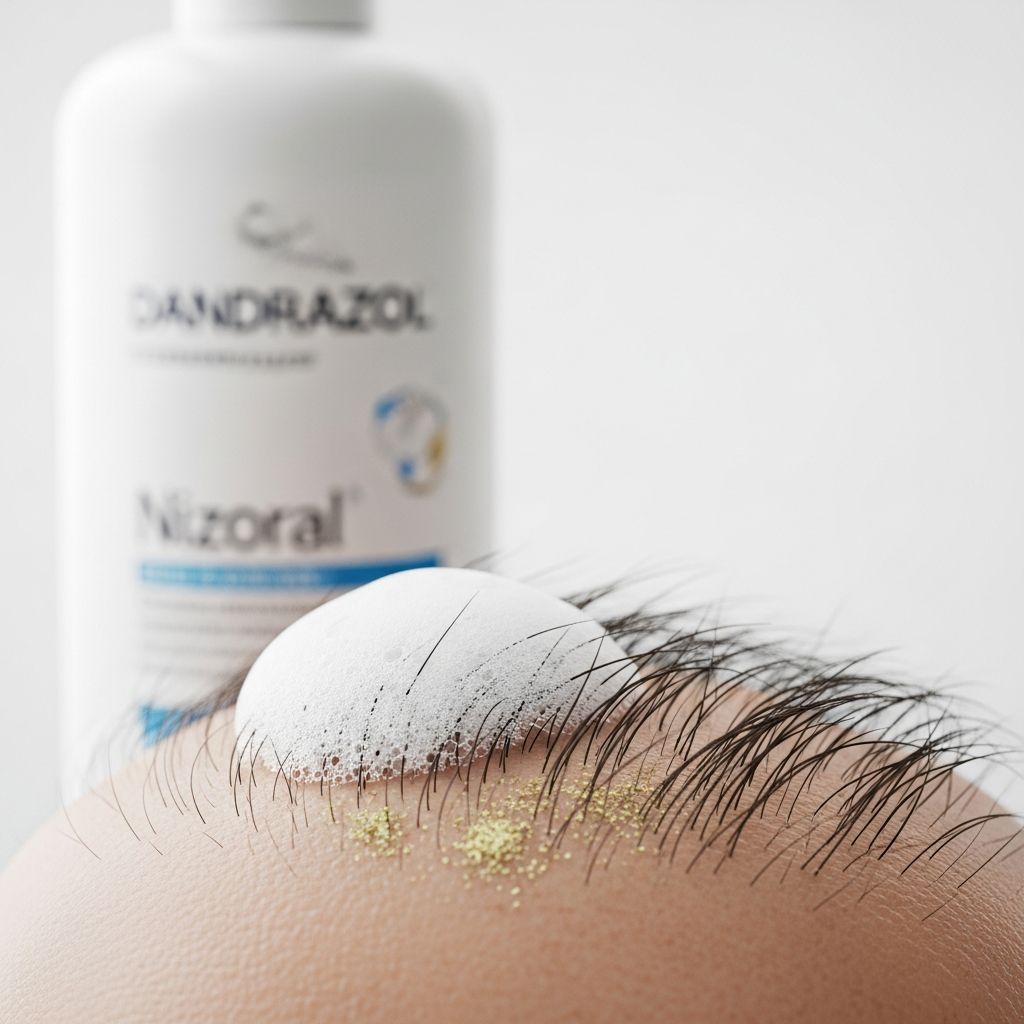
Ketoconazole shampoo is a medicated antifungal treatment primarily used to combat dandruff, seborrhoeic dermatitis, and other scalp conditions caused by fungal overgrowth.
About ketoconazole shampoo
Ketoconazole is an antifungal agent that works by inhibiting the growth of fungi such as Malassezia, which are commonly associated with dandruff and seborrhoeic dermatitis. Available under brand names like Dandrazol and Nizoral, it comes in 1% and 2% strengths, with the 2% version often requiring a prescription for more severe cases. This shampoo not only reduces flaking and itching but also helps control scalp inflammation linked to these conditions.
Seborrhoeic dermatitis, often called cradle cap in infants, presents as red, itchy, flaky skin on the scalp. Pityriasis capitis refers to simple dandruff. Ketoconazole shampoo targets the yeast overgrowth responsible for these issues, providing relief where standard shampoos fail.
Before using ketoconazole shampoo
Who can and cannot use ketoconazole shampoo
Most adults and children over 12 can use ketoconazole shampoo safely. It is also used for infants with cradle cap under medical guidance. However, avoid it if you have known hypersensitivity to ketoconazole or similar antifungals.
- Do not use if: You have damaged, broken, or infected scalp skin, as it may worsen irritation.
- Consult a doctor if pregnant, breastfeeding, or using other scalp treatments.
- Children under 12: Use only as prescribed.
Other medicines, food and drink, and pregnancy
Ketoconazole shampoo has minimal systemic absorption, making interactions rare. No specific food or drink restrictions apply. During pregnancy, use only if benefits outweigh risks; topical use is generally low-risk. Breastfeeding mothers should avoid nipple contact with the shampoo.
Common questions about ketoconazole shampoo
How and when to use ketoconazole shampoo
Wet hair thoroughly, apply a small amount (about 5ml for long hair), massage into scalp, and leave for 3-5 minutes before rinsing. Use twice weekly for 2-4 weeks, then once every 1-2 weeks for maintenance.
Dosage
| Condition | Frequency | Duration |
|---|---|---|
| Dandruff/Seborrhoeic dermatitis | 2x/week | 2-4 weeks, then maintenance |
| Pityriasis versicolor (body use) | Daily | 5 days |
| Cradle cap (infants) | Daily | Until resolved, as directed |
How and when to use ketoconazole shampoo
Apply to wet scalp, lather, and leave on for 3-5 minutes to allow penetration. Rinse well. For best results, do not wash hair for 3 days between applications during initial treatment. Alternate with a mild shampoo if needed.
- Avoid eyes; rinse immediately if contact occurs.
- For body use (e.g., pityriasis versicolor), apply as a lotion and leave on.
Dosage
Standard dose is 5ml per application for adults. Reduce for children. Treatment course: 2-4 weeks. If no improvement after 4 weeks, see a doctor.
Side effects of ketoconazole shampoo
Most users experience no side effects, but some report mild scalp irritation. Serious reactions are rare.
Related Stories



Common side effects
These affect up to 1 in 10 people:
- Itching, burning, or redness on the scalp (less visible on darker skin tones).
- Dryness or oiliness of scalp/hair.
- Changes in hair texture, discoloration, or loss of curl from permed hair.
Serious side effects
Seek immediate medical help for:
- Severe allergic reactions: rash, hives, swelling of face/tongue/throat, difficulty breathing, dizziness.
- Blistering, crusting, severe rash, or swelling.
- Increased hair shedding or scalp pustules (rare).
Patch test on a small area first if you have sensitive skin. Stop use if irritation persists.
How to cope with side effects of ketoconazole shampoo
- For itching/burning: Use less product, apply gently, wear loose clothing to reduce sweat.
- Dry scalp: Follow with a moisturizing conditioner.
- Hair changes: Temporary; resolves after stopping.
- Reduce frequency if mild effects occur.
Pregnancy and breastfeeding with ketoconazole shampoo
Limited absorption makes it low-risk, but consult a doctor. Avoid breast contact; rinse thoroughly if used near chest.
Other medicines and ketoconazole shampoo
No major interactions due to topical use. Inform your doctor of other antifungals or steroids.
Common questions about ketoconazole shampoo
How long does ketoconazole shampoo take to work?
Improvement often seen within 1-2 weeks; full effects in 4 weeks. Continue maintenance to prevent recurrence.
Is ketoconazole shampoo safe for color-treated hair?
May cause temporary discoloration; test first.
Can I use it daily?
No, overuse leads to dryness/irritation. Follow prescribed schedule.
Further information
- Storage: Keep at room temperature, away from children.
- Overdose: Unlikely; rinse thoroughly if swallowed.
- Missed dose: Apply next scheduled dose; don’t double.
Frequently Asked Questions (FAQs)
Is ketoconazole shampoo safe for daily use?
No, use 2-3 times weekly to avoid dryness and irritation. Daily use is only for short-term body treatments.
Does ketoconazole shampoo cause hair loss?
Rarely; initial shedding may occur as scalp adjusts, but persistent loss warrants medical advice.
How long should I leave ketoconazole shampoo on?
3-5 minutes for optimal antifungal action.
Can children use ketoconazole shampoo?
Yes, for cradle cap in infants or dandruff in older children, under doctor supervision.
What if my symptoms don’t improve?
See a doctor after 4 weeks; may need alternative treatment.
Is ketoconazole shampoo good for psoriasis?
Effective for scalp psoriasis by reducing plaques and fungal infections.
References
- Ketoconazole Shampoo: Side Effects — Traya Health. 2023. https://traya.health/blogs/hair-solution/side-effects-of-ketoconazole-shampoo
- Ketoconazole Shampoo: Uses, Benefits, Side Effects — Healthline. 2023-10-11. https://www.healthline.com/health/ketoconazole-shampoos
- Ketoconazole — St. Jude Children’s Research Hospital. 2024. https://together.stjude.org/en-us/treatment-tests-procedures/medicines-list/ketoconazole.html
- Side effects of ketoconazole — NHS. 2023-05-02. https://www.nhs.uk/medicines/ketoconazole/side-effects-of-ketoconazole/
- Ketoconazole (topical route) — Mayo Clinic. 2024. https://www.mayoclinic.org/drugs-supplements/ketoconazole-topical-route/description/drg-20067739
- Nizoral (ketoconazole shampoo) — GoodRx. 2024. https://www.goodrx.com/nizoral-a-d/what-is
- Ketoconazole 2% shampoo — Kaiser Permanente. 2024. https://healthy.kaiserpermanente.org/health-wellness/drug-encyclopedia/drug.ketoconazole-2-shampoo.164619
Similar Articles








Read full bio of Sneha Tete