Ketoprofen Gel: Complete Guide To Pain Relief & Safe Use
Effective topical relief for strains, sprains, backache, and arthritis pain with ketoprofen gel.
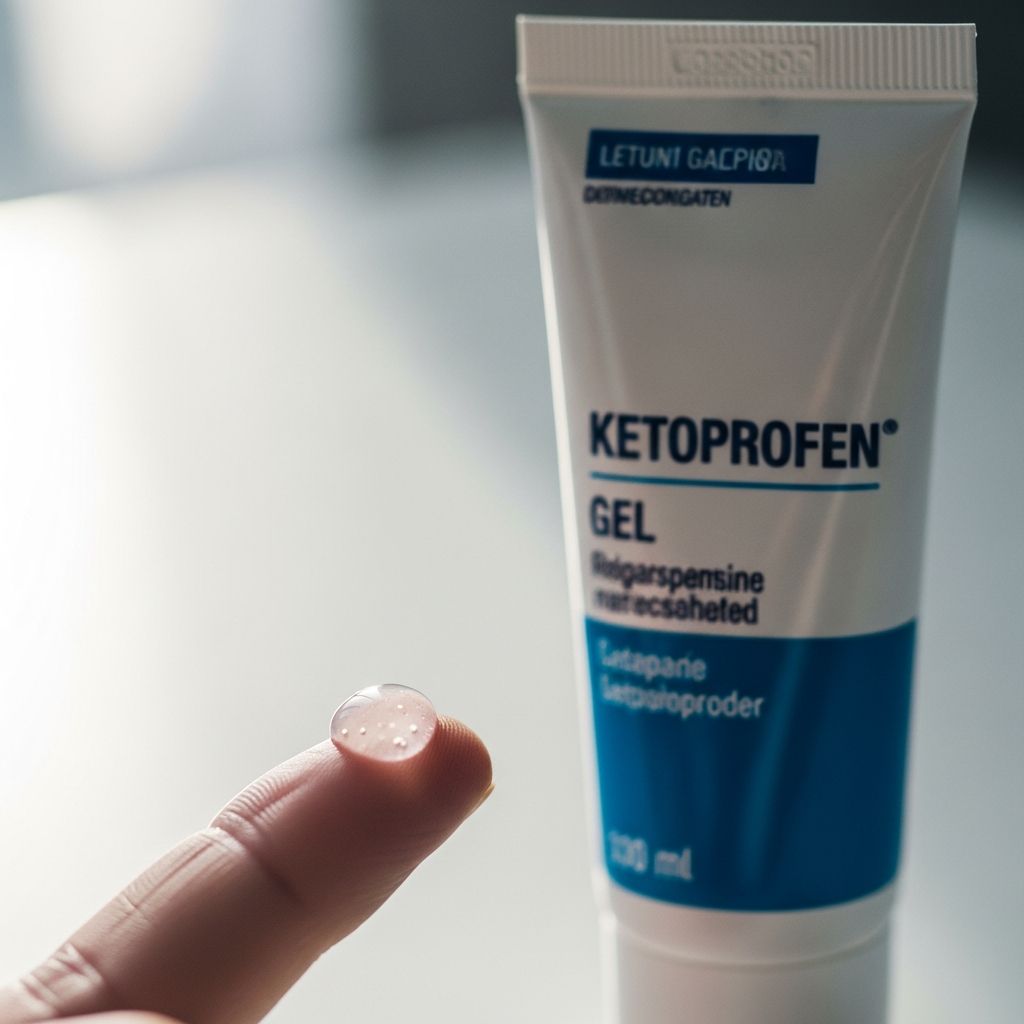
Apply
ketoprofen gel
two or three times daily unless directed otherwise by your doctor. Gently massage it into the skin over the affected area.| Type of medicine | A non-steroidal anti-inflammatory skin gel |
|---|---|
| Used for | Treating pain and swelling due to strains, sprains, backache or arthritis |
| Also called | Powergel®; Tiloket® |
| Available as | Skin gel |
About ketoprofen gel
Ketoprofen is a medicine classified as a non-steroidal anti-inflammatory drug (NSAID). It works by blocking the production of prostaglandins, natural chemicals in the body that trigger pain and inflammation. When formulated as a topical gel, ketoprofen provides localized relief rather than systemic effects seen with oral forms.
Unlike oral ketoprofen capsules, which affect the entire body, the gel is absorbed through the skin directly into the underlying tissues, such as muscles or joints, where inflammation occurs. This targeted approach keeps systemic absorption low, significantly reducing the risk of widespread side effects common with oral NSAIDs.
Clinical evidence supports the efficacy of topical NSAIDs like ketoprofen for acute musculoskeletal pain. A Cochrane review found that topical NSAIDs provide good pain relief for conditions like sprains and strains, comparable to oral NSAIDs but with fewer gastrointestinal risks.
Ketoprofen gel is primarily prescribed for adults experiencing pain from strains, sprains, soft tissue injuries, backache, or rheumatic conditions like arthritis. It is available both on prescription and over-the-counter in smaller packs. Brands include Powergel and Tiloket, typically containing 2.5% w/w ketoprofen.
Not suitable for children under 15 years, as safety data is limited. For oral ketoprofen use, refer to separate guidance on capsules for pain and inflammation.
Before using ketoprofen gel
Consult a doctor or pharmacist before starting treatment to ensure suitability. Key considerations include:
- Pregnancy or breastfeeding: Avoid if pregnant, especially in the third trimester, due to potential risks to the fetus. Do not use while breastfeeding, as small amounts may pass into breast milk.
- Asthma or allergies: Risk of worsening symptoms if you have asthma, hay fever, or allergic disorders.
- Skin conditions: Do not apply to broken, infected, or eczematous skin.
- Previous reactions: History of allergy to NSAIDs (e.g., aspirin, ibuprofen, diclofenac), ketoprofen, or related drugs like tiaprofenic acid or fenofibrate.
- Photosensitivity risk: Topical ketoprofen increases risk of photosensitivity reactions (phototoxicity or photoallergy), especially if used with octocrylene-containing products (shampoos, cosmetics). Avoid sun exposure on treated areas.
Prolonged use or large quantities heighten skin reaction risks. MHRA guidance emphasizes minimizing UV exposure during treatment.
How to use ketoprofen gel
Always read the patient information leaflet (PIL) provided with the pack for full details on usage and side effects.
- Application: Squeeze a small amount (pea-sized for small areas, more for larger) and gently massage into the clean, dry affected area. Use 2-4 times daily, up to 7-10 days unless advised otherwise.
- Hands: Wash hands thoroughly after application, unless treating hands.
- Missed dose: Apply when remembered; do not double dose.
- Duration: Short-term use recommended. Stop if no improvement after 7-14 days and consult a doctor.
Related Stories



For Tiloket 2.5% Gel, adults apply 2-4 times daily to painful joints/muscles from sprains, bruises, or tendonitis.
Getting the most from your treatment
To optimize benefits and minimize risks:
- Avoid eyes, mucous membranes, broken/irritated skin. Rinse immediately with warm water if contact occurs.
- Do not use occlusive dressings (e.g., bandages) over treated areas, as this increases absorption and side effect risk.
- Protect treated skin from sunlight; cover or use high-SPF sunscreen. Photosensitivity can cause severe reactions.
- Avoid products with octocrylene post-application.
- Combine with rest, ice, compression, elevation (RICE) for injuries.
- If swallowed accidentally, seek immediate medical help.
Can ketoprofen gel cause problems?
Most users tolerate ketoprofen gel well due to low systemic levels, but side effects occur in some. Common issues are skin-related and resolve on discontinuation.
| Side effect | Action |
|---|---|
| Skin irritation (burning, itching) | If severe, stop use; clears in 1-2 days. Consult doctor if persists |
| Skin rash | Stop immediately and see doctor |
| Breathing difficulties/wheeze | Stop use, especially if asthmatic; seek medical advice |
| Photosensitivity reactions | Uncommon; stop use, avoid sun. May affect up to 1 in 100 |
| Rare: Contact dermatitis, eczema | Affects up to 1 in 1,000; discontinue |
Report suspected side effects via MHRA Yellow Card Scheme. Full lists in PIL. Systemic effects (e.g., stomach upset) rare but possible with overuse.
Frequently Asked Questions (FAQs)
Can I use ketoprofen gel if pregnant?
No, avoid especially in late pregnancy. Consult doctor.
Is ketoprofen gel safe for children?
Not recommended under 15 years.
How long can I use ketoprofen gel?
Up to 7-14 days; see doctor if no relief.
Does ketoprofen gel stain clothes?
May temporarily; allow to dry fully.
Can I use it with other painkillers?
Check with pharmacist; avoid excess NSAIDs.
References
- Ketoprofen gel for pain relief – Oruvail, Powergel, Tiloket — Patient.info. 2023. https://patient.info/medicine/ketoprofen-gel-for-pain-relief-powergel-tiloket
- Tiloket (Ketoprofen) 2.5% Gel – Patient Information Leaflet — Medicines.org.uk (EMC). 2023-10-01. https://www.medicines.org.uk/emc/product/11854/pil
- Topical ketoprofen and risk of photosensitivity reactions — UK Government (MHRA). 2015-04-20. https://assets.publishing.service.gov.uk/media/555c335ce5274a74ca000009/Ketoprofen_DHPC_sent_20-04-2015.pdf
- Ketoprofen 2.5% Gel Summary of Product Characteristics — Medicines.org.uk (EMC). 2023. https://www.medicines.org.uk/emc/rmm/37/Document
- Ketoprofen for pain and inflammation — Patient.info. 2023. https://patient.info/medicine/ketoprofen-for-pain-and-inflammation-larafen-oruvail
- Topical NSAIDs for acute pain in adults — PMC (PubMed Central, Cochrane Review). 2010-06-16. https://pmc.ncbi.nlm.nih.gov/articles/PMC4163964/
Similar Articles








Read full bio of Sneha Tete