Ketosis: What It Is, Benefits, Risks, and How to Achieve It
Unlock the science of ketosis: Explore how this fat-burning metabolic state supports weight loss, diabetes management, and more while navigating risks.
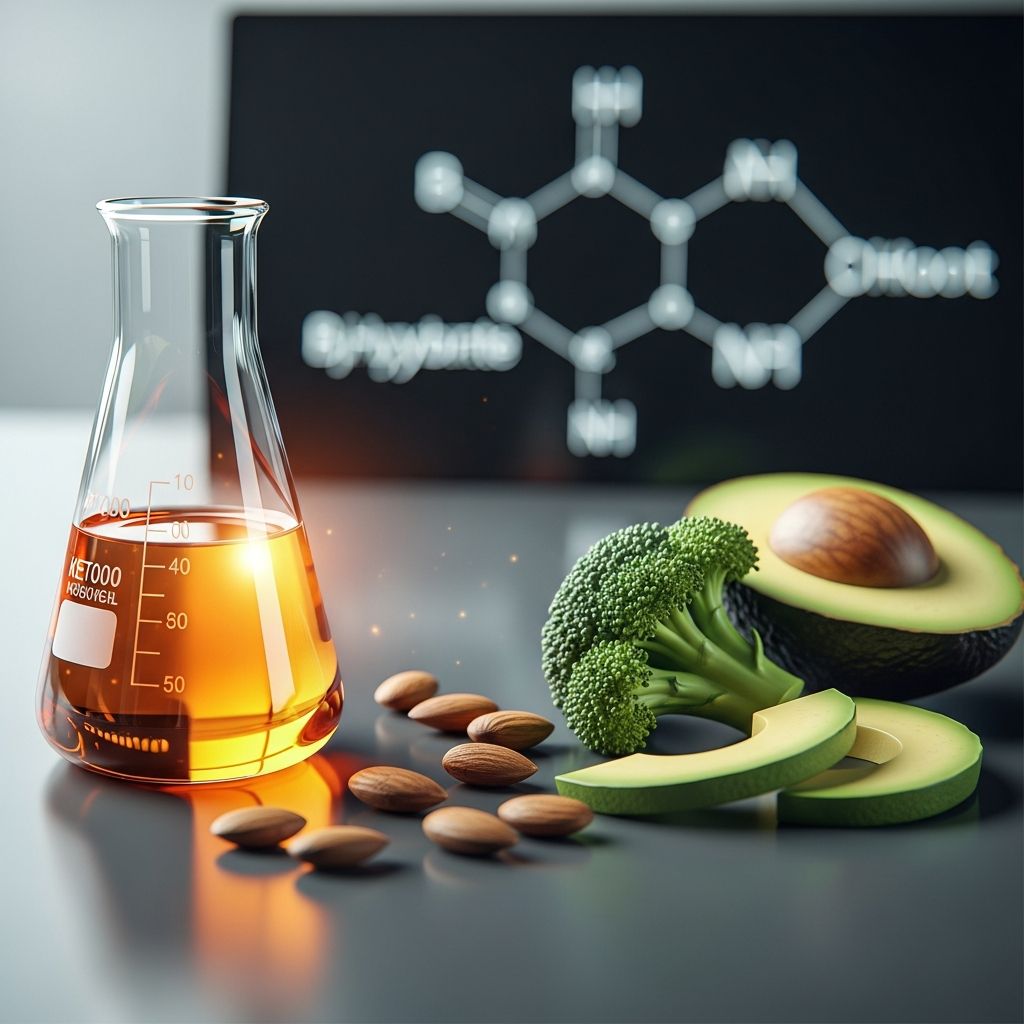
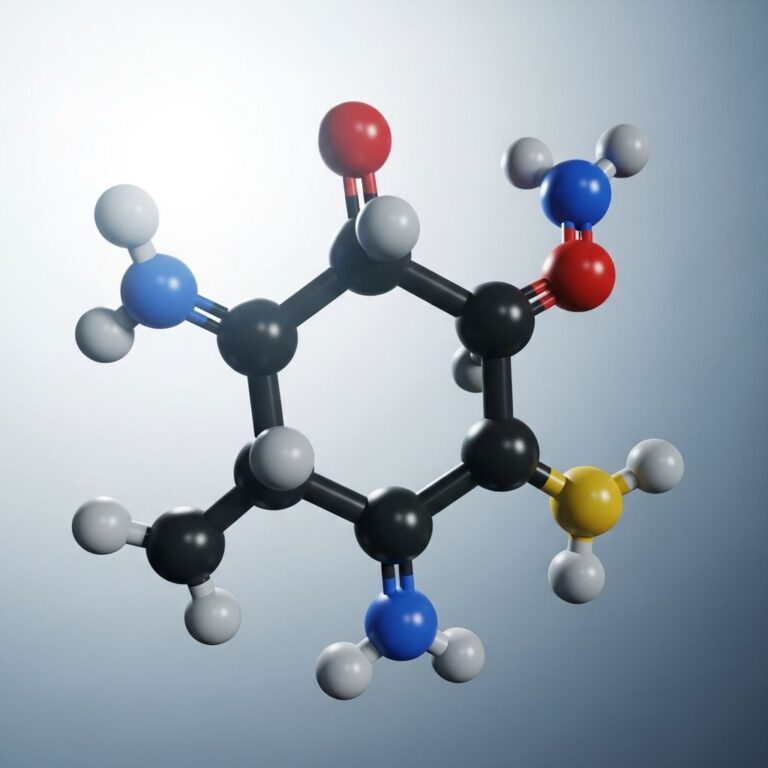
Ketosis is a natural metabolic state in which the body shifts from using glucose (from carbohydrates) as its primary fuel source to burning fat, producing molecules called ketones for energy. This process occurs when carbohydrate intake is drastically reduced, typically to under 50 grams per day, prompting the liver to convert fatty acids into ketones like beta-hydroxybutyrate, acetoacetate, and acetone.
Unlike pathological ketoacidosis, nutritional ketosis maintains safe ketone levels (0.5–3.0 mmol/L) without disrupting blood pH, offering potential benefits for weight management, insulin sensitivity, and chronic conditions. Achieving ketosis mimics fasting’s effects, promoting fat loss and metabolic flexibility, but requires careful monitoring to avoid side effects.
What Is Ketosis?
Ketosis occurs when low carbohydrate availability depletes glycogen stores, lowering insulin levels and triggering lipolysis—the breakdown of stored fat into fatty acids. The liver then transforms these into ketone bodies, which cross the blood-brain barrier to fuel the brain and other tissues.
This metabolic switch typically begins within 2–4 days of carb restriction, though full adaptation may take weeks. Ketone levels rise as the body prioritizes fat metabolism, distinguishing nutritional ketosis (physiological) from ketoacidosis (pathological, often in uncontrolled diabetes). Factors like exercise, fasting, or high-fat intake accelerate entry into this state.
4 Signs You’re in Ketosis
Entering ketosis produces noticeable symptoms as the body adapts. Common signs include:
- Increased thirst and frequent urination: Glycogen depletion releases bound water, causing diuresis and temporary dehydration.
- Reduced appetite: Ketones suppress hunger hormones like ghrelin, making calorie restriction easier.
- Fruity breath or metallic taste: Acetone, a ketone byproduct, is exhaled, creating a distinct odor.
- Fatigue or ‘keto flu’: Initial energy dips from electrolyte shifts and glucose withdrawal, resolving with adaptation.
These symptoms peak in the first week and subside as the body becomes fat-adapted, often accompanied by improved mental clarity and stable energy.
How to Test Ketone Levels at Home
Monitoring confirms ketosis. Optimal nutritional range: 0.5–3.0 mmol/L blood ketones.
| Method | How It Works | Pros | Cons | Accuracy |
|---|---|---|---|---|
| Blood ketone meter | Pricks finger for beta-hydroxybutyrate | Most precise; quantitative | Costly strips; invasive | Gold standard |
| Urine strips | Detects acetoacetate via color change | Cheap; easy | Inaccurate after adaptation; semi-quantitative | Low for ongoing use |
| Breath analyzers | Measures acetone in breath | Non-invasive; reusable | Less precise; affected by alcohol | Moderate |
Blood tests are recommended for reliability, especially for therapeutic applications like epilepsy or diabetes management.
Benefits of Ketosis
Ketosis offers evidence-based advantages:
- Weight loss: Enhances fat oxidation; studies show 2–5x more body fat loss vs. low-fat diets, preserving muscle.
- Blood sugar control: Lowers insulin and glucose; effective for type 2 diabetes remission in some.
- Improved insulin sensitivity: Reduces metabolic syndrome risks; benefits obesity and PCOS.
- Brain health: Ketones provide stable energy, potentially aiding epilepsy, Alzheimer’s, and mental clarity.
- Cardiovascular markers: Lowers triglycerides, blood pressure; mixed on LDL.
Long-term adherence yields sustained metabolic improvements, though individual responses vary.
Risks and Side Effects of Ketosis
While generally safe short-term, risks include:
- Keto flu: Headache, fatigue, nausea from electrolyte loss; mitigated by sodium, potassium, magnesium.
- Nutrient deficiencies: Limited fruits/veggies may lack fiber, vitamins; supplement as needed.
- Gout flare risk: Temporary uric acid rise competes with ketones for excretion.
- Kidney strain: High protein variants; contraindicated in certain disorders.
- Long-term concerns: Potential hepatic steatosis, bone loss; monitor with healthcare provider.
Related Stories



Type 1 diabetics risk ketoacidosis without insulin adjustments; avoid in pancreatitis, liver failure.
Ketosis vs. Ketoacidosis: Key Differences
| Aspect | Ketosis (Nutritional) | Ketoacidosis (Pathological) |
|---|---|---|
| Ketone Levels | 0.5–3.0 mmol/L | >10–20 mmol/L |
| Blood pH | Normal (7.35–7.45) | Acidotic (<7.3) |
| Glucose | Low-normal | Very high |
| Causes | Carb restriction | Insulin deficiency, illness |
| Symptoms | Mild, adaptive | Severe: vomiting, coma |
Nutritional ketosis is controlled and beneficial; ketoacidosis is a medical emergency.
How to Get Into Ketosis
- Restrict carbs: <20–50g net carbs/day; focus on veggies, avoid grains/sugars.
- Increase healthy fats: Avocado, olive oil, nuts, fatty fish (70–80% calories).
- Moderate protein: 15–20%; excess converts to glucose.
- Incorporate fasting: Intermittent fasting boosts ketones faster.
- Exercise: Depletes glycogen; combine HIIT with keto.
- Hydrate & electrolyte: 3–5g sodium, 1g potassium, 300mg magnesium daily.
Track intake via apps; expect 2–7 days to enter ketosis.
Ketogenic Diet Food List
What to Eat:
- Meats: Beef, chicken, pork, bacon
- Fish: Salmon, mackerel (omega-3s)
- Eggs & dairy: Cheese, butter, heavy cream
- Fats: Coconut oil, MCT oil, olive oil
- Low-carb veggies: Spinach, broccoli, cauliflower (<10g carbs/cup)
- Nuts/seeds: Almonds, chia (in moderation)
What to Avoid:
- Sugars: Soda, candy, desserts
- Grains: Bread, pasta, rice
- Starchy veggies: Potatoes, corn
- Fruits: Bananas, grapes (berries OK sparingly)
- Processed foods: Chips, trans fats
Types of Ketogenic Diets
| Type | Macros | Best For |
|---|---|---|
| Standard Keto (SKD) | 75% fat, 20% protein, 5% carbs | General weight loss |
| Cyclical Keto (CKD) | 5 keto days, 2 high-carb | Athletes |
| Targeted Keto (TKD) | Keto + carbs around workouts | Performance |
| High-Protein Keto | 60% fat, 35% protein, 5% carbs | Muscle building |
Choose based on goals; SKD suits beginners.
Frequently Asked Questions (FAQs)
Is ketosis safe long-term?
Yes for most healthy adults when nutrient-dense and monitored; consult a doctor for conditions like diabetes.
How long does it take to enter ketosis?
2–4 days with <50g carbs; faster with fasting/exercise.
Can ketosis cause muscle loss?
No, it preserves muscle better than low-fat diets; adequate protein key.
Does ketosis improve athletic performance?
Initially dips, then enhances endurance post-adaptation.
Who should avoid ketosis?
Pregnant/breastfeeding, eating disorders, certain metabolic diseases.
References
- Practical guidelines for addressing common questions and concerns about ketogenic therapies — Journal of Metabolic Health. 2023. https://journalofmetabolichealth.org/index.php/jmh/article/view/113/384
- The Ketogenic Diet: A Detailed Beginner’s Guide to Keto — Healthline. 2023-10-20. https://www.healthline.com/nutrition/ketogenic-diet-101
- The Ketogenic Diet: Clinical Applications, Evidence-based… — NCBI Bookshelf. 2023. https://www.ncbi.nlm.nih.gov/books/NBK499830/
- Pros and Cons of the Keto Diet — Northwestern Medicine. 2023. https://www.nm.org/healthbeat/healthy-tips/nutrition/pros-and-cons-of-ketogenic-diet
- Metabolic Effects of Ketogenic Diets and Their Utilization in Obesity Management — Cureus. 2023. https://www.cureus.com/articles/117114-metabolic-effects-of-ketogenic-diets-and-their-utilization-in-obesity-management-a-systematic-review
Similar Articles








Read full bio of medha deb