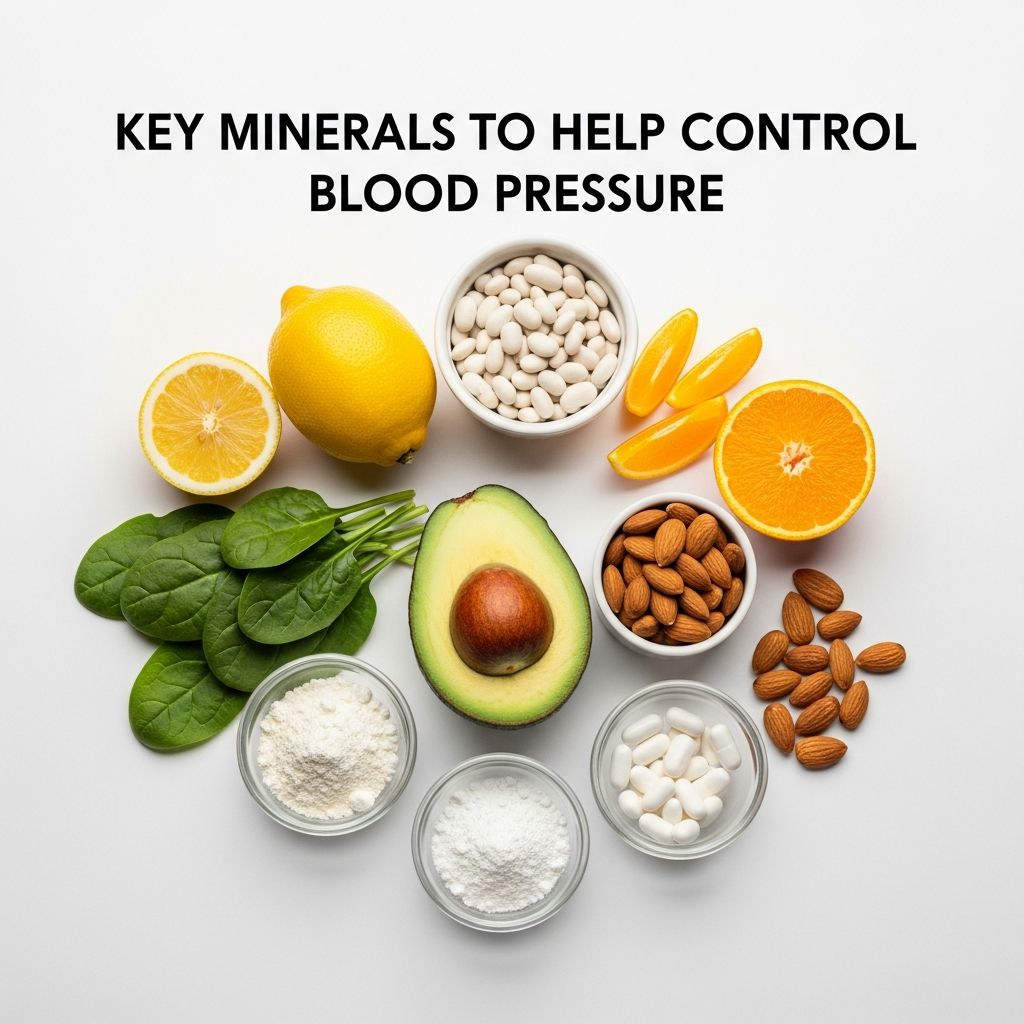
Key Minerals to Help Control Blood Pressure
Discover essential minerals that regulate blood pressure and support cardiovascular health naturally.
High blood pressure, also known as hypertension, remains one of the most significant health challenges facing millions of people worldwide. In 2024, approximately 1.4 billion adults globally struggled with high blood pressure, with nearly half of American adults affected by this condition. Despite its prevalence, only one in four people with hypertension have their condition under control, and many remain unaware they have it. The implications of unmanaged blood pressure are serious—it is a major risk factor for stroke, heart disease, kidney disease, and even cognitive decline.
While medications play an important role in managing hypertension, an often-overlooked approach involves the minerals we consume through our diet. Specific minerals act as natural regulators of blood pressure, helping to dilate blood vessels, manage fluid balance, and support overall cardiovascular function. Understanding which minerals are most critical and how to incorporate them into your daily diet can significantly impact your ability to maintain healthy blood pressure levels naturally.
Understanding Blood Pressure and Mineral Balance
Blood pressure is determined by the force exerted by blood against artery walls as the heart pumps it throughout the body. This force is influenced by numerous factors, including the elasticity of blood vessels, the volume of blood circulating, and the mineral content within cells. Minerals serve as essential regulators of these factors, making mineral balance crucial for blood pressure management.
The relationship between minerals and blood pressure is complex and interconnected. Certain minerals work synergistically to promote vasodilation (the widening of blood vessels), reduce blood volume when needed, and support the nervous system’s regulation of heart rate and vessel tone. Without adequate mineral intake, the body’s natural blood pressure regulation mechanisms become compromised, leading to elevated readings and increased cardiovascular risk.
Potassium: The Premier Blood Pressure Regulator
Potassium stands as one of the most important minerals for blood pressure control. This essential electrolyte works by counteracting the effects of sodium and reducing tension in blood vessel walls. When you consume adequate potassium, it helps your kidneys excrete excess sodium through urine, which in turn reduces blood volume and decreases pressure on artery walls.
Recent research emphasizes the importance of maintaining a healthy potassium-to-sodium ratio. A 2025 study from the University of Waterloo found that increasing the ratio of dietary potassium to sodium intake may be more effective for lowering blood pressure than simply reducing sodium intake alone. The researchers concluded that adding potassium-rich foods to your diet might have a greater positive impact on blood pressure than just cutting sodium.
Excellent sources of potassium include:
- Bananas—approximately 358 mg per medium banana
- Broccoli—rich in potassium and other heart-healthy compounds
- Sweet potatoes—providing substantial potassium content
- Spinach and other leafy greens—nutrient-dense options
- Avocados—offering both potassium and healthy fats
- Beans and legumes—excellent plant-based sources
- Fish such as salmon—combining potassium with omega-3 fatty acids
For most adults, consuming 3,500 to 4,700 mg of potassium daily is recommended, though individual needs may vary based on kidney function and medications. Consulting with a healthcare provider about appropriate potassium intake is essential, particularly if you take certain blood pressure medications.
Magnesium: Supporting Vascular Function
Magnesium plays a vital role in blood pressure regulation by promoting relaxation of blood vessel muscles. This mineral acts as a natural calcium channel blocker, allowing blood vessels to dilate and reducing peripheral resistance to blood flow. When magnesium levels are insufficient, blood vessels become more constricted, and blood pressure rises.
Related Stories



Beyond its direct effects on blood vessel function, magnesium contributes to overall cardiovascular health by supporting proper heart rhythm, reducing inflammation, and helping regulate the nervous system’s response to stress. Chronic stress is a significant contributor to elevated blood pressure, and magnesium’s calming effects can help mitigate this risk factor.
Rich sources of magnesium include:
- Dark leafy greens like spinach and kale
- Nuts and seeds—almonds, pumpkin seeds, sunflower seeds
- Whole grains—particularly oats and brown rice
- Legumes—beans, lentils, chickpeas
- Dark chocolate—70% cocoa or higher contains significant magnesium
- Fish and seafood—especially mackerel and halibut
- Avocados—combining multiple beneficial minerals
The recommended daily intake of magnesium is 310-420 mg for adults, depending on age and sex. Many people fall short of this target, making deliberate dietary choices essential for achieving optimal intake.
Calcium: Building Cardiovascular Strength
While often associated with bone health, calcium plays an equally important role in cardiovascular regulation and blood pressure control. This mineral helps maintain the structural integrity of blood vessels and supports the nervous system’s regulation of heart contractions and vascular tone. Adequate calcium intake has been associated with lower blood pressure readings in numerous studies.
Calcium works in concert with magnesium to regulate vascular function. The two minerals must be balanced appropriately—too much calcium relative to magnesium can actually impair vascular function, while appropriate ratios support optimal cardiovascular health.
Quality sources of calcium include:
- Dairy products—milk, yogurt, cheese (choose low-fat options)
- Fortified plant-based milk alternatives—soy, almond, oat milk
- Leafy greens—collard greens, kale, bok choy
- Fortified orange juice—convenient calcium supplementation
- Tofu—particularly calcium-set varieties
- Sardines and salmon—when consumed with bones
- Almonds and tahini—plant-based calcium sources
Adults should aim for 1,000-1,200 mg of calcium daily from food sources when possible, supplementing only when dietary intake is insufficient.
Sodium: Finding the Right Balance
Unlike the minerals discussed above, sodium’s relationship with blood pressure is inverse—excessive sodium intake typically elevates blood pressure. Sodium increases blood volume by promoting water retention, which places additional strain on blood vessel walls. However, sodium is not inherently harmful; the body requires a small amount for proper nerve and muscle function.
The challenge lies in moderating intake, as most processed foods contain far more sodium than necessary. The American Heart Association recommends limiting sodium to 2,300 mg daily, with an ideal target of 1,500 mg for most adults. Practical strategies include:
- Cooking meals at home using fresh ingredients
- Reading food labels and choosing low-sodium options
- Limiting processed and packaged foods
- Using herbs and spices for flavoring instead of salt
- Gradually reducing salt intake to allow taste preferences to adapt
Synergistic Mineral Effects and Food Combinations
The most effective approach to blood pressure management through diet involves consuming foods that provide multiple beneficial minerals in balanced proportions. Certain foods naturally combine these essential minerals, making them particularly valuable additions to a heart-healthy diet.
Dark chocolate with 70% cocoa content or higher exemplifies this synergy. It contains magnesium and flavanols, compounds that lower blood pressure by boosting nitric oxide production. A 2010 meta-analysis of clinical studies confirmed that flavanol-rich cocoa products modestly reduce blood pressure in adults with hypertension. Consuming a small square of high-quality dark chocolate daily can provide benefits without excessive calorie or sugar intake.
Beetroot represents another excellent choice, as it contains organic nitrates that the body converts into nitric oxide, a molecule that dilates blood vessels and improves blood flow. Adding beetroot to smoothies or salads provides this benefit alongside other nutrients.
Pomegranates have demonstrated impressive blood pressure-lowering effects through studies showing reductions in angiotensin-converting enzyme (ACE) levels. Both fresh pomegranate seeds and pomegranate juice offer benefits for both short-term and long-term blood pressure management.
Ginger, loaded with natural calcium channel blockers, helps relax blood vessels and lower blood pressure while improving overall cardiovascular health. Fresh or powdered ginger can be incorporated into smoothies, noodles, teas, and stir-fries.
Creating a Mineral-Rich Daily Diet
Incorporating mineral-rich foods into your daily diet doesn’t require dramatic dietary changes. Simple swaps and mindful additions can significantly improve your mineral intake:
Breakfast Options: Start your day with a bowl of oatmeal topped with sliced banana and almonds, providing potassium, magnesium, and fiber. Alternatively, enjoy Greek yogurt with berries and a sprinkle of pumpkin seeds for calcium, magnesium, and potassium.
Lunch Suggestions: A spinach salad with chickpeas, tomatoes, and olive oil offers multiple beneficial minerals. Or prepare a salmon sandwich on whole grain bread, combining calcium-rich seeds with omega-3 fatty acids and potassium.
Dinner Ideas: Roasted broccoli with sweet potato and grilled fish provides a mineral-comprehensive meal. Add a side of leafy greens sautéed with garlic for additional magnesium and calcium.
Snacks and Treats: Instead of processed snacks, choose almonds, sunflower seeds, or a square of dark chocolate. These satisfy cravings while delivering beneficial minerals.
Frequently Asked Questions
Q: Can mineral-rich foods replace blood pressure medications?
A: No. While minerals support natural blood pressure regulation and can complement medical treatment, they are not substitutes for prescribed medications. Always consult your healthcare provider before making changes to your treatment plan.
Q: How quickly will I see results from dietary mineral changes?
A: Some people notice improvements within weeks, though significant changes typically require 2-3 months of consistent dietary modifications. Individual responses vary based on genetics, current blood pressure levels, and overall lifestyle factors.
Q: Is it possible to consume too much potassium?
A: Yes. Excessive potassium can be harmful, particularly for people with kidney disease or those taking certain medications. This is why consulting a healthcare provider about appropriate potassium intake is crucial, especially if you have underlying health conditions.
Q: Should I take mineral supplements instead of focusing on food sources?
A: Food sources are generally preferable because they provide minerals in bioavailable forms alongside other beneficial compounds like fiber, antioxidants, and phytonutrients. Supplements may be necessary in specific cases, but this should be determined by your healthcare provider.
Q: Can I achieve healthy blood pressure through diet alone?
A: Diet is a powerful tool for blood pressure management, but comprehensive approaches also include regular physical activity, stress management, adequate sleep, and, when necessary, medication. Combine dietary improvements with other lifestyle modifications for optimal results.
Q: Are there foods I should avoid to maintain healthy blood pressure?
A: Limit processed foods high in sodium, refined carbohydrates, and added sugars. Reduce alcohol consumption and minimize saturated fats. Focus instead on whole foods, plant-based options, and lean proteins.
Conclusion
Managing blood pressure through mineral-rich foods represents a scientifically-supported, natural approach to cardiovascular health. By emphasizing potassium, magnesium, and calcium while moderating sodium intake, you provide your body with the essential tools it needs to regulate blood pressure effectively. The foods that support these minerals—from leafy greens and legumes to fish and dark chocolate—are not only beneficial but enjoyable additions to a sustainable, heart-healthy diet.
Remember that dietary changes work best as part of a comprehensive approach to health that includes regular physical activity, stress management, adequate sleep, and appropriate medical treatment when prescribed. Start by making small, sustainable changes to your current diet, gradually introducing more mineral-rich foods until they become habitual. Your cardiovascular system will thank you for the investment in your long-term health and vitality.
References
- High blood pressure: 5 foods approved by a Harvard doctor to lower blood pressure naturally — Times of India. 2024. https://timesofindia.indiatimes.com/life-style/health-fitness/health-news/high-blood-pressure-5-foods-approved-by-a-harvard-doctor-to-lower-blood-pressure-naturally/
- Potassium-to-sodium ratio and blood pressure reduction — University of Waterloo. 2025. Research on dietary potassium and sodium balance for hypertension management.
- Flavanol-rich cocoa and blood pressure: A meta-analysis — Published meta-analysis of clinical trials. 2010. Demonstrating the cardiovascular benefits of dark chocolate consumption in hypertensive adults.
- Blood pressure statistics — World Health Organization (WHO) and U.S. Food & Drug Administration. 2024. Global and national data on hypertension prevalence and management.
- Angiotensin-converting enzyme inhibition by pomegranate — Cardiovascular research studies. Evidence supporting pomegranate juice benefits for blood pressure reduction in short and long-term applications.
Similar Articles








Read full bio of Sneha Tete