Kidney Beans Benefits: 10 Reasons To Add Them To Your Diet
Discover the impressive health benefits of kidney beans, from blood sugar control to heart health and weight management.
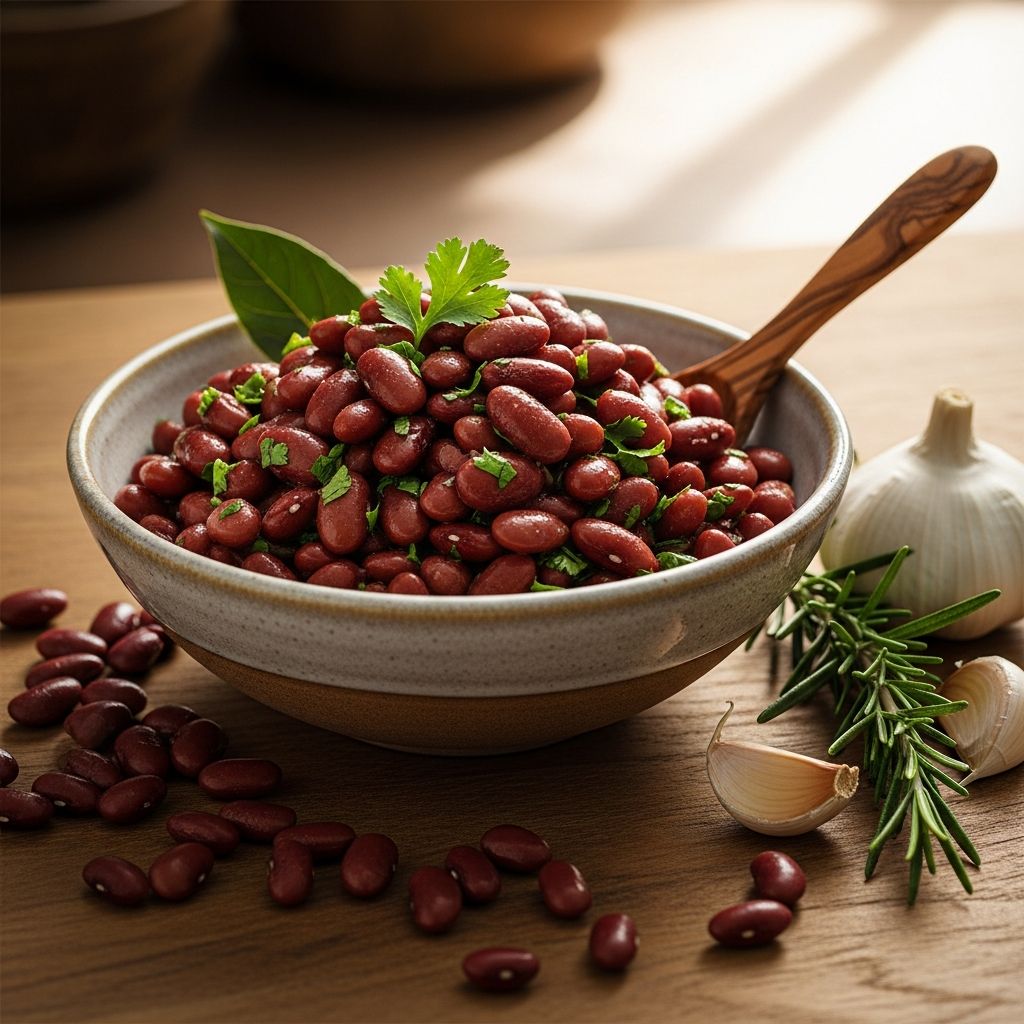
Kidney beans, named for their distinctive bean-shaped pods resembling human kidneys, are a versatile legume celebrated for their rich nutritional profile and wide-ranging health advantages. These deep red beans are staples in cuisines worldwide, from hearty chilis to refreshing salads, offering a powerhouse of plant-based protein, fiber, vitamins, and minerals that contribute to overall wellness.
Boiled kidney beans provide approximately 9 grams of protein per 100 grams, making them an excellent choice for vegetarians and vegans seeking high-quality plant protein. Their high fiber content, including resistant starch, supports digestive health, stabilizes blood sugar levels, and promotes satiety for effective weight management. Additionally, kidney beans are low in fat and deliver essential nutrients like folate, iron, molybdenum, and potassium, which bolster heart health, anemia prevention, and metabolic function.
What Are Kidney Beans?
Kidney beans (Phaseolus vulgaris) belong to the legume family, alongside lentils, chickpeas, and other beans. Originating from Central and South America, they have been cultivated for thousands of years and are now grown globally. Available dried or canned, kidney beans feature a firm texture and mild, earthy flavor that absorbs seasonings beautifully.
Nutritionally, a 1-cup (177g) serving of cooked kidney beans delivers about 225 calories, 15g of protein, 13g of fiber, and minimal fat. They rank low on the glycemic index (GI around 23-29), meaning they cause a gradual rise in blood sugar, which is particularly beneficial for diabetes management. Key plant compounds include antioxidants like anthocyanins, responsible for their red hue, and lectins that may offer immune-boosting and anti-cancer properties when properly prepared.
Nutrition Facts of Kidney Beans
Kidney beans are nutrient-dense, providing a broad spectrum of macronutrients and micronutrients. Here’s a breakdown of key nutrients in 1 cup (177g) of boiled kidney beans:
| Nutrient | Amount | % Daily Value* |
|---|---|---|
| Calories | 225 | 11% |
| Protein | 15g | 30% |
| Carbohydrates | 40g | 15% |
| Dietary Fiber | 13g | 46% |
| Folate (B9) | 230mcg | 58% |
| Iron | 5.2mg | 29% |
| Potassium | 717mg | 15% |
| Magnesium | 74mg | 18% |
| Manganese | 0.9mg | 39% |
| *Based on a 2,000-calorie diet. Source: USDA data via Healthline | ||
This profile positions kidney beans as a superior source of plant-based nutrition, outperforming many grains and meats in fiber and mineral density while remaining affordable and accessible.
Health Benefits of Kidney Beans
1. Packed With Protein
Kidney beans offer nearly 9g of protein per 100g serving, comprising 27% of their calories. While plant proteins are incomplete, combining kidney beans with grains like rice yields a complete amino acid profile comparable to animal sources. This makes them ideal for muscle maintenance, satiety, and supporting active lifestyles without the saturated fats found in meats.
2. Excellent Source of Fiber
With 13g of fiber per cup—including soluble fiber and resistant starch—kidney beans promote gut health by feeding beneficial bacteria, producing short-chain fatty acids (SCFAs) like butyrate. These SCFAs reduce inflammation, strengthen the gut barrier, and lower colon cancer risk. Studies show bean consumption increases butyrate levels ninefold, enhancing colonocyte health.
3. Help You Lose Weight
The protein-fiber duo in kidney beans induces fullness, reducing overall calorie intake. A review of 11 studies linked bean intake to modest weight loss, attributing it to antinutrients like starch blockers that slow carb digestion. Rats fed black beans (similar to kidney) showed 28% body fat reduction and improved insulin signaling.
Related Stories



4. Control Blood Sugar Levels
Kidney beans’ low GI and resistant starch prevent blood sugar spikes, making them superior to many carbs for type 2 diabetes management. Observational data links bean consumption to lower diabetes risk, with one study showing HbA1c reductions of 0.5% from 1 cup daily.
5. Packed With Resistant Starch and Other Plant Compounds
Resistant starch ferments into SCFAs, supporting gut integrity and reducing LPS-induced inflammation. Anthocyanins provide antioxidant protection, while lectins like phytohemagglutinin (PHA) show promise in cancer and viral treatments.
6. Promote Regularity and Gut Health
High fiber content prevents constipation and fosters a diverse microbiome. Bean-fed animals exhibit higher butyrate producers and lower NF-κB inflammation markers.
7. May Protect Against Certain Cancers
SCFAs from beans inhibit colon tumor growth; studies report 44-75% lower adenocarcinoma incidence in bean-fed rats.
8. Help Lower Cholesterol Levels
Soluble fiber binds bile acids, reducing LDL cholesterol. Replacing meat with beans lowers total cholesterol by 8mg/dL.
9. Good for Your Heart
Potassium, fiber, and antioxidants combat hypertension and dyslipidemia. Bean diets improve endothelial function, boosting nitric oxide by 57% and reducing TNFα by 94%.
10. Beneficial for People With Kidney Disease
Low-fat, high-fiber beans suit kidney diets, providing protein and potassium safely for dialysis patients. Consult a dietitian for oxalate considerations in stone formers.
Potential Downsides of Kidney Beans
Raw kidney beans contain phytohaemagglutinin toxin, causing nausea and vomiting. Always boil for 10+ minutes to neutralize it. High purines may affect gout sufferers, and FODMAPs can cause bloating in sensitive individuals—introduce gradually.
How to Prepare Kidney Beans Safely
- Soak dried beans overnight, discard water, and boil vigorously for 10-30 minutes.
- Rinse canned beans thoroughly to reduce sodium.
- Sprout or pressure cook for enhanced digestibility.
Healthy Kidney Bean Recipes
- Classic Chili: Sauté onions, garlic, tomatoes; add 2 cups beans, spices, simmer 30 minutes.
- Bean Salad: Mix beans with cucumber, feta, olive oil vinaigrette.
- Bean Burgers: Mash beans with oats, spices; grill patties.
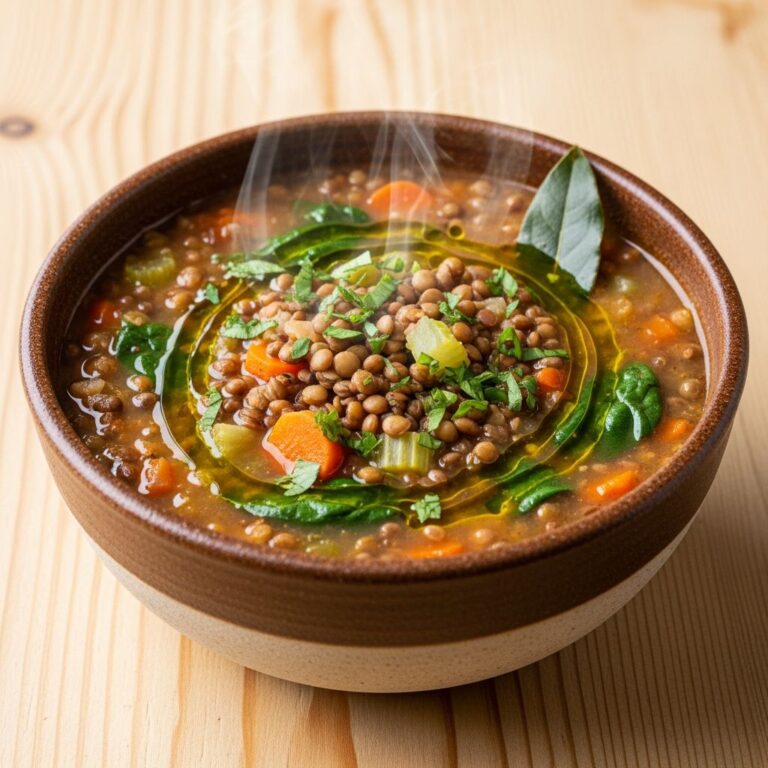
- Soup: Blend with veggies, herbs for creamy texture.
Incorporate ½-1 cup daily for benefits.
Frequently Asked Questions (FAQs)
Are kidney beans good for you?
Yes, kidney beans are highly nutritious, supporting weight loss, blood sugar control, heart health, and gut wellness when properly cooked.
Can you eat kidney beans every day?
Yes, ½-1 cup daily is safe and beneficial for most, aiding chronic disease prevention.
Do kidney beans cause gas?
They can due to oligosaccharides; soaking and rinsing minimize this.
Are canned kidney beans healthy?
Yes, low-sodium varieties are convenient and retain most nutrients; rinse to cut sodium by 40%.
Can kidney beans help with diabetes?
Absolutely—their low GI and fiber improve glycemic control and reduce HbA1c.
References
- Kidney Beans 101: Nutrition Facts and Health Benefits — Healthline, Atli Arnarson BSc, PhD. 2023-10-30. https://www.healthline.com/nutrition/foods/kidney-beans
- Health Benefits of Plant-Based Nutrition: Focus on Beans in Cardiometabolic Disease — PMC (NIH). 2021-02-23. https://pmc.ncbi.nlm.nih.gov/articles/PMC7915747/
- Beans — National Kidney Foundation. 2023-01-02. https://www.kidney.org/kidney-topics/beans
- Why beans are nature’s perfect food — UCLA Health. N/A. https://www.uclahealth.org/news/article/why-beans-are-natures-perfect-food
Similar Articles








Read full bio of Sneha Tete