Kidney Blood Tests: 4 Key Markers Explained
Comprehensive guide to understanding kidney function blood tests, from eGFR calculations to interpreting results for better health management.
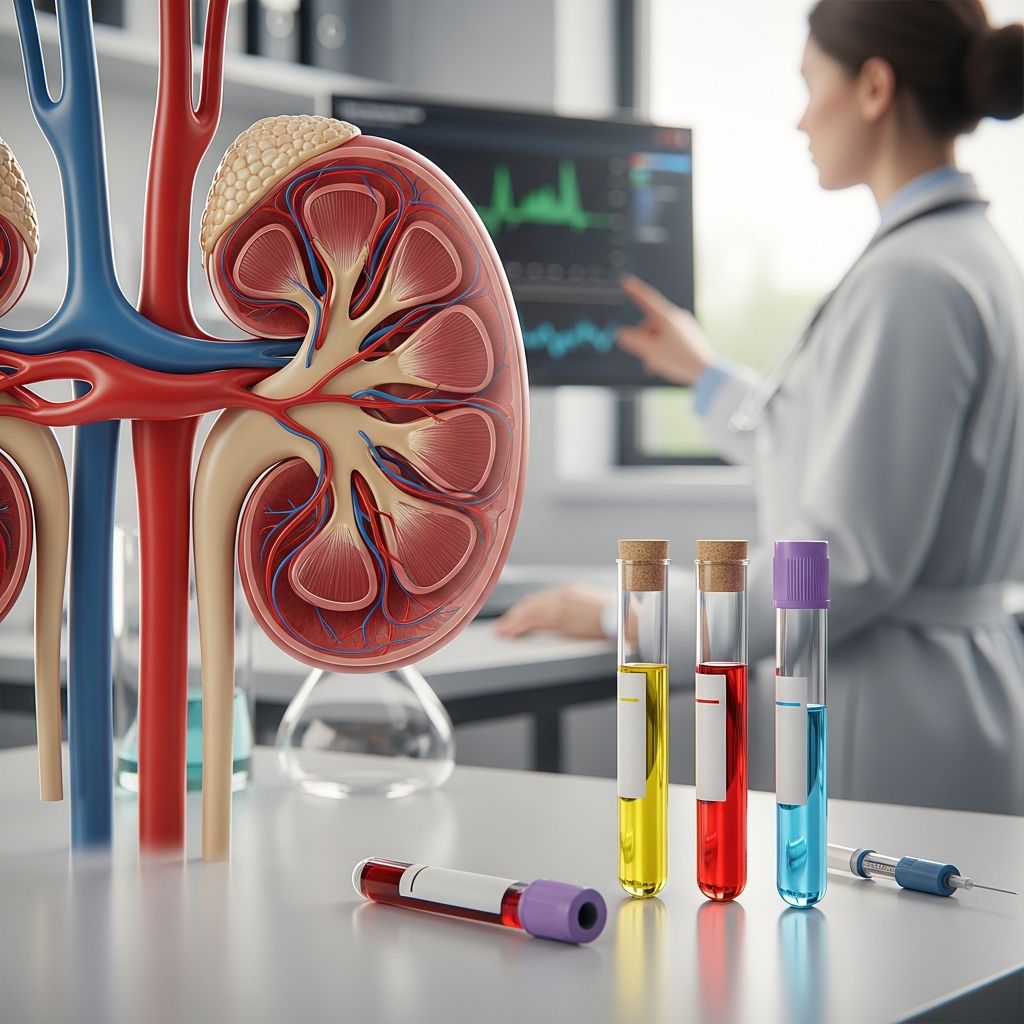
Kidney blood tests provide critical insights into renal health by measuring waste products, electrolytes, and filtration efficiency. These assessments help detect early signs of impairment, monitor chronic conditions, and guide treatment decisions.
The Vital Role of Kidneys in Body Balance
Kidneys are bean-shaped organs positioned near the spine that filter approximately 150-200 liters of blood daily, removing toxins while regulating fluids, electrolytes, and blood pressure. They produce urine to excrete waste and maintain homeostasis. When function declines, waste accumulates, leading to fatigue, swelling, and severe complications like heart disease.
Primary functions include:
- Filtering blood to eliminate urea, creatinine, and excess minerals.
- Balancing sodium, potassium, and bicarbonate levels.
- Activating vitamin D for bone health.
- Producing hormones like erythropoietin for red blood cell production.
Core Components of Kidney Function Panels
A standard kidney panel analyzes several blood markers. Creatinine, a muscle metabolism byproduct, is central; healthy kidneys clear it efficiently. Elevated levels signal reduced filtration.
Urea, or blood urea nitrogen (BUN), reflects protein breakdown. High BUN can indicate dehydration or poor kidney clearance, though diet influences it.
Electrolytes—sodium, potassium, chloride, bicarbonate—ensure nerve function and pH balance. Imbalances often accompany renal issues.
Understanding Estimated Glomerular Filtration Rate (eGFR)
eGFR estimates filtration speed using creatinine, age, sex, and body size. It’s expressed in ml/min/1.73m². Normal is above 90; below 60 suggests chronic kidney disease (CKD).
| eGFR Range | Kidney Function Stage | Implications |
|---|---|---|
| 90+ | Normal | Optimal filtration; routine monitoring if risks present. |
| 60-89 | Mildly reduced | Possible early damage; check with urine tests. |
| 30-59 | Moderate | CKD stage 3; lifestyle changes and meds needed. |
| 15-29 | Severe | CKD stage 4; prepare for dialysis/transplant. |
| <15 | Kidney failure | Dialysis or transplant required. |
When Doctors Recommend These Tests
Testing occurs for at-risk individuals:
- Diabetes or hypertension patients.
- Family history of renal disease.
- Medication use affecting kidneys (e.g., NSAIDs).
- Symptoms like edema, fatigue, or urination changes.
- Recent dehydration from illness.
Routine screening benefits high-risk groups annually.
Decoding Abnormal Results
High creatinine (>1.2 mg/dL women, >1.4 mg/dL men) or urea suggests filtration issues, dehydration, or obstruction. Low eGFR correlates with CKD progression.
Electrolyte shifts—high potassium (hyperkalemia)—risk heart arrhythmias. Low bicarbonate indicates acidosis.
Results aren’t standalone; doctors combine with urine albumin-creatinine ratio (ACR) for accuracy. ACR >30 mg/g flags damage.
Preparing for Your Blood Draw
Follow fasting if instructed, stay hydrated, and list medications. Tests are quick via venipuncture; results arrive in days.
Avoid high-protein meals pre-test to prevent urea spikes.
Complementary Diagnostic Tools
Blood tests pair with:
- Urine ACR: Detects protein leakage (normal <30 mg/g).
- Imaging: Ultrasound reveals structural issues.
- Biopsy: For precise diagnosis in advanced cases.
uACR ≥300 mg/g heightens cardiovascular risks.
Lifestyle Strategies to Support Kidney Health
Post-test, adopt habits like blood pressure control (<130/80 mmHg), diabetes management, low-sodium diets, and exercise. Quit smoking and limit alcohol.
Monitor weight; obesity strains kidneys. Hydrate adequately but consult for fluid restrictions in advanced CKD.
Progression of Chronic Kidney Disease
CKD advances silently through five stages based on eGFR:
- Stage 1: eGFR ≥90 with damage evidence.
- Stage 2: 60-89 with markers.
- Stage 3: 30-59, symptoms emerge.
- Stage 4: 15-29, complications rise.
- Stage 5: <15, end-stage renal disease.
Related Stories



Early intervention slows progression.
Special Considerations for Vulnerable Groups
Pregnant individuals, athletes, or elderly may have atypical creatinine due to physiology. eGFR adjusts for these, but additional tests confirm.
FAQs on Kidney Function Blood Tests
What if my eGFR is slightly low?
A value 60-89 without other signs may be normal; retest and monitor risks.
Can diet affect results?
Yes, high protein elevates BUN/creatinine temporarily.
How often should I test?
Annually for risks; more if diagnosed.
Is eGFR always accurate?
Reliable for most, but less so in extremes like very muscular builds.
What follows abnormal findings?
Further tests, lifestyle advice, or specialist referral.
Empowering Patients with Knowledge
Understanding results fosters proactive health. Discuss with providers for personalized plans. Early detection via blood tests prevents irreversible damage.
References
- Chronic kidney disease – Diagnosis – NHS — NHS. 2023. https://www.nhs.uk/conditions/kidney-disease/diagnosis/
- Kidney function blood tests – Healthdirect — Healthdirect. 2024. https://www.healthdirect.gov.au/kidney-function-tests
- Testing for Chronic Kidney Disease – CDC — CDC. 2023. https://www.cdc.gov/kidney-disease/testing/index.html
- Understanding blood test results UK | EGFR & creatinine blood tests — Kidney Research UK. 2023. https://www.kidneyresearchuk.org/kidney-health-information/living-with-kidney-disease/how-can-i-help-myself/understanding-test-results/
- Creatinine test – Mayo Clinic — Mayo Clinic. 2024-02-21. https://www.mayoclinic.org/tests-procedures/creatinine-test/about/pac-20384646
- Blood test: eGFR (estimated glomerular filtration rate) — American Kidney Fund. 2023. https://www.kidneyfund.org/all-about-kidneys/tests/blood-test-egfr
- Kidney Health 101: Making Sense of Kidney Tests and Lab Results — National Kidney Foundation. 2023. https://www.kidney.org/news-stories/kidney-health-101-making-sense-kidney-tests-and-lab-results
Similar Articles








Read full bio of medha deb