Kidney Disease: High and Moderate Potassium Foods
Navigate potassium intake with CKD: Learn which foods to limit and smart dietary choices.
Understanding Potassium and Kidney Disease
Potassium is a vital mineral that plays a crucial role in maintaining heart rhythm, muscle function, and fluid balance in the body. However, for individuals with chronic kidney disease (CKD), managing potassium intake becomes essential. When kidneys are not functioning optimally, they cannot filter out excess potassium efficiently, leading to dangerously high levels in the bloodstream, a condition known as hyperkalemia. This can result in serious complications including irregular heartbeat and muscle weakness.
Understanding which foods contain high and moderate levels of potassium is fundamental for anyone managing CKD. By making informed dietary choices, individuals can help maintain healthy potassium levels and reduce the risk of complications.
High-Potassium Fruits to Limit
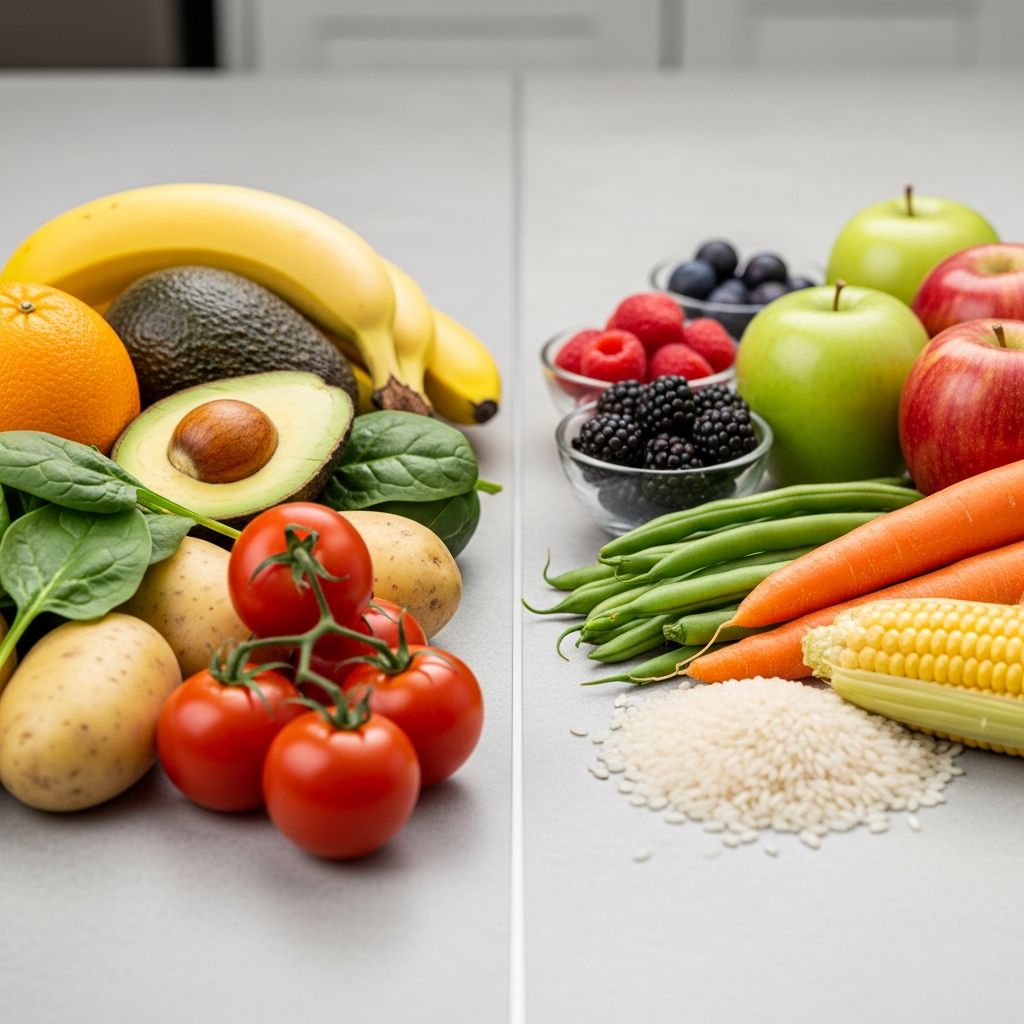
Certain fruits are naturally rich in potassium and should be limited or avoided by individuals with kidney disease. These fruits can quickly raise potassium levels and should be consumed only under the guidance of a healthcare provider or registered dietitian.
High-potassium fruits include:
- Apricots (raw, 2 medium-sized, or dried, 5 halves)
- Avocados (1/4 of a whole)
- Bananas (1/2 of a whole)
- Cantaloupe
- Dates (5 whole)
- Dried figs
- Dried fruits in general
- Grapefruit juice
- Honeydew melon
- Kiwi (1 medium-sized)
- Mangoes (1 medium-sized)
- Nectarines (1 medium-sized)
- Oranges and orange juice (1 medium-sized)
- Papayas (1/2 of a whole)
- Pomegranates and pomegranate juice
- Prunes and prune juice
- Raisins
While these fruits offer excellent nutritional benefits including vitamins and fiber, individuals with CKD should work closely with their medical team to determine appropriate portions or whether to avoid them entirely.
Low-Potassium Fruit Alternatives
The good news is that numerous delicious fruits remain safe for individuals with kidney disease when consumed in appropriate portions. These lower-potassium options provide vitamins and natural sweetness without excessive potassium content.
Recommended low-potassium fruits include:
- Apples (1 medium-sized)
- Applesauce and apple juice
- Apricots (canned in juice)
- Blackberries
- Blueberries
- Cherries
- Cranberries and cranberry sauce
- Fruit cocktail
- Grapes and grape juice
- Grapefruit (1/2 of a whole)
- Mandarin oranges
- Peaches (raw, 1 small, or canned, 1/2 cup)
- Pears (raw, 1 small, or canned, 1/2 cup)
- Pineapple and pineapple juice
- Plums (1 whole)
- Raspberries
- Strawberries
- Tangerines
- Watermelon (limit to 1 cup)
These fruits can be enjoyed regularly as part of a kidney-friendly diet, making them excellent choices for those managing potassium intake.
High-Potassium Vegetables to Avoid
Vegetables are nutritionally dense foods, but several varieties contain elevated potassium levels that require careful monitoring or avoidance. These include both common and less familiar vegetables that individuals with CKD should be aware of.
High-potassium vegetables to limit:
- Acorn squash
- Artichokes
- Beans (baked, black, dried, or refried)
- Butternut squash
- Beets
- Broccoli (cooked)
- Brussels sprouts
- Carrots (raw)
- Chinese cabbage
- Greens (except kale)
- Hubbard squash
- Kohlrabi
- Lentils
- Legumes in general
- White mushrooms (cooked)
- Okra
- Parsnips
- Peas (dried)
- Potatoes (white and sweet)
- Pumpkin
- Rutabagas
- Seaweed
- Spinach (cooked)
- Tomatoes and tomato products
- Vegetable juices
It’s particularly important to note that potatoes and tomato-based products are common staples that many people consume regularly, making them significant sources of dietary potassium for those with kidney disease.
Related Stories



Low-Potassium Vegetable Choices
Despite the restrictions on certain vegetables, individuals with CKD can enjoy a wide variety of lower-potassium options that provide essential nutrients and fiber.
Safe vegetable choices include:
- Alfalfa sprouts
- Asparagus (raw, 6 spears)
- Beans (green or wax)
- Broccoli (raw)
- Cabbage (green or red)
- Cauliflower
- Celery (1 stalk)
- Corn (fresh, 1/2 ear, or frozen, 1/2 cup)
- Cucumber
- Eggplant
- Kale
- Lettuce (all varieties)
- Mixed vegetables
- White mushrooms (raw)
- Onions
- Parsley
- Peas (green)
- Peppers
- Radish
- Rhubarb
- Water chestnuts (canned)
- Watercress
- Yellow squash
- Zucchini squash
These vegetables can form the foundation of a kidney-friendly diet, providing variety, nutrition, and satisfaction without excessive potassium content.
High-Potassium Proteins and Other Foods
Beyond fruits and vegetables, certain protein sources and other food categories contain significant potassium levels and should be limited or monitored carefully.
High-potassium protein and other foods include:
- Beef (3 ounces)
- Bran and bran products
- Chicken (3 ounces)
- Chocolate (1.5-2 ounces)
- Granola
- Milk (all types, 1 cup)
- Molasses (1 tablespoon)
- Nuts and seeds (1 ounce)
- Peanut butter (2 tablespoons)
- Salmon (3 ounces)
- Salt substitutes and lite salt
- Salt-free broth
- Yogurt
- Wheat germ
Notably, salt substitutes—often marketed as healthier alternatives to regular salt—typically contain potassium and should be avoided by individuals with kidney disease. Regular consultation with healthcare providers about specific portion sizes and frequency of consumption of these items is essential.
Kidney-Friendly Protein and Food Options
Individuals with CKD can still enjoy a variety of protein sources and other foods that are lower in potassium, allowing for adequate nutrition and meal satisfaction.
Recommended lower-potassium options include:
- Bread and bread products (not whole grains)
- Cake (yellow or angel)
- Coffee (limit to 8 ounces)
- Pie (without chocolate or high-potassium fruit)
- Cookies (without nuts or chocolate)
- Noodles
- Pasta
- Rice
- Tea (limit to 16 ounces)
When selecting protein sources, opt for smaller portions of lean meats and consult your healthcare provider about the best options for your specific situation.
Understanding Potassium Content in Specific Foods
Some foods contain moderate levels of potassium, meaning they can be consumed in controlled portions. Understanding the actual potassium content helps individuals make more precise dietary decisions.
For example, a medium banana contains approximately 519 mg of potassium, while a baked potato (1/2 medium) contains about 583 mg. In contrast, a medium apple contains significantly less potassium, making it a safer choice for frequent consumption. Similarly, canned fruit packed in juice typically contains less potassium than fresh or dried varieties because the potassium leaches into the liquid during processing.
Practical Strategies for Managing Potassium Intake
Beyond simply avoiding high-potassium foods, several practical strategies can help individuals with CKD better manage their potassium consumption.
Key strategies include:
- Portion Control: Even lower-potassium foods can contribute excessive potassium if consumed in large quantities. Careful attention to serving sizes is crucial.
- Cooking Methods: Boiling potatoes and then discarding the water can reduce potassium content by leaching it into the cooking liquid. However, other cooking methods may concentrate potassium.
- Draining Canned Fruits: Draining juice from canned fruit reduces potassium content, making these options safer than fresh equivalents.
- Beverage Selection: Coffee and black tea contain higher potassium levels, so limiting consumption to recommended amounts is important.
- Seasoning Choices: Use fresh spices and herbs instead of salt substitutes, which typically contain potassium chloride.
- Reading Labels: Check ingredient lists for potassium chloride and other potassium-containing additives.
Working with Healthcare Providers
Individual potassium needs vary based on kidney function stage, medications, and other health conditions. A registered dietitian specializing in renal nutrition can provide personalized recommendations tailored to specific needs and preferences. Regular blood tests can help monitor potassium levels and guide dietary adjustments.
The Academy of Nutrition and Dietetics recommends that individuals with CKD consult with qualified healthcare professionals before making significant dietary changes, particularly regarding potassium restriction.
Frequently Asked Questions
Q: Can I ever consume high-potassium foods if I have kidney disease?
A: In some cases, small portions of high-potassium foods may be acceptable depending on your kidney function stage and overall potassium levels. This should only be determined by your nephrologist or registered dietitian.
Q: Does cooking potatoes reduce their potassium content?
A: Yes, boiling potatoes in water and discarding the cooking water can reduce potassium content. However, other cooking methods like baking or microwaving may not reduce potassium as effectively.
Q: Are frozen vegetables lower in potassium than fresh?
A: Frozen vegetables generally contain similar potassium levels to fresh varieties. The key is choosing vegetables from the low-potassium list regardless of whether they’re fresh or frozen.
Q: Why are salt substitutes problematic for kidney disease?
A: Most salt substitutes contain potassium chloride as a replacement for sodium, which can dangerously elevate potassium levels in individuals with kidney disease. Use herbs and spices instead.
Q: How often should I have my potassium levels checked?
A: Your nephrologist will recommend appropriate testing frequency based on your kidney function stage and overall health status, typically through regular blood work appointments.
Q: Can I consume canned fruits instead of fresh fruits?
A: Yes, canned fruits packed in juice often contain less potassium than fresh varieties because potassium leaches into the liquid. Draining the liquid further reduces potassium content.
References
- Potassium in Your CKD Diet — National Kidney Foundation. 2024. https://www.kidney.org/kidney-topics/potassium-your-ckd-diet
- Foods High in Potassium — HealthDirect, Australian Government Department of Health. 2025. https://www.healthdirect.gov.au/foods-high-in-potassium
- Potassium and Your Kidney Diet — Alberta Health Services. 2024. https://www.albertahealthservices.ca/assets/info/nutrition/if-nfs-potassium-and-your-kidney-diet.pdf
- 40 Low Potassium Fruits and Vegetables to Add to Your Grocery List — National Kidney Foundation. 2024. https://www.kidney.org/news-stories/40-low-potassium-fruits-and-vegetables-to-add-to-your-grocery-list
- Potassium Food Guide — Kidney Kitchen, National Kidney Foundation. 2021. https://kitchen.kidneyfund.org/wp-content/uploads/2021/08/Potassium-Guide.pdf
- Healthy Eating for Adults with Chronic Kidney Disease — National Institute of Diabetes and Digestive and Kidney Diseases (NIDDK). 2024. https://www.niddk.nih.gov/health-information/kidney-disease/chronic-kidney-disease-ckd/healthy-eating-adults-chronic-kidney-disease
Similar Articles








Read full bio of Sneha Tete