Kidney Disease Guide For Prevention, Detection & Treatment
Comprehensive guide to kidney disease: symptoms, causes, stages, diagnosis, treatment, and prevention strategies for better kidney health.
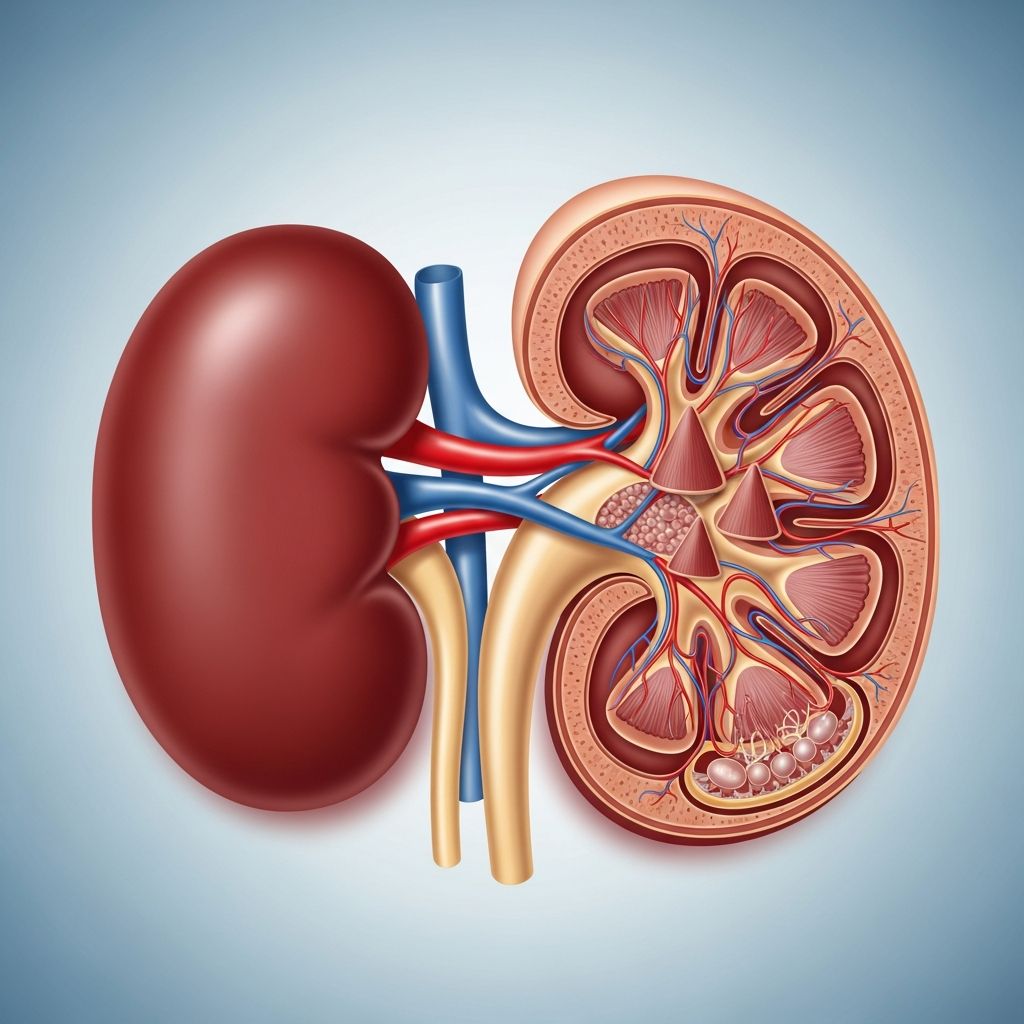
The kidneys are vital organs that filter waste from the blood, regulate fluid balance, and maintain overall body homeostasis. Kidney disease, also known as renal disease, encompasses a range of conditions that impair kidney function. Chronic kidney disease (CKD) affects approximately 37 million adults in the United States, with many cases undiagnosed until advanced stages.1 When kidneys fail, toxins build up, leading to serious health complications like heart disease, anemia, and bone disorders. Early detection and management are crucial for slowing progression and improving quality of life.
What Is Kidney Disease?
Kidney disease refers to any condition that damages the kidneys and reduces their ability to filter blood effectively. There are two main types: acute kidney injury (AKI), which occurs suddenly and is often reversible, and chronic kidney disease (CKD), a progressive condition developing over years.
Healthy kidneys contain about 1 million nephrons each—tiny filtering units that remove waste, excess fluids, and electrolytes while reabsorbing essential nutrients. In CKD, nephron damage leads to glomerular filtration rate (GFR) decline, measured in stages from 1 (mild) to 5 (kidney failure). End-stage renal disease (ESRD) requires dialysis or transplant for survival.
- Acute Kidney Injury (AKI): Sudden loss of function, often from dehydration, infection, or medication toxicity. Reversible with prompt treatment.
- Chronic Kidney Disease (CKD): Gradual loss over 3+ months, primarily from diabetes and hypertension.
- Polycystic Kidney Disease (PKD): Genetic disorder causing cysts that enlarge kidneys and impair function.
Globally, CKD is the ninth leading cause of death, with 1.2 million fatalities in 2017 alone, according to WHO data.2
Symptoms of Kidney Disease
Early-stage kidney disease often presents no symptoms, earning it the nickname ‘silent disease.’ As damage progresses, signs emerge:
- Fatigue and weakness from anemia (kidneys produce erythropoietin for red blood cells).
- Swelling (edema) in legs, ankles, or face due to fluid retention.
- Changes in urination: foamy urine (proteinuria), blood in urine (hematuria), reduced output, or frequent nighttime urination.
- Persistent itching from phosphorus buildup.
- High blood pressure, as kidneys regulate it.
- Metallic taste, nausea, or loss of appetite from uremia (waste accumulation).
- Shortness of breath from fluid in lungs or anemia.
- Muscle cramps and bone pain from mineral imbalances.
In advanced stages, symptoms intensify, signaling kidney failure. Women may experience additional signs like puffy eyes or irregular periods. Immediate medical attention is essential if symptoms appear suddenly.
Causes and Risk Factors
Kidney disease stems from various causes, with diabetes and hypertension topping the list.
| Primary Causes | Description | Prevalence |
|---|---|---|
| Diabetes | High blood sugar damages nephrons (diabetic nephropathy). | 44% of new ESRD cases3 |
| Hypertension | High pressure scars kidney arteries. | 28% of ESRD cases |
| Glomerulonephritis | Inflammation of filtering units. | ~10% |
| Polycystic Kidney Disease | Genetic cysts. | Genetic, 600,000+ affected in US |
| Prolonged UTI/obstruction | Blockages or infections. | Variable |
Risk Factors:
- Age over 60 (risk doubles every decade).
- Family history of CKD.
- Obesity, smoking, heart disease.
- Autoimmune diseases (lupus), frequent NSAID use.
- Ethnicity: Higher rates in Black, Hispanic, Native American populations.
Diagnosis of Kidney Disease
Diagnosis involves blood, urine, imaging, and sometimes biopsy. Key tests include:
Related Stories



- eGFR: Estimates filtration rate from creatinine levels (<60 mL/min/1.73m² indicates CKD).
- Urinalysis: Detects protein, blood, or infection.
- Albumin-to-Creatinine Ratio (ACR): >30 mg/g signals early damage.
- Ultrasound/CT: Assesses size, cysts, or obstructions.
- Kidney Biopsy: Microscopic tissue analysis for cause.
Staging uses KDIGO guidelines: Stage 1 (GFR ≥90 with damage), up to Stage 5 (GFR <15).4
Treatment Options for Kidney Disease
Treatment aims to slow progression, manage symptoms, and replace function in ESRD.
Conservative Management
- Blood pressure control (<130/80 mmHg) with ACE inhibitors/ARBs.
- Blood sugar management for diabetics (A1C <7%).
- Low-protein diet (0.8g/kg/day) to reduce waste.
- Treat anemia with erythropoiesis-stimulating agents; manage bone disease with phosphate binders.
Dialysis
For GFR <10-15 mL/min:
- Hemodialysis: Filters blood 3-4x/week via machine (4 hours/session).
- Peritoneal Dialysis: Uses abdominal lining; daily at home.
Both improve survival but carry infection risks.
Kidney Transplant
Gold standard for ESRD. Living donors preferred. Five-year survival: 85-95%. Immunosuppressants required lifelong.5
Living with Kidney Disease
Patients must monitor diet (limit potassium, phosphorus, sodium), exercise moderately, quit smoking, and attend regular checkups. Mental health support addresses depression, common in 20-30% of CKD patients. Support groups and apps aid adherence.
Prevention Strategies
Up to 50% of CKD is preventable:
- Control diabetes/hypertension.
- Stay hydrated (1.5-2L water/day).
- Maintain healthy weight; limit NSAIDs.
- Annual screening for at-risk groups.
Public health initiatives emphasize early screening, per CDC guidelines.
Frequently Asked Questions (FAQs)
What is the life expectancy with kidney disease?
Varies by stage. Stage 3: 10+ years; ESRD on dialysis: 5-10 years; transplant: 15-20+ years with good care.
Can kidney disease be reversed?
Early AKI often yes; CKD rarely, but progression slows with treatment.
What foods should I avoid with kidney disease?
High-potassium (bananas, potatoes), high-phosphorus (dairy, nuts), processed foods.
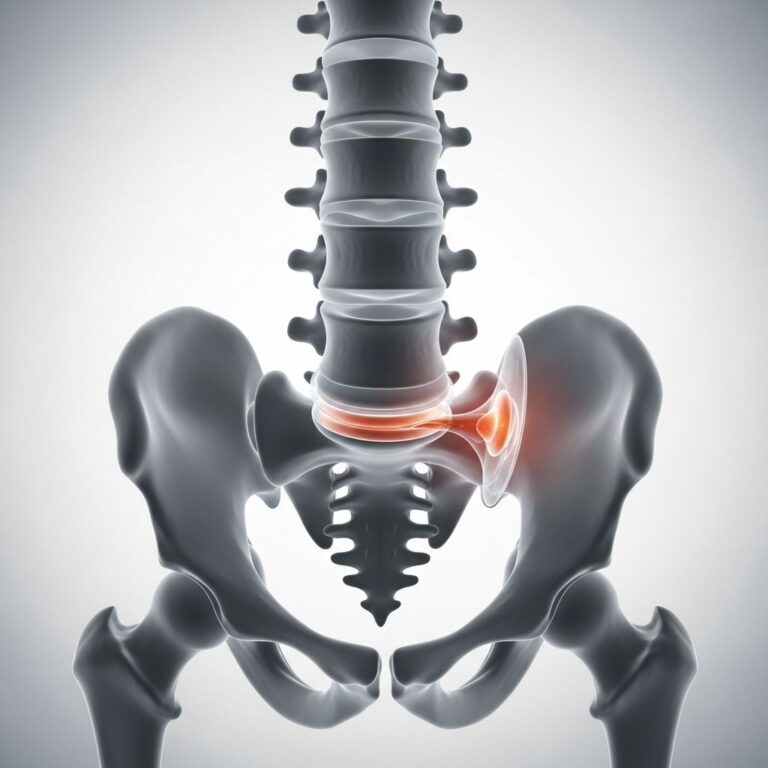
Does kidney disease cause back pain?
Not typically; pain suggests stones or infection.
How often should kidney function be tested?
Annually for at-risk; every 6 months for diagnosed CKD.
This comprehensive overview equips you with knowledge to protect kidney health. Consult healthcare providers for personalized advice.
References
- Chronic Kidney Disease in the United States, 2023 — CDC. 2023-03-01. https://www.cdc.gov/kidneydisease/publications-resources/ckd-national-facts.html
- Global, regional, and national burden of chronic kidney disease, 1990–2017 — The Lancet. 2020-01-18. https://www.thelancet.com/journals/lancet/article/PIIS0140-6736(19)32977-1/fulltext
- USRDS 2023 Annual Data Report — NIDDK. 2023-06-26. https://usrds.org/2023-annual-data-report/
- 2024 Clinical Practice Guideline for CKD — Kidney International. 2024-04-01. https://kdigo.org/guidelines/ckd-evaluation-and-management/
- Kidney Transplant Outcomes — OPTN/SRTR. 2024-12-31. https://srtr.transplant.hrsa.gov/annual_reports/Default.aspx
Similar Articles








Read full bio of Sneha Tete