Kidney Failure: Causes, Stages, Symptoms & Treatment
Understanding kidney failure: causes, stages, symptoms, and life-saving treatments.
What Is Kidney Failure?
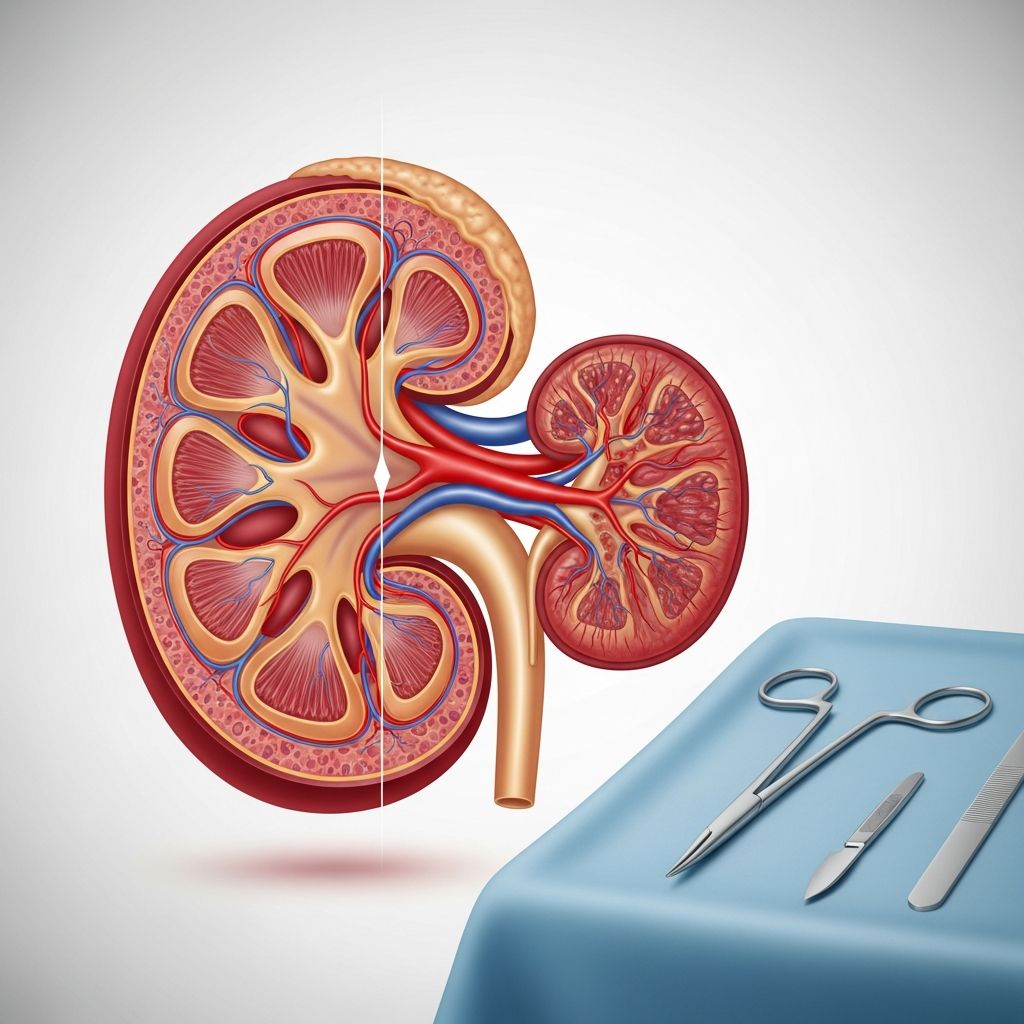
Kidney failure, also known as renal failure, is a condition in which one or both kidneys lose their ability to function properly. This means the kidneys can no longer filter waste and excess fluids from the blood effectively. Without treatment, kidney failure can be life-threatening. However, with proper medical care, many people can manage the condition and maintain a good quality of life.
Types of Kidney Failure
Kidney failure can be classified into two main types:
- Acute Kidney Failure: This type develops suddenly, often over a few hours or days. It can be caused by factors such as severe dehydration, infection, or certain medications. In some cases, acute kidney failure is reversible with prompt treatment.
- Chronic Kidney Failure: This type develops slowly over months or years. It is often caused by long-term conditions such as diabetes or high blood pressure. Chronic kidney failure is usually irreversible and can progress to end-stage kidney disease (ESKD).
Stages of Kidney Disease
Kidney disease is classified into five stages based on the estimated glomerular filtration rate (eGFR), which measures how well the kidneys are filtering waste from the blood:
| Stage | eGFR (mL/min/1.73m²) | Description |
|---|---|---|
| 1 | 90 or higher | Normal kidney function with evidence of kidney damage |
| 2 | 60-89 | Mild decrease in kidney function |
| 3 | 30-59 | Moderate decrease in kidney function |
| 4 | 15-29 | Severe decrease in kidney function |
| 5 | Less than 15 | End-stage kidney disease (ESKD), requiring dialysis or transplant |
Causes of Kidney Failure
Kidney failure can be caused by a variety of factors, including:
- Diabetes
- High blood pressure
- Acute kidney injury (from trauma, infection, or certain medications)
- Glomerulonephritis (inflammation of the kidney’s filtering units)
- Polycystic kidney disease
- Urinary tract obstruction
- Autoimmune diseases
- Severe dehydration
Symptoms of Kidney Failure
The symptoms of kidney failure can vary depending on the stage and severity of the condition. Common symptoms include:
- Fatigue
- Nausea and vomiting
- Swelling in the legs, ankles, or feet
- Changes in urination (frequency, color, or amount)
- Shortness of breath
- Confusion or difficulty concentrating (brain fog)
- Itching
- Muscle cramps
- Loss of appetite
Complications of Kidney Failure
If left untreated, kidney failure can lead to serious complications, including:
- Anemia (low red blood cell count)
- High blood pressure
- Bone disease
- Heart disease
- Fluid buildup in the lungs (pulmonary edema)
- Electrolyte imbalances
- Increased risk of infections
Diagnosis of Kidney Failure
Kidney failure is diagnosed through a combination of medical history, physical examination, and laboratory tests. Common tests include:
- Blood tests (to measure creatinine and eGFR)
- Urine tests (to check for protein or blood in the urine)
- Imaging tests (such as ultrasound or CT scan)
- Kidney biopsy (in some cases)
Treatment Options for Kidney Failure
There is no cure for kidney failure, but treatment can help manage symptoms, slow the progression of the disease, and improve quality of life. Treatment options depend on the cause and severity of kidney failure and may include:
Related Stories



- Medications: To control blood pressure, manage anemia, and treat other complications.
- Lifestyle changes: Such as a healthy diet, regular exercise, and quitting smoking.
- Dialysis: A procedure that filters waste and excess fluids from the blood when the kidneys can no longer do so. There are two main types of dialysis: hemodialysis and peritoneal dialysis.
- Kidney transplant: A surgical procedure to replace a failed kidney with a healthy one from a donor. This is the most effective treatment for end-stage kidney disease.
Dialysis: What You Need to Know
Dialysis is a life-saving treatment for people with end-stage kidney disease. It helps remove waste and excess fluids from the blood when the kidneys can no longer do so. There are two main types of dialysis:
- Hemodialysis: Blood is filtered through a machine outside the body. This is usually done at a dialysis center three times a week.
- Peritoneal dialysis: A fluid is introduced into the abdomen to filter waste and excess fluids. This can be done at home and is often performed daily.
Kidney Transplant: A Long-Term Solution
A kidney transplant is the most effective treatment for end-stage kidney disease. It involves replacing a failed kidney with a healthy one from a donor. After a transplant, most people can live a normal life, but they will need to take immunosuppressive medications to prevent rejection of the new kidney.
Living with Kidney Failure
Living with kidney failure requires ongoing medical care and lifestyle changes. It is important to:
- Follow your healthcare provider’s treatment plan
- Take medications as prescribed
- Attend all medical appointments
- Follow a kidney-friendly diet
- Stay physically active
- Monitor your symptoms and report any changes to your healthcare provider
Preventing Kidney Failure
While not all cases of kidney failure can be prevented, there are steps you can take to reduce your risk:
- Manage chronic conditions such as diabetes and high blood pressure
- Stay hydrated
- Avoid smoking and excessive alcohol consumption
- Limit the use of over-the-counter pain medications
- Get regular check-ups and kidney function tests
Frequently Asked Questions (FAQs)
Q: Can kidney failure be reversed?
A: Acute kidney failure can sometimes be reversed with prompt treatment, but chronic kidney failure is usually irreversible.
Q: What is the life expectancy for someone with kidney failure?
A: Life expectancy varies depending on the cause and severity of kidney failure, as well as the treatment received. With proper treatment, many people can live for years with kidney failure.
Q: Is dialysis painful?
A: Dialysis is generally not painful, but some people may experience discomfort or side effects such as cramping or low blood pressure.
Q: Can I live a normal life with a kidney transplant?
A: Yes, most people can live a normal life after a kidney transplant, but they will need to take immunosuppressive medications and attend regular medical check-ups.
Q: What foods should I avoid if I have kidney failure?
A: People with kidney failure should avoid foods high in sodium, potassium, and phosphorus. A kidney-friendly diet is recommended.
References
- Kidney Disease: Fact Sheet — National Kidney Foundation. 2024. https://www.kidney.org/about/kidney-disease-fact-sheet
- Managing advanced chronic kidney disease: A primary care guide — Cleveland Clinic Journal of Medicine. 2014. https://www.ccjm.org/content/81/5/289
- Chronic Kidney Disease (CKD): Symptoms & Treatment — Cleveland Clinic. 2025. https://my.clevelandclinic.org/health/diseases/15096-chronic-kidney-disease
Similar Articles








Read full bio of medha deb