Kidney Failure Symptoms: 10 Key Signs To Recognize
Recognizing the early and advanced signs of kidney failure to seek timely medical intervention and protect your health.
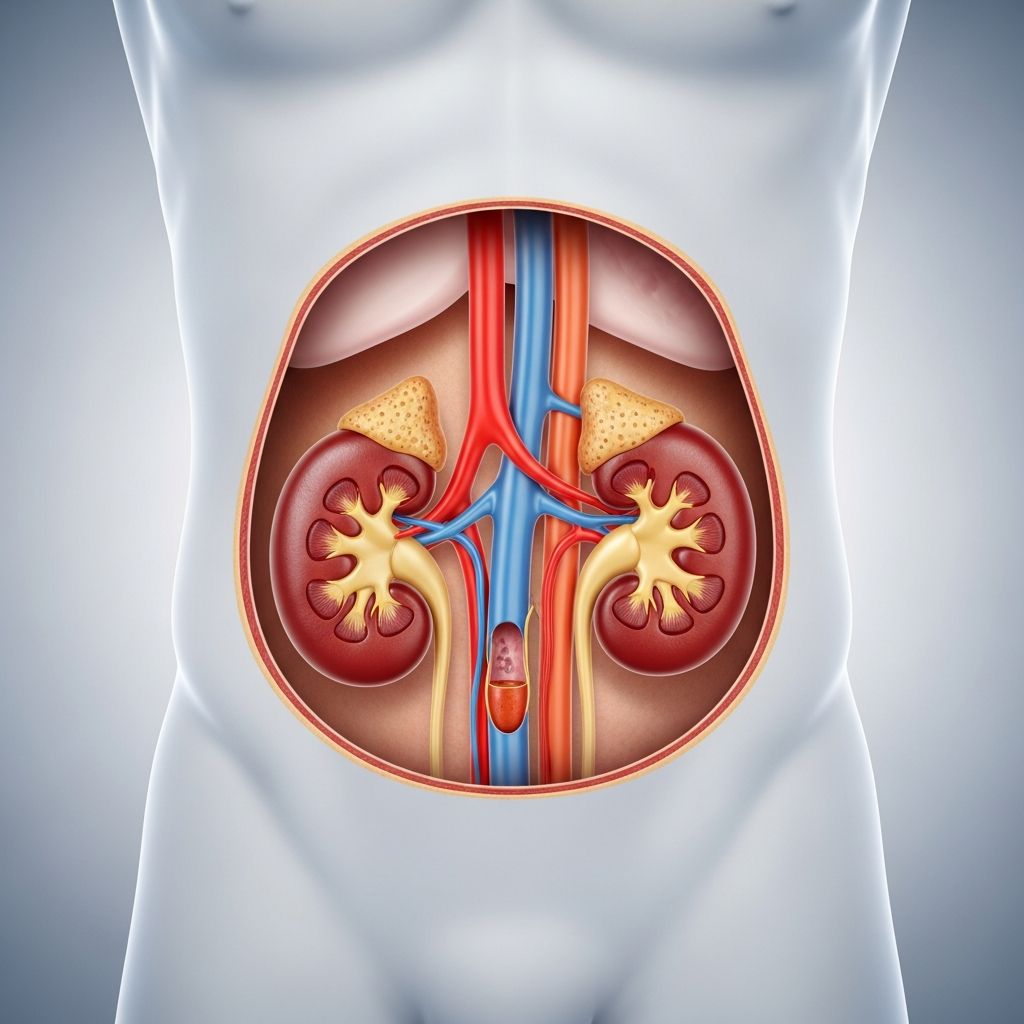
Kidney failure, also known as renal failure, occurs when the kidneys lose their ability to filter waste products from the blood effectively. This serious condition can develop suddenly (acute kidney injury) or progressively over time (chronic kidney disease leading to end-stage renal disease). Early recognition of kidney failure symptoms is crucial, as prompt treatment can prevent irreversible damage, reduce complications, and improve quality of life. According to the National Kidney Foundation, over 37 million adults in the U.S. have chronic kidney disease, yet many remain unaware until symptoms become severe.
The kidneys perform vital functions, including filtering blood, regulating blood pressure, balancing electrolytes, and producing hormones for red blood cell production and bone health. When they fail, toxins build up, leading to a cascade of symptoms affecting multiple body systems. This article explores the symptoms of kidney failure in detail, differentiates between acute and chronic forms, discusses causes, diagnosis, treatment, and prevention strategies.
Early Symptoms of Kidney Failure
Early kidney failure symptoms are often subtle and nonspecific, making them easy to dismiss as signs of aging, stress, or other minor issues. However, ignoring them can allow the disease to progress unchecked. Common early indicators include:
- Fatigue and weakness: Reduced kidney function impairs red blood cell production due to low erythropoietin levels, causing anemia and persistent tiredness.
- Changes in urination: You may notice foamy urine (from protein leakage), increased nighttime urination (nocturia), or reduced urine output.
- Swelling (edema): Fluid retention leads to puffiness in the legs, ankles, feet, hands, or face as kidneys fail to remove excess water.
- Metallic taste or bad breath: Urea buildup in the blood causes a foul taste in the mouth and ammonia-like breath odor.
- Nausea and loss of appetite: Toxin accumulation disrupts digestion, leading to poor appetite and unintended weight loss.
These symptoms typically emerge when kidney function drops to 30-50% of normal capacity. A 2023 study in the Journal of the American Society of Nephrology found that early intervention at this stage can slow progression by up to 40% in many patients.
Symptoms of Advanced Kidney Failure
As kidney damage worsens, symptoms become more pronounced and multisystemic, signaling end-stage renal disease (ESRD). Patients often experience:
- Severe fatigue and shortness of breath: Anemia worsens, and fluid buildup in the lungs (pulmonary edema) causes breathing difficulties.
- Persistent itching (pruritus): Phosphate buildup in the blood irritates the skin, leading to intense, unrelenting itchiness.
- Muscle cramps and restless legs: Electrolyte imbalances, particularly low calcium and high phosphorus, trigger painful cramps, especially at night.
- High blood pressure: Kidneys’ inability to regulate fluid and renin leads to hypertension that’s difficult to control.
- Chest pain: Fluid overload and uremia can cause pericarditis (inflammation around the heart).
In ESRD, patients may appear pale, have darkened skin creases, and experience cognitive changes like difficulty concentrating or confusion due to uremic toxins affecting the brain.
Acute vs. Chronic Kidney Failure Symptoms
| Aspect | Acute Kidney Injury (AKI) | Chronic Kidney Disease (CKD) to ESRD |
|---|---|---|
| Onset | Sudden (hours to days) | Gradual (months to years) |
| Common Symptoms | Decreased urine output, swelling, nausea, confusion | Fatigue, itching, anemia, bone pain, nocturia |
| Reversibility | Often reversible with prompt treatment | Progressive; irreversible at ESRD |
| Causes | Dehydration, infection, medications, surgery | Diabetes, hypertension, glomerulonephritis |
Acute kidney injury affects about 7% of hospitalized patients, per CDC data, while CKD impacts 14% of U.S. adults. AKI symptoms demand immediate medical attention, as untreated cases can lead to permanent damage or death.
Related Stories



Causes and Risk Factors
Kidney failure doesn’t occur in isolation; it’s typically triggered by underlying conditions:
- Diabetes: The leading cause (44% of ESRD cases), damaging kidney blood vessels via high blood sugar.
- High blood pressure: Second most common (28%), stressing kidney arteries over time.
- Glomerulonephritis: Inflammation of kidney filtering units.
- Polycystic kidney disease: Genetic cysts that enlarge kidneys and impair function.
- Obstructions: Kidney stones, enlarged prostate, or tumors blocking urine flow.
Risk factors include family history, age over 60, obesity, smoking, and frequent NSAID use. The World Health Organization reports that diabetes and hypertension account for 73% of global CKD cases.
Diagnosis of Kidney Failure
Diagnosis combines clinical evaluation with lab tests:
- Blood tests: Serum creatinine and blood urea nitrogen (BUN) elevated; eGFR below 60 mL/min/1.73m² indicates CKD.
- Urine tests: Proteinuria, hematuria, or casts signal damage.
- Imaging: Ultrasound detects structural issues; CT/MRI for detailed views.
- Kidney biopsy: Gold standard for confirming cause in ambiguous cases.
Staging uses eGFR: Stage 1 (90+), Stage 5 (<15, dialysis needed).
Treatment Options
Treatment aims to slow progression, manage symptoms, and replace function:
- Medications: ACE inhibitors/ARBs for blood pressure, statins for cholesterol, phosphate binders.
- Dialysis: Hemodialysis (3x/week) or peritoneal dialysis removes waste.
- Kidney transplant: Best long-term solution; 95% 1-year graft survival per UNOS data.
- Lifestyle changes: Low-sodium/protein diet, exercise, smoking cessation.
When to Seek Emergency Care
Call 911 or seek immediate care for:
- No urine output for 12+ hours
- Severe shortness of breath or chest pain
- Seizures, extreme confusion, or coma
- Uncontrollable vomiting or swelling
These indicate life-threatening complications like hyperkalemia or fluid overload.
Prevention Strategies
Protect your kidneys by:
- Maintaining healthy blood sugar and pressure
- Staying hydrated (avoid excess)
- Limiting NSAIDs/contrast dyes
- Eating kidney-friendly diet (DASH)
- Regular checkups if at risk
Frequently Asked Questions (FAQs)
What are the first signs of kidney problems?
The earliest signs include fatigue, foamy urine, mild swelling, and changes in urination frequency. Routine bloodwork often detects issues before symptoms appear.
Can kidney failure be reversed?
Acute kidney failure is often reversible with treatment, but chronic damage is permanent. Early management prevents progression to ESRD.
Does kidney failure cause back pain?
Not typically; back pain suggests stones or infection. Kidney failure pain is usually in the mid-back but nonspecific.
How long can you live with kidney failure?
With dialysis, 5-10 years average; transplant extends to 15-20+ years. Quality of life varies with management.
Is dark urine a sign of kidney failure?
Dark urine can indicate dehydration, blood, or bilirubin but isn’t specific to kidney failure. Foamy or reduced urine is more concerning.
References
- Chronic Kidney Disease in the United States, 2023 — Centers for Disease Control and Prevention. 2023-03-15. https://www.cdc.gov/kidneydisease/publications-resources/ckd-national-facts.html
- Acute Kidney Injury — National Kidney Foundation. 2024-07-10. https://www.kidney.org/atoz/content/AcuteKidneyInjury
- Global Burden of Chronic Kidney Disease — World Health Organization. 2023-11-20. https://www.who.int/news-room/fact-sheets/detail/chronic-kidney-disease
- Early CKD Progression and Intervention — Journal of the American Society of Nephrology. 2023-05-01. https://doi.org/10.1681/ASN.2022101423
- Kidney Transplant Survival Rates — United Network for Organ Sharing. 2024-09-30. https://unos.org/data/transplant-data-reports/
Similar Articles








Read full bio of Sneha Tete