Kidney Function Tests: Purpose, Types & Results
Complete guide to kidney function tests: What they measure, why they matter, and how to interpret results.
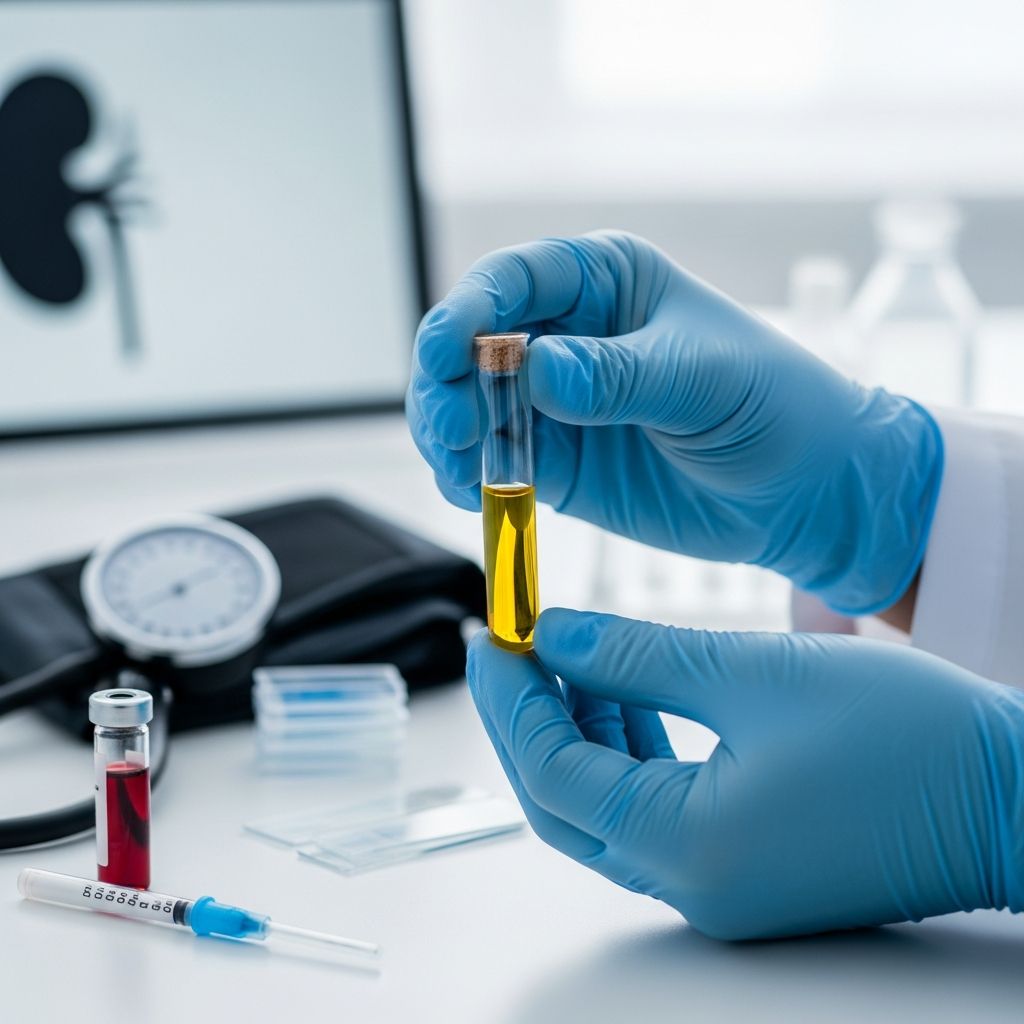
Your kidneys are vital organs that filter waste products from your blood and help regulate fluid balance, electrolytes, and blood pressure. When kidney function declines, waste accumulates in your bloodstream, potentially leading to serious health complications. Healthcare providers use kidney function tests to assess how well your kidneys are working, detect kidney disease early, and monitor kidney health over time. These tests measure various substances in your blood and urine to provide a comprehensive picture of renal function.
What Are Kidney Function Tests?
Kidney function tests are a group of blood and urine tests designed to evaluate how effectively your kidneys filter waste and maintain proper electrolyte balance. These diagnostic tools measure specific markers in your blood and urine that indicate kidney performance. When your kidneys aren’t working properly, waste products accumulate in your blood instead of being eliminated through urine, and these tests can detect such abnormalities.
Your healthcare provider may order kidney function tests as part of a routine checkup, when monitoring a chronic condition, or when investigating symptoms that suggest kidney problems. The tests provide valuable information about kidney disease staging, treatment effectiveness, and overall renal health.
Why You Might Need Kidney Function Tests
Healthcare providers recommend kidney function tests for various reasons. You may need these tests if you have:
– Diabetes or high blood pressure (conditions that damage kidneys)- Family history of kidney disease- Symptoms like fatigue, swelling, or changes in urination patterns- Need for monitoring if you already have chronic kidney disease- Requirement to assess medication effects on kidney function- Pre-operative evaluation before surgery- Concern about exposure to kidney-damaging substances
Additionally, routine kidney function tests are often included in comprehensive health screenings and annual physical examinations.
Common Kidney Function Tests
Estimated Glomerular Filtration Rate (eGFR)
The eGFR is one of the most important kidney function measurements. This test estimates how many milliliters of waste your kidneys can filter from your blood each minute based on a mathematical formula. Healthcare providers calculate your eGFR from your serum creatinine level, along with your age, sex, race, and body size. The glomeruli in your kidneys are tiny blood vessels responsible for filtering waste, and eGFR directly measures their filtering efficiency.
For adults, a normal eGFR is approximately 100 milliliters per minute per 1.73 square meters of body surface area. A healthcare provider may diagnose chronic kidney disease if your eGFR remains below 60 for three months or longer. Healthcare providers typically use eGFR as the primary marker for determining kidney function and staging chronic kidney disease severity.
Creatinine Clearance Test
The creatinine clearance test involves collecting your urine over a 24-hour period combined with a blood draw to assess kidney function. Creatinine is a waste product created when your muscles break down creatine, which provides energy to muscle tissue. When your kidneys function properly, they filter creatinine from your blood, and your body eliminates it through urine.
During this test, you collect all urine produced over 24 hours in a container provided by your healthcare provider. After the collection period, you have a blood sample drawn to measure serum creatinine (creatinine in your bloodstream). Your provider uses a mathematical formula combining these measurements to calculate your creatinine clearance rate, which estimates your glomerular filtration rate. Healthcare providers often order this test when eGFR results seem inaccurate, particularly for individuals with very high or very low muscle mass, such as bodybuilders or elderly patients with muscle loss.
Related Stories



Blood Urea Nitrogen (BUN) Test
The blood urea nitrogen (BUN) test measures urea nitrogen levels in your blood. Urea is a waste product your body creates when it breaks down protein. Healthy kidneys filter urea from your blood, and your body eliminates it through urine. When kidney function declines, urea accumulates in your bloodstream. Elevated BUN levels may indicate kidney damage, dehydration, liver disease, or urinary tract obstruction. Healthcare providers frequently include BUN testing in comprehensive kidney function assessments.
Serum Creatinine Test
The serum creatinine test measures creatinine levels in your blood using a simple blood draw. Unlike the 24-hour creatinine clearance test, this requires only a single blood sample. Creatinine levels provide a snapshot of your kidney function at the time of testing. Elevated serum creatinine typically indicates reduced kidney function, though results can be influenced by muscle mass, age, and diet.
Renal Function Panel
A renal function panel is a comprehensive blood test that includes multiple measurements to evaluate overall kidney health. This panel typically includes albumin, total calcium, phosphorous, glucose, blood urea nitrogen, creatinine, sodium, potassium, chloride, carbon dioxide, anion gap, and estimated glomerular filtration rate. By measuring these various components, healthcare providers gain a comprehensive understanding of kidney function and electrolyte balance.
How Kidney Function Tests Are Performed
Blood Tests
Most kidney function tests require a blood sample, typically collected during a routine office visit or at a laboratory. A healthcare professional will clean your arm with an antiseptic wipe, insert a needle into a vein, and collect blood into collection tubes. The procedure is generally quick and causes minimal discomfort, though some people experience brief needle discomfort.
Urine Tests
For the creatinine clearance test, you collect urine over 24 hours at home. You’ll receive instructions about proper collection, storage, and container handling from your healthcare provider. Start collection the morning after you receive your collection container, and collect all urine produced for the next 24 hours, storing samples in a refrigerator or cooler as directed. After 24 hours, bring your completed sample to your healthcare provider’s office or laboratory.
Understanding Your Results
| Test | Normal Range | Abnormal Findings |
|---|---|---|
| eGFR | 90 or higher | Below 60 may indicate chronic kidney disease |
| Serum Creatinine | 0.7-1.3 mg/dL (varies by lab) | Elevated levels suggest reduced kidney function |
| BUN | 7-20 mg/dL (varies by lab) | High levels may indicate kidney dysfunction |
| Creatinine Clearance | 90-120 mL/min/1.73m² | Below 60 indicates kidney disease progression |
What High Results Mean
If your test results show elevated creatinine or low eGFR, it usually indicates declining kidney function. However, one abnormal result doesn’t automatically mean you have kidney disease. Your healthcare provider considers all test results together, along with your medical history, symptoms, and other factors before making a diagnosis. Multiple abnormal results across different tests strengthen the indication of kidney disease.
What Low Results Mean
Low creatinine levels or high eGFR values typically indicate healthy kidney function. However, very low creatinine can sometimes suggest reduced muscle mass rather than improved kidney function, which is why your healthcare provider considers the complete clinical picture.
Chronic Kidney Disease Stages
Healthcare providers use eGFR values to stage chronic kidney disease:
–
Stage 1:
eGFR 90 or higher (normal kidney function with kidney damage)-Stage 2:
eGFR 60-89 (mildly reduced kidney function)-Stage 3a:
eGFR 45-59 (mildly to moderately reduced kidney function)-Stage 3b:
eGFR 30-44 (moderately to severely reduced kidney function)-Stage 4:
eGFR 15-29 (severely reduced kidney function)-Stage 5:
eGFR below 15 (kidney failure requiring dialysis or transplant)Additional Tests for Kidney Assessment
Urinalysis
A urinalysis examines the physical and chemical properties of your urine, detecting protein, blood, glucose, and other abnormalities that may indicate kidney problems.
Renal Scan
A renal scan is a nuclear medicine test that detects kidney problems at an early stage by examining how your kidneys function. This specialized imaging can reveal reduced kidney function or blockages. If you take nonsteroidal anti-inflammatory drugs like ibuprofen or aspirin, inform your healthcare provider before the scan, as these medications can affect results.
Kidney Biopsy
When kidney disease diagnosis remains unclear after other tests, your healthcare provider may recommend a kidney biopsy, which is the gold standard for diagnosing glomerular diseases. This procedure involves removing a small tissue sample from your kidney for microscopic examination to identify specific kidney disease types.
Preparing for Kidney Function Tests
Before kidney function tests, inform your healthcare provider about all medications you take, including vitamins and herbal supplements. Some medications may affect test results. Additionally, maintain your normal diet and hydration unless instructed otherwise. For the 24-hour creatinine clearance test, follow your healthcare provider’s specific collection instructions carefully to ensure accurate results.
Risks and Side Effects
Kidney function tests are very safe with minimal risks. The most common side effect from blood draws includes slight bruising or tenderness at the injection site. Some people experience lightheadedness or fainting, though this is rare. The 24-hour urine collection involves no physical risks, only the inconvenience of collecting all urine over 24 hours.
When to Get Tested
Kidney function tests should be performed:
– At least annually for people with diabetes or high blood pressure- When symptoms suggest kidney problems- Before starting medications that may affect kidney function- When monitoring chronic kidney disease progression- As part of routine health screenings- Before major surgical procedures
Frequently Asked Questions
Q: How often should I get kidney function tests?
A: The frequency depends on your individual risk factors. People with diabetes, hypertension, or existing kidney disease should have tests at least annually. Those with normal kidney function and no risk factors may need testing less frequently, perhaps every few years during routine physicals.
Q: What does a normal eGFR mean?
A: A normal eGFR of 90 or higher indicates your kidneys are filtering waste effectively. However, if you have kidney damage but normal eGFR, your healthcare provider will monitor you closely with repeat testing.
Q: Can medications affect kidney function test results?
A: Yes, certain medications can influence results. NSAIDs, ACE inhibitors, and other drugs may temporarily affect creatinine levels. Always inform your healthcare provider about all medications you take before testing.
Q: How long does it take to receive kidney function test results?
A: Blood test results typically come back within a few days. Urine collection tests may take slightly longer as the laboratory needs to process the 24-hour sample.
Q: What should I do if my kidney function tests are abnormal?
A: Contact your healthcare provider to discuss results. Abnormal values don’t automatically mean kidney disease, but your provider may recommend repeat testing, additional diagnostic tests, lifestyle modifications, or medication adjustments based on your specific situation.
Q: Can I improve my kidney function through lifestyle changes?
A: Yes, managing blood pressure, maintaining healthy blood sugar levels, reducing sodium intake, staying hydrated, avoiding excessive NSAIDs, and not smoking can help preserve kidney function. Your healthcare provider can provide personalized recommendations.
Conclusion
Kidney function tests are essential diagnostic tools that help healthcare providers assess kidney health, detect kidney disease early, and monitor treatment effectiveness. By understanding what these tests measure and how to interpret results, you can take an active role in managing your kidney health. If your healthcare provider recommends kidney function testing, follow their instructions carefully and discuss any questions or concerns about your results. Regular monitoring and early detection of kidney problems can significantly impact your long-term health outcomes.
References
- Creatinine Clearance Test: Purpose, Levels & Results — Cleveland Clinic. https://my.clevelandclinic.org/health/diagnostics/16380-creatinine-clearance-test
- Estimated Glomerular Filtration Rate (eGFR) — Cleveland Clinic. https://my.clevelandclinic.org/health/diagnostics/21593-estimated-glomerular-filtration-rate-egfr
- Renal Scan: Purpose, Procedure, Risks & Results — Cleveland Clinic. https://my.clevelandclinic.org/health/diagnostics/21976-renal-scan-kidney-scan
- Renal Function Panel — Cleveland Clinic Laboratories. https://clevelandcliniclabs.com/test/renal-function-panel/
- Blood Urea Nitrogen (BUN): Testing, Levels & Indication — Cleveland Clinic. https://my.clevelandclinic.org/health/diagnostics/17684-blood-urea-nitrogen-bun-test
- Kidneys: Location, Anatomy, Function & Health — Cleveland Clinic. https://my.clevelandclinic.org/health/body/21824-kidney
- The Cleveland Clinic Kidney Biopsy Epidemiological Project — National Center for Biotechnology Information. https://pmc.ncbi.nlm.nih.gov/articles/PMC9802556/
Similar Articles








Read full bio of Sneha Tete