Kidney Infection: 5 Risk Factors, Symptoms, Treatment
Comprehensive insights into kidney infections: from early warning signs to proven treatments and lifelong prevention strategies for better urinary health.
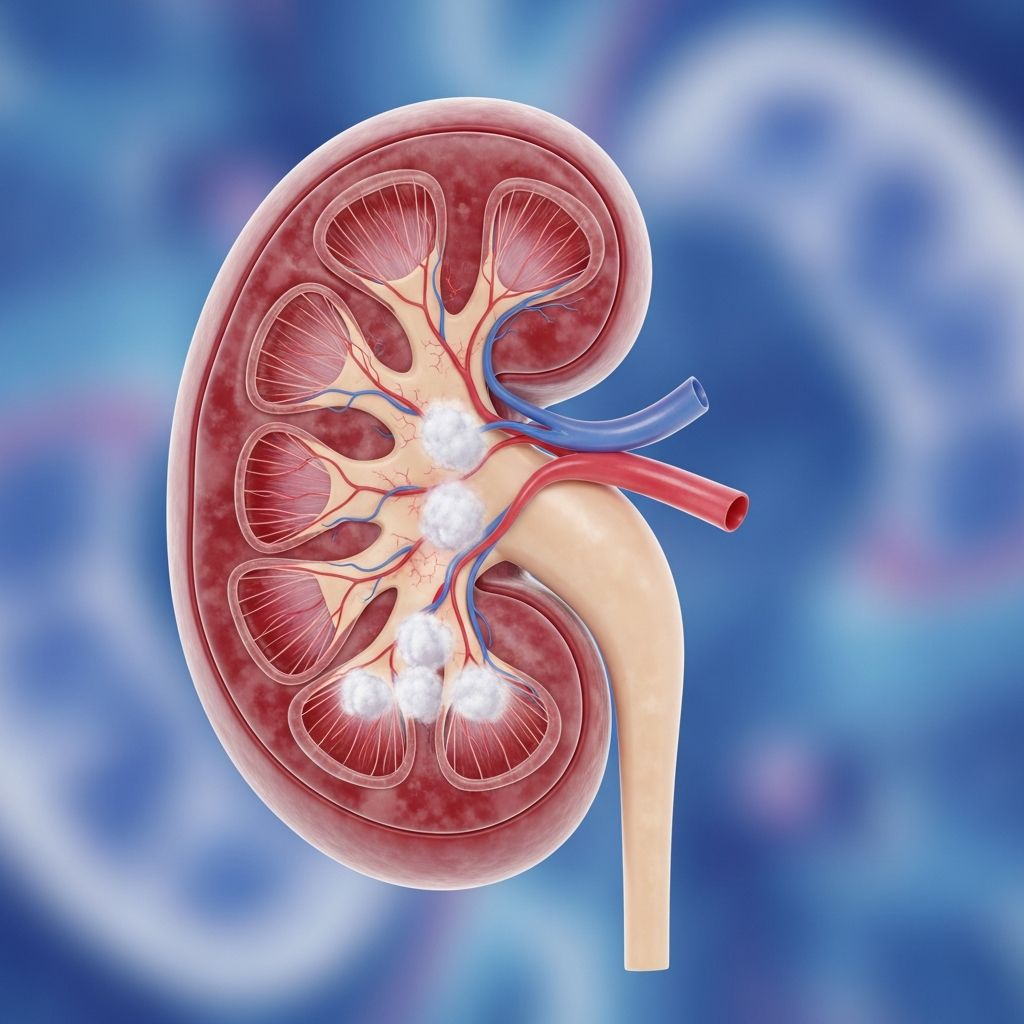
A kidney infection, medically termed pyelonephritis, represents a serious escalation of urinary tract infections where harmful bacteria ascend from the bladder to the kidneys, potentially leading to severe health issues if not addressed promptly.
Understanding the Nature of Kidney Infections
These infections primarily affect the kidneys’ filtering units, causing inflammation that impairs their ability to remove waste from the blood. Unlike simpler bladder infections, kidney involvement demands immediate medical intervention to avert permanent damage. Bacteria, especially *Escherichia coli* from the intestines, are the predominant culprits, entering via the urethra and traveling upward. In rare instances, viruses contribute, but bacterial cases dominate clinical scenarios.
The condition can strike one or both kidneys, with acute forms appearing suddenly and chronic ones developing over time due to recurrent episodes. Early recognition is crucial, as untreated cases can scar kidney tissue, reducing long-term function.
Recognizing the Warning Signs
Symptoms often mimic flu-like illness but localize to the urinary system. Common indicators include high fever accompanied by chills, sharp pain in the lower back or sides where the kidneys reside, and persistent nausea or vomiting. Urinary changes are prominent: frequent urges to urinate, burning sensations during voiding, and urine that appears cloudy, dark, bloody, or emits a foul odor.
Additional signs encompass abdominal discomfort, loss of appetite, and generalized muscle aches. In children under two, manifestations may limit to high fever and feeding difficulties, while elderly adults over 65 might exhibit confusion, slurred speech, or hallucinations without classic urinary complaints. Women frequently report pelvic pain or vaginal irritation alongside standard symptoms.
- Fever and chills: Often exceeds 38.5°C, signaling systemic involvement.
- Flank pain: Tender areas on back or sides, worsened by movement.
- Urinary issues: Painful, urgent, or infrequent urination with abnormal appearance.
- Gastrointestinal upset: Nausea, vomiting, diarrhea.
How Infections Take Hold: Primary Causes
Most kidney infections originate from untreated lower urinary tract infections (UTIs) in the bladder or urethra. Bacteria proliferate in stagnant urine, then migrate via ureters to the kidneys. This ascent typically occurs within days if a bladder infection persists untreated.
Other triggers include urinary obstructions like kidney stones, enlarged prostate, or narrowed urethra, which impede flow and foster bacterial growth. Instrumentation such as catheters introduces pathogens directly, common post-surgery or in immobile patients.
Who Faces the Greatest Risk?
| Risk Factor | Description | Impact |
|---|---|---|
| Weakened immunity | Conditions like diabetes, HIV, or immunosuppressant drugs post-transplant | Reduces ability to fight bacteria |
| Nerve damage | Spinal cord injuries masking UTI pain signals | Allows silent progression to kidneys |
| Urinary blockages | Stones, prostate enlargement | Promotes bacterial stagnation |
| Catheter use | Long-term indwelling devices | Direct pathogen entry |
| Female anatomy | Shorter urethra | Higher UTI susceptibility |
Individuals with these vulnerabilities should monitor urinary health vigilantly, as infections progress faster in compromised systems.
Distinguishing from Bladder Infections
Bladder UTIs cause localized burning and frequent urination with cloudy urine, but lack systemic fever or back pain. Kidney infections layer on these with flank tenderness, high temperature, and malaise, demanding differentiation for appropriate care. Prompt bladder treatment prevents 90% of escalations.
Diagnostic Approaches
Healthcare providers start with medical history and physical exam, palpating kidney areas for tenderness. Urine analysis detects bacteria, white blood cells, and nitrites; cultures identify specific pathogens for targeted therapy. Blood tests check for systemic spread, while imaging like ultrasound or CT scans reveal abscesses or obstructions in complex cases. Repeat cultures post-treatment confirm clearance.
Related Stories



Effective Treatment Strategies
Antibiotics form the cornerstone, selected via culture results to combat prevalent strains. Common regimens span 7-14 days, with oral options like trimethoprim-sulfamethoxazole, ciprofloxacin, or amoxicillin for mild cases. Severe infections necessitate hospitalization for IV antibiotics such as ceftriaxone.
Symptom relief includes hydration to flush bacteria, heat pads for pain, and acetaminophen for fever—avoiding NSAIDs in kidney-impaired patients. Full course completion prevents resistance and recurrence. Most improve within days, but recovery may extend in elderly or comorbid individuals.
- Oral antibiotics: TMP-SMX, levofloxacin (7-14 days)
- IV for severe: Ceftriaxone, hospital monitoring
- Supportive care: Fluids, pain relief, rest
Home remedies like excessive water or cranberry cannot eradicate established kidney bacteria; professional antibiotics are essential.
Potential Complications and Long-Term Effects
Delayed treatment risks kidney scarring, chronic dysfunction, or recurrent infections resistant to standard drugs. Worst-case, bacteria enter the bloodstream causing sepsis—a life-threatening emergency. Vigilance averts these in over 95% of cases with timely intervention.
Prevention: Practical Daily Habits
Proactive measures significantly lower incidence. Hydrate abundantly (2-3 liters daily), void frequently and fully, and urinate post-intercourse to expel bacteria. Women: wipe front-to-back, avoid irritating hygiene products.
Treat bladder UTIs swiftly, manage blockages surgically if needed, and maintain diabetes control. Catheter hygiene is paramount for users.
- Drink ample water daily
- Urinate after sexual activity
- Prompt UTI management
- Proper wiping technique
When to Seek Urgent Medical Help
Consult a doctor immediately for fever over 38°C with back pain, persistent vomiting, or blood in urine. Emergency care is warranted for confusion, severe dehydration, or symptoms in infants/elderly.
Frequently Asked Questions (FAQs)
Can kidney infections resolve without antibiotics?
No, bacterial pyelonephritis requires antibiotics; natural flushing is ineffective once in kidneys.
How long until symptoms improve?
Typically 2-3 days post-antibiotics, full recovery in 1-2 weeks.
Are kidney infections contagious?
No, they spread internally via bacteria, not person-to-person.
Can pregnancy increase risk?
Yes, hormonal changes and urinary stasis elevate susceptibility; screen routinely.
What dietary changes help prevention?
Hydration-focused; no specific foods cure but balanced diet supports immunity.
Maintaining Kidney Health Long-Term
Beyond acute management, regular check-ups for at-risk groups ensure early detection. Lifestyle integration of prevention habits fosters resilience against recurrent threats, preserving renal vitality into later years.
References
- Kidney Infection Causes, Symptoms, and Treatments — UPMC. 2023. https://www.upmc.com/services/kidney-disease/conditions/kidney-infection
- Kidney infection (Pyelonephritis) symptoms, treatment and prevention — American Kidney Fund. 2024-01-15. https://www.kidneyfund.org/all-about-kidneys/other-kidney-problems/kidney-infection
- Kidney infection – Diagnosis and treatment — Mayo Clinic. 2025-02-01. https://www.mayoclinic.org/diseases-conditions/kidney-infection/diagnosis-treatment/drc-20353393
- Kidney infection — NHS. 2024-11-20. https://www.nhs.uk/conditions/kidney-infection/
- Kidney Infections: Symptoms, Causes, Treatments, and Prevention — WebMD. 2024. https://www.webmd.com/a-to-z-guides/kidney-infections-symptoms-and-treatments
- Kidney infection – Symptoms and causes — Mayo Clinic. 2025-02-01. https://www.mayoclinic.org/diseases-conditions/kidney-infection/symptoms-causes/syc-20353387
- Symptoms & Causes of Kidney Infection (Pyelonephritis) — NIDDK, NIH. 2023-08-07. https://www.niddk.nih.gov/health-information/urologic-diseases/kidney-infection-pyelonephritis/symptoms-causes
Similar Articles








Read full bio of medha deb