Kidney Infection: 5 Key Symptoms, Causes, And Treatments
Understand kidney infection symptoms, causes, treatments, and prevention for timely care and recovery.
A
kidney infection
, medically termedpyelonephritis
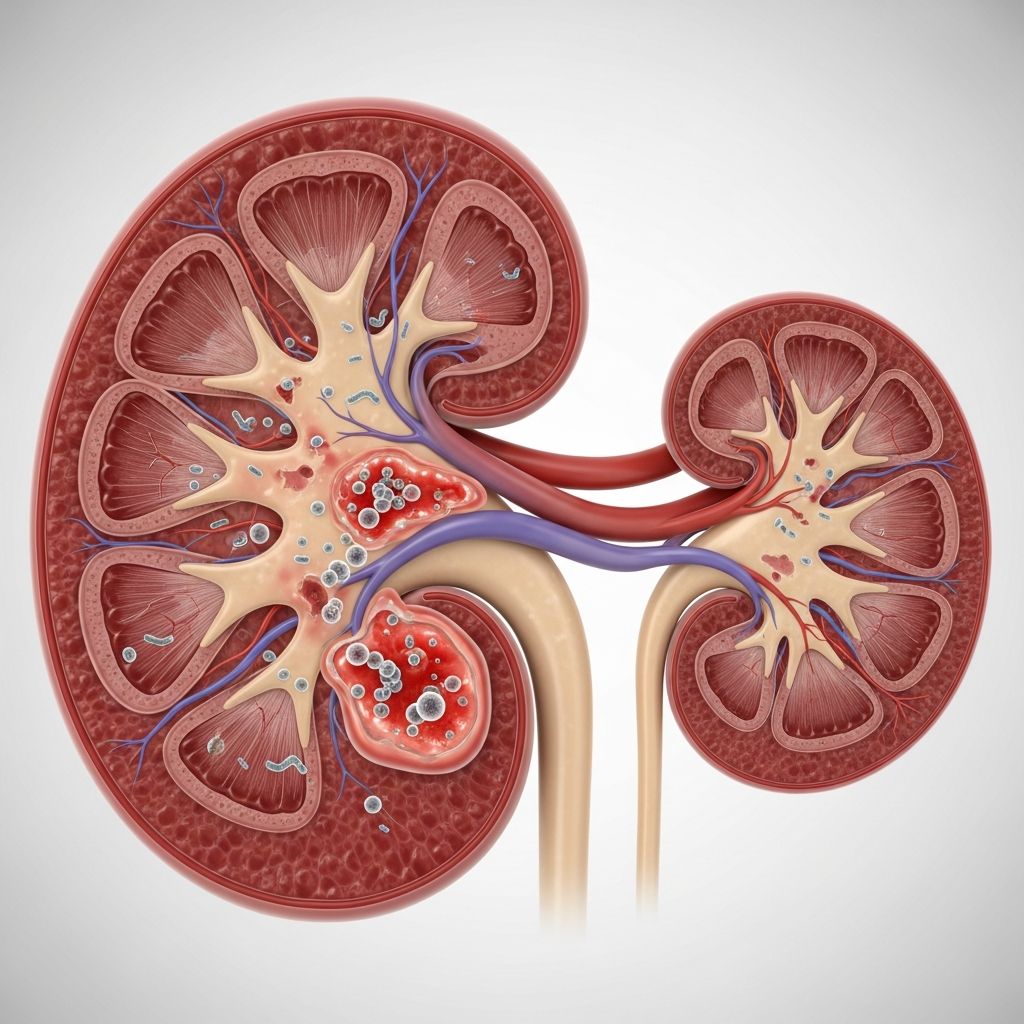
, represents a severe form of urinary tract infection (UTI) that affects one or both kidneys. Unlike simpler bladder infections (cystitis), pyelonephritis demands urgent medical intervention to avert permanent kidney damage or life-threatening sepsis. Bacteria typically ascend from the lower urinary tract, entering via the urethra and progressing to the bladder before reaching the kidneys. Prompt antibiotic therapy is essential, often administered orally or intravenously depending on severity.What Is a Kidney Infection?
Kidney infections occur when harmful bacteria, most commonly *Escherichia coli* (E. coli) from the gastrointestinal tract, migrate upward through the urinary system. This infection inflames the kidney’s renal pelvis and parenchyma, potentially impairing filtration functions. Women face higher incidence due to anatomical differences—a shorter urethra facilitates bacterial entry. In severe cases, untreated infections disseminate via bloodstream, risking sepsis, a systemic inflammatory response with high mortality rates.
Pyelonephritis manifests acutely with systemic symptoms or chronically in recurrent forms, particularly in those with structural urinary anomalies. Globally, it accounts for significant emergency visits, emphasizing the need for awareness. Early recognition distinguishes it from less severe UTIs, guiding appropriate care.
Symptoms of a Kidney Infection
Recognizing symptoms promptly is crucial for effective management. Common indicators include:
- Fever and chills: Often exceeding 101°F (38.3°C), signaling systemic involvement.
- Flank pain: Sharp or dull ache in the back, side, or groin, typically unilateral but bilateral in advanced cases.
- Urinary changes: Dysuria (burning urination), frequency, urgency, cloudy or foul-smelling urine, hematuria (blood in urine), or pyuria (pus).
- Gastrointestinal upset: Nausea, vomiting, abdominal discomfort.
- Fatigue and malaise: Generalized weakness due to infection burden.
In children or elderly patients, symptoms may be atypical—fever without localizing signs or confusion. Seek immediate care if symptoms persist beyond 48 hours of UTI treatment or accompany bloody urine/vomiting.
Causes of Kidney Infections
The primary etiology involves bacterial ascension from the urethra. E. coli causes 80-90% of cases, with other pathogens like *Klebsiella*, *Proteus*, or *Enterococcus* in complicated scenarios. Risk escalates with untreated lower UTIs, allowing bacterial proliferation and ascent via ureters.
Hematogenous spread from distant infections (e.g., endocarditis) is rarer. Post-surgical or catheter-associated infections highlight iatrogenic risks. Vesicoureteral reflux (VUR), where urine backflows to kidneys, predisposes recurrent episodes, especially in pediatrics.
Risk Factors
Several factors heighten susceptibility:
- Female anatomy: Shorter urethra (4 cm vs. 20 cm in males) and perineal proximity to anus/vagina.
- Pregnancy: Ureteral dilation and stasis elevate risks, potentially causing preterm labor.
- Obstructions: Kidney stones, BPH (benign prostatic hyperplasia), tumors impeding urine flow.
- Immunocompromise: Diabetes, HIV, chemotherapy, or steroids blunt defenses.
- Catheterization: Indwelling devices introduce biofilms harboring bacteria.
- Neurologic bladder dysfunction: Spinal injuries prevent timely voiding.
Recurrent UTIs compound risks; addressing modifiable factors like stones or catheters is key.
Complications
Untreated pyelonephritis risks severe sequelae:
- Renal scarring: Fibrosis leading to hypertension, chronic kidney disease (CKD), or end-stage renal disease (ESRD).
- Sepsis: Bacteremia causing septic shock; mortality up to 20-40% in vulnerable groups.
- Abscess formation: Renal/perinephric pus collections requiring drainage.
- Pregnancy issues: Low birth weight, prematurity.
- Chronic pyelonephritis: Recurrent damage mimicking reflux nephropathy.
Related Stories



Hospitalization rates for complicated cases underscore urgency.
Diagnosis
Clinical evaluation combines history, exam, and tests:
- Urinalysis/Urine culture: Detects pyuria, bacteriuria, nitrites; identifies pathogen/sensitivities.
- Blood tests: Leukocytosis, elevated CRP/ESR, renal function (BUN/creatinine), blood cultures if septic.
- Imaging: Ultrasound for hydronephrosis/stones; CT/MRI for abscesses/complex anatomy; DMSA scan for scarring.
Rule out differentials like nephrolithiasis or musculoskeletal pain. Empiric antibiotics start pending cultures.
Treatment
Antibiotics form the cornerstone, tailored to local resistance:
| Setting | Common Regimens | Duration |
|---|---|---|
| Mild/Outpatient | Fluoroquinolones (e.g., ciprofloxacin), Trimethoprim-sulfamethoxazole, Oral cephalosporins | 7-14 days |
| Severe/Inpatient | IV ceftriaxone, Aminoglycosides, Carbapenems (if resistant) | 10-21 days total |
Supportive measures: Hydration, analgesics (avoid NSAIDs in renal impairment), antiemetics. Hospitalize if dehydrated, septic, or non-responders. Follow-up cultures ensure clearance; switch to oral post-IV improvement.
Prevention
Proactive strategies mitigate recurrence:
- Hydration: 2-3L water daily flushes bacteria.
- Hygiene: Wipe front-to-back; void post-intercourse.
- Voiding habits: Urinate frequently; fully empty bladder.
- Prophylaxis: Low-dose antibiotics for recurrent cases.
- Manage risks: Stone treatment, catheter minimization, diabetes control.
- Cranberry products: May inhibit bacterial adhesion (evidence mixed).
Pregnant women benefit from screening.
When to See a Doctor
Consult promptly for suspected symptoms, especially fever >101°F, flank pain, persistent dysuria, or UTI non-response within 48 hours. Emergent evaluation for vomiting, bloody urine, confusion, or pregnancy. Delays risk complications; primary care or ER as appropriate.
Frequently Asked Questions (FAQs)
How long does a kidney infection last with treatment?
With antibiotics, fever resolves in 48-72 hours; full course (7-14 days) prevents relapse. Persistent symptoms warrant re-evaluation.
Can kidney infections go away on their own?
Rarely; antibiotics are mandatory to prevent scarring/sepsis. Supportive care alone risks progression.
Are kidney infections contagious?
No, not person-to-person; caused by personal flora ascension.
What’s the difference between a UTI and kidney infection?
UTI typically bladder-limited (dysuria/frequency sans fever); kidney adds systemic signs like flank pain/fever.
Can men get kidney infections?
Yes, though less common; often linked to prostate issues or stones.
References
- Kidney infection – Symptoms and causes — Mayo Clinic. 2023-10-12. https://www.mayoclinic.org/diseases-conditions/kidney-infection/symptoms-causes/syc-20353387
- Pyelonephritis (Kidney Infection) — National Institute of Diabetes and Digestive and Kidney Diseases (NIDDK). 2023-05-01. https://www.niddk.nih.gov/health-information/urologic-diseases/kidney-infection-pyelonephritis
- Acute Pyelonephritis — Centers for Disease Control and Prevention (CDC). 2024-02-15. https://www.cdc.gov/antibiotic-use/uti.html
- Urinary Tract Infection (UTI) and Cystitis — World Health Organization (WHO). 2023-11-20. https://www.who.int/news-room/fact-sheets/detail/urinary-tract-infections-(uti)
- Clinical Practice Guideline for the Management of Acute Uncomplicated Pyelonephritis — Infectious Diseases Society of America (IDSA). 2023-08-10. https://www.idsociety.org/practice-guideline/uncomplicated-acute-pyelonephritis/
Similar Articles








Read full bio of medha deb