Kidney Infection (Pyelonephritis): Symptoms & Treatment
Understand kidney infection symptoms, causes, diagnosis, and treatment options for better health outcomes.
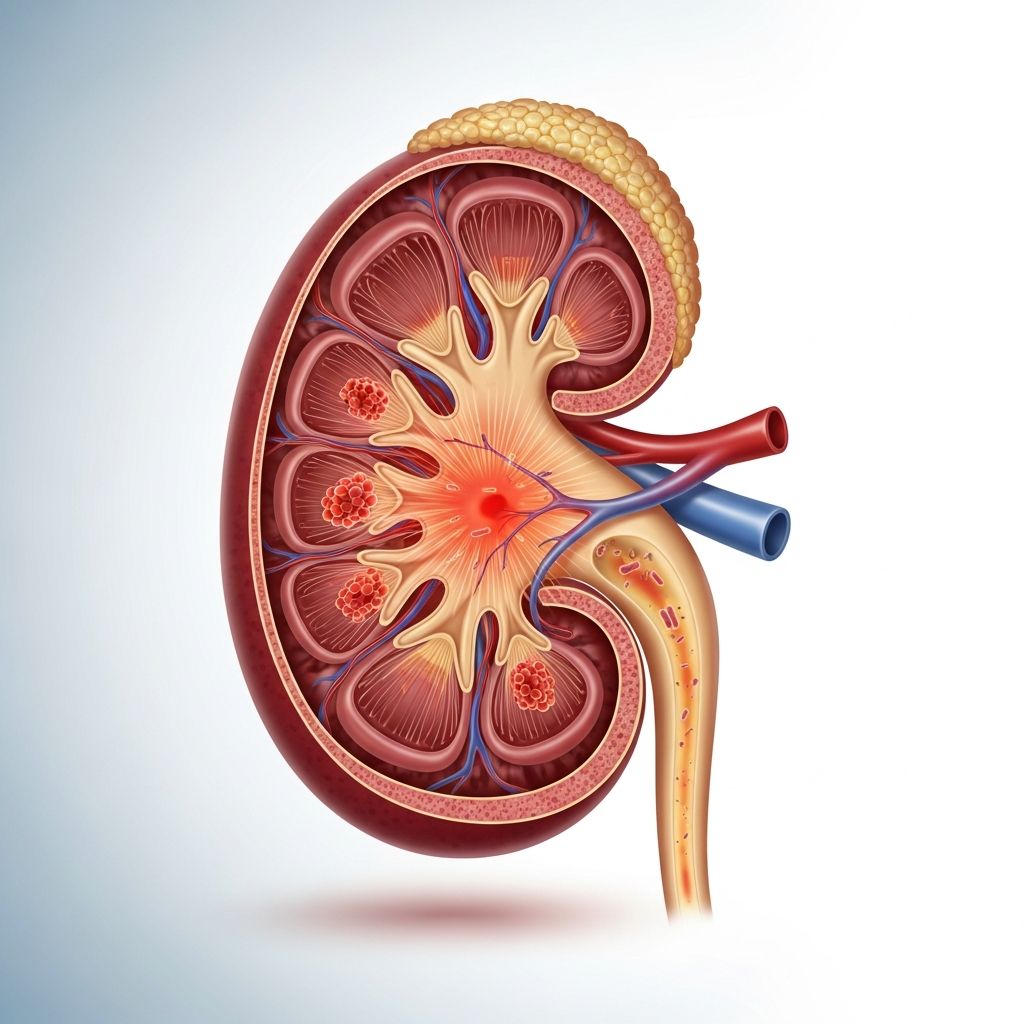
Understanding Kidney Infections: A Comprehensive Guide to Pyelonephritis
A kidney infection, medically known as pyelonephritis, is a serious type of urinary tract infection that occurs when bacteria ascend from the lower urinary tract and infect one or both kidneys. Unlike simple urinary tract infections that affect the bladder and urethra, kidney infections can lead to severe complications if left untreated. Understanding the symptoms, causes, and treatment options is essential for protecting your kidney health and preventing long-term damage.
What Is a Kidney Infection?
A kidney infection occurs when bacteria travel up through the urethra to the bladder and then continue into the ureters, eventually reaching the kidneys. This ascending infection can cause inflammation of the kidney tissue and disrupt normal kidney function. Kidney infections are more serious than lower urinary tract infections and require prompt medical attention. According to Cleveland Clinic data, approximately 1 in 2,000 people in the U.S. experience a kidney infection each year, making it a relatively common but serious health concern.
The urinary system functions by filtering waste from the blood to create urine. This urine travels through tubes called ureters to the bladder, where it’s stored until it’s time to urinate. During urination, urine passes through the urethra and exits the body. Under normal circumstances, this system is protected from bacterial infection, but when bacteria manage to enter and multiply, a kidney infection can develop.
Recognizing Kidney Infection Symptoms
Recognizing the symptoms of a kidney infection is crucial for early diagnosis and treatment. Kidney infection symptoms often develop suddenly and can vary in severity. Common signs include:
Fever and Chills: One of the most distinctive signs of a kidney infection is a fever, often accompanied by chills and sweating. This occurs as your body’s immune system fights the bacterial infection.
Back and Side Pain: Patients typically experience pain in the lower back or side, usually on the affected side where the infected kidney is located. This pain can range from mild to severe.
Urinary Symptoms: Kidney infections often cause painful urination, frequent urges to urinate, and changes in urine appearance. Urine may appear cloudy, dark, or even contain visible blood (hematuria).
General Illness Symptoms: Additional symptoms may include nausea, vomiting, fatigue, and malaise. Some patients report a general feeling of being unwell.
Abdominal Pain: Lower abdominal discomfort or pain is common, particularly in the area above the bladder.
In some cases, especially in young children or elderly individuals, symptoms may be less obvious or atypical. If you experience fever combined with back pain or urinary symptoms, seek medical attention promptly.
Understanding the Causes of Kidney Infections
Kidney infections are primarily caused by bacterial organisms that enter the urinary tract. The most common causative bacteria include E. coli, which normally inhabits the gastrointestinal tract but can cause infection when it enters the urinary system. Other bacterial culprits include Klebsiella pneumoniae, Proteus mirabilis, and various Staphylococcus species.
Related Stories



While bacterial infections account for the vast majority of kidney infections, viral infections can occasionally cause pyelonephritis, though this is rare in individuals with healthy immune systems. The infection typically begins as a lower urinary tract infection and ascends to the kidneys if not treated appropriately.
Anatomical and functional abnormalities of the urinary tract significantly increase the risk of kidney infections. Vesicoureteral reflux, where urine flows backward from the bladder toward the kidneys, creates an ideal environment for bacterial growth. Urinary tract obstructions from kidney stones, tumors, or congenital abnormalities can trap bacteria and increase infection risk.
Risk Factors for Kidney Infections
Certain individuals face higher risks of developing kidney infections. Understanding these risk factors can help with prevention and early detection:
Female Gender: Women are significantly more susceptible to kidney infections than men. The female urethra is shorter, providing a more direct pathway for bacteria to reach the bladder and kidneys. Additionally, the urethral opening is located closer to the anus, facilitating bacterial transmission.
Urinary Tract Abnormalities: Structural problems such as vesicoureteral reflux, kidney stones, or urinary obstructions increase infection susceptibility. These conditions prevent normal urine flow and create environments where bacteria can flourish.
Weakened Immune System: Individuals with compromised immune systems, including those with diabetes, HIV/AIDS, or those taking immunosuppressive medications, face higher infection risks.
Pregnancy: Pregnant women experience physiological changes that increase kidney infection risk. Hormonal changes relax the smooth muscles of the ureters, slowing urine flow and promoting bacterial growth.
Neurogenic Bladder: Conditions that impair normal bladder function, such as spinal cord injuries or multiple sclerosis, increase infection risk by preventing complete bladder emptying.
Catheter Use: Indwelling urinary catheters provide a pathway for bacteria to enter the urinary tract and increase infection risk significantly.
Previous UTI History: A history of recurrent urinary tract infections increases the likelihood of developing kidney infections.
Age: Both very young children and elderly individuals face increased kidney infection risks.
Diagnostic Approaches for Kidney Infections
Healthcare providers employ multiple diagnostic methods to confirm kidney infections and determine the appropriate treatment. A comprehensive diagnostic evaluation typically includes:
Clinical Evaluation: Your healthcare provider will conduct a detailed medical history and physical examination, asking about your symptoms, their onset and severity, and any relevant health conditions. During the physical examination, they may assess for tenderness over the kidneys.
Urinalysis: This fundamental test examines your urine for signs of infection, including white blood cells, nitrites, and bacteria. The presence of these elements strongly suggests a urinary tract infection and helps confirm the diagnosis.
Urine Culture: A urine sample is sent to the laboratory to identify the specific bacteria causing the infection and determine antibiotic sensitivity. This information guides targeted antibiotic therapy.
Blood Tests: Blood work evaluates kidney function, checks white blood cell counts for signs of infection, and assesses overall health. Tests may include creatinine and blood urea nitrogen (BUN) measurements to evaluate kidney function.
Imaging Studies: Depending on your clinical presentation, imaging may be recommended. Renal ultrasound or computerized tomography (CT) scans can visualize kidney structure, identify abnormalities, assess for obstructions, and reveal anatomical variations that might predispose to infection.
Renal Biopsy: In rare cases where diagnosis remains unclear or to evaluate chronic kidney infections, a biopsy may be performed to examine kidney tissue directly.
Early diagnosis is critical for preventing kidney damage and complications. If imaging shows persistent fever or elevated white blood cell counts after 72 hours of antibiotic therapy, additional investigation may be warranted to identify underlying complications.
Treatment Options for Kidney Infections
Prompt antibiotic treatment is the cornerstone of kidney infection management. Healthcare providers typically prescribe antibiotics based on the identified bacteria and its antibiotic sensitivity profile. Treatment duration is crucial for complete eradication of the infection.
Antibiotic Therapy: Most kidney infections require a minimum of 14 days of antibiotic treatment. Common antibiotics include fluoroquinolones such as ciprofloxacin or levofloxacin, third-generation cephalosporins, and trimethoprim-sulfamethoxazole. Your provider may prescribe a combination of antibiotics for enhanced efficacy.
Hospitalization: Severe kidney infections may require hospitalization for intravenous antibiotic administration. This is particularly important if you have a high fever, severe dehydration, nausea and vomiting preventing oral medication, pregnancy complications, a weakened immune system, or underlying kidney disease.
Symptomatic Relief: Over-the-counter pain relievers such as acetaminophen or ibuprofen can help manage fever and pain while antibiotics work. Apply heat to the back or side to alleviate discomfort.
Hydration: Drinking plenty of fluids helps dilute urine, promotes kidney function, and may help flush bacteria from the urinary tract. Adequate hydration supports the body’s natural defenses.
Lifestyle Modifications: Complete bed rest during the acute phase, avoiding caffeine and alcohol which may irritate the bladder, and maintaining good personal hygiene all support recovery.
When to Seek Hospital Treatment
While many kidney infections can be treated on an outpatient basis, certain situations require hospitalization:
– High fever (temperature above 103°F/39.4°C) with severe illness
– Unable to tolerate oral medications due to vomiting
– Pregnancy with kidney infection
– Immunocompromised status or serious underlying medical conditions
– Signs of sepsis or bacteremia
– No improvement after 48-72 hours of appropriate antibiotic therapy
– Severe dehydration or acute kidney injury
Potential Complications of Untreated Kidney Infections
Leaving a kidney infection untreated can lead to serious, sometimes life-threatening complications, particularly in vulnerable populations. Sepsis, a systemic inflammatory response to infection, represents one of the most severe complications. Bacteremia, where bacteria enter the bloodstream, can cause widespread infection throughout the body. Chronic kidney disease and permanent kidney scarring may result from repeated or prolonged infections. Recurrent kidney infections can compromise long-term kidney function and increase the risk of kidney failure in severe cases.
Prevention Strategies for Kidney Infections
While not all kidney infections are preventable, several strategies can reduce your risk:
– Maintain proper hydration by drinking adequate water throughout the day
– Practice good personal hygiene, particularly after bowel movements
– Urinate promptly after sexual intercourse to flush out bacteria
– Wipe from front to back to prevent bacterial contamination
– Avoid holding urine for extended periods
– Treat lower urinary tract infections promptly to prevent ascending infection
– If you’re prone to UTIs, discuss preventive measures with your healthcare provider
– Maintain good bladder health and ensure complete emptying during urination
Recovery and Prognosis
The outlook for treated kidney infections is generally favorable. Most people begin feeling better within two to three days of starting appropriate antibiotic therapy. However, recovery timelines vary among individuals. It’s critical to complete the entire course of antibiotics as prescribed, even if symptoms resolve earlier. Prematurely stopping antibiotics increases the risk of infection recurrence and may lead to antibiotic-resistant bacteria.
After completing treatment, follow-up appointments with your healthcare provider allow monitoring of kidney function and confirmation that the infection has completely resolved. Repeat urinalysis or urine cultures may be performed to ensure bacterial eradication.
Frequently Asked Questions About Kidney Infections
Q: How long does it take to recover from a kidney infection?
A: Most people begin feeling better within two to three days of starting antibiotics. However, complete recovery typically takes one to two weeks. Full resolution of all symptoms may take longer for some individuals, and kidney function should be monitored throughout recovery.
Q: Can kidney infections go away on their own?
A: No, kidney infections require antibiotic treatment and will not resolve without medical intervention. Untreated infections can lead to serious complications including sepsis, permanent kidney damage, and kidney failure.
Q: Is a kidney infection the same as a urinary tract infection?
A: A kidney infection is a specific type of urinary tract infection that affects the kidneys. While all kidney infections are UTIs, not all UTIs are kidney infections. UTIs can affect the bladder and urethra without reaching the kidneys.
Q: Can I prevent kidney infections if I’m prone to them?
A: Yes, several preventive measures can reduce recurrence risk, including maintaining hydration, practicing proper hygiene, urinating after intercourse, and addressing underlying urinary tract abnormalities. Discuss long-term prevention strategies with your healthcare provider.
Q: What antibiotics are typically prescribed for kidney infections?
A: Common antibiotics include fluoroquinolones (ciprofloxacin, levofloxacin), cephalosporins, and trimethoprim-sulfamethoxazole. The specific antibiotic depends on the causative bacteria and its sensitivity profile.
Q: Should I continue taking antibiotics if I feel better?
A: Yes, absolutely. Complete the entire antibiotic course as prescribed, even if symptoms disappear. Stopping early increases infection recurrence risk and promotes antibiotic resistance.
Q: Can men get kidney infections?
A: Yes, men can develop kidney infections, though they occur less frequently than in women due to anatomical differences. Men with urinary tract abnormalities or those using catheters face higher risk.
Q: Is a kidney infection an emergency?
A: While kidney infections require prompt medical attention, not all cases constitute emergencies. However, seek immediate care if you experience high fever, severe illness, signs of sepsis, or if you’re pregnant with a kidney infection.
References
- Kidney Infection (Pyelonephritis): Symptoms & Treatment — Cleveland Clinic. 2024. https://my.clevelandclinic.org/health/diseases/15456-kidney-infection-pyelonephritis
- Chronic Pyelonephritis: Symptoms, Diagnosis, and Treatment — Docus. 2024. https://docus.ai/knowledge-base/chronic-pyelonephritis
- Pyelonephritis: An Ascending Urinary Tract Infection — National Center for Biotechnology Information (NCBI). 2020. https://pmc.ncbi.nlm.nih.gov/articles/PMC7311712/
- When Does Acute Pyelonephritis Require Imaging? — Cleveland Clinic Journal of Medicine. 2019. https://www.ccjm.org/content/86/8/515
- Urinary Tract Infection (UTI): Causes, Symptoms & Treatment — Cleveland Clinic. 2024. https://my.clevelandclinic.org/health/diseases/9135-urinary-tract-infections
Similar Articles








Read full bio of Sneha Tete