Kidney Infection: Symptoms, Causes & Treatment Guide
Understand symptoms, causes, treatments, and prevention strategies for kidney infection (pyelonephritis) to protect your health effectively.
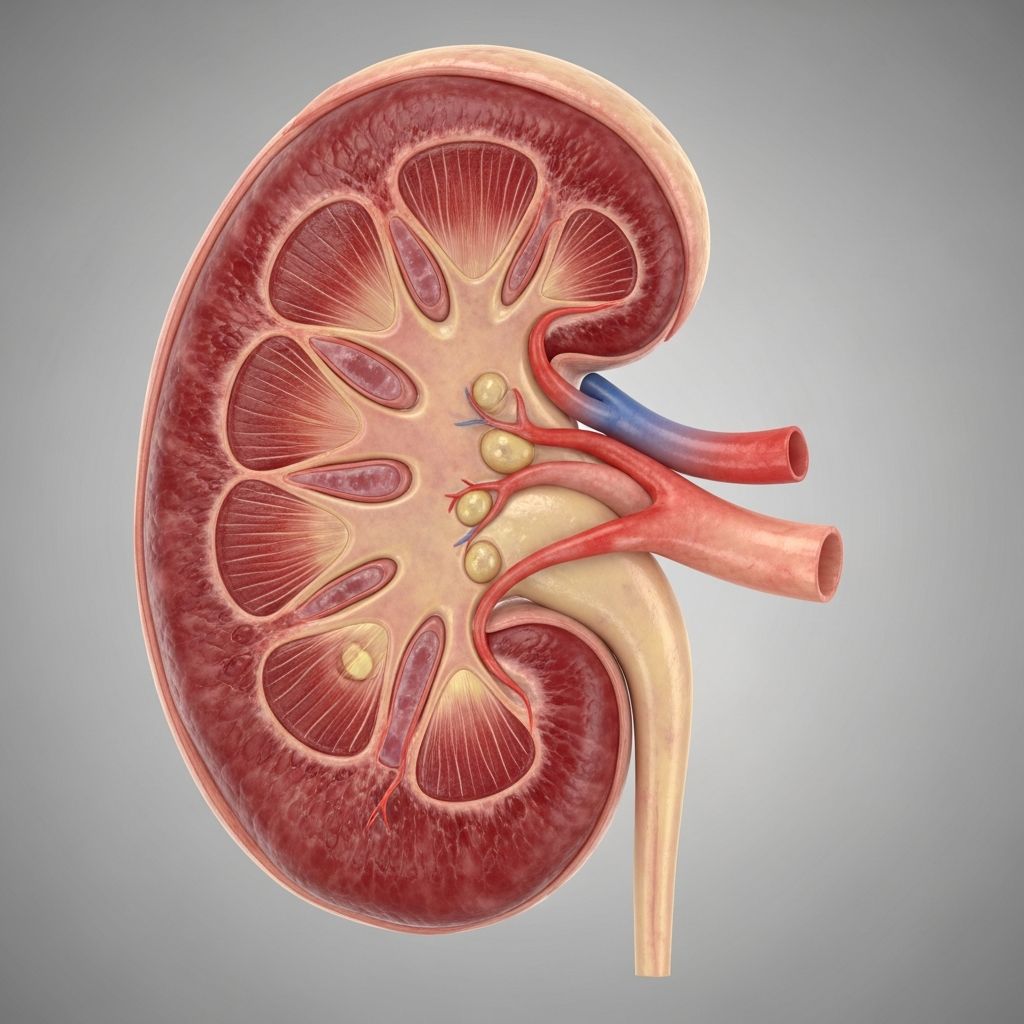
A
kidney infection
, medically termedpyelonephritis
, is a serious type of urinary tract infection (UTI) that affects one or both kidneys. It occurs when bacteria from the bladder ascend to the kidneys, potentially leading to inflammation and damage if untreated. Prompt recognition and treatment are essential to prevent complications like sepsis or permanent kidney scarring.What is Pyelonephritis?
Pyelonephritis involves bacterial infection of the renal pelvis and kidney tissue. Unlike simple bladder infections (cystitis), it reaches the upper urinary tract, causing more severe symptoms. It can be acute (sudden onset) or chronic (recurring or persistent). Women are at higher risk due to shorter urethras, but anyone can develop it, especially those with urinary tract abnormalities or weakened immunity.
The infection typically starts as a lower UTI that spreads upward. Bacteria like *E. coli* are the most common culprits, entering via the urethra and ascending.
Symptoms of Kidney Infection
Symptoms vary by severity but often progress from lower UTI signs to systemic illness. Seek immediate medical attention for moderate or severe signs.
Common Symptoms (Lower UTI-like)
- Pain or burning sensation during urination.
- Frequent urge to urinate, even after just going.
- Increased urination frequency.
- Cloudy, foul-smelling, or bloody urine.
Moderate Symptoms (Kidney Involvement)
- Pain in the lower back, sides (flanks), or groin—often one-sided.
- Fever (typically above 38°C/100.4°F).
- Chills or shaking.
Severe Symptoms (Emergency)
- High fever with rigors.
- Nausea, vomiting, and loss of appetite.
- Confusion (especially in older adults).
- Severe flank pain radiating to abdomen.
In women, additional signs include pelvic pain or vaginal irritation. Children under 2 may present only with high fever, while adults over 65 might show mental changes like confusion without classic urinary symptoms.
Causes and Risk Factors
Pyelonephritis is primarily bacterial, with *Escherichia coli* causing 70-90% of cases. Other pathogens include *Klebsiella*, *Proteus*, or *Enterococcus*.
**How it develops:** Bacteria enter the urethra, multiply in the bladder, and travel up the ureters to kidneys. Blockages or reflux facilitate spread.
Key Risk Factors
- Female sex (shorter urethra).
- Previous UTIs or bladder infections.
- Urinary tract obstructions (e.g., kidney stones, enlarged prostate).
- Vesicoureteral reflux (urine backflow to kidneys).
- Pregnancy, diabetes, or immunosuppression.
- Catheter use or recent urinary procedures.
- Sexual activity (increases bacterial introduction).
Poor hygiene, dehydration, and holding urine also contribute.
Complications of Untreated Pyelonephritis
Without treatment, bacteria can cause kidney abscesses, papillary necrosis, or scars leading to chronic kidney disease. Worst-case: sepsis (bloodstream infection), which is life-threatening with mortality up to 20-40% in severe cases.
Rarely, it leads to emphysematous pyelonephritis (gas-forming infection in diabetics) or perinephric abscess.
Diagnosis
Diagnosis combines history, exam, and tests:
Related Stories



- Urinalysis: Detects white blood cells, nitrites, bacteria.
- Urine culture: Identifies bacteria and antibiotic sensitivity (gold standard).
- Blood tests: Checks for elevated white cells, CRP, kidney function (creatinine).
- Imaging: Ultrasound or CT for complications like abscesses/stones, especially if no improvement.
Flank tenderness on exam supports diagnosis.
Treatment of Kidney Infection
**Antibiotics are the cornerstone.** Start empirically based on local resistance patterns, then tailor to culture results. Never self-treat or delay—untreated infections risk permanent damage.
Outpatient Treatment (Uncomplicated Cases)
Healthy, non-pregnant adults without vomiting/severe illness:
- Oral antibiotics: Trimethoprim-sulfamethoxazole (14 days), ciprofloxacin/levofloxacin (5-7 days), or cefalexin.
- Duration: 7-14 days; complete full course even if symptoms improve.
Hospital Treatment (Complicated/Severe)
For high fever, dehydration, pregnancy, or comorbidities:
- IV antibiotics: Ceftriaxone (preferred), piperacillin-tazobactam, or carbapenems for resistant cases.
- Single-dose gentamicin may enhance efficacy.
- Switch to oral after 1-2 days improvement.
**Supportive Care:**
- Hydration (oral/IV) to flush bacteria.
- Pain relief: Acetaminophen (avoid NSAIDs if kidney issues).
- Heating pad for flank pain.
Follow-up urine culture ensures clearance.
| Type | Examples | Duration | Notes |
|---|---|---|---|
| Oral (Uncomplicated) | Trimethoprim-SMX, Fluoroquinolones | 7-14 days | Based on sensitivities |
| IV (Severe) | Ceftriaxone, Carbapenems | Until improvement | Then oral |
Recovery and Prognosis
Most improve within 2-3 days of antibiotics, but complete course prevents relapse. Full recovery takes 1-2 weeks; monitor for persistent symptoms. Scarring possible in severe cases.
Rest, fluids, avoid irritants (caffeine/alcohol).
Prevention of Kidney Infections
Prevent ascent from bladder:
- Drink 2-3 liters water daily.
- Urinate after sex; wipe front-to-back.
- Avoid holding urine.
- Treat bladder UTIs promptly.
- Manage underlying issues (e.g., stones).
Low-dose prophylactic antibiotics for recurrent cases.
When to Seek Urgent Help
- High fever (>38.5°C), chills, vomiting.
- Severe pain unrelieved by OTC meds.
- Confusion, especially elderly.
- Pregnant or symptoms >48 hours untreated.
Frequently Asked Questions (FAQs)
Q: Can I treat a kidney infection at home?
A: No, antibiotics are required. Home remedies like cranberry juice or water help prevention but not cure active infection.
Q: How long do antibiotics take to work?
A: Symptoms often ease in 2-3 days, but finish the full 7-14 day course.
Q: Is pyelonephritis contagious?
A: No, it’s not spread person-to-person; caused by personal bacterial flora.
Q: What if antibiotics don’t work?
A: Repeat culture; may need IV therapy or imaging for abscess/blockage.
Q: Can kidney infections recur?
A: Yes, especially with risk factors; prophylaxis may be needed.
This article provides general information; consult a healthcare professional for personalized advice.
References
- Kidney infection (Pyelonephritis) symptoms, treatment and prevention — American Kidney Fund. 2023. https://www.kidneyfund.org/all-about-kidneys/other-kidney-problems/kidney-infection
- Kidney infection – Diagnosis and treatment — Mayo Clinic. 2024-01-15. https://www.mayoclinic.org/diseases-conditions/kidney-infection/diagnosis-treatment/drc-20353393
- Acute Pyelonephritis — NCBI StatPearls (NIH). 2023-07-17. https://www.ncbi.nlm.nih.gov/books/NBK519537/
- Kidney infection (pyelonephritis) — Healthdirect (Australian Government). 2024. https://www.healthdirect.gov.au/kidney-infection
- Kidney Infections: Symptoms, Causes, Treatments, and Prevention — WebMD. 2023. https://www.webmd.com/a-to-z-guides/kidney-infections-symptoms-and-treatments
- Kidney infection — NHS (UK). 2023-11-01. https://www.nhs.uk/conditions/kidney-infection/
- Pyelonephritis — Merck Manuals. 2024. https://www.merckmanuals.com/home/kidney-and-urinary-tract-disorders/urinary-tract-infections-utis/kidney-infection
Similar Articles








Read full bio of medha deb