Kidney Infection Symptoms: 5 Key Signs And When To Seek Help
Recognize kidney infection symptoms early to prevent serious complications like kidney damage or sepsis.
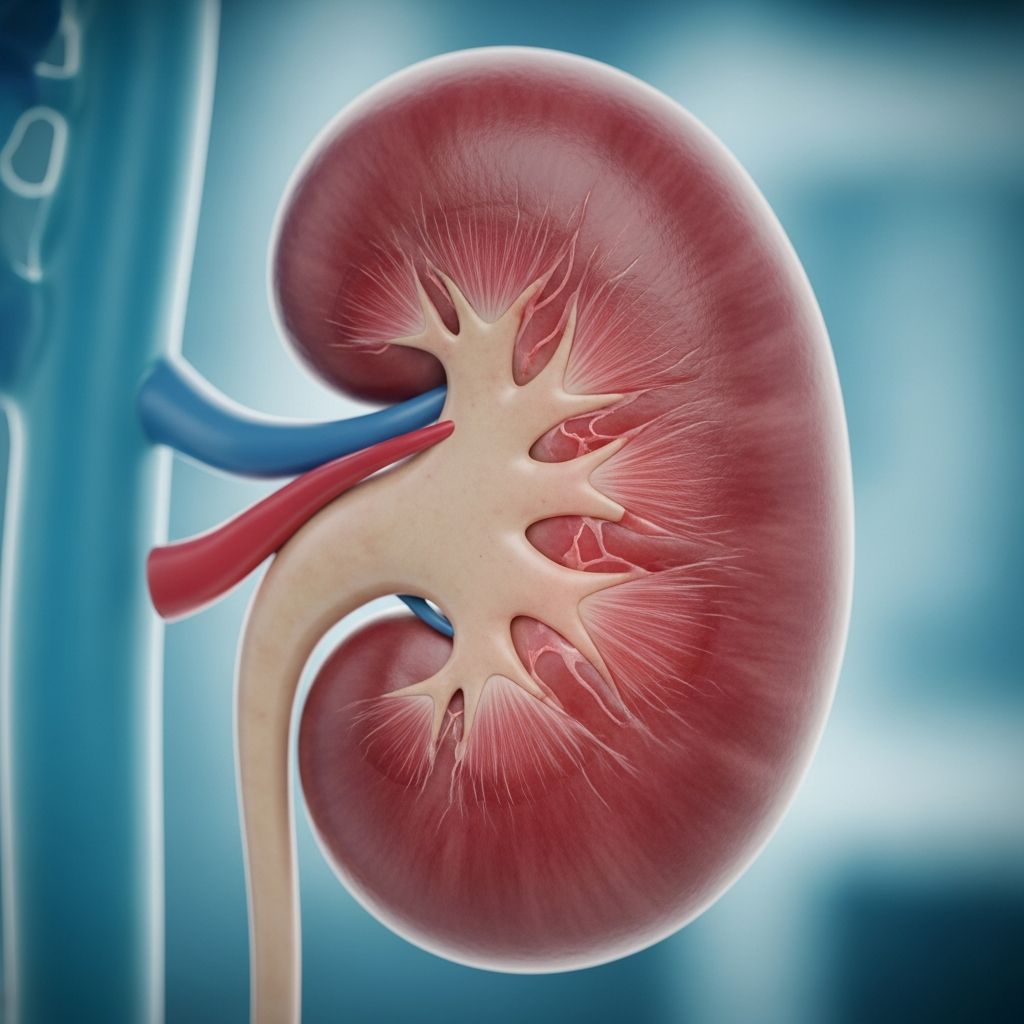
A kidney infection, medically known as
pyelonephritis
, is a serious type of urinary tract infection (UTI) that affects one or both kidneys. It typically starts as a bladder or urethra infection and ascends to the kidneys if untreated, requiring prompt antibiotics to prevent permanent damage or life-threatening spread to the bloodstream.What Is a Kidney Infection?
Kidney infections occur when bacteria, most commonly *Escherichia coli* (E. coli) from the intestines, enter the urinary tract via the urethra, multiply in the bladder, and travel up the ureters to the kidneys. This bacterial invasion causes inflammation and potential abscess formation in the renal pelvis and tissue. Unlike simple bladder infections (cystitis), pyelonephritis demands urgent care as it can lead to sepsis, kidney scarring, or failure.
In rare instances, infections reach the kidneys hematogenously from distant sites like infected heart valves or skin abscesses. Women face higher risks due to anatomical factors, but men, children, and immunocompromised individuals are also vulnerable. Early recognition of symptoms is crucial, as untreated cases escalate rapidly.
Kidney Infection Symptoms
Symptoms often emerge suddenly and intensely, distinguishing pyelonephritis from lower UTIs. Common signs include:
- Fever and chills: High fever above 101°F (38.3°C), often with shaking chills, signals systemic infection.
- Flank or back pain: Dull ache or sharp pain in the lower back or side (flank), below the ribs, worsening with movement or tapping.
- Urinary symptoms: Burning during urination (dysuria), frequent urges, cloudy or foul-smelling urine, pus or blood (hematuria).
- Gastrointestinal issues: Nausea, vomiting, abdominal pain, and diarrhea.
- General malaise: Fatigue, weakness, confusion (especially in elderly).
In children, symptoms may be subtle: fever without clear source, irritability, poor feeding, or abdominal pain. Older adults might present with delirium, falls, or sepsis without urinary complaints. About one-third also experience cystitis symptoms like urgency.
Symptoms That Require Immediate Care
Seek emergency help for severe indicators like high fever with bloody urine, persistent vomiting, intense flank pain suggesting renal colic, or signs of sepsis (rapid heart rate, low blood pressure, confusion).
Causes of Kidney Infection
The primary cause is bacterial ascent from the lower urinary tract. E. coli accounts for 90% of community-acquired cases, entering via poor hygiene, sexual activity, or fecal contamination. Other pathogens include *Klebsiella*, *Proteus*, or *Enterococcus*.
Less commonly, bacteria spread via bloodstream (5% of cases) from endocarditis, osteomyelitis, or IV drug use. Post-surgical infections or those in vesicoureteral reflux (VUR) patients also occur. Chronic cases link to obstructions like stones or tumors.
Risk Factors for Kidney Infection
Several factors heighten susceptibility:
- Female anatomy: Shorter urethra (4 cm vs. 20 cm in males) near vagina/anus facilitates bacterial entry. Pregnancy exacerbates reflux risk.
- Urinary obstructions: Kidney stones, enlarged prostate (BPH), tumors block flow, promoting stasis and ascent.
- Immune compromise: Diabetes, HIV, chemotherapy, steroids, or transplants weaken defenses.
- Catheter use: Indwelling catheters introduce bacteria, common in hospitalized or bedbound patients.
- Neurological issues: Spinal cord injury or diabetic neuropathy impairs bladder emptying sensation.
- Vesicoureteral reflux: Urine backflows from bladder to ureters, risking recurrent infections.
Related Stories



Recurrent UTIs without treatment significantly elevate pyelonephritis odds.
Complications of Untreated Kidney Infection
Delays can yield grave outcomes:
- Kidney scarring: Leads to hypertension, chronic kidney disease (CKD), or end-stage renal failure.
- Sepsis (urosepsis): Bacteria enter blood, causing shock, organ failure, or death (mortality up to 20-40% in severe cases).
- Perinephric abscess: Pus collections requiring drainage.
- Pregnancy risks: Preterm labor, low birth weight, or maternal anemia.
- Chronic pyelonephritis: Persistent infection erodes kidney function over years.
Imaging confirms scarring in recurrent cases.
Diagnosis of Kidney Infection
Clinicians start with history and exam: flank tenderness (costovertebral angle, CVA tenderness). Key tests include:
| Test | Purpose | Findings |
|---|---|---|
| Urinalysis | Detect infection/inflammation | Pyuria (WBCs >10/HPF), bacteriuria, hematuria, nitrites |
| Urine culture | Identify pathogen/sensitivity | Grows >10^5 CFU/mL bacteria; guides antibiotics |
| Blood tests | Assess severity | Leukocytosis, elevated CRP/ESR, creatinine for function |
| Imaging (if complicated) | Rule out obstruction/abscess | Ultrasound/CT: stones, hydronephrosis, abscess |
Positive urine culture with symptoms confirms diagnosis. Blood cultures if sepsis suspected.
Treatment for Kidney Infection
Antibiotics are cornerstone, selected by culture (empiric initially: ciprofloxacin, ceftriaxone).
- Mild outpatient: Oral fluoroquinolones or trimethoprim-sulfamethoxazole for 7-14 days.
- Severe/hospitalized: IV antibiotics (e.g., piperacillin-tazobactam), hydration, pain control; switch to oral after 48-72 hours afebrile.
- Complicated: Longer courses (2-6 weeks), surgery for abscess/stones.
Pregnant patients avoid fluoroquinolones; use beta-lactams. Follow-up culture ensures clearance. Pain relief with acetaminophen/ibuprofen; avoid NSAIDs if dehydrated.
Prevention of Kidney Infection
Proactive steps reduce recurrence:
- Hydration: Drink 8-10 glasses water daily to flush bacteria.
- Hygiene: Wipe front-to-back, urinate post-sex, avoid irritating products.
- Void promptly: Don’t hold urine.
- Prophylaxis: Low-dose antibiotics for frequent UTIs.
- Manage risks: Control diabetes, treat stones/BPH, proper catheter care.
Frequently Asked Questions (FAQs)
How long do kidney infection symptoms last?
With antibiotics, fever resolves in 48-72 hours; full recovery in 1-2 weeks. Persistent symptoms warrant re-evaluation.
Can a kidney infection go away on its own?
Rarely; untreated risks complications. Antibiotics are essential.
What’s the difference between a UTI and kidney infection?
UTI is lower tract (bladder); kidney infection adds systemic symptoms like fever/back pain.
Is kidney infection contagious?
No, it’s not person-to-person; caused by personal flora.
When pregnant, is kidney infection dangerous?
Yes, risks preterm birth; seek immediate care.
References
- Kidney infection – Symptoms and causes — Mayo Clinic. 2023-10-12. https://www.mayoclinic.org/diseases-conditions/kidney-infection/symptoms-causes/syc-20353387
- Pyelonephritis (Kidney Infection) — Merck Manuals. 2024-05-01. https://www.merckmanuals.com/home/kidney-and-urinary-tract-disorders/urinary-tract-infections-utis/kidney-infection
Similar Articles








Read full bio of medha deb