Kidney Pain: Causes, Symptoms, and Treatment
Complete guide to kidney pain: understanding causes, recognizing symptoms, and finding relief.
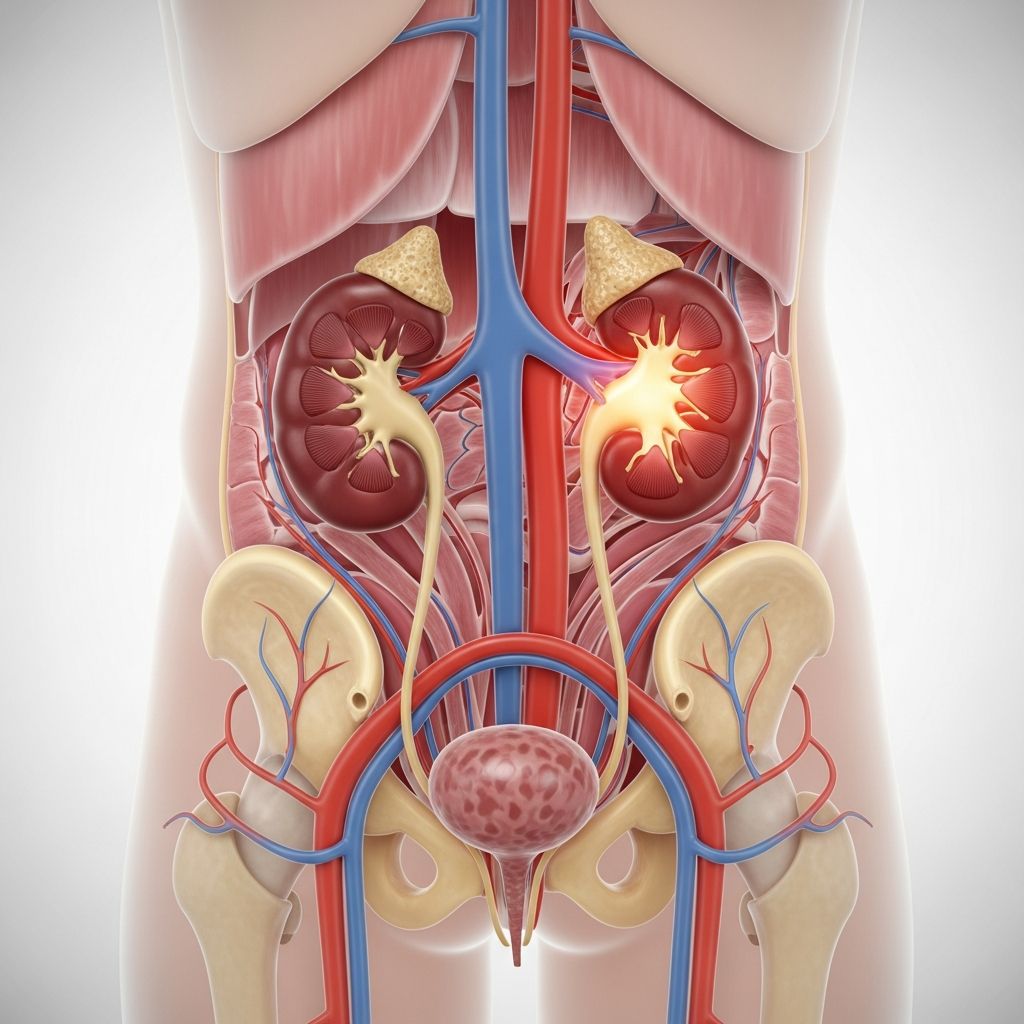
Kidney pain is a common health concern that can range from mild discomfort to severe, debilitating pain. Understanding the underlying causes, recognizing symptoms, and knowing when to seek medical attention is essential for proper diagnosis and treatment. Your kidneys are vital organs that filter waste from your blood and produce urine, and when they experience problems, the pain can significantly impact your quality of life.
Understanding Kidney Pain
Kidney pain, also known as flank pain when it occurs on the sides of your body, typically manifests in the area between your lower ribs and hips. Unlike other types of abdominal pain, kidney pain is usually felt on one side of your body and doesn’t improve with over-the-counter pain relievers in many cases. The kidneys are located behind your abdominal organs, so pain from these organs feels different from other internal discomfort you might experience.
It’s important to distinguish kidney pain from other types of back or abdominal pain. Kidney pain is usually deeper, more constant, and localized to specific areas, whereas muscle strains typically worsen with movement and improve with rest. Understanding these differences can help you communicate more effectively with your healthcare provider.
Common Causes of Kidney Pain
Kidney Stones
Kidney stones are one of the most common causes of kidney pain. These are mineral and salt deposits that accumulate in the kidneys and can cause intense, sharp discomfort. When a kidney stone moves through your urinary tract, it creates renal colic—waves of severe pain that can radiate from your back to your groin. The pain from kidney stones can be extremely intense and is often described as one of the worst pains a person can experience.
The pain typically occurs in waves and can last from 20 to 60 minutes or longer. You may also notice blood in your urine, increased urination frequency, and nausea or vomiting accompanying the pain.
Urinary Tract Infections (UTIs)
When bacteria enter your urinary system, they can cause infections that affect the bladder, urethra, or kidneys. Kidney infections, also known as pyelonephritis, are more serious than lower urinary tract infections and can cause significant pain. Unlike bladder infections, kidney infections often develop suddenly and can make you feel acutely ill.
Symptoms of a kidney infection include fever, lower back pain on one or both sides, pain during urination, and cloudy or blood-tinged urine. Approximately 1 in 2,000 people in the United States experience a kidney infection annually, making it a relatively common condition.
Hydronephrosis
Hydronephrosis occurs when urine backs up in your kidney, causing swelling and pain. This condition develops when something blocks the normal flow of urine through your urinary system. It can affect one or both kidneys and may result in sudden, intense pain in your back or side. Additional symptoms include vomiting, painful urination, blood in urine, and potentially weakness or fever if a urinary tract infection develops.
Renal Trauma
Physical injury to your kidneys can occur from falls, accidents, or sports-related injuries. Renal trauma can range from minor injuries to severe conditions requiring immediate medical attention. Symptoms may include flank pain, bruising over the affected area, blood in the urine, and abdominal tenderness. In severe cases, you may experience shock or life-threatening complications.
Related Stories



Polycystic Kidney Disease (PKD)
This genetic disorder involves the development of fluid-filled cysts in the kidneys that can impair their function over time. PKD can cause pain or discomfort in the lower back or sides, high blood pressure, frequent urinary tract infections, and blood in the urine. Some patients may develop kidney stones or experience progressive kidney failure.
Kidney Cancer
While less common than other causes, kidney cancer can produce kidney pain along with other symptoms. Blood in the urine, persistent lower back pain on one side, abdominal lumps or masses, unexplained weight loss, fatigue, and fever are common indicators. Early-stage kidney cancer may be asymptomatic and is often discovered incidentally during imaging tests performed for other reasons.
Renal Vein Thrombosis (RVT)
This condition involves the formation of a blood clot in the renal vein, which carries blood away from the kidneys. RVT can lead to impaired kidney function and potentially life-threatening complications. Symptoms include sudden and severe lower back pain, blood in the urine, swelling in the affected area, and decreased urine output.
Recognizing Kidney Pain Symptoms
Primary Symptoms
The primary symptom of kidney pain is typically a sharp, intense, or dull ache on one or both sides of your body, between your lower ribs and hips. This pain:
- Is usually constant or intermittent
- May radiate to your groin or lower abdomen
- Doesn’t worsen with movement or position changes
- Can be severe enough to interfere with daily activities
- May feel like pressure or heaviness rather than sharp pain
Associated Symptoms
Kidney pain rarely occurs in isolation. Depending on the underlying cause, you may experience:
- Nausea and vomiting
- Fever or chills
- Blood in urine (hematuria)
- Burning sensation during urination
- Increased or decreased urination frequency
- Cloudy or foul-smelling urine
- Abdominal swelling or tenderness
- Fatigue or weakness
- Unexplained weight loss
Distinguishing Kidney Pain from Other Conditions
Accurate diagnosis requires understanding how kidney pain differs from other types of discomfort. Muscle strains in the back and flanks can produce similar-feeling pain, but kidney pain has distinct characteristics that set it apart.
| Characteristic | Kidney Pain | Muscle Strain |
|---|---|---|
| Location | Deep, one side, between ribs and hip | Surface level, can be bilateral |
| Movement Sensitivity | Doesn’t worsen with movement | Worsens with bending, twisting, lifting |
| Duration | Constant or waves of pain | Improves with rest and stretching |
| Associated Symptoms | Fever, urinary changes, nausea | Localized tenderness, bruising |
| Response to Movement | No improvement with rest | Significant improvement with rest |
When to Seek Medical Attention
You should contact a healthcare provider if you experience:
- Sudden or severe pain in your back or side
- Pain accompanied by fever
- Blood in your urine
- Persistent nausea or vomiting
- Difficulty urinating or changes in urination patterns
- Pain that doesn’t improve with home remedies
- Symptoms that last longer than a few days
- Weakness or feeling faint
Seek emergency medical care if you have severe pain, signs of infection with high fever, or inability to urinate.
Diagnosis of Kidney Pain
Your healthcare provider will perform a comprehensive evaluation to determine the cause of your kidney pain. This typically includes:
- Medical History: Discussion of your symptoms, their duration, and any previous kidney problems
- Physical Examination: Assessment of your abdomen and flanks for tenderness or abnormalities
- Urine Tests: Analysis for blood, bacteria, crystals, or other abnormalities
- Blood Tests: Evaluation of kidney function and infection markers
- Imaging Studies: Ultrasound, CT scan, or X-rays to visualize kidney structure and identify stones or blockages
Treatment Options for Kidney Pain
Pain Management
For mild kidney pain, over-the-counter pain relievers such as ibuprofen or acetaminophen may provide relief. For more severe pain, particularly from kidney stones or infections, your healthcare provider may prescribe stronger medications. In cases of renal colic, prescription-strength pain medications may be necessary to manage intense discomfort.
Treatment Based on Underlying Cause
Kidney Stones: Small stones may pass naturally with increased hydration and pain management. Larger stones may require procedures such as extracorporeal shock wave lithotripsy (ESWL) or surgical removal.
Urinary Tract Infections: Bacterial infections are treated with antibiotics. Completing the full course of antibiotics is essential, even if symptoms improve earlier. Increased fluid intake helps flush bacteria from your system.
Hydronephrosis: Treatment depends on the underlying cause of urine backup. This may involve removing obstructions, treating infections, or placing stents to maintain urinary flow.
Polycystic Kidney Disease: Management focuses on controlling symptoms and preventing complications. Blood pressure medications, pain management, and antibiotics for infections are commonly used. Lifestyle modifications including low-sodium diet and adequate hydration support kidney health. Severe cases may require dialysis or kidney transplantation.
Renal Trauma: Treatment ranges from conservative observation with monitoring for minor injuries to surgical intervention for severe trauma.
Kidney Cancer: Treatment options may include surgery, chemotherapy, radiation therapy, or targeted therapy depending on cancer stage and severity.
Lifestyle Modifications
Several lifestyle changes can help manage kidney pain and prevent future episodes:
- Increase water intake to promote proper hydration and kidney function
- Follow a low-sodium diet to reduce kidney stress
- Limit protein intake if recommended by your healthcare provider
- Avoid excessive caffeine and alcohol
- Maintain a healthy weight through balanced diet and regular exercise
- Manage blood pressure with medication and lifestyle changes
- Address urinary tract infections promptly
Prevention Strategies
While not all kidney pain is preventable, certain strategies reduce your risk:
- Drink adequate water daily to maintain proper hydration
- Practice good hygiene to prevent urinary tract infections
- Manage chronic conditions like diabetes and high blood pressure
- Avoid excessive use of over-the-counter pain medications
- Maintain a healthy diet low in sodium and excessive protein
- Exercise regularly to maintain overall health
- Seek prompt treatment for any urinary symptoms
Frequently Asked Questions
Q: What does kidney pain feel like?
A: Kidney pain typically feels like a sharp, intense, or dull ache on one or both sides of your body between your lower ribs and hips. It may radiate to your groin or lower abdomen and is usually constant or occurs in waves. Unlike muscle pain, kidney pain doesn’t worsen with movement.
Q: Is kidney pain always serious?
A: While kidney pain warrants medical evaluation, not all causes are serious. However, certain conditions like kidney infections or trauma require prompt treatment to prevent complications. Any persistent kidney pain should be evaluated by a healthcare provider.
Q: How long does kidney pain typically last?
A: Duration varies depending on the cause. Kidney stone pain may last 20 to 60 minutes or longer in waves, while infection-related pain may persist for several days without treatment. Seek medical attention if pain lasts longer than a few days.
Q: Can kidney pain go away on its own?
A: Some cases, such as small kidney stones, may resolve naturally with supportive care and hydration. However, most causes of kidney pain require medical treatment to address the underlying condition and prevent complications.
Q: When should I go to the emergency room for kidney pain?
A: Seek emergency care if you experience severe pain, high fever, inability to urinate, signs of infection, or symptoms following trauma to the kidney area.
Q: Can medications prevent kidney pain?
A: Certain medications can help prevent recurrent kidney stones or manage chronic kidney conditions. Your healthcare provider can recommend preventive medications based on your specific situation.
References
- Kidney Stones: Causes, Symptoms, Diagnosis & Treatment — Cleveland Clinic. 2024. https://my.clevelandclinic.org/health/diseases/15604-kidney-stones
- Flank Pain: Causes, Symptoms, Diagnosis & Treatment — Cleveland Clinic. 2024. https://my.clevelandclinic.org/health/symptoms/21541-flank-pain
- Renal Colic: Causes, Diagnosis & Treatment — Cleveland Clinic. 2024. https://my.clevelandclinic.org/health/symptoms/22847-renal-colic
- Kidney Infection (Pyelonephritis): Symptoms & Treatment — Cleveland Clinic. 2024. https://my.clevelandclinic.org/health/diseases/15456-kidney-infection-pyelonephritis
- Hydronephrosis: Causes, Symptoms, Diagnosis & Treatment — Cleveland Clinic. 2024. https://my.clevelandclinic.org/health/diseases/15417-hydronephrosis
- 6 Causes of Right Kidney Pain: Symptoms and Treatment — NU Hospitals. 2024. https://www.nuhospitals.com/blog/6-causes-of-right-kidney-pain-symptoms-and-treatment/
- Kidney Failure: Stages, ESRD, Causes, Symptoms & Treatment — Cleveland Clinic. 2024. https://my.clevelandclinic.org/health/diseases/17689-kidney-failure
Similar Articles








Read full bio of medha deb