Kidney Scan: Purpose, Procedure, and Results
Complete guide to kidney scans: Learn about nuclear imaging, procedures, and what results mean.
Understanding Kidney Scans
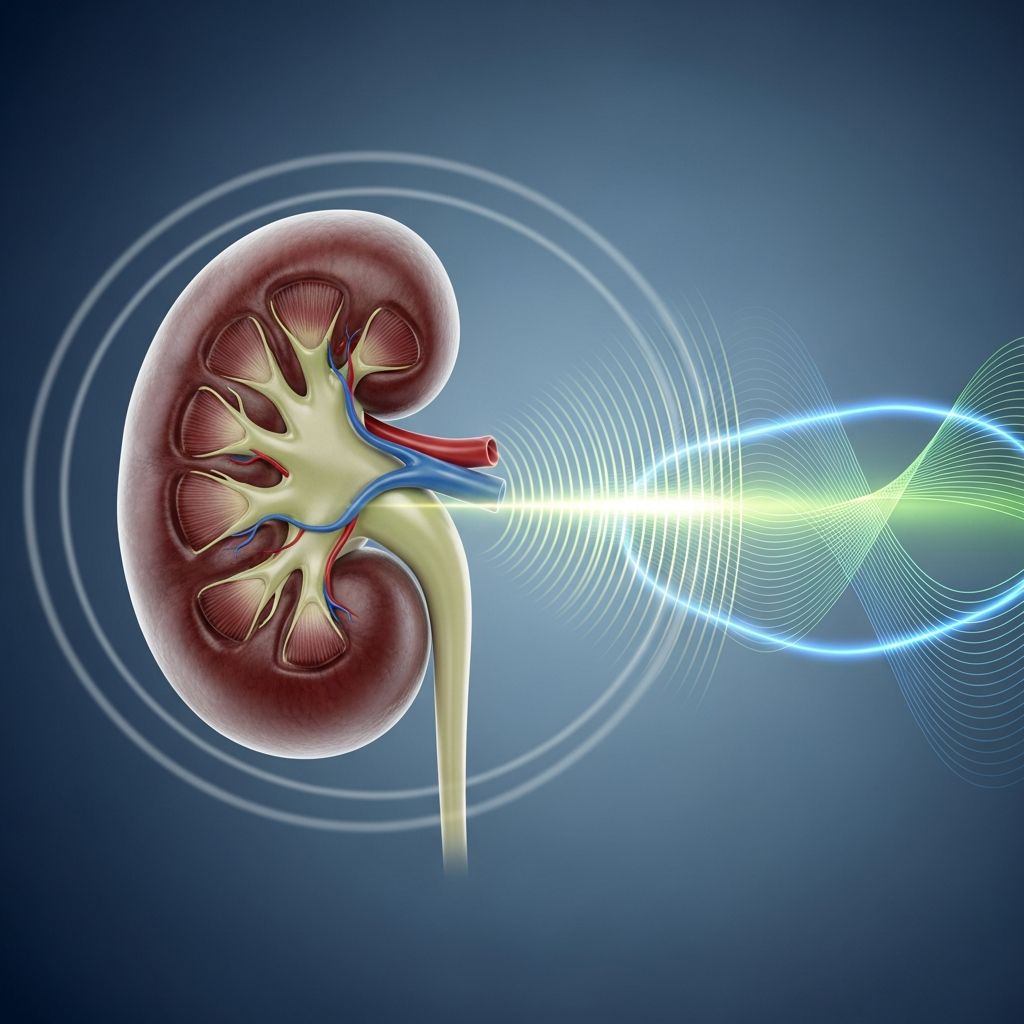
A kidney scan, also known as renal scintigraphy or nuclear renal imaging, is a diagnostic test that uses radioactive material to examine your kidneys and assess their function. This nuclear medicine procedure provides detailed information about both the structure and function of your kidneys, helping doctors identify problems that might not be visible with other imaging methods. Unlike invasive surgical procedures, kidney scans offer a non-invasive way to diagnose kidney problems in their early stages.
The procedure involves injecting a small amount of radioactive material called a radioisotope into your bloodstream. This radioactive tracer travels to your kidneys, where it emits gamma rays that a special camera detects to create detailed images. The gamma camera works in conjunction with a computer to produce images that reveal how your kidneys are functioning and whether any structural abnormalities are present.
Why Your Doctor May Order a Kidney Scan
Your healthcare provider may recommend a kidney scan for several important reasons. This test is particularly valuable when doctors need to evaluate kidney function or assess specific kidney problems that require detailed imaging. A kidney scan can explore more than one type of problem during the same procedure, making it an efficient diagnostic tool.
Common reasons for ordering a kidney scan include:
- Evaluating decreased blood flow to the kidneys
- Investigating renovascular hypertension, which is high blood pressure originating from the renal arteries
- Detecting tumors or cysts in the kidney tissue
- Identifying kidney abscesses or infections
- Diagnosing chronic kidney disease or kidney failure
- Assessing the success of kidney treatments or interventions
- Monitoring for rejection of a kidney transplant
- Detecting blockages in the renal arteries due to injury or trauma
- Identifying obstructions that restrict urine flow from the kidneys to the bladder
How Kidney Scans Compare to Other Imaging Methods
While kidney scans are highly effective, they are one of several imaging options available for evaluating kidney health. Other forms of renal imaging include CT scans, X-rays, ultrasounds, and MRI imaging. Each method has distinct advantages depending on what your doctor needs to evaluate. Nuclear renal imaging is particularly valuable for assessing kidney function and blood flow, whereas CT scans or ultrasounds might be better for visualizing structural details.
Preparation for Your Kidney Scan
Proper preparation helps ensure your kidney scan produces clear, accurate images. Before your procedure, inform your healthcare provider about any medications you are taking, as some may need to be adjusted. You should also disclose any allergies or sensitivities you have, particularly to medications or contrast agents.
On the day of your appointment, follow these preparation steps:
- Remove any clothing that could interfere with the scan, or wear loose, comfortable clothing
- Take off all jewelry, including rings, necklaces, and earrings
- Remove dentures or other removable dental work
- Leave all metal items at home or remove them before the procedure
- Empty your bladder before the procedure begins
You may be asked to change into a hospital gown to ensure nothing interferes with the imaging. Arrive at your appointment early to allow time for check-in and to answer any additional questions your medical team may have.
What to Expect During the Procedure
Related Stories



Understanding what happens during your kidney scan can help you feel more comfortable and prepared. The entire procedure typically takes 30 to 60 minutes from start to finish, though the actual scanning time is shorter.
Initial Setup
When you arrive for your kidney scan, you will be escorted to the nuclear medicine department. You’ll be asked to lie down on a comfortable scanning table. A technician may insert an intravenous (IV) line into a vein in your hand or arm if one is not already in place. This IV line allows the medical team to administer the radioactive tracer safely.
Radioactive Tracer Injection
The technician will inject the radioactive material directly into your vein through the IV line. You may feel a quick, sharp poke with the injection, but the procedure is generally well-tolerated. The radioisotope quickly enters your bloodstream and begins traveling to your kidneys. The radioactive tracer interacts differently in different types of tissue, which helps physicians determine if something is wrong with your kidneys or if they are functioning normally.
Waiting Period
After the injection, there may be a waiting period of several minutes to allow your kidneys to process the radioactive material. During this time, you’ll remain on the scanning table. This waiting period is crucial because it allows the tracer to accumulate in your kidneys and provides time for initial filtration to occur.
Imaging Process
Once the imaging begins, the gamma camera will take a series of pictures to detect the radiation emitted by the radioactive tracer in your kidneys. The camera may rotate around you to capture images from different angles, or it may remain stationary while you change positions between images. Because any movement can alter or blur the images, you’ll need to remain still for brief periods during the scanning process.
The scanner creates real-time images of the tracer as it flows through the blood vessels in your kidneys and is excreted into your urine. These images show how the tracer moves through the kidneys and into the ureters and bladder, providing valuable information about kidney function and drainage patterns.
Special Considerations During the Scan
Depending on why your doctor ordered the kidney scan, you may receive additional medication during the procedure to provide more detailed information.
ACE Inhibitor Testing
If you’re having the scan because you have high blood pressure, you may receive a high blood pressure medication called an angiotensin converting enzyme (ACE) inhibitor during testing. This medication allows your doctor to compare your kidney function before and after the medication is absorbed, helping determine if your high blood pressure originates from a kidney problem.
Diuretic Testing
If your doctor suspects you have kidney blockages, you may receive a diuretic, commonly known as a water pill, to promote the passage of urine through your kidneys. This medication allows your doctor to observe whether restrictions to urine flow exist. The images taken before and after the diuretic administration help identify any obstructions in your urinary system.
Understanding Your Kidney Scan Results
After your procedure is complete, a nuclear medicine radiologist will interpret the image findings and prepare a comprehensive report. Your doctor will discuss the results with you and explain what they mean for your kidney health.
Normal Results
Normal kidney scan results indicate that your kidneys are functioning properly and have normal structure. Specifically, normal results show that:
- The tracer flows from the kidneys into the urine, which drains into the ureters and bladder within a normal time range
- The kidneys take up the radioactive tracer evenly without “hot” spots or “cold” spots
- The kidneys are normal in shape, size, and location
- Blood flow to the kidneys is adequate
- The kidneys are filtering and excreting waste appropriately
Abnormal Results
Abnormal results of a kidney scan can indicate various kidney problems that require further evaluation or treatment. These may include:
- Chronic kidney disease or acute kidney injury
- The presence of cysts or tumors in kidney tissue
- Blockage of the renal arteries due to injury or trauma
- Obstruction that restricts the flow of urine from the kidneys to the bladder
- Kidney inflammation due to infection or other causes
- Renovascular hypertension caused by narrowing of the renal arteries
- Problems with a kidney transplant, including rejection
- Decreased kidney function or kidney failure
- Abnormal kidney shape, size, or location
Your doctor will explain what specific abnormalities were found and recommend appropriate next steps, which may include additional testing, medication, or lifestyle modifications.
Safety and Radiation Exposure
Many patients have concerns about radiation exposure during a kidney scan. It’s important to know that nuclear medicine tests using radioisotopes have about the same amount of radiation as other radiology tests. The radioactive material used in kidney scans is carefully selected to emit just enough radiation to create clear images while minimizing your overall radiation exposure. The tracer used in kidney scans is short-lived and exits your body relatively quickly through your urine, further reducing radiation exposure.
Kidney scans are generally considered safe for most patients. However, inform your healthcare provider if you are pregnant or breastfeeding, as special precautions may be necessary. The benefits of obtaining accurate diagnostic information typically far outweigh the minimal radiation risks associated with the procedure.
After Your Kidney Scan
Most patients can resume their normal activities immediately after a kidney scan. There are no special restrictions following the procedure. You may be advised to drink plenty of water to help flush the remaining radioactive material from your system through your urine. The radioactive tracer will continue to decay and leave your body naturally over the following hours and days.
Your healthcare provider will contact you with your results, typically within a few days. If abnormalities are found, your doctor will discuss treatment options or recommend additional testing as appropriate for your specific situation.
Frequently Asked Questions About Kidney Scans
Q: Is a kidney scan painful?
A: No, a kidney scan is not painful. You may feel a slight discomfort when the IV is inserted, but the procedure itself is painless. You’ll need to remain still during imaging, which is not uncomfortable.
Q: How long does a kidney scan take?
A: The entire procedure typically takes 30 to 60 minutes, though the actual scanning time is much shorter. The waiting period allows time for the radioactive tracer to be processed by your kidneys.
Q: Can I eat before my kidney scan?
A: Most kidney scans do not require fasting. However, you should follow specific instructions provided by your healthcare facility, as requirements may vary depending on the type of scan.
Q: Will I feel the radioactive material?
A: No, you will not feel the radioactive material. It is injected in a very small amount and travels silently through your bloodstream to your kidneys.
Q: Is the radiation from a kidney scan harmful?
A: The radiation exposure from a kidney scan is minimal and comparable to other standard radiology tests. The short-lived radioactive material exits your body naturally, further reducing any potential risk.
Q: When will I get my results?
A: A radiologist will interpret your images and prepare a report, which is typically sent to your doctor within a few days. Your doctor will then discuss the results with you.
Q: Can I breastfeed after a kidney scan?
A: You should discuss this with your healthcare provider before your procedure. In most cases, brief interruption of breastfeeding may be recommended as a precaution, though the risk is typically minimal.
References
- Renal Scan: Purpose, Procedure, and Results — Healthline. 2024. https://www.healthline.com/health/renal-scan
- Kidney Scan — MyHealth Alberta. 2024. https://myhealth.alberta.ca/Health/pages/conditions.aspx?hwid=hw234252
- Renal (Kidney) Scintigraphy — Radiology Info. 2024. https://www.radiologyinfo.org/en/info/renal
- Nuclear Renal Scan — StatPearls, National Center for Biotechnology Information (NCBI). 2024. https://www.ncbi.nlm.nih.gov/books/NBK562236/
- DMSA Renal (Kidney) Scan — Children’s Hospital of Pittsburgh. 2024. https://www.chp.edu/our-services/radiology/patient-procedures/dmsa-renal-scan
Similar Articles








Read full bio of medha deb