Kidney Stone Pain: Complete Guide To Symptoms, Causes, Relief
Understand the intense pain of kidney stones, from symptoms and causes to effective relief and prevention strategies for better management.
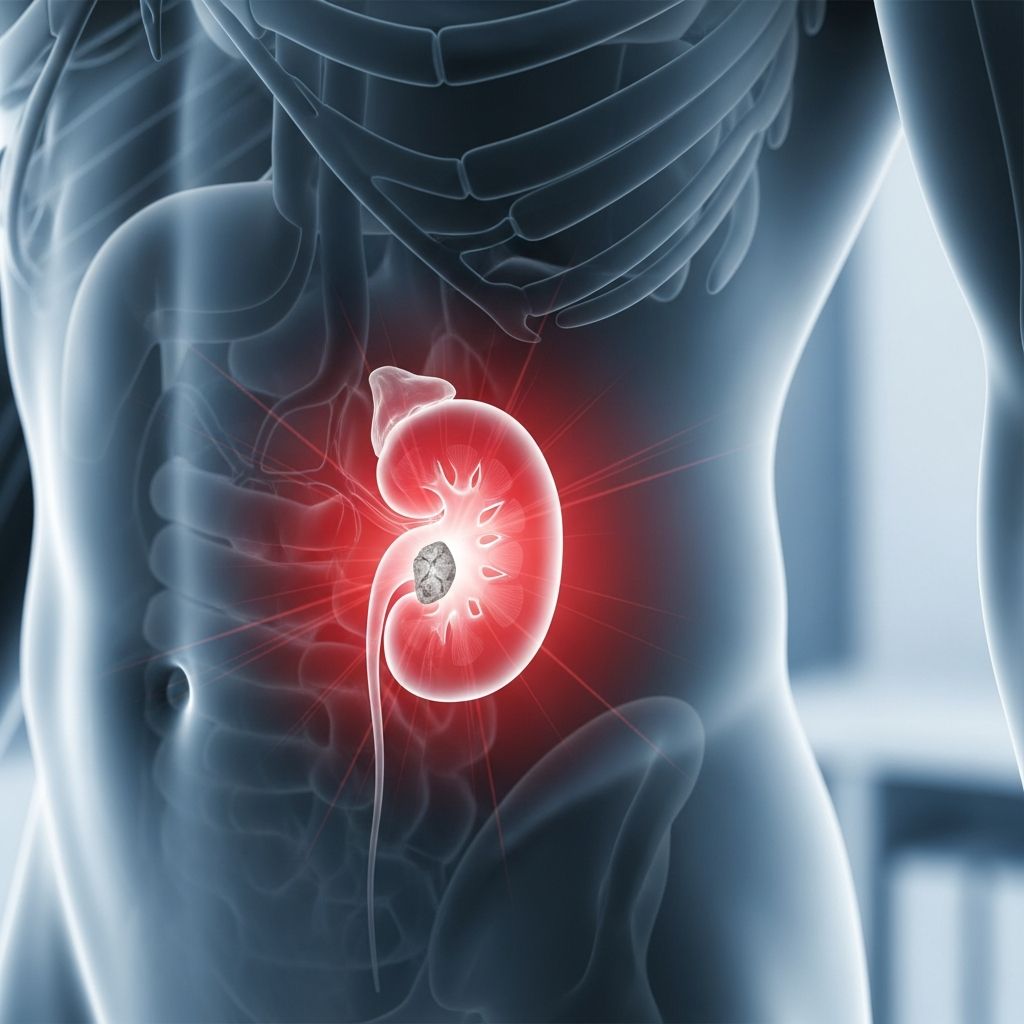
Kidney stones, also known as renal calculi or nephrolithiasis, are hard deposits of minerals and salts that form inside the kidneys. When these stones move or block the urinary tract, they trigger one of the most excruciating pains known as renal colic. This pain often starts suddenly in the flank (side and back, below the ribs) and can radiate to the lower abdomen, groin, or genitals.
Understanding kidney stone pain is crucial because it affects about 1 in 10 people at some point in their lives, with men slightly more prone than women. Prompt recognition of symptoms can lead to faster relief and prevent complications like infections or kidney damage.
What Does Kidney Stone Pain Feel Like?
The hallmark of kidney stone pain is its intensity and wave-like pattern. Often described as worse than childbirth or a heart attack by those who experience it, renal colic occurs when a stone obstructs the ureter—the narrow tube connecting the kidney to the bladder—causing spasms and pressure buildup.
Pain typically begins abruptly and fluctuates in severity. It may start in the back or side, below the ribs, then shift to the lower abdomen or groin as the stone travels downward. Each wave can last 20 to 60 minutes, with patients often unable to find a comfortable position, pacing or writhing in distress.
- Flank pain: Sharp, stabbing in the side and back.
- Radiating pain: Spreads to abdomen, groin, or testicles/ labia.
- Wave-like intensity: Comes and goes, worsening with ureter contractions.
- Movement doesn’t help: Unlike muscle pain, no position relieves it fully.
Small stones (<5mm) may pass unnoticed, but larger ones (5-10mm or more) amplify the agony due to greater obstruction.
Symptoms Accompanying Kidney Stone Pain
Beyond pain, kidney stones provoke several urinary and systemic symptoms as the stone irritates tissues or blocks flow.
- Blood in urine (hematuria): Urine appears pink, red, or brown; microscopic blood is common even if not visible.
- Burning during urination (dysuria): Sharp pain at the bladder-ureter junction, mimicking a UTI.
- Frequent or urgent urination: Small amounts only, or constant need due to irritation.
- Cloudy or foul-smelling urine: Indicates possible infection or crystals.
- Nausea and vomiting: Triggered by pain intensity and shared nerves between kidneys and gut.
- Fever and chills: Signals infection (pyelonephritis); fever >100.4°F (38°C) is urgent.
Symptoms evolve with stone position: upper ureter pain stays flank-focused; lower stones hit groin/bladder.
Why Do Kidney Stones Cause Such Severe Pain?
Pain arises from obstruction and distension. A stone blocks urine flow, swelling the kidney (hydronephrosis) and ureter, triggering smooth muscle spasms. Prostaglandins and other chemicals heighten sensitivity.
Stone size matters less than movement; even tiny grit can scrape mucosa. Blockages increase infection risk, worsening pain via inflammation.
Risk Factors for Kidney Stones and Pain
Not all stones cause pain immediately; risk factors determine formation and severity.
| Risk Factor | Description | Impact on Pain |
|---|---|---|
| Dehydration | Low fluid intake concentrates urine minerals. | Drier urine forms harder, jagged stones that hurt more. |
| Diet | High oxalate (spinach), sodium, animal protein; low calcium. | Promotes calcium oxalate stones, most painful type. |
| Obesity/Metabolic Syndrome | Insulin resistance alters urine chemistry. | Increases recurrence, prolonging pain episodes. |
| Family History | Genetic predisposition to stone types. | Hereditary stones recur faster, more aggressively. |
| Medical Conditions | Gout, IBD, hyperparathyroidism. | Uric acid stones cause acidic urine, intense colic. |
Related Stories



Hot climates and certain meds (diuretics, antacids) exacerbate risks.
When to Seek Immediate Medical Help
Not all pain needs ER, but these red flags do:
- Pain unrelieved by OTC meds or too severe to bear.
- Fever/chills with pain (infection risk).
- Blood in urine or inability to urinate.
- Nausea/vomiting preventing hydration.
- Symptoms lasting >1-2 hours without improvement.
ER visits for stones exceed 500,000 yearly in the US; early intervention prevents sepsis or kidney loss.
How Are Kidney Stones Diagnosed?
Diagnosis combines history, exam, and imaging. Ultrasound (preferred, no radiation) detects stones >3mm and hydronephrosis. Non-contrast CT is gold standard for location/size.
Urine tests check infection/crystals; bloodwork assesses kidney function, electrolytes.
Treatment Options for Kidney Stone Pain Relief
Most stones (<5mm) pass spontaneously in 4 weeks with conservative care.
Pain Management
- NSAIDs (ibuprofen, diclofenac): First-line; reduce spasms/inflammation better than opioids.
- Acetaminophen: For milder pain or NSAID intolerance.
- Opioids (short-term): For refractory cases, e.g., hydromorphone.
- Antiemetics: Ondansetron for nausea.
Medical Expulsive Therapy
Alpha-blockers (tamsulosin) relax ureter, speeding passage by 10%.
Procedures
- ESWL: Shock waves shatter stones (<2cm).
- Ureteroscopy: Laser fragmentation/removal.
- Percutaneous nephrolithotomy: For large (>2cm) stones.
Preventing Kidney Stone Pain Recurrence
Up to 50% recur in 5-10 years; prevention targets stone type via 24-hour urine analysis.
- Hydrate: 2.5-3L water/day; urine should be pale.
- Diet: Limit salt (<2g/day), oxalate; moderate protein; citrus for citrate.
- Meds: Thiazides for calcium stones, allopurinol for uric acid.
Frequently Asked Questions (FAQs)
What is the worst pain from kidney stones?
Renal colic: wave-like flank pain radiating to groin, often rated 10/10.
How long does kidney stone pain last?
Waves last 20-60 min; full passage 1-2 weeks for small stones.
Can kidney stone pain come and go?
Yes, as stone moves; pain shifts location/intensity.
Is kidney stone pain worse than childbirth?
Many say yes, due to unrelenting spasms.
What relieves kidney stone pain fast?
NSAIDs, heat packs, hydration; medical eval for severe cases.
Do all kidney stones cause pain?
No, small/silent ones pass unnoticed.
This comprehensive guide empowers you to recognize, manage, and prevent kidney stone pain. Consult a urologist or nephrologist for personalized advice, especially post-first episode.
References
- Kidney stones – Symptoms and causes — Mayo Clinic. 2023-10-15. https://www.mayoclinic.org/diseases-conditions/kidney-stones/symptoms-causes/syc-20355755
- 8 Signs and Symptoms of Kidney Stones — Healthline. 2025-04-10. https://www.healthline.com/health/symptoms-of-kidney-stones
- Overview: Kidney stones — InformedHealth.org / NCBI Bookshelf. 2023. https://www.ncbi.nlm.nih.gov/books/NBK348937/
- Kidney Stone Basics: Different Types & How to Prevent Them — Allina Health. 2025-09-12. https://www.allinahealth.org/healthysetgo/care/kidney-stone-basics
- Kidney Stones: Symptoms, Diagnosis & Treatment — Urology Care Foundation. 2024. https://www.urologyhealth.org/urology-a-z/k/kidney-stones
Similar Articles








Read full bio of Sneha Tete