Kidney Stone Treatment: 5 Effective Options And Prevention
Comprehensive guide to diagnosing and managing kidney stones effectively
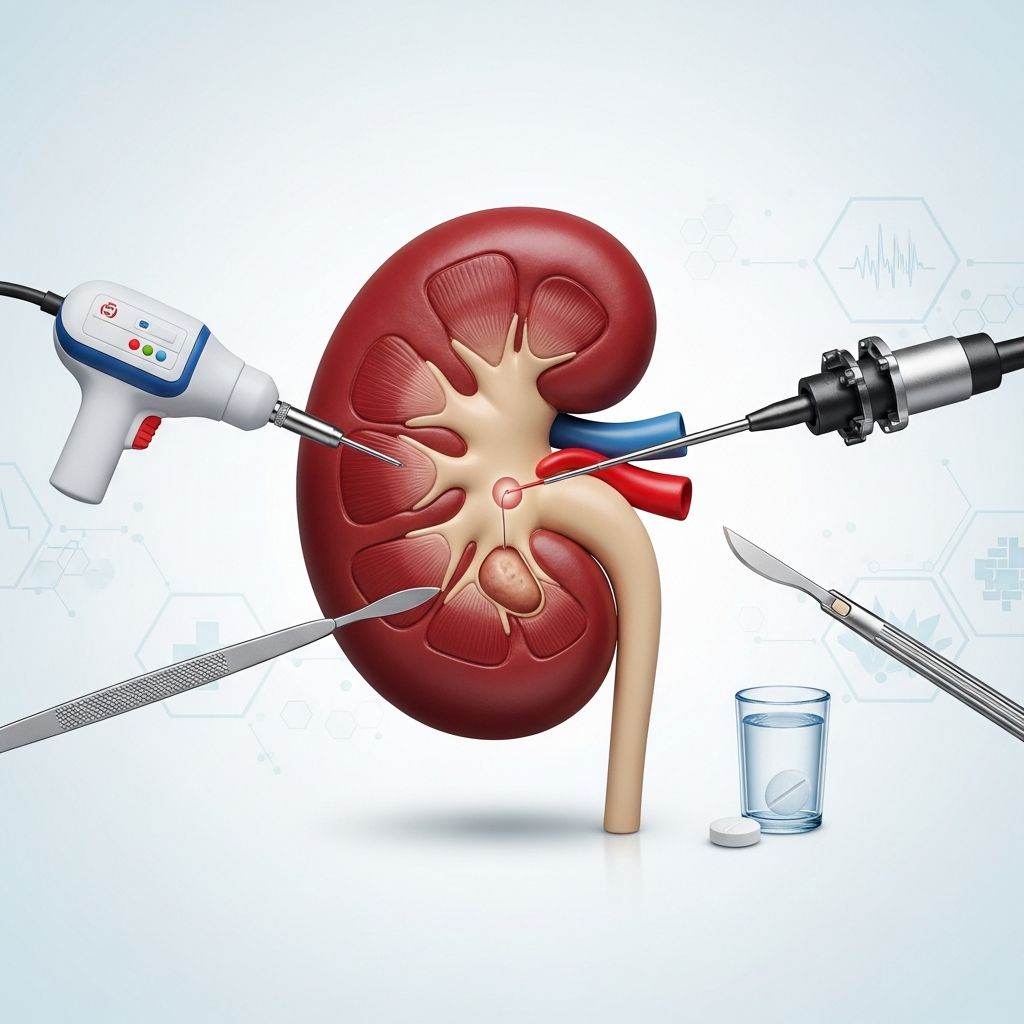
Kidney stones represent one of the most common urological conditions affecting millions of individuals worldwide. When mineral deposits crystallize within the kidneys, they can cause significant pain and complications if left untreated. However, modern medical advances offer multiple pathways for managing this condition effectively. Understanding the available treatment options empowers patients to make informed decisions alongside their healthcare providers.
Understanding Your Diagnosis: The First Step
Before pursuing treatment, proper diagnosis is essential. Healthcare providers employ various imaging techniques to confirm the presence of kidney stones, determine their size, composition, and exact location within the urinary tract. These diagnostic tools form the foundation for developing an appropriate treatment plan tailored to each patient’s unique circumstances.
Diagnostic Imaging Methods
Several imaging approaches help specialists visualize kidney stones and assess their clinical significance. Computed tomography scans provide highly detailed cross-sectional images that reveal stone dimensions and location with precision. Abdominal radiographs offer a simpler, less invasive screening method suitable for detecting certain stone types. Ultrasound imaging serves as another non-invasive option that can identify stones while exposing patients to minimal radiation exposure. The selection of imaging technique depends on clinical presentation, stone composition, and patient factors such as pregnancy status or renal function.
Conservative Management: Watchful Waiting and Self-Care
Not all kidney stones require immediate intervention. Small stones, particularly those located lower in the urinary tract, often pass naturally without medical procedures. This conservative approach emphasizes patience combined with supportive care measures that facilitate natural stone passage while minimizing complications.
Hydration and Fluid Management
Adequate fluid intake represents the cornerstone of conservative kidney stone management. Drinking sufficient water increases urine volume, diluting mineral concentrations and promoting stone passage through the urinary tract. Most medical professionals recommend consuming enough fluids to maintain pale or clear urine throughout the day. This simple intervention, when consistently applied, helps the body eliminate small stones naturally while reducing the likelihood of future stone formation.
Pain Management Strategies
Stone passage frequently causes discomfort ranging from mild to severe. Over-the-counter pain relievers such as ibuprofen and acetaminophen provide effective symptom relief for many patients. These medications address inflammation and reduce pain perception, making the passage process more tolerable. However, medication selection should occur under medical supervision to avoid interactions with other drugs or allergic reactions. Healthcare providers can recommend appropriate dosages and monitor patient response to ensure safety and efficacy.
Pharmacological Interventions: Medications That Facilitate Stone Passage
Beyond pain relief, specific medications can significantly enhance the body’s ability to expel kidney stones naturally. These pharmaceutical approaches target different aspects of stone formation and passage, offering patients viable alternatives to invasive procedures when circumstances permit.
Related Stories



Alpha-Blockers for Ureteral Relaxation
Alpha-blocking medications work by relaxing the smooth muscle tissue lining the ureter—the narrow tube connecting the kidney to the bladder. When these muscles relax, the ureter’s diameter increases, allowing stones to pass more easily and rapidly. This mechanism reduces the friction and obstruction that typically cause pain during stone passage. Patients receiving alpha-blockers often experience faster stone elimination and fewer complications compared to those relying on conservative management alone, particularly when dealing with moderately sized stones.
Mineral and Salt Regulation
For patients prone to recurring stone formation, medications can help control the concentration of stone-forming substances in urine. The specific medication prescribed depends on the stone type identified during diagnosis. Different mineral compositions require targeted pharmacological approaches to prevent future episodes. Healthcare providers personalize medication recommendations based on laboratory analysis of passed stones or urine chemistry studies, ensuring that preventive measures address the underlying cause of stone recurrence.
Interventional Procedures: When Conservative Approaches Prove Insufficient
When kidney stones are too large to pass naturally, cause severe complications, block urine flow, or create persistent pain unmanageable through conservative means, medical intervention becomes necessary. Modern urological procedures offer multiple effective options, each with distinct advantages suited to different clinical scenarios.
Shock Wave Lithotripsy: Non-Invasive Stone Fragmentation
Extracorporeal shock wave lithotripsy (ESWL) represents a non-surgical approach to breaking kidney stones into smaller fragments. During this procedure, high-energy acoustic waves generated from outside the body target the stone with precision. These shock waves create vibrations that fracture the stone into small pieces, enabling passage through the urinary tract via natural urine flow. The procedure typically requires 45 minutes to one hour and is performed under sedation or light anesthesia to minimize patient discomfort.
ESWL works effectively for stones of moderate size and composition, though effectiveness varies based on stone density and location. Some stone types respond better to shock wave therapy than others, and patients with certain anatomical variations may require alternative approaches. Recovery time remains minimal, with most patients resuming normal activities shortly after treatment.
Ureteroscopy: Direct Stone Removal or Fragmentation
Ureteroscopy involves introducing a specialized slender scope through the urethra and bladder into the ureter, allowing direct visualization and manipulation of kidney stones. Once the stone is located, endoscopic instruments can either grasp and retrieve it or fragment it into smaller pieces that pass naturally. This procedure offers several advantages, particularly for stones lodged in the lower urinary tract or those composed of materials that resist shock wave therapy.
The ureteroscopic approach provides high success rates with relatively low complication rates. Patients typically experience rapid recovery and quick return to normal function. The procedure can be performed under general anesthesia or conscious sedation, depending on individual circumstances and procedural complexity.
Percutaneous Nephrolithotomy: Surgical Stone Extraction
For large stones or those located in positions difficult to access through standard endoscopic approaches, percutaneous nephrolithotomy (PCNL) offers an effective solution. During this surgical procedure, the surgeon creates a small incision in the back, typically near the kidney, then introduces specialized instruments through this opening to directly access the stone. Once reached, the stone can be fragmented using various energy technologies and removed completely.
PCNL proves particularly valuable for patients with large calculi, complex stone anatomy, or previous treatment failures. The procedure requires general anesthesia and involves a brief hospital stay for recovery. While more invasive than other options, PCNL provides definitive stone removal and excellent outcomes when applied to appropriate patient populations.
Treatment Selection Guide
| Stone Characteristics | Recommended Approach | Success Rate | Recovery Time |
|---|---|---|---|
| Small (<5mm), lower location | Conservative management with hydration | 90%+ passage within 2-4 weeks | N/A |
| Medium (5-15mm), any location | Alpha-blockers + conservative care or ESWL | 75-90% with medication | Days to weeks |
| Medium-large (15-20mm) | ESWL or ureteroscopy | 85-95% per procedure | 1-2 weeks |
| Large (>20mm) | PCNL or complex ureteroscopy | 95%+ complete removal | 2-4 weeks |
Managing Complications and Special Circumstances
Certain clinical situations demand urgent intervention regardless of stone size. Infection of the urinary tract combined with stone obstruction requires immediate attention to prevent serious systemic complications. Uncontrolled pain that persists despite appropriate medication necessitates procedural intervention. Complete obstruction of urine flow, particularly if affecting both kidneys or a solitary kidney, demands emergency treatment to preserve renal function. In these scenarios, the urgency of intervention outweighs considerations of stone size or composition.
Prevention: Strategies to Avoid Recurrence
Patients with a history of kidney stones face increased risk of forming additional stones in the future. Implementing prevention strategies after successful treatment significantly reduces recurrence rates and protects long-term kidney health.
Dietary Modifications
Dietary adjustments represent a crucial component of stone prevention. Limiting sodium intake helps reduce mineral excretion through the kidneys. Maintaining moderate protein consumption prevents excessive levels of certain stone-forming substances in urine. Adequate calcium intake, contrary to common misconception, actually reduces stone formation risk by binding with oxalate in the digestive tract. Consulting with a dietitian familiar with kidney stone prevention allows patients to develop personalized dietary strategies that address their specific stone composition.
Ongoing Hydration and Lifestyle Factors
Maintaining consistent fluid intake long-term represents one of the most effective prevention measures. This commitment to hydration continues well beyond the acute treatment phase. Regular physical activity promotes overall urological health and helps prevent stone recurrence. Maintaining healthy body weight and avoiding excessive heat exposure further support prevention efforts.
Medical Management for Recurrent Stones
Patients experiencing repeated stone formation may benefit from prophylactic medications targeting their specific stone type. These medications work differently than those used during acute episodes—instead, they operate continuously to modify urine chemistry and prevent initial crystal formation. Long-term use of these preventive agents, combined with lifestyle modifications, can substantially reduce recurrence rates in susceptible individuals.
Frequently Asked Questions
How long does it typically take for a small kidney stone to pass naturally?
Most patients pass small stones spontaneously within two to four weeks with appropriate hydration and conservative management. Larger stones or those positioned higher in the urinary tract may require additional time or medical intervention.
Are all treatment procedures permanent solutions?
Procedures like ESWL, ureteroscopy, and PCNL successfully treat the immediate stone problem. However, without preventive measures, some patients may form additional stones. Prevention strategies and ongoing medical management significantly reduce recurrence risk.
What are the main complications associated with kidney stone treatment?
Common complications may include temporary hematuria, mild discomfort, or infection following procedures. Serious complications remain rare with modern techniques. Discussion with your urologist about specific procedure risks appropriate to your situation helps establish realistic expectations.
Can medications alone dissolve existing kidney stones?
Certain stone types, particularly uric acid stones, may dissolve with appropriate medication therapy. Calcium-based stones typically cannot dissolve through medication alone and require physical removal or fragmentation.
When should I seek emergency care for kidney stone symptoms?
Seek immediate medical attention if you experience fever with flank pain (suggesting infection), inability to urinate, uncontrolled severe pain, or symptoms affecting both kidneys or a solitary kidney.
Conclusion: Partnering with Your Healthcare Team
Kidney stone treatment has evolved significantly, offering patients multiple effective pathways toward resolution. From conservative approaches relying on the body’s natural healing capacity to advanced surgical techniques, modern medicine provides options suited to virtually every clinical scenario. The key to successful outcomes involves early diagnosis, accurate stone characterization, and collaborative decision-making between patients and experienced urological specialists. By understanding available treatment options and implementing prevention strategies, patients can effectively manage this common condition while protecting long-term kidney health.
References
- Kidney Stones: Symptoms and Causes — Mayo Clinic. 2024. https://www.mayoclinic.org/es/diseases-conditions/kidney-stones/symptoms-causes/syc-20355755
- Appraisal of Spanish-language Online Patient Education Resources on Nephrolithiasis — PubMed Central. 2025. https://pubmed.ncbi.nlm.nih.gov/40259134/
- Spanish Kidney Stones Treatment — Urology Care Foundation. 2024. https://www.urologyhealth.org/educational-resources/spanish-kidney-stones-treatment
- How to Treat and Prevent Kidney Stones — UCHealth Today. 2024. https://es.uchealth.org/today/how-to-treat-and-prevent-kidney-stones/
- Understanding Kidney Stones Patient Education Guide — Krames Patient Education. 2024. https://kramesstore.com/understanding-kidney-stones-spanish.html
- Spanish Kidney Stones Patient Guide — Urology Care Foundation. 2024. https://www.urologyhealth.org/educational-resources/spanish-kidney-stones-patient-guide
Similar Articles








Read full bio of medha deb