Kidney Stones: Causes, Symptoms, Diagnosis & Treatment
Complete guide to understanding kidney stones, their symptoms, diagnosis methods, and effective treatment options.
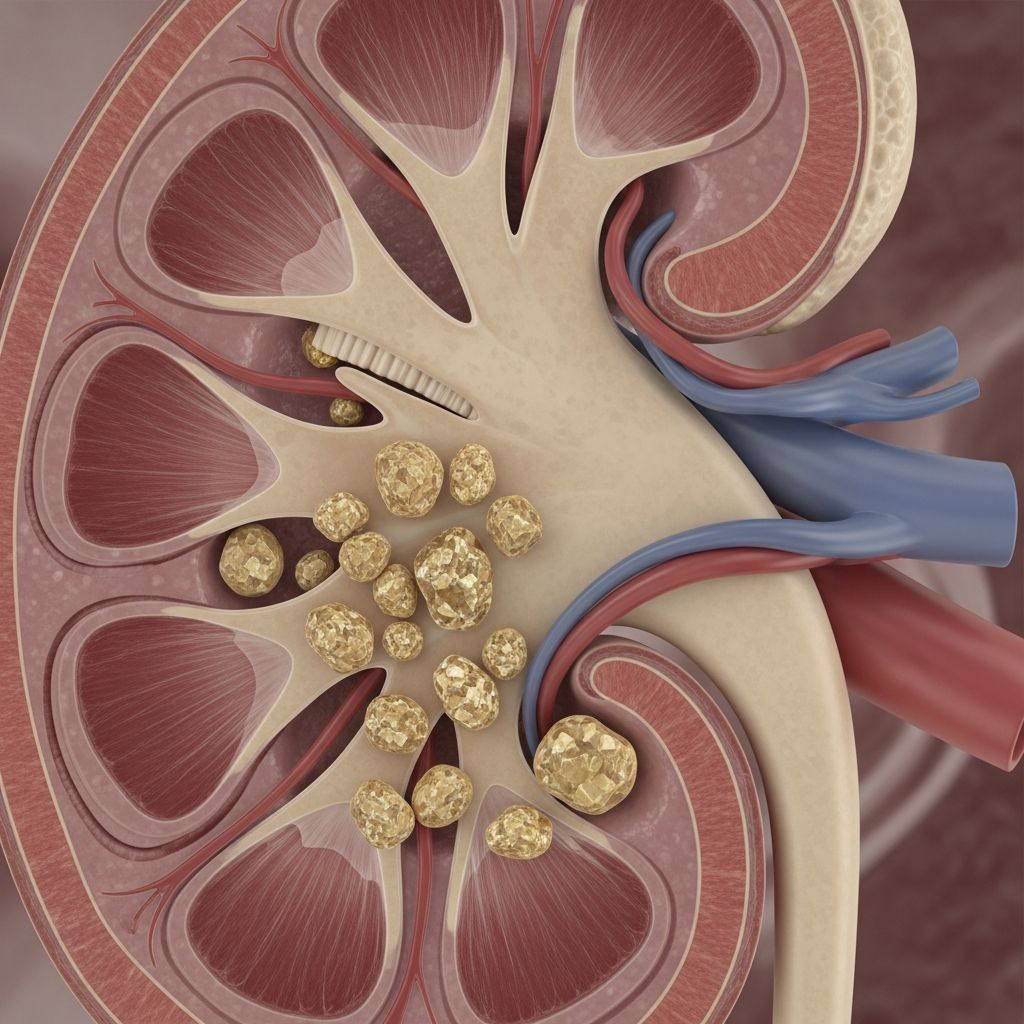
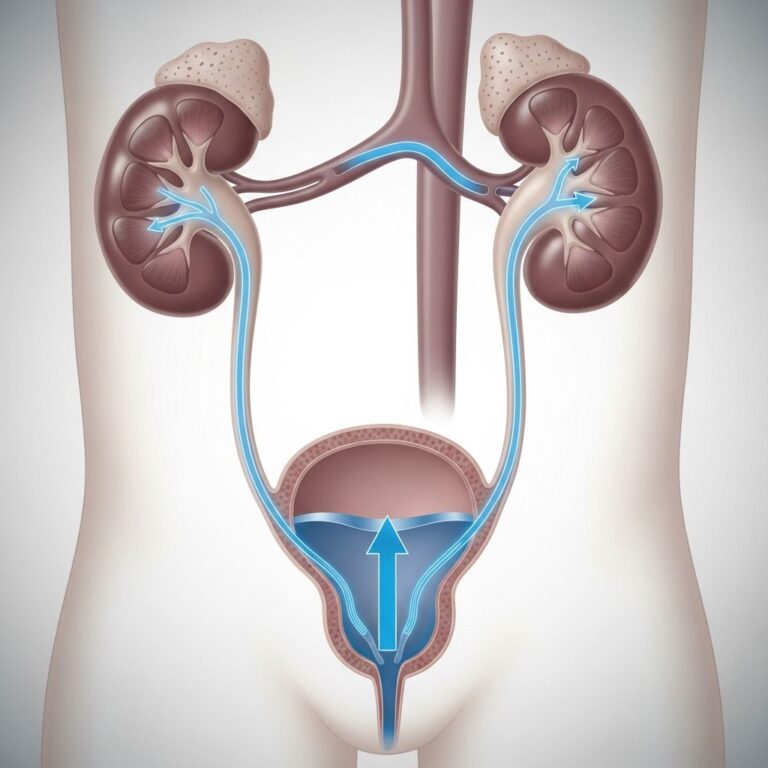
Kidney stones are solid mineral deposits that form in the kidneys and can cause significant discomfort and health complications if left untreated. One in ten people will experience a kidney stone at some point in their lifetime, making it a relatively common urological condition. When these stones develop, they can range from small particles that pass naturally through the urinary system to larger formations requiring medical intervention. Understanding the nature of kidney stones, their causes, symptoms, and available treatment options is essential for anyone concerned about their urological health.
What Are Kidney Stones?
Kidney stones form when minerals and other substances in the urine crystallize and accumulate over time. These solid masses can develop when urine becomes concentrated, allowing minerals like calcium, phosphorus, and uric acid to crystallize. The size of kidney stones varies greatly—some stones are microscopic, while others can grow to the size of a marble or larger. Understanding the composition and formation of kidney stones helps patients and healthcare providers determine the best approach to treatment and prevention.
Causes of Kidney Stones
Several factors contribute to kidney stone formation, and understanding these risk factors is crucial for prevention. The causes include:
Dehydration
One of the most common causes of kidney stone formation is insufficient fluid intake. When you don’t drink enough water, urine becomes concentrated, which increases the likelihood of mineral crystallization. Maintaining proper hydration is one of the most effective preventive measures.
Metabolic Disorders
Certain metabolic and gastrointestinal conditions predispose individuals to kidney stone formation. People with disorders affecting calcium metabolism, hormone imbalances, or those who have undergone bariatric surgery face increased risk. Endocrinologists often work alongside urologists to address these underlying conditions.
Dietary Factors
High consumption of certain dietary components can increase stone-forming substances in the urine. Excessive sodium, animal protein, and foods high in oxalate contribute to stone formation. Conversely, adequate dietary calcium and citrate can help prevent stones.
Family History
A family history of kidney stones significantly increases your risk of developing them. Genetic predisposition plays a role in how your body metabolizes minerals and forms urine.
Age and Gender
Kidney stones are more common in men than women, and they typically develop between ages 30 and 50. However, anyone can develop kidney stones at any age.
Symptoms of Kidney Stones
The symptoms of kidney stones vary depending on the stone’s size, location, and whether it’s causing obstruction. Common symptoms include:
Pain
The most characteristic symptom is severe pain in the lower back, sides, belly, or groin. This pain, often called renal colic, can be extremely intense and may come and go in waves. The location of pain often indicates where the stone is located within the urinary tract.
Urinary Symptoms
Patients frequently experience pain or burning sensation during urination, urgency to urinate frequently, or small amounts of urine output. Blood in the urine (hematuria) is common and may be visible or detected only through laboratory testing.
Systemic Symptoms
Nausea and vomiting often accompany kidney stone pain. Fever may indicate infection, which is a serious complication requiring immediate medical attention.
Related Stories



When to Seek Emergency Care
You should seek immediate medical attention if you experience severe pain that doesn’t subside, fever with urinary symptoms, inability to urinate, or persistent vomiting.
Diagnosis of Kidney Stones
Accurate diagnosis is essential for determining the appropriate treatment approach. Healthcare providers use several diagnostic methods to identify kidney stones and assess their characteristics.
Medical History and Physical Examination
The diagnostic process begins with a thorough history to understand symptoms, risk factors, and past stone episodes. A physical examination helps assess tenderness in the kidney region and rules out other conditions.
Urine Testing
Urinalysis examines urine for blood, infection, and stone-forming substances. The test may also measure pH levels and identify crystals. A urine culture can detect bacterial infections that may be associated with stone formation.
Blood Tests
Blood work measures levels of calcium, phosphorous, uric acid, and creatinine to assess kidney function and identify metabolic abnormalities contributing to stone formation.
Imaging Studies
Several imaging techniques help visualize kidney stones and determine their exact location and size:
CT Scan (Computed Tomography)
CT scan is the most accurate imaging method for detecting kidney stones. It provides detailed images of the urinary tract and is highly sensitive even for small stones. CT scans deliver radiation but offer superior diagnostic accuracy.
Ultrasound
Renal ultrasound is particularly valuable for pregnant women and patients seeking to minimize radiation exposure. While less sensitive than CT for small stones, it effectively identifies most clinically significant stones.
Intravenous Pyelogram (IVP)
In this study, contrast dye administered through veins is filtered by the kidneys and excreted in urine. X-ray images track the dye’s progression through the urinary system, revealing stone location and any obstruction.
Nuclear Scan
This imaging method helps determine individual kidney function and assess how well each kidney is working, particularly important if stones affect one kidney preferentially.
Metabolic Testing
For patients with recurrent stones or complex cases, comprehensive metabolic evaluation helps identify underlying causes and guide prevention strategies. This includes:
24-Hour Urine Collection
This test measures the excretion of stone-forming substances over a full day, including calcium, phosphorous, uric acid, oxalate, citrate, sodium, and magnesium. The results help identify specific metabolic abnormalities driving stone formation.
Stone Analysis
When stones are passed or removed, laboratory analysis determines their composition. This information guides dietary and medical prevention strategies tailored to the specific stone type.
Treatment Options for Kidney Stones
Treatment approaches depend on stone size, location, composition, symptom severity, and kidney function. The healthcare team considers both the immediate need for pain relief and long-term prevention.
Observation and Conservative Management
Not all kidney stones require surgical intervention. Many pass naturally through the urinary system with supportive care.
Hydration Therapy
Adequate fluid intake is the cornerstone of kidney stone management. Drinking 2 to 2.5 liters of fluids daily helps dilute urine and facilitates stone passage. Any type of liquid is beneficial except black tea and dark colas, which may increase kidney stone risk.
Pain Management
Pain medications help manage discomfort while stones pass naturally. Over-the-counter pain relievers and prescription medications may be recommended depending on pain severity.
Activity
Remaining physically active supports natural stone passage and overall health maintenance.
Extracorporeal Shock Wave Lithotripsy (ESWL)
ESWL is a minimally invasive procedure that uses shock waves to break stones into smaller fragments that pass naturally.
Procedure Details
The procedure is performed as an outpatient under mild to general anesthesia with no incisions required. X-rays monitor stone fragmentation throughout the procedure. A double J stent may be inserted to facilitate fragment passage.
Recovery
Patients can resume normal activities immediately. Some mild discomfort and blood in urine may occur temporarily. Follow-up imaging confirms complete stone passage, after which stents are removed.
When to Contact Your Doctor
Although ESWL is safe, contact your healthcare provider if you experience persistent pain, continued blood or clots in urine, or fever.
Ureteroscopy with Laser Lithotripsy
This minimally invasive procedure treats stones in the ureter and lower kidney using laser technology.
Procedure Details
A ureteroscope is passed through the urethra, bladder, and into the ureter. Once the stone is visualized, a laser fiber fragments it into tiny pieces. Occasionally, a basket retrieves large fragments. The procedure uses no incisions and is performed under general anesthesia as an outpatient procedure.
Recovery
Mild pain for several days post-procedure is normal and manageable with pain medication. Some blood in urine and stent discomfort may occur. Normal activities resume within 1-2 days with adequate fluid intake. Follow-up imaging confirms complete fragment passage before stent removal.
Percutaneous Nephrolithotomy (PCNL)
PCNL is reserved for large, complex, or recurring stones not amenable to other treatments. This procedure is highly effective for stones larger than 2 centimeters.
Procedure Details
The patient lies face down on a special table while a cystoscope places a ureteral catheter in the kidney. Contrast injection visualizes the stone-containing kidney interior. A small needle punctures the kidney, followed by sequential guide wires and dilators creating a tract. A plastic tube maintains this tract, through which instruments view and fragment the stone using ultrasonic, pneumatic, or laser lithotripsy.
Hospital Stay
Some patients require one or two days of hospitalization for observation and pain management.
Stone Removal
Stone fragments are irrigated out completely. A soft tube remains in the kidney through the tract, and a double J stent is placed from the bladder into the kidney to support healing.
Surgical Intervention
In extreme cases of chronic kidney pain with recurrent stones despite other interventions, autotransplant surgery may be considered as a last resort option.
Dietary and Medical Prevention
Preventing recurrent kidney stones involves dietary modifications and targeted medical therapy.
Hydration
Maintaining consistent fluid intake remains the most important preventive measure. Drinking sufficient water daily helps prevent stone-forming substance concentration.
Dietary Modifications
An oxalate-controlled diet can effectively reduce stone-forming substances for certain stone types. Specific dietary recommendations depend on stone composition identified through analysis and metabolic testing.
Medical Therapy
Medications can often stop or slow chronic stone growth, particularly when paired with metabolic testing to identify specific underlying causes. Treatment is tailored to individual stone-forming patterns and metabolic abnormalities.
Comprehensive Kidney Stone Management at Cleveland Clinic
Leading medical centers like Cleveland Clinic offer comprehensive, multidisciplinary approaches to kidney stone treatment and prevention. Their expert teams use research-based guidelines and collaborate across specialties including urology, endocrinology, and nephrology to provide personalized care. Advanced diagnostic testing, minimally invasive procedures, and evidence-based prevention strategies combine to reduce chronic stone recurrence and improve patient outcomes.
Frequently Asked Questions
Q: How long does it take for a kidney stone to pass naturally?
A: Most kidney stones pass within 4-6 weeks with adequate hydration and pain management. Stones smaller than 4 millimeters pass naturally about 80% of the time, while larger stones are less likely to pass without intervention.
Q: Can kidney stones recur?
A: Yes, about 50% of people who have had a kidney stone will develop another within 5-10 years. Comprehensive metabolic evaluation and preventive measures significantly reduce recurrence risk.
Q: Are there foods I should avoid if I’m prone to kidney stones?
A: Foods high in oxalate (spinach, nuts, chocolate) and excessive sodium should be limited. Adequate dietary calcium and citrate actually help prevent stones. Specific dietary recommendations depend on your stone type.
Q: Can kidney stones cause permanent kidney damage?
A: Most kidney stones don’t cause permanent damage if treated promptly. However, chronic obstruction can affect kidney function, making early diagnosis and treatment important.
Q: Is it safe to have multiple kidney stone procedures?
A: Yes, modern minimally invasive procedures are safe when performed by experienced specialists. However, preventing recurrence through lifestyle and dietary modifications is preferable to repeated procedures.
References
- Kidney Stone Treatment in Cleveland, OH — Cleveland Urology Associates. 2025. https://clevelandurology.net/services/kidney-stones/
- Get Kidney Stones Treatment | Cleveland Clinic — Cleveland Clinic. 2025. https://my.clevelandclinic.org/services/kidney-stones-treatment
- Kidney Stones | Cleveland Clinic — Cleveland Clinic. 2025. https://my.clevelandclinic.org/departments/urology-kidney/depts/endourology-stone-disease
- How to Deal With (and Avoid) Kidney Stones with Dr. Manoj Monga — Cleveland Clinic Health Essentials Podcast. 2025. https://my.clevelandclinic.org/podcasts/health-essentials/how-to-deal-with-kidney-stones-with-dr-manoj-monga
- Ureteroscopy + kidney stones – Cleveland Clinic — Cleveland Clinic. 2025. https://my.clevelandclinic.org/health/treatments/16213-ureteroscopy
- Dietary and medical management of recurrent nephrolithiasis — Cleveland Clinic Journal of Medicine. 2022. https://www.ccjm.org/content/83/6/463
- Surgical Management of Kidney Stones | Online Health Talk — Cleveland Clinic. 2025. https://www.youtube.com/watch?v=vQbK0kzimxw
Similar Articles








Read full bio of Sneha Tete