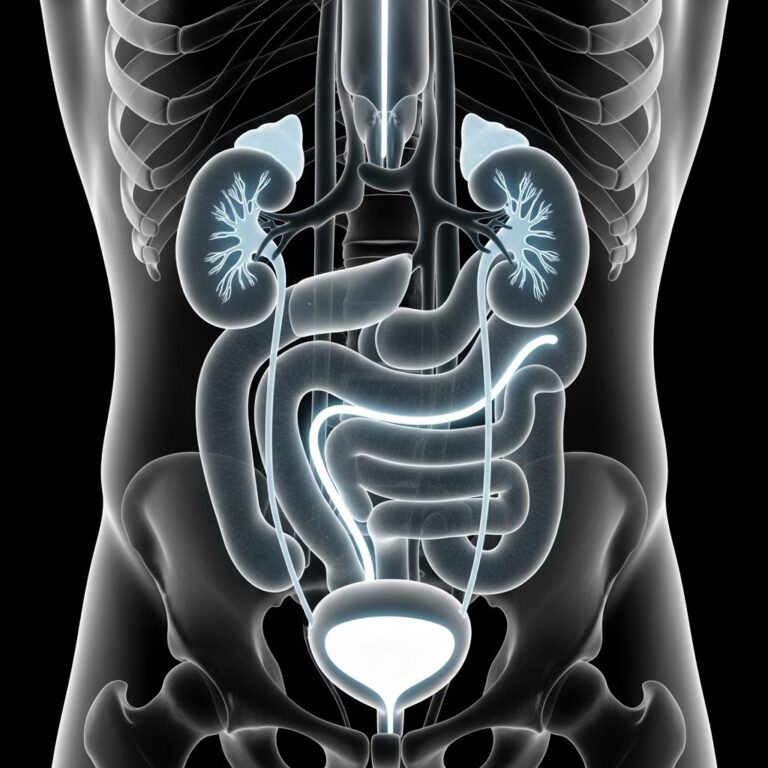
Kidney Stones: Symptoms, Causes, Types, and Treatment
Comprehensive guide to kidney stones: Understand symptoms, types, causes, diagnosis, treatments, prevention, and when to seek medical help.
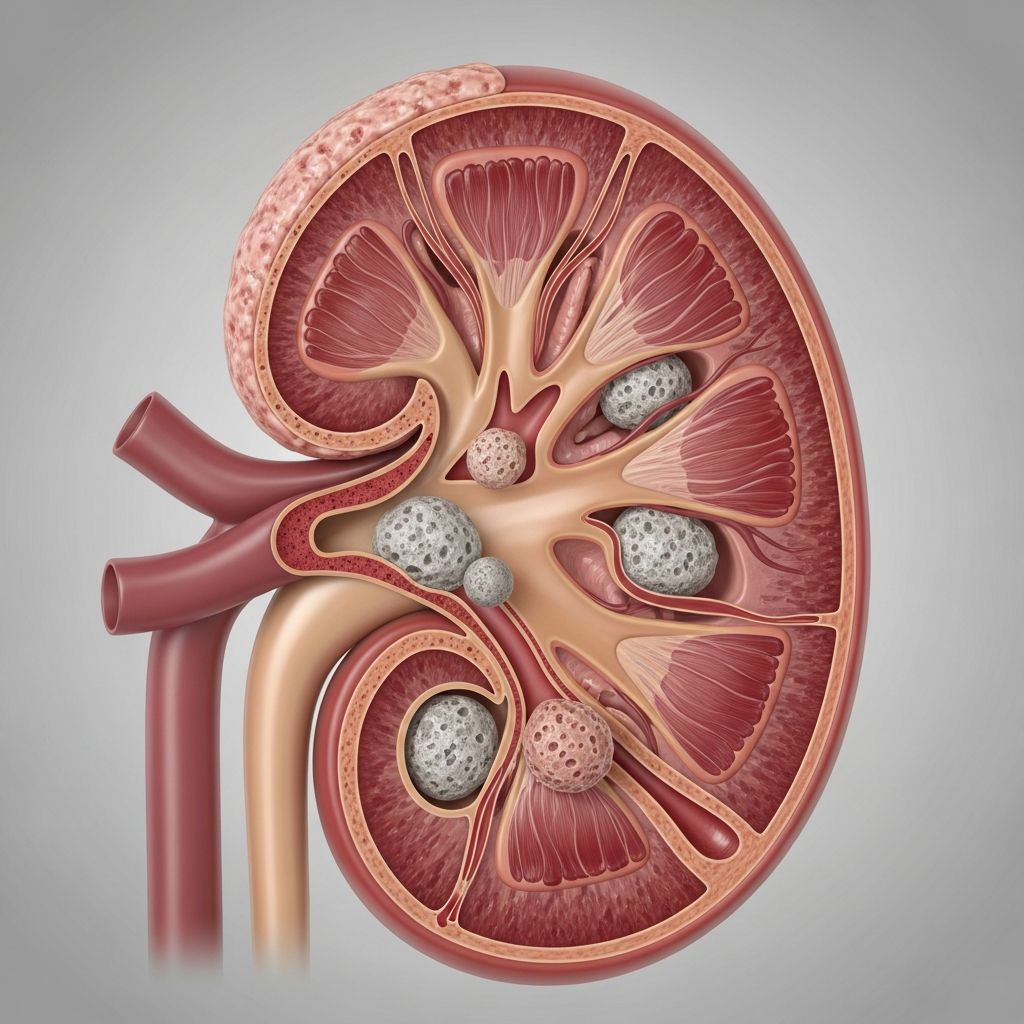
Kidney stones, also known as renal calculi, nephrolithiasis, or urolithiasis, are hard deposits formed from minerals and salts in the urine that develop within the kidneys. These stones can range from tiny grains to golf ball-sized masses and often cause excruciating pain when they move into the ureters, the narrow tubes connecting the kidneys to the bladder. Affecting millions worldwide, kidney stones impact people of all ages, though they are more common in adults aged 30-60, with men at higher risk than women. While small stones may pass unnoticed, larger ones can lead to severe complications if untreated.
What Are Kidney Stones?
Kidney stones form in the renal pelvis, the funnel-like part of the kidney where urine collects before flowing into the ureter. Composed primarily of calcium salts, uric acid, struvite, or cystine, these crystals aggregate when urine becomes concentrated with stone-forming substances and lacks sufficient inhibitors to prevent clumping. Stones smaller than 5 mm often pass spontaneously through the urinary tract and out in urine, but those over 5 mm frequently require intervention. The prevalence has risen over decades due to dietary shifts toward high-sodium, low-water intake diets.
Symptoms of Kidney Stones
Many kidney stones produce no symptoms until they obstruct urine flow or move into the ureter, triggering intense pain known as renal colic. Key symptoms include:
- Severe, sharp pain in the side, back (below the ribs), lower abdomen, or groin, often fluctuating in waves lasting 20-60 minutes.
- Pain or burning sensation during urination (dysuria).
- Bloody, cloudy, or foul-smelling urine (hematuria).
- Nausea, vomiting, fever, chills, and frequent urge to urinate, indicating possible infection.
- Restlessness or inability to find a comfortable position due to pain.
If untreated, stones can cause hydronephrosis (kidney swelling from urine backup), urinary tract infections (UTIs), or sepsis. Seek immediate care for persistent pain, fever over 101°F, or inability to urinate.
Causes and Risk Factors
Kidney stones develop when urine contains high levels of crystal-forming substances like calcium, oxalate, uric acid, phosphate, or cystine, diluted by insufficient fluid. Dehydration is a primary culprit, concentrating urine and promoting crystallization. Other risk factors include:
- Dietary habits: High intake of sodium, animal protein, sugar, oxalate-rich foods (spinach, nuts, chocolate), and low calcium or fluid.
- Medical conditions: Obesity, gout, hyperparathyroidism, inflammatory bowel disease, diabetes, metabolic syndrome, chronic UTIs, or cystinuria (genetic).
- Medications/supplements: Excess vitamin C, vitamin D, diuretics, antacids, or topiramate.
- Lifestyle/genetics: Family history, sedentary lifestyle, hot climates increasing fluid loss.
Acidity (pH) matters: Acidic urine favors uric acid stones, while alkaline urine promotes struvite.
Types of Kidney Stones
Identifying stone type via analysis guides prevention and treatment. Common types:
| Type | Composition | Prevalence | Key Causes |
|---|---|---|---|
| Calcium | Calcium oxalate or phosphate | 80% | High oxalate diet, low calcium, dehydration |
| Uric Acid | Uric acid | 5-10% | High-purine diet (meat), gout, acidic urine |
| Struvite | Magnesium ammonium phosphate | 10% | UTIs from urease-producing bacteria |
| Cystine | Cystine | Rare (<1%) | Genetic cystinuria |
Calcium stones dominate, often linked to everyday diet; struvite stones grow rapidly in infection-prone individuals.
Diagnosis
Diagnosis starts with history and exam, focusing on pain pattern and risk factors. Imaging confirms:
Related Stories



- Non-contrast CT scan: Gold standard, detects 95-100% of stones, assesses size/location.
- Ultrasound: Radiation-free, good for pregnancy or children.
- KUB X-ray or IVP: Less sensitive for small/uric acid stones.
Lab tests include urinalysis (for blood, crystals, infection), blood (creatinine, calcium, uric acid, PTH), and 24-hour urine collection to quantify stone risk factors. Passed stones should be lab-analyzed.
Treatment Options
Treatment depends on stone size, type, location, symptoms, and patient health.
Conservative Management
Stones <5 mm: 90% pass spontaneously in 1-2 weeks with:
- High fluid intake (2.5-3L/day) to flush.
- Pain meds (ibuprofen, narcotics if severe).
- Alpha-blockers (tamsulosin) to relax ureter.
Medical Expulsive Therapy and Procedures
- ESWL (Extracorporeal Shock Wave Lithotripsy): Non-invasive sound waves fragment stones <2 cm; 70-90% success.
- Ureteroscopy (URS): Scope removes/ lasers stones in ureter/kidney; outpatient.
- Percutaneous Nephrolithotomy (PCNL): For large (>2 cm) stones; tube through back.
- Medications: Alkalinizers for uric acid, allopurinol for recurrent.
Emergency: Stenting or nephrostomy for obstruction/infection.
Prevention Strategies
Preventing recurrence (50% risk in 5-10 years) focuses on lifestyle:
- Hydration: 2.5-3L fluid/day; lemon water boosts citrate.
- Diet: Low sodium (<2.3g/day), moderate animal protein, ample fruits/veggies, normal calcium (1,000-1,200mg).
- Supplements: Potassium citrate if low citrate; avoid vitamin C excess.
- Weight management, treat underlying conditions.
Personalized plans from 24-hour urine tests reduce risk by 50%.
Complications
Untreated stones risk UTI, kidney damage, hydronephrosis, or chronic kidney disease. Recurrent stones strain kidneys long-term.
When to See a Doctor
Urgent evaluation for severe pain, fever, persistent vomiting, blood in urine, or single-kidney patients.
Frequently Asked Questions (FAQs)
What does a kidney stone attack feel like?
A kidney stone attack, or renal colic, feels like intense, wave-like pain from flank to groin, often with nausea.
How long does it take to pass a kidney stone?
Small stones (<5 mm) pass in 1-2 weeks; larger ones may need weeks or treatment.
Can kidney stones cause kidney failure?
Rarely, if bilateral obstruction or recurrent untreated, leading to damage.
Are kidney stones hereditary?
Yes, family history increases risk, especially cystine stones.
What dissolves kidney stones naturally?
Increased fluids and lemon juice (citrate) help small uric acid/calcium stones; not all dissolve.
References
- Kidney stones – InformedHealth.org – NCBI Bookshelf — NCBI. 2023. https://www.ncbi.nlm.nih.gov/books/NBK348937/
- Kidney stones – Symptoms and causes — Mayo Clinic. 2024-01-11. https://www.mayoclinic.org/diseases-conditions/kidney-stones/symptoms-causes/syc-20355755
- Kidney Stones — National Kidney Foundation. 2024. https://www.kidney.org/kidney-topics/kidney-stones
Similar Articles








Read full bio of medha deb