Kidney Stones: Symptoms, Causes, and Treatment Options
Comprehensive guide to understanding kidney stones, their causes, symptoms, and proven treatment methods.
Understanding Kidney Stones
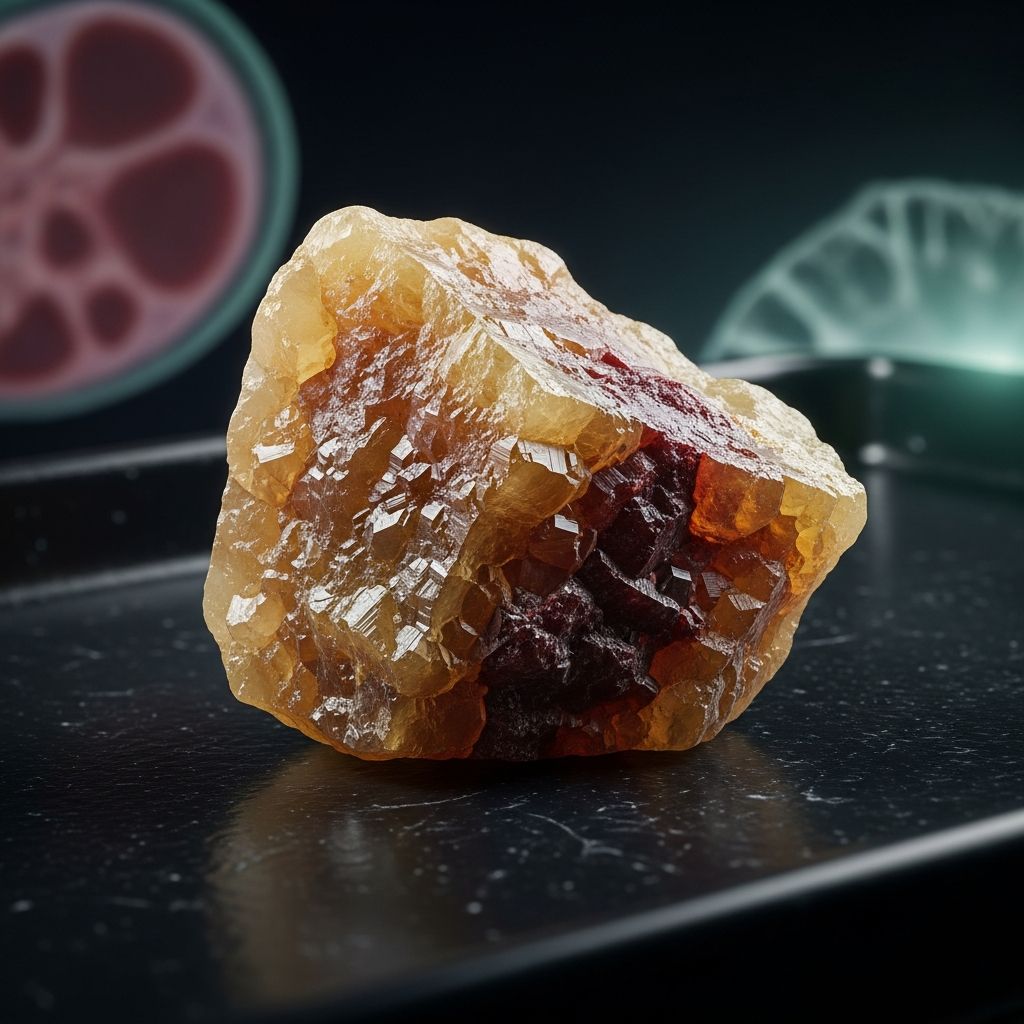
Kidney stones are hard mineral and salt deposits that form inside your kidneys. These stones develop over time as mineral-rich urine accumulates and crystallizes within the urinary system. While kidney stones are a common urological condition affecting millions of people worldwide, they can cause significant pain and discomfort when they move through the urinary tract. Understanding the nature of kidney stones, their causes, symptoms, and available treatments is essential for effective management and prevention.
The formation of kidney stones is a complex process involving several factors including diet, hydration levels, genetic predisposition, and underlying medical conditions. Some people are at higher risk of developing kidney stones than others, and knowing your risk factors can help you take preventive measures to reduce the likelihood of stone formation.
What Causes Kidney Stones?
Kidney stones form when certain substances in your urine become concentrated enough to crystallize and bind together. Several factors contribute to kidney stone formation, and understanding these causes can help you prevent future occurrences.
Dietary Factors play a significant role in kidney stone development. Diets high in sodium, animal protein, and added sugars increase your risk of forming stones. Additionally, insufficient intake of fruits, vegetables, calcium, and water can contribute to stone formation. People who consume excessive amounts of certain foods and beverages, particularly those containing oxalate, may experience increased stone formation.
Dehydration is one of the most common contributors to kidney stone formation. When you don’t drink enough water, your urine becomes more concentrated, allowing minerals and salts to crystallize more easily. Maintaining adequate hydration is one of the most effective ways to prevent kidney stones.
Medical Conditions can significantly increase your risk of developing kidney stones. Conditions such as polycystic kidney disease, gout, digestive disorders, and certain metabolic disorders create an environment favorable for stone formation. Additionally, a history of kidney stones, urinary tract infections, and urinary tract obstructions increase your susceptibility.
Genetic Factors also play an important role. Genetic conditions such as primary hyperoxaluria and cystinuria cause your urine to contain high levels of stone-forming substances. If you have a family history of kidney stones, you may be at increased risk.
Medications can contribute to kidney stone formation. Certain medications, including calcium-based antacids, diuretics, and other pharmaceutical agents, may increase stone formation risk in susceptible individuals.
Recognizing the Symptoms of Kidney Stones
Kidney stone symptoms vary depending on the stone’s size, location, and whether it is moving through the urinary tract. Many small kidney stones cause no symptoms at all and may pass unnoticed. However, when a kidney stone becomes lodged in the urinary tract or begins to move, it can cause intense pain and other uncomfortable symptoms.
The most common symptoms include:
- Sharp, severe pain in your back, side, lower abdomen, or groin area
- Pain that comes in waves and varies in intensity as the stone moves
- Blood in your urine (hematuria), which may appear pink, red, or brown
- Painful urination or a burning sensation while urinating
- Constant urge to urinate more frequently than normal
- Cloudy or foul-smelling urine
- Nausea and vomiting
- Fever and chills, which may indicate a urinary tract infection
Related Stories



The pain associated with kidney stones can be extremely severe and is often described as one of the worst types of pain a person can experience. The pain typically begins suddenly when a stone starts to move and may continue until the stone passes or is removed. If you experience any of these symptoms, contact your healthcare provider immediately for evaluation and treatment.
Diagnosis of Kidney Stones
If your healthcare provider suspects you have kidney stones, several diagnostic tests may be performed to confirm the diagnosis and determine the stone’s composition, size, and location.
Physical Examination begins with your doctor reviewing your medical history and performing a physical examination to assess your symptoms and risk factors.
Urinalysis involves testing a sample of your urine to detect blood, crystals, or other abnormalities that may indicate kidney stones. This test can also help identify infections or other urinary tract problems.
Imaging Studies are essential for visualizing kidney stones and determining their exact location and size. Common imaging techniques include:
- CT scans (computed tomography), which provide detailed images and are considered the gold standard for kidney stone diagnosis
- Ultrasound, which uses sound waves to create images of the kidneys and urinary tract
- X-rays, which may detect certain types of stones containing calcium
Blood Tests may be performed to measure kidney function and detect elevated levels of substances that may contribute to stone formation, such as calcium, uric acid, and phosphate.
Treatment Options for Kidney Stones
Treatment for kidney stones depends on several factors including the stone’s size, type, location, and whether it is causing pain or blocking urine flow. Your healthcare provider will recommend the most appropriate treatment approach based on your individual circumstances.
Conservative Management for Small Stones
If your kidney stone is small and likely to pass on its own, your doctor may recommend a conservative approach focused on managing pain and facilitating stone passage.
Fluid Intake: Drinking plenty of fluids, particularly water, helps dilute your urine and encourages the stone to move through the urinary tract. However, it is important to note that increasing fluid intake alone does not accelerate stone passage or relieve pain. Your healthcare provider may recommend that you drink enough fluid to keep your urine pale in color, indicating adequate hydration.
Pain Management: Non-steroidal anti-inflammatory drugs (NSAIDs) such as ibuprofen or naproxen can help manage the pain associated with kidney stones while you wait for the stone to pass. Your doctor may also prescribe stronger pain medications if needed.
Anti-Nausea Medication: If you experience nausea or vomiting, your healthcare provider may prescribe anti-sickness medication to help you remain comfortable and maintain proper nutrition and hydration.
Alpha-Blockers: Medications known as alpha-blockers, such as tamsulosin, help relax the muscles in your ureter and may facilitate stone passage. These medications are considered the first choice for medical expulsive therapy in patients with kidney stones.
Surgical and Procedural Treatments
If your kidney stone is large, causing severe pain, blocking urine flow, or not passing on its own within several weeks, your healthcare provider may recommend procedures to break up or remove the stone.
Shock Wave Lithotripsy (SWL): This is one of the most common procedures for treating kidney stones. SWL uses high-energy ultrasound shock waves to break kidney stones into smaller pieces that can be passed through the urine. The procedure typically takes about one hour and is usually performed under general anesthesia, allowing you to sleep through the procedure without feeling discomfort. Most patients can return home the same day as the procedure. However, SWL can be uncomfortable, and you may need more than one session to successfully treat your kidney stones.
Ureteroscopy: This minimally invasive procedure involves inserting a thin, telescope-like instrument called a ureteroscope through the urethra and bladder into the ureter. Your doctor can visualize the stone and either remove it directly using small instruments or break it into smaller pieces using a laser or ultrasound probe.
Percutaneous Nephrolithotomy: For large stones or stones that cannot be treated with other methods, your surgeon may recommend this procedure. A small incision is made in your back, and an instrument is inserted directly into the kidney to remove the stone or break it into smaller pieces.
Stent Placement: In some cases, your healthcare provider may place a ureteral stent, a small tube that keeps the ureter open, to help prevent pain and allow urine to flow freely while you pass stone fragments.
Prevention of Kidney Stones
If you have previously experienced kidney stones, your healthcare provider can recommend specific strategies to help prevent future episodes. Prevention strategies are tailored to the type of stone you formed.
Dietary Modifications: Making specific changes to your diet can significantly reduce your risk of kidney stone recurrence. Your healthcare provider or a dietitian can recommend personalized dietary adjustments based on your stone type.
Hydration: Maintaining adequate daily fluid intake is one of the most effective prevention strategies. Drinking sufficient water helps keep your urine dilute and reduces the concentration of stone-forming substances.
Medication: Depending on your stone type, your doctor may prescribe preventive medications. For calcium stones, thiazide diuretics or potassium citrate may be recommended. For uric acid stones, allopurinol may help lower uric acid levels in your blood and urine. Some medications can dissolve existing stones or prevent new ones from forming.
Types of Kidney Stones
Different types of kidney stones form from different substances, and identifying your stone type helps determine the best treatment and prevention strategy.
| Stone Type | Composition | Frequency | Prevention Strategies |
|---|---|---|---|
| Calcium Stones | Calcium oxalate or calcium phosphate | Most common type | Reduce oxalate and sodium intake, maintain adequate calcium and fluid intake |
| Struvite Stones | Magnesium ammonium phosphate | More common in women and catheter users | Treat urinary tract infections promptly |
| Uric Acid Stones | Uric acid | Common in people with gout | Reduce purine-rich foods, maintain alkaline urine |
| Cystine Stones | Cystine amino acid | Rare, genetic condition | Maintain high fluid intake, take prescribed medications |
When to Seek Medical Attention
You should contact your healthcare provider immediately if you experience any symptoms suggestive of kidney stones, particularly severe pain in your back, side, or lower abdomen, blood in your urine, or inability to urinate. Seeking prompt medical attention can help prevent complications such as kidney infections or urinary tract blockage that may threaten kidney function.
Frequently Asked Questions About Kidney Stones
Q: How long does it take for a kidney stone to pass?
A: Small kidney stones may take several weeks to pass through your urinary tract. The time depends on the stone’s size, shape, and your individual anatomy. Your healthcare provider can provide a better estimate based on your specific situation.
Q: Can kidney stones be prevented?
A: Yes, kidney stones can often be prevented through lifestyle modifications including maintaining adequate hydration, reducing dietary sodium and animal protein, and managing underlying medical conditions. If you have had kidney stones before, your healthcare provider can recommend specific prevention strategies.
Q: Are all kidney stones painful?
A: No, many small kidney stones cause no symptoms at all and may pass unnoticed. Pain typically occurs when a stone moves through the urinary tract or becomes lodged, blocking urine flow.
Q: Is lithotripsy painful?
A: Shock wave lithotripsy is typically performed under general anesthesia, so you will not feel pain during the procedure. However, you may experience some discomfort or mild pain after the procedure as you pass stone fragments.
Q: Can I dissolve kidney stones with medication?
A: Some types of kidney stones can be dissolved with medication. For example, certain uric acid stones may be dissolved with allopurinol and potassium citrate. However, most calcium and struvite stones cannot be dissolved with medication alone.
Q: What is the recovery time after kidney stone treatment?
A: Recovery time depends on the treatment method used. After lithotripsy, most patients go home the same day. Recovery from ureteroscopy or percutaneous nephrolithotomy may take longer, typically a few weeks.
References
- Kidney Stones: Symptoms, Causes, and Treatments — National Kidney Foundation. Accessed December 2025. https://www.kidney.org/kidney-topics/kidney-stones
- Treatment: Kidney Stones — NHS (National Health Service). Accessed December 2025. https://www.nhs.uk/conditions/kidney-stones/treatment/
- Symptoms & Causes of Kidney Stones — National Institute of Diabetes and Digestive and Kidney Diseases (NIDDK). Accessed December 2025. https://www.niddk.nih.gov/health-information/urologic-diseases/kidney-stones/symptoms-causes
- Kidney Stones: Treatment and Prevention — American Academy of Family Physicians (AAFP). 2019. https://www.aafp.org/pubs/afp/issues/2019/0415/p490.html
- Kidney Stones: Symptoms and Causes — Mayo Clinic. Accessed December 2025. https://www.mayoclinic.org/diseases-conditions/kidney-stones/symptoms-causes/syc-20355755
- Kidney Stones: Causes, Symptoms, Diagnosis & Treatment — Cleveland Clinic. Accessed December 2025. https://my.clevelandclinic.org/health/diseases/15604-kidney-stones
- Kidney Stones Information — American Urological Association (AUA). Accessed December 2025. https://www.urologyhealth.org/urology-a-z/k/kidney-stones
Similar Articles








Read full bio of Sneha Tete