Kidney Stones Symptoms: 8 Key Signs You Should Know
Recognize the signs of kidney stones early—from severe pain to urinary changes—to seek timely treatment and avoid complications.
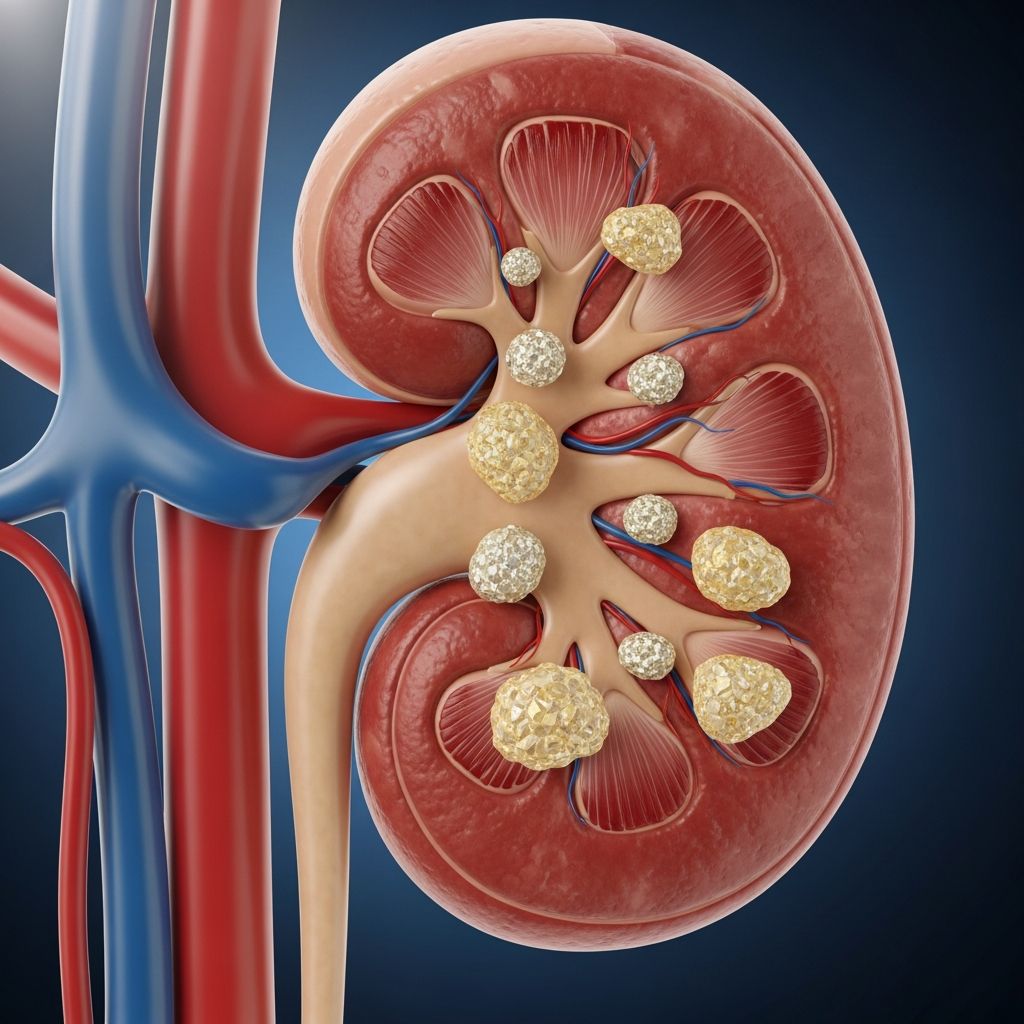
Kidney stones, hard deposits of minerals and salts that form in the kidneys, affect millions worldwide and can cause excruciating pain when they move through the urinary tract. Recognizing symptoms early is crucial for timely intervention, as untreated stones can lead to infections or blockages. This comprehensive guide covers all major symptoms, risk factors, diagnosis, treatment, prevention, and FAQs based on expert medical insights.
What Are Kidney Stones?
Kidney stones, also known as renal calculi, develop when substances like calcium, oxalate, and uric acid in urine become concentrated and crystallize. These stones vary in size from grains of sand to golf balls and can remain asymptomatic in the kidneys until they dislodge into the ureter, the narrow tube connecting the kidney to the bladder. According to medical reviews, small stones often pass unnoticed, but larger ones trigger intense symptoms as they irritate or obstruct the urinary tract.
Stones form due to dehydration, dietary factors, or metabolic issues. There are four main types: calcium oxalate (most common), uric acid, struvite (infection-related), and cystine (genetic). Understanding these helps in prevention and management.
Symptoms of Kidney Stones
Kidney stone symptoms typically emerge when a stone moves from the kidney into the ureter, causing what’s known as renal colic—a severe, wave-like pain. Symptoms vary by stone size, location, and whether complications like infection occur. Here’s a detailed breakdown:
1. Pain in the Back, Belly, or Side (Renal Colic)
The hallmark symptom is intense
flank pain
—sharp, severe discomfort in the back or side below the ribs, often radiating to the lower abdomen or groin. This pain, called renal colic, stems from ureter spasms trying to expel the stone and can be one of the worst pains imaginable, sending over 500,000 people to ERs annually. Pain comes in waves lasting minutes, intensifies with movement, and doesn’t ease with position changes. Large stones may cause more blockage-related agony, but even tiny ones irritate tissues severely.2. Pain or Burning During Urination (Dysuria)
As the stone nears the bladder, urination becomes painful—a sharp, burning sensation similar to a urinary tract infection (UTI). This occurs because the stone scrapes the ureter or urethra lining. Dysuria affects many patients and may accompany blood in urine.
3. Urgent Need to Urinate or Frequent Urination
A stone in the lower ureter irritates the bladder, causing sudden, urgent urges to pee, even if little urine comes out. You might rush to the bathroom constantly, day and night, with small-volume voids. This symptom signals the stone’s descent.
4. Blood in the Urine (Hematuria)
**Hematuria**—visible or microscopic blood in urine—results from the stone abrading urinary tract tissues. Urine may appear pink, red, or brown. Even trace blood warrants attention, as it indicates irritation or damage.
5. Cloudy or Foul-Smelling Urine
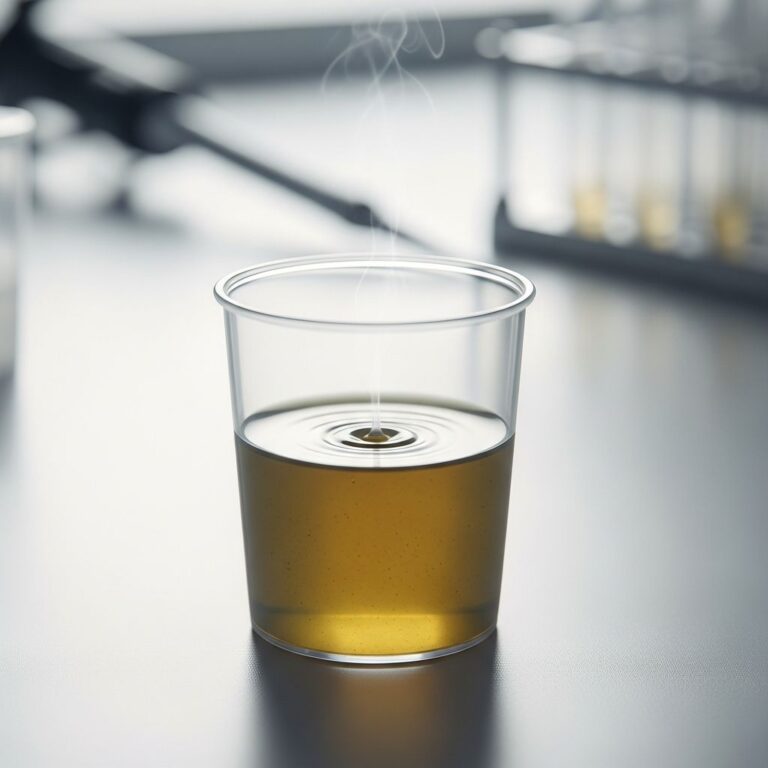
Cloudy, foamy, or smelly urine suggests infection, affecting about 16% of acute kidney stone cases. Healthy urine is clear and odorless; changes here signal bacteria or pus from a UTI complicating the stone—a surgical emergency.
Related Stories



6. Producing Only Small Amounts of Urine
A blocked ureter halts urine flow, leading to dribbling or anuria (no urine). This obstruction risks kidney damage and requires immediate care.
7. Nausea and Vomiting
Intense pain or shared nerve pathways between kidneys and gut trigger nausea and vomiting. Dehydration from vomiting worsens the cycle.
8. Fever and Chills
Fever over 100.4°F (38°C) with chills indicates infection (pyelonephritis), a dangerous complication. Seek emergency help promptly.
Risk Factors for Kidney Stones
Not everyone develops stones, but certain factors increase risk:
- Dehydration: Low fluid intake concentrates urine minerals.
- Diet: High oxalate (spinach, nuts), sodium, or animal protein; low calcium.
- Obesity and Family History: Genetic predisposition plays a role.
- Medical Conditions: Gout, IBD, hyperparathyroidism.
- Medications: Diuretics, antacids with calcium.
Men are more prone, and recurrence is common—50% within 5-10 years without prevention.
When to See a Doctor
Consult a doctor for any suspected symptoms.
Emergency care
is needed if:- Pain is unbearable or unrelieved.
- Fever, chills, nausea/vomiting persist.
- Blood in urine, inability to urinate, or cloudy urine.
Early intervention prevents complications like sepsis or kidney damage.
Diagnosis of Kidney Stones
Doctors diagnose via:
- Urinalysis: Detects blood, crystals, infection.
- Imaging: Non-contrast CT (gold standard), ultrasound, X-ray.
- Blood Tests: Check kidney function, calcium levels.
- Stone Analysis: If passed, to identify type.
These confirm stones and rule out appendicitis or aortic issues.
Treatment Options
Treatment depends on stone size/location:
| Stone Size | Treatment | Details |
|---|---|---|
| <5mm | Conservative | Drink 2-3L water/day, pain meds (ibuprofen), alpha-blockers (tamsulosin) to relax ureter. 90% pass naturally. |
| 5-10mm | Medical Expulsive Therapy | Medications + monitoring; ESWL (shock waves) if needed. |
| >10mm | Procedures | Ureteroscopy, PCNL (surgery), lithotripsy. |
Hydration and pain control are first-line.
Prevention Strategies
Prevent recurrence with:
- Hydration: 2.5-3L fluids daily; urine should be pale yellow.
- Diet: Limit salt/sugar/oxalate; eat citrus for citrate.
- Weight management, moderate protein.
- Medications: Thiazides, allopurinol if recurrent.
These reduce risk by 50%.
Frequently Asked Questions (FAQs)
What does kidney stone pain feel like?
It’s severe, wave-like flank pain radiating to abdomen/groin, often worse than labor for some.
Can kidney stones cause fever?
Yes, fever/chills signal infection—seek ER care immediately.
How long do kidney stones take to pass?
Small ones: 1-2 weeks; larger need intervention.
Do all kidney stones hurt?
No, small/silent ones may pass unnoticed; symptoms start with movement.
Can you prevent kidney stones?
Yes, via hydration, balanced diet, and addressing risks.
References
- 8 Signs and Symptoms of Kidney Stones — Healthline. 2025-04-10. https://www.healthline.com/health/symptoms-of-kidney-stones
- Kidney Stones: Types, What To Expect When You Pass Them, & More — WebMD. https://www.webmd.com/kidney-stones/understanding-kidney-stones-basics
- Understanding Kidney Stones: How to recognize, prevent and manage them — Intermountain Healthcare. https://intermountainhealthcare.org/blogs/article/understanding-kidney-stones-how-to-recognize-prevent-and-manage-them
- What doctors wish patients knew about kidney stones — American Medical Association. https://www.ama-assn.org/public-health/prevention-wellness/what-doctors-wish-patients-knew-about-kidney-stones
Similar Articles








Read full bio of Sneha Tete