Kidneys: Anatomy, Function, And How To Keep Them Healthy
Learn how kidneys filter blood, regulate vital functions, and maintain your body's health and balance.
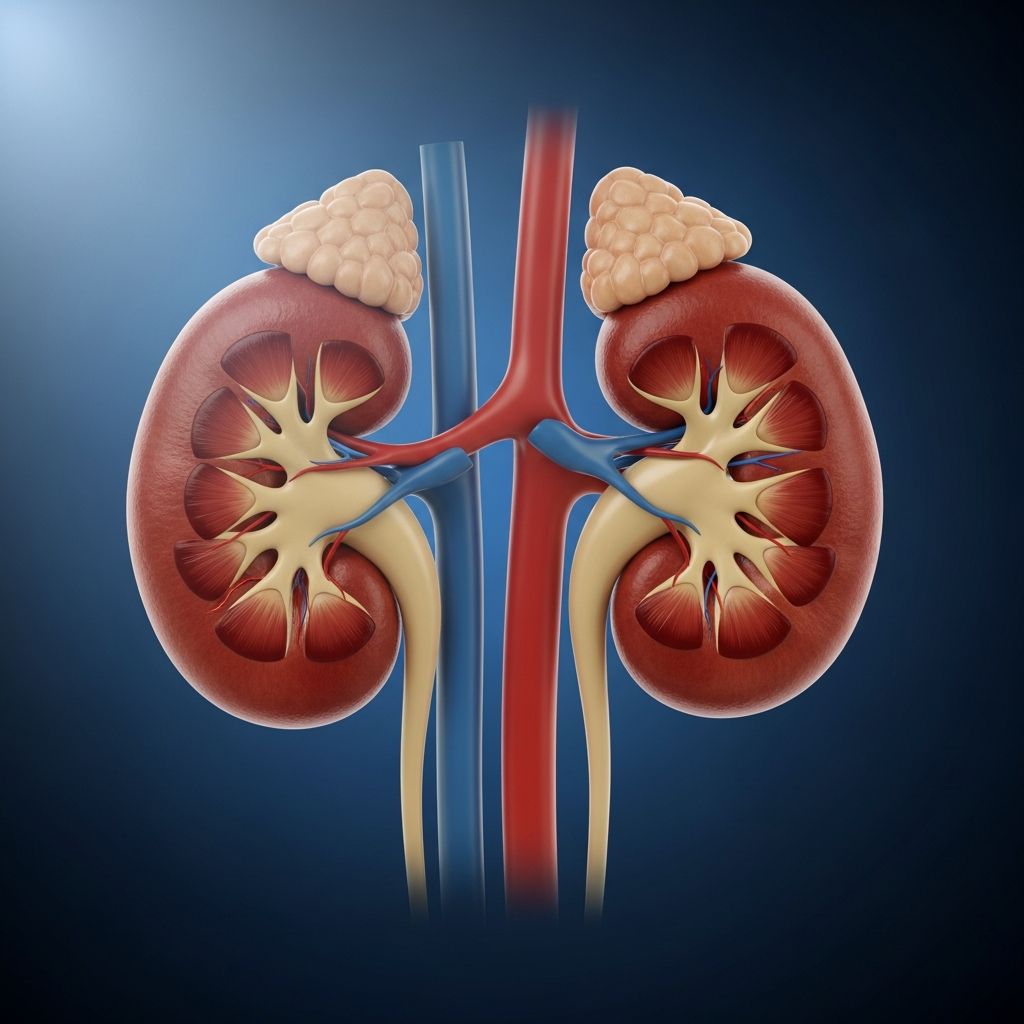
Your kidneys are two bean-shaped organs located just below your rib cage, positioned behind your belly on either side of your spine. These remarkable organs serve as your body’s filtration and regulatory system, working tirelessly to maintain your health and homeostasis. Despite their small size, kidneys perform complex functions that are essential for survival, extending far beyond simply removing waste from your body.
What Are Kidneys?
Kidneys are vital organs that filter your blood to remove waste and excess water, which become urine. Each of your two kidneys contains approximately one million functional filtering units called nephrons. These microscopic structures work continuously to clean your blood and help regulate numerous physiological processes that keep your body functioning optimally.
The kidneys are part of your urinary system, which includes the ureters, bladder, and urethra. Together, these organs work in coordination to filter, store, and remove liquid waste from your body. Without properly functioning kidneys, waste products would accumulate in your bloodstream, leading to serious health complications.
Kidney Anatomy and Location
Where Are Your Kidneys Located?
Your kidneys are located in your retroperitoneal space, which means they sit behind the peritoneum (the membrane lining your abdominal cavity). Specifically, your kidneys are positioned:
- Just below your rib cage
- Behind your belly (anterior to your back muscles)
- On either side of your spine
- Between your intestines and diaphragm
- Above your waist
Typically, you have one kidney on each side of your spine. Each kidney connects to your bladder through a tube called a ureter, allowing urine to flow from the kidney to the bladder for storage and eventual elimination.
Kidney Structure
Each kidney contains several important structural regions that work together to filter blood effectively. The renal cortex is the outer layer of the kidney where the nephrons (blood-filtering units) begin. Within the cortex, you’ll find the glomeruli, which are networks of tiny blood vessels that perform the initial filtration of your blood. The glomerulus acts like a pasta strainer, holding onto what your body needs while letting waste products pass through.
Deep within the kidney lies the renal medulla, which contains straighter tubules compared to the twisted (convoluted) tubules found in the cortex. These tubules are responsible for the fine-tuning of filtration, reabsorbing beneficial substances back into your bloodstream while allowing waste to continue toward the bladder.
How Kidneys Filter Blood
The Filtration Process
Blood filtration in your kidneys occurs through a two-step process that is both efficient and selective. Understanding this process helps explain how your kidneys maintain the delicate balance your body requires.
Step One: Initial Filtration
Blood enters your kidneys through your renal arteries, large blood vessels that branch into smaller vessels called afferent arterioles. These arterioles deliver blood to the nephrons, where the first stage of filtration occurs in the glomerulus. The glomerulus functions like a pasta strainer, allowing small molecules such as water, glucose, urea, and other wastes to pass through, while holding back larger molecules like proteins and blood cells. This process is called ultrafiltration, and it relies on blood pressure to move the filtrate across the glomerular membrane.
Related Stories



Step Two: Tubular Reabsorption
The filtered fluid then flows into the renal tubules, where the second stage of filtration occurs. This process is more selective and precise, similar to a mesh strainer. As the filtrate moves through the convoluted tubules, beneficial substances are reabsorbed back into your bloodstream. These substances include:
- Glucose (sugar)
- Amino acids
- Minerals and electrolytes (sodium, potassium, chloride)
- Water
- Vitamins
The peritubular capillaries, tiny blood vessels surrounding the tubules, facilitate this reabsorption process by picking up the reabsorbed substances and returning them to your bloodstream. Simultaneously, these capillaries secrete additional waste products and excess water, which remain in the tubules and eventually become urine.
Urine Formation and Elimination
After filtration and reabsorption are complete, the remaining fluid, containing waste products and excess water, becomes urine. This urine travels through collecting ducts and moves into the ureters, muscular tubes that gently squeeze the urine in waves, propelling it into your urinary bladder. When your bladder is full and ready to empty, it contracts, allowing urine to flow through your urethra and out of your body.
Key Functions of Your Kidneys
While many people think of kidneys primarily as waste-removal organs, they actually perform multiple critical functions that go far beyond simple filtration. Your kidneys are responsible for maintaining your body’s internal environment and regulating numerous physiological processes.
Blood Filtration and Waste Removal
The primary function of your kidneys is to filter metabolic wastes from your blood, including urea (a byproduct of protein metabolism) and creatinine (a byproduct of muscle activity). These waste products have no further use in your body and must be eliminated to prevent toxic accumulation.
Fluid and Electrolyte Balance
Your kidneys regulate the amount of water and electrolytes in your blood, maintaining the precise osmotic balance your cells require to function properly. By adjusting how much water is reabsorbed in the tubules, your kidneys can concentrate or dilute your urine depending on your body’s hydration status. This regulation is critical for maintaining normal blood pressure, nerve function, and muscle contraction.
Blood Pressure Regulation
Your kidneys help maintain healthy blood pressure through multiple mechanisms. When blood pressure is low, your kidneys produce a hormone called renin, which triggers a cascade of events leading to increased blood pressure. Additionally, by regulating water reabsorption, your kidneys influence blood volume, which directly affects blood pressure.
Red Blood Cell Production
When your body needs more red blood cells—such as during periods of low oxygen levels or blood loss—your kidneys produce a hormone called erythropoietin (EPO). This hormone stimulates your bone marrow to produce additional red blood cells, increasing your blood’s oxygen-carrying capacity.
Glucose Regulation
Your kidneys also contribute to glucose regulation. When blood glucose levels are low, your kidneys produce glucose through a process called gluconeogenesis, helping maintain stable blood sugar levels essential for brain and muscle function.
The Role of Bowman’s Capsule
Bowman’s capsule is a specialized cup-shaped structure that surrounds the glomerulus in each nephron. This important component plays several critical roles in kidney function. The capsule collects the ultrafiltrate produced by the glomerulus and channels it into the renal tubule system. Additionally, Bowman’s capsule protects specialized cells called podocytes by preventing white blood cells from entering. These podocytes have finger-like projections called pedicels that interlock to create slits that selectively allow certain molecules to pass while blocking others, including proteins and blood cells when your kidneys are healthy.
Blood Vessels in the Kidneys
Renal Arteries and Arterioles
Oxygenated blood enters each kidney through the renal artery, a large vessel that branches into progressively smaller vessels. These branch into afferent arterioles that deliver blood directly to the nephrons’ glomeruli. After blood passes through the glomerulus, it exits through efferent arterioles and enters the peritubular capillaries, where reabsorption occurs.
Renal Veins
After your kidneys filter and clean your blood, the filtered blood exits through your renal veins. Both of your kidneys have a renal vein, though they aren’t symmetrical. Your right renal vein is shorter and only receives blood from your right kidney, while your left renal vein is longer and receives blood from your right kidney as well as from other organs including your left adrenal gland, left gonad, and left lower abdomen. The renal veins carry this cleaned, deoxygenated blood into the inferior vena cava, a large vein that returns blood to your heart.
Common Kidney Conditions
Various conditions can affect kidney function and structure. Chronic kidney disease (CKD) is one of the most common, affecting approximately 15% of adults in the United States. When peritubular capillaries become damaged and can’t repair themselves—a condition called peritubular capillary rarefaction—the kidneys cannot filter blood as effectively, contributing to CKD development. Other common kidney conditions include:
- Acute kidney injury (AKI): Sudden loss of kidney function
- Kidney stones: Hard mineral deposits that form in the urinary tract
- Urinary tract infections (UTIs): Bacterial infections affecting the urinary system
- Hypertension: High blood pressure, which can damage kidneys and can result from kidney disease
- Diabetic nephropathy: Kidney damage caused by diabetes
- Glomerulonephritis: Inflammation of the glomeruli
- Polycystic kidney disease: Genetic disorder causing multiple cysts in kidneys
How to Keep Your Kidneys Healthy
Maintaining healthy kidney function is essential for overall wellness. Here are evidence-based strategies to support your kidney health:
- Stay hydrated: Drink plenty of water throughout the day to support optimal kidney filtration and prevent dehydration.
- Maintain a healthy diet: Follow nutritious eating plans rich in vegetables, fruits, whole grains, and lean proteins while limiting sodium and processed foods.
- Manage blood pressure: Keep your blood pressure within healthy ranges through diet, exercise, and medication if necessary, as high blood pressure damages kidneys.
- Control blood sugar: Maintain healthy glucose levels, especially if you have diabetes, to prevent diabetic nephropathy.
- Exercise regularly: Engage in physical activity most days of the week to support cardiovascular and kidney health.
- Avoid excessive NSAIDs: Limit over-the-counter pain medications like ibuprofen, which can harm kidneys.
- Don’t smoke: Smoking reduces blood flow to kidneys and increases blood pressure.
- Maintain a healthy weight: Obesity increases risk of kidney disease and high blood pressure.
- Get regular checkups: See your healthcare provider for routine screening, especially if you have risk factors for kidney disease.
Frequently Asked Questions
Q: How many kidneys do humans have?
A: Most people have two kidneys, one on each side of the spine below the rib cage. However, some people are born with one kidney or may have one removed due to disease or injury. One healthy kidney can perform the functions normally done by two, though it may work harder.
Q: How much blood do kidneys filter daily?
A: Your kidneys filter approximately 120 to 150 quarts of blood daily to produce about 1 to 2 quarts of urine, which depends on your hydration status and overall health.
Q: What are the signs of kidney problems?
A: Common signs include fatigue, difficulty concentrating, swelling in hands and feet, back pain, changes in urination patterns, and high blood pressure. If you experience these symptoms, consult your healthcare provider for evaluation.
Q: Can kidneys repair themselves?
A: Kidney cells have limited regenerative capacity. While some minor damage can be repaired, extensive kidney damage is often permanent. This is why prevention and early treatment of kidney disease are crucial.
Q: How are kidney function tests performed?
A: Kidney function is typically assessed through blood tests measuring creatinine and blood urea nitrogen (BUN), and urine tests checking for protein and other abnormalities. Your doctor may also check your glomerular filtration rate (GFR) to assess how well your kidneys filter waste.
Conclusion
Your kidneys are sophisticated organs that perform far more than simple waste removal. These remarkable structures filter your blood, regulate fluid balance, control blood pressure, produce essential hormones, and maintain the delicate chemical balance your body requires for optimal health. By understanding kidney anatomy and function, and by taking steps to maintain kidney health through proper hydration, nutrition, exercise, and regular medical checkups, you can support these vital organs in their critical work. If you have concerns about your kidney health or notice any symptoms of kidney problems, consult your healthcare provider for professional evaluation and guidance.
References
- Bowman’s Capsule: Anatomy, Function & Conditions — Cleveland Clinic. 2024. https://my.clevelandclinic.org/health/body/22964-bowmans-capsule
- Peritubular Capillaries: Location, Anatomy & Function — Cleveland Clinic. 2024. https://my.clevelandclinic.org/health/body/21914-peritubular-capillaries
- Renal Cortex: Kidney, Anatomy, Function & Conditions — Cleveland Clinic. 2024. https://my.clevelandclinic.org/health/body/23127-renal-cortex
- How Do Kidneys Work? — Cleveland Clinic. 2024. https://cle.clinic/3RCqSr3
- Renal Vein: Anatomy & Function — Cleveland Clinic. 2024. https://my.clevelandclinic.org/health/body/renal-vein
- Ureters: Anatomy, Location, Function & Conditions — Cleveland Clinic. 2024. https://my.clevelandclinic.org/health/body/ureters
- Urinary System: Organs, Anatomy, Function & Conditions — Cleveland Clinic. 2024. https://my.clevelandclinic.org/health/body/21197-urinary-system
Similar Articles








Read full bio of medha deb