Kidneys Anatomy And Function: 3 Urine Formation Steps
Discover the vital role of kidneys in filtering blood, balancing fluids, and maintaining overall health through detailed anatomy and processes.
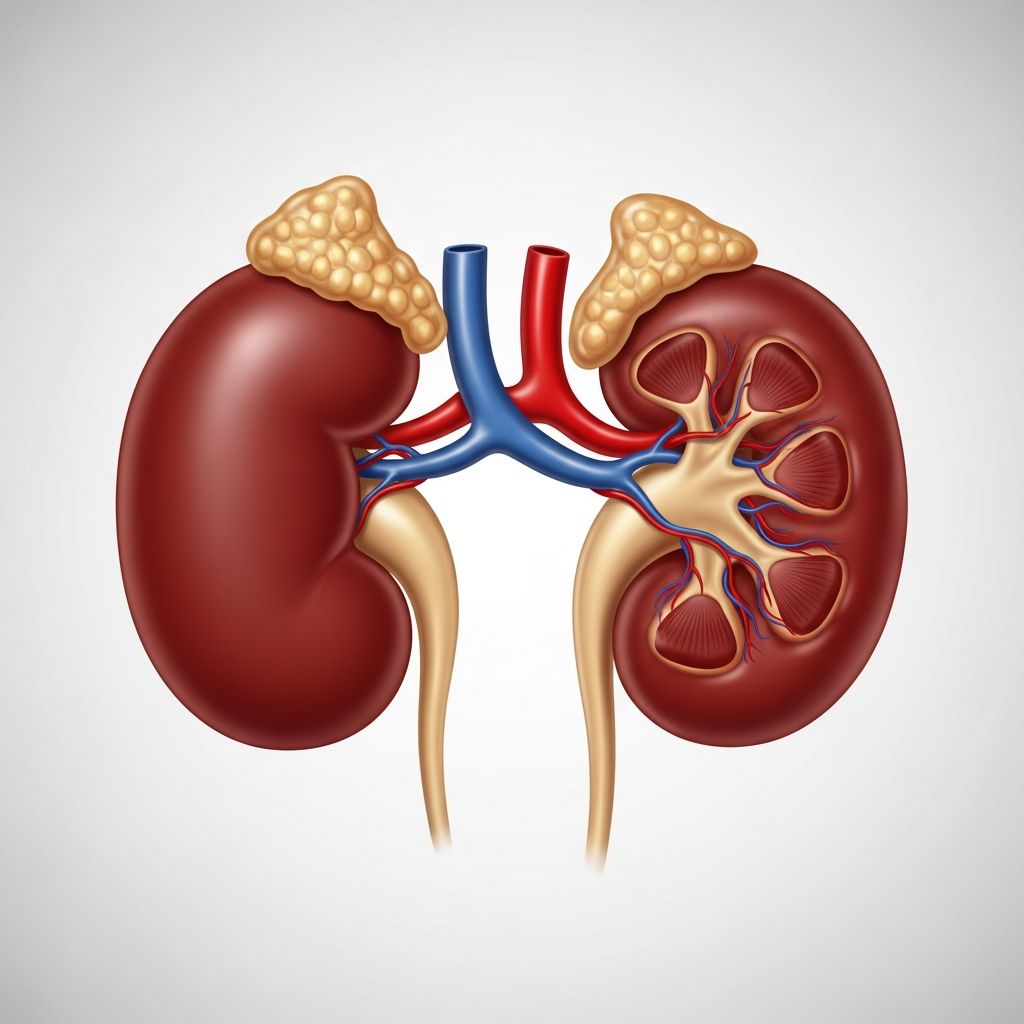
The kidneys are essential bean-shaped organs positioned in the upper abdomen, playing a critical role in filtering blood to remove waste, regulate fluid balance, and maintain electrolyte levels. Each day, they process approximately 180 liters of blood filtrate, producing about 1-2 liters of urine while reabsorbing vital nutrients.
Position and External Features of the Kidneys
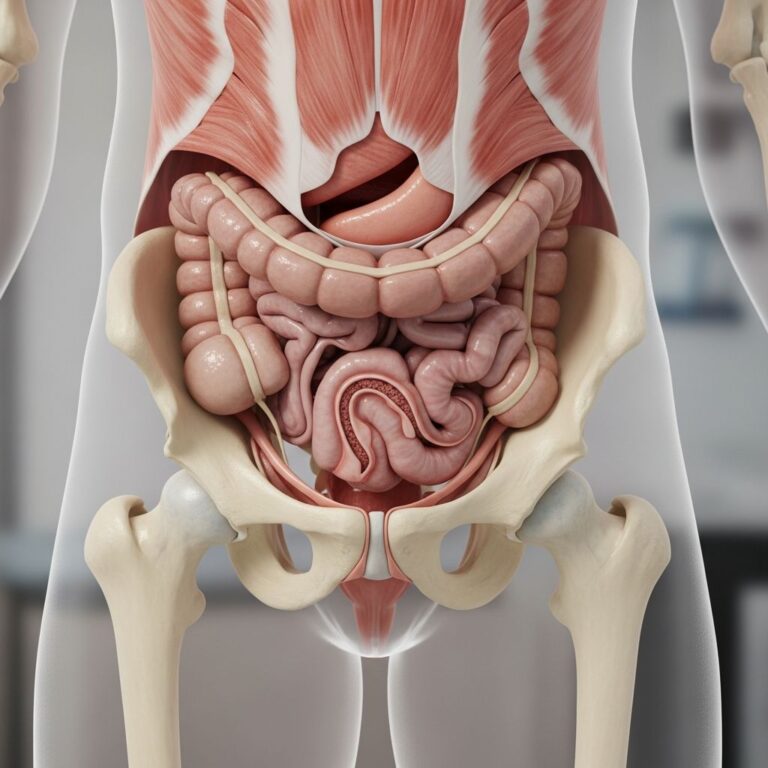
Located retroperitoneally on either side of the spine, the kidneys sit high in the abdominal cavity, protected by layers of fat and the lower ribs. The right kidney typically rests slightly lower than the left due to the liver’s position, spanning vertebral levels T12 to L3. Adrenal glands cap each kidney, aiding in hormone production.
Encased in a tough renal capsule, the kidneys feature a convex anterior border and a concave hilum where the renal artery enters and the renal vein and ureter exit. Surrounding perirenal and pararenal fat cushions them, while the renal fascia provides structural support.
Internal Organization: Cortex, Medulla, and Lobes
Internally, kidneys divide into the outer renal cortex and inner renal medulla, forming 8 to 18 renal lobes. Each lobe consists of a medullary pyramid surrounded by cortical tissue, with renal columns separating pyramids. Pyramid tips, or papillae, drain into minor calyces that merge into major calyces and the renal pelvis, funneling urine to the ureter.
The renal sinus, a fat-filled cavity, houses these structures, separating them from medullary tissue. This organization optimizes filtrate flow and concentration.
The Nephron: Microscopic Filtration Units
Nephrons, numbering about 1 million per kidney, are the functional units spanning cortex and medulla. Each nephron includes a renal corpuscle in the cortex and a renal tubule extending into the medulla.
- Renal Corpuscle: Comprises the glomerulus—a capillary tuft—and Bowman’s capsule. High pressure from afferent arterioles forces fluid through the glomerular membrane, initiating filtration.
- Proximal Convoluted Tubule (PCT): Reabsorbs 65% of filtrate, including glucose, amino acids, sodium, and water via active transport.
- Loop of Henle: Descending limb permits water reabsorption for concentration; ascending limb actively reabsorbs salts, diluting filtrate.
- Distal Convoluted Tubule (DCT): Fine-tunes ion balance under hormonal influence.
- Collecting Duct: Final water reabsorption site, regulated by ADH.
This pathway ensures efficient waste separation from essentials.
Step-by-Step Urine Formation Process
Urine production involves three phases: filtration, reabsorption, and secretion.
Glomerular Filtration
Blood enters via renal artery branches to afferent arterioles, creating high glomerular pressure (about 55 mmHg). This filters water, ions, glucose, and wastes into Bowman’s space, excluding large proteins and cells. Filtration rate averages 125 mL/min.
Tubular Reabsorption
In the PCT, active transport recovers nearly all glucose and amino acids, plus most water and Na+. The Loop of Henle’s countercurrent multiplier establishes an osmotic gradient for concentration. DCT adjusts Ca2+, Na+, and K+ via PTH, aldosterone.
| Tubule Segment | Reabsorbed Substances | Key Hormones/Mechanisms |
|---|---|---|
| Proximal Convoluted Tubule | Glucose, amino acids, 65% Na+, H2O, HCO3- | Active transport, Na+/K+ ATPase |
| Descending Loop of Henle | Water (permeable) | Passive osmosis |
| Ascending Loop of Henle | Na+, K+, Cl- (impermeable to water) | Active Na+/K+/2Cl- cotransporter |
| Distal Convoluted Tubule | Na+, Ca2+, HCO3- | Aldosterone, PTH |
| Collecting Duct | Water (3-5%), Na+ | ADH (aquaporins), Aldosterone |
Related Stories



Tubular Secretion
Additional wastes like H+, K+, ammonia, and drugs are actively secreted into tubules, enhancing clearance.
Regulation of Kidney Operations
Kidneys autoregulate via the juxtaglomerular apparatus, including juxtaglomerular cells and macula densa, maintaining stable filtration despite blood pressure changes. Renin-angiotensin-aldosterone system (RAAS) responds to low pressure: renin release elevates angiotensin II and aldosterone, promoting Na+ reabsorption and vasoconstriction to raise blood pressure.
ADH concentrates urine by inserting aquaporins; atrial natriuretic peptide counters by promoting natriuresis.
Beyond Filtration: Broader Physiological Roles
Kidneys regulate acid-base balance via H+ secretion and HCO3- reabsorption/generation by intercalated cells. They activate vitamin D for bone health and produce erythropoietin for red blood cell formation.
- Fluid and electrolyte homeostasis
- Blood pressure control via RAAS
- pH buffering
- Toxin excretion
- Hormone synthesis
Common Kidney Health Concerns
Impairments like chronic kidney disease affect 10-15% globally, stemming from diabetes, hypertension. Acute issues include infections or obstructions. Symptoms: fatigue, swelling, altered urine. Prevention: hydration, balanced diet, pressure management.
Diagnostic Insights into Kidney Performance
Tests measure glomerular filtration rate (GFR), creatinine, electrolytes. Imaging like ultrasound reveals structure.
Frequently Asked Questions (FAQs)
How much blood do kidneys filter daily?
About 180 liters of filtrate from 1,800 liters of blood, reabsorbing 99%.
What triggers renin release?
Low perfusion, detected by macula densa or baroreceptors.
Can lifestyle impact kidney function?
Yes; excessive salt, dehydration, smoking harm; hydration, fruits/veggies aid.
Difference between cortex and medulla?
Cortex houses corpuscles and tubules; medulla concentrates urine via loops.
Role of ADH in kidneys?
Increases collecting duct permeability to water, reducing urine volume.
Maintaining Optimal Kidney Wellness
Daily water intake (2-3L), low-sodium diet, exercise, regular check-ups preserve function. Monitor for hypertension/diabetes.
References
- Kidney – Wikipedia — Wikipedia. 2024. https://en.wikipedia.org/wiki/Kidney
- Anatomy of the kidney and the nephron — Khan Academy. 2024. https://www.khanacademy.org/test-prep/mcat/organ-systems/the-renal-system/a/anatomy-of-the-kidney-and-the-nephron
- Renal System Lecture Notes — San Diego Miramar College. 2024-05. https://sdmiramar.edu/sites/default/files/2024-05/%2313%20Renal%20System%20Lect%20Notes.pdf
- How Your Kidneys Work — Nucleus Medical Media (YouTube). 2024-05-16. https://www.youtube.com/watch?v=CShAIAD-ask
- Kidneys: Location, Anatomy, Function & Health — Cleveland Clinic. 2024. https://my.clevelandclinic.org/health/body/21824-kidney
- Kidney function and anatomy — Khan Academy. 2024. https://www.khanacademy.org/science/health-and-medicine/human-anatomy-and-physiology/introduction-to-the-kidneys/v/how-do-our-kidneys-work
- How Your Kidneys Work — National Kidney Foundation. 2024. https://www.kidney.org/kidney-topics/kidney-function
Similar Articles








Read full bio of Sneha Tete