Kimchi Recalled: What To Do If You Bought J-Basket Napa
JFC International recalls over 2,700 cases of J-Basket Napa Kimchi due to yeast contamination across 10 states—check your fridge now.
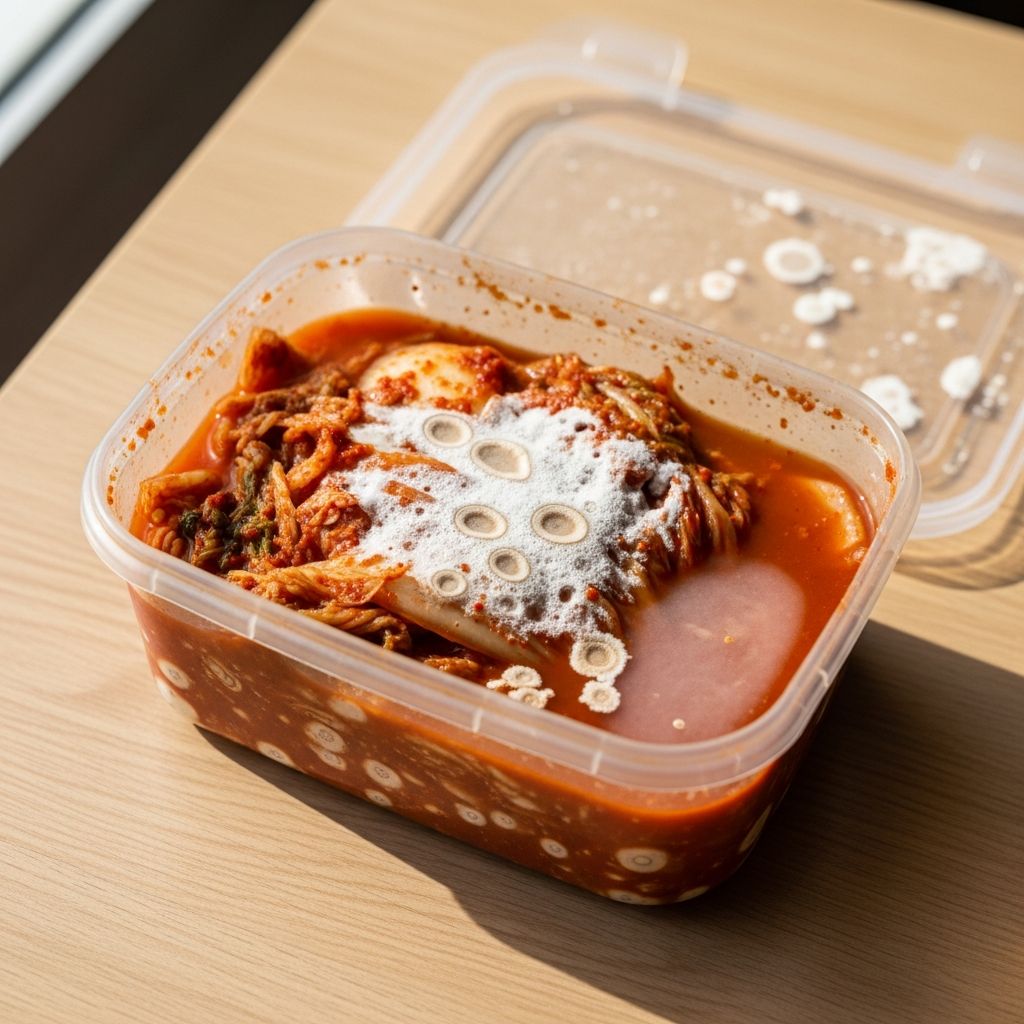
A significant food recall has been issued for certain jars of J-Basket Brand Napa Kimchi due to high levels of yeast growth and a visible film on the product. Initiated by JFC International Inc. on August 1, 2024, and classified by the FDA as Class III, this recall affects 2,735 cases distributed across 10 states. While not posing immediate health dangers, the contamination raises concerns about quality and potential spoilage risks.
The issue stems from yeast overgrowth, which can alter the product’s texture, taste, and safety profile. Consumers who purchased the affected items are urged to discard them or return them for a refund to prevent any potential issues.
What to Know About the Kimchi Recall
The recall targets specific lots of J-Basket Brand Napa Kimchi in 14.1 oz plastic jars. Distributed primarily through retail channels in Washington, Arizona, Colorado, Texas, Illinois, New York, Maryland, Georgia, Florida, and Hawaii, the product reached consumers via grocery stores and distributors. JFC International, a major importer of Asian foods based in California, acted promptly after detecting the yeast during quality checks.
Key details include:
- Product: J-Basket Brand Napa Kimchi, Net Wt. 14.1 oz (12 jars per case)
- UPC Code: 0 11152 83000 1
- Best Before Dates: 10/26/24 and 12/19/24
- Quantity Recalled: 2,735 cases (approximately 32,820 jars)
- Recall Classification: Class III by FDA—not likely to cause adverse health consequences
- Initiation Date: August 1, 2024 (ongoing as of latest reports)
No illnesses have been reported in connection with this recall, which is a positive note for public health. However, the visible yeast film indicates improper fermentation or storage, common pitfalls in fermented products like kimchi.
Health Risks of Yeast in Kimchi
Kimchi is a fermented cabbage dish beloved in Korean cuisine, packed with probiotics, vitamins, and fiber. Fermentation naturally involves yeasts and bacteria, but excessive yeast can lead to over-fermentation, resulting in off-flavors, sliminess, or a fizzy texture. In rare cases, high yeast levels might contribute to digestive discomfort, especially for those with sensitivities.
Unlike bacterial pathogens like Listeria, yeast overgrowth in kimchi is generally not harmful to healthy individuals. However, immunocompromised people should exercise extra caution. The FDA’s Class III designation confirms low risk, but discarding affected products ensures safety.
Common symptoms from spoiled fermented foods include bloating, gas, or nausea, but these are mild and self-resolving. For context, a separate kimchi recall by 5000 Years Foods involved Listeria risks, highlighting varied contamination issues in the category.
What Caused the Yeast Contamination?
Yeast growth in jarred kimchi often results from post-packaging contamination, temperature fluctuations during shipping, or inadequate pasteurization. Kimchi’s anaerobic environment in jars favors lactic acid bacteria, but wild yeasts can proliferate if seals are compromised or storage exceeds recommended conditions (below 40°F).
JFC International identified the issue through internal testing, prompting the voluntary recall. Factors like supply chain disruptions or seasonal production spikes could exacerbate such problems in fermented goods.
Which States Are Affected by the Recall?
The distribution spanned 10 states, focusing on areas with large Asian food markets:
| State | Primary Distribution Channels |
|---|---|
| Washington | Grocery stores, Asian markets |
| Arizona | Retail distributors |
| Colorado | Specialty food stores |
| Texas | Widespread retail |
| Illinois | Urban markets |
| New York | High-volume distributors |
| Maryland | Regional grocers |
| Georgia | Southeast retailers |
| Florida | Tropical climate stores |
| Hawaii | Island-specific markets |
Related Stories



Consumers outside these states are unlikely affected, but nationwide online sales could broaden reach.
What Should You Do If You Have the Recalled Kimchi?
Inspect your refrigerator and pantry immediately. Check labels for the UPC, best before dates, and brand. If matched:
- Do not consume: Even if it looks fine, yeast can be unevenly distributed.
- Discard safely: Seal in a bag and throw in trash to avoid pets or wildlife access.
- Return for refund: Contact retailer or JFC International.
- Report issues: Use FDA’s consumer complaint portal if symptoms occur.
For questions, reach JFC support or monitor FDA recall pages.
All About Kimchi: Benefits and Safe Storage
Kimchi’s popularity stems from its gut-health benefits via live cultures, vitamin C, and antioxidants. A staple in Korean diets, it aids digestion and may reduce inflammation.
To store safely:
- Refrigerate at 35-40°F.
- Consume within best before date.
- Check for bubbles, mold, or off-odors before eating.
- Avoid room temperature storage.
Homemade kimchi requires sterile jars and proper salting to control fermentation.
How to Spot Spoiled Kimchi
Visual cues include white film (yeast), mold spots, or discoloration. Smell for alcohol-like or rancid notes; taste should be tangy, not bitter. Bubbles indicate active fermentation—okay short-term but risky long-term.
Kimchi Recall History: Patterns and Prevention
Kimchi recalls aren’t isolated. Recent cases include Listeria in 2021 from 5000 Years Foods and mold issues elsewhere. Fermented foods’ live nature heightens risks, but rigorous FDA oversight helps.
Prevention tips for manufacturers: Enhanced sanitation, temperature monitoring, and microbial testing.
Frequently Asked Questions (FAQs)
Is the recalled kimchi dangerous to eat?
No confirmed illnesses, and it’s Class III, meaning low health risk. Still, discard to avoid quality issues.
Which UPC code is affected?
0 11152 83000 1 on 14.1 oz J-Basket Napa Kimchi jars.
Can I return it somewhere?
Yes, to purchase point or contact JFC International for guidance.
Why did yeast grow in the kimchi?
Likely from storage or packaging conditions allowing over-fermentation.
Are there other kimchi brands recalled?
This is specific to J-Basket; check FDA for others like past Listeria cases.
How do I check active recalls?
Visit foodsafety.gov or FDA recall database.
Staying Safe: Tips for Fermented Foods
Buy from reputable sources, store cold, and eat promptly. Probiotics thrive in fresh kimchi—enjoy safely!
References
- Kimchi recalled over mold and yeast — Food Safety News. 2024-08. https://www.foodsafetynews.com/2024/08/kimchi-recalled-over-mold-and-yeast/
- 5000 Years Foods, Inc. Recall Cabbage Kimchi Because of Possible Health Risk — U.S. Food and Drug Administration (FDA). 2021. https://www.fda.gov/safety/recalls-market-withdrawals-safety-alerts/5000-years-foods-inc-recall-cabbage-kimchi-because-possible-health-risk
- Recalls and Outbreaks — USDA/FSIS Food Safety. 2025-07-17. https://www.foodsafety.gov/recalls-and-outbreaks
Similar Articles








Read full bio of Sneha Tete