Kimchi For Weight Loss: 5 Evidence-Based Benefits
Discover how kimchi supports weight management, gut health, and more through its probiotic power and nutrients.
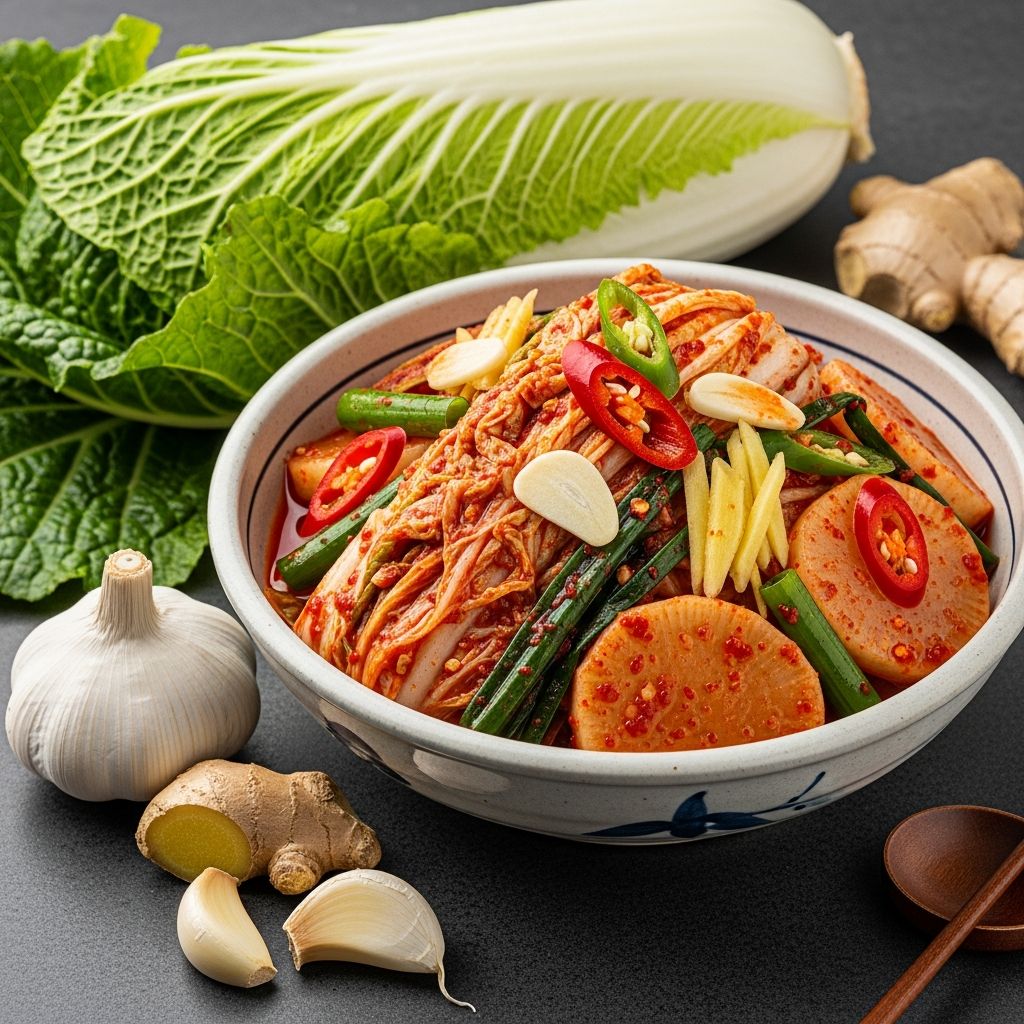
Known for its bold flavors and cultural significance in Korean cuisine, kimchi—a fermented vegetable dish primarily made from cabbage or radish—offers potential health benefits including support for weight management and gut health. Recent studies suggest moderate consumption may lower obesity risk, particularly in men, while its probiotics promote digestive wellness.
What Is Kimchi?
Kimchi is a traditional Korean side dish created through fermenting vegetables like napa cabbage (baechu) or radish (kkakdugi) with seasonings such as garlic, ginger, chili pepper, and fish sauce. This fermentation process, driven by lactic acid bacteria, transforms the vegetables into a tangy, spicy condiment rich in probiotics, fiber, vitamins, and antioxidants.
The fermentation not only enhances flavor but also boosts nutritional value. A single serving provides low calories (around 20-30 per 100g), high water content for satiety, and dietary fiber that aids digestion. Varieties differ: baechu kimchi is cabbage-based and common, while kkakdugi uses radish for a crunchier texture.
Nutrition Facts of Kimchi
Kimchi is nutrient-dense yet low in calories, making it suitable for weight-conscious diets. Per 1-cup (150g) serving of cabbage kimchi:
- Calories: 22-30
- Protein: 2g
- Carbohydrates: 4g (including 2.4g fiber)
- Fat: 0.5g
- Vitamin C: 20-30% DV
- Vitamin K: 50% DV
- Probiotics: Lactobacillus strains
These nutrients contribute to its gut-friendly profile, with fiber supporting regularity and probiotics fostering microbiome diversity.
| Nutrient | Amount per 150g | % Daily Value |
|---|---|---|
| Calories | 23 | 1% |
| Fiber | 2.4g | 9% |
| Vitamin C | 18mg | 20% |
| Sodium | 747mg | 32% |
Note the high sodium from salt used in fermentation; those with hypertension should consume moderately.
5 Kimchi Health Benefits
1. May Promote Weight Loss
Moderate kimchi intake is linked to lower obesity risk. A 2024 BMJ Open study of 115,726 Koreans found 1-3 servings/day of total kimchi associated with 11% lower obesity prevalence in men compared to <1 serving. Baechu kimchi (3+ servings) reduced obesity and abdominal obesity by 10% in men; for women, 2-3 servings cut obesity risk by 8%.
Another analysis showed moderate intake correlated with less BMI increase in overweight individuals, especially men. Fiber induces satiety, while probiotics may improve metabolism. However, 5+ servings linked to higher weight, likely due to excess calories, sodium, and carbs.
2. Improves Gut Health
Kimchi’s live probiotics like Lactobacillus plantarum enhance gut microbiome diversity, aiding digestion and reducing bloating. Fermentation produces short-chain fatty acids that nourish gut lining. Studies link fermented kimchi to better insulin sensitivity, benefiting metabolic health.
3. Supports Heart Health
Antioxidants in kimchi combat oxidative stress, potentially lowering cholesterol. Probiotics may reduce inflammation markers linked to cardiovascular disease.
4. Boosts Immunity
Vitamin C, beta-carotene, and probiotics strengthen immune response. LAB strains inhibit pathogens, supporting respiratory and gut immunity.
Related Stories



5. Aids Blood Sugar Control
Fermented kimchi improved insulin resistance in prediabetics per a 2013 study, with greater benefits from fermentation. Fiber slows glucose absorption, stabilizing levels.
Kimchi for Weight Loss: Does It Work?
Evidence is promising but not definitive. A 2011 study had overweight participants eat 300g fresh or fermented kimchi daily for 4 weeks, yielding ~1.5kg loss—statistically significant but below 5% threshold for clinical relevance. The 2024 large-scale study shows J-shaped associations: benefits peak at 1-3 servings, risks rise beyond.
Low-calorie, high-fiber profile promotes fullness; probiotics may enhance fat metabolism. Radish kimchi specifically linked to less abdominal fat. Observational data can’t prove causation—lifestyle factors confound. Still, as part of calorie-controlled diets, it supports efforts.
Best Types of Kimchi for Weight Loss
- Baechu (Cabbage) Kimchi: Optimal for men (3+ servings lower obesity 10%); women 2-3 servings reduce risk 8%.
- Kkakdugi (Radish) Kimchi: Lowers abdominal obesity 9-11% at low-moderate intake; lower calorie density.
- Fermented over Fresh: Greater weight loss and metabolic benefits due to probiotics.
Choose low-sodium, unpasteurized for live cultures. Homemade allows control over ingredients.
How to Add Kimchi to Your Diet
Incorporate 1-2 servings (100-150g) daily:
- Bowl of rice with kimchi and egg.
- Kimchi fried rice or stew (kimchi jjigae).
- Salad topper or sandwich filling.
- Smoothie booster (small amounts for tang).
- Side with grilled meats or tofu.
Start slow to avoid digestive upset from probiotics.
Kimchi Recipe
Easy Homemade Baechu Kimchi
Prep: 30 min + 2-5 days ferment. Serves 8.
Ingredients:
- 1 large napa cabbage (2lb), quartered
- 1/2 cup sea salt
- 1 cup water + 1 tbsp glutinous rice flour (paste)
- 1 tbsp sugar
- 1/4 cup fish sauce
- 1 cup gochugaru (Korean chili flakes)
- 5 garlic cloves, minced
- 1 tbsp ginger, grated
- 4 green onions, sliced
- 1 daikon radish, julienned (optional)
Instructions:
- Salt cabbage leaves, soak 2-4 hours, rinse.
- Make paste: boil water-flour, add sugar; cool.
- Mix paste with fish sauce, gochugaru, garlic, ginger, onions, radish.
- Coat cabbage, pack into jar; ferment at room temp 1-5 days, then refrigerate.
Enjoy fresh or more fermented. Adjust spice to taste.
Side Effects and Precautions
Generally safe, but:
- High sodium: Monitor for blood pressure issues.
- Digestive upset: Gas/bloating initially from probiotics.
- Histamine intolerance: Fermented foods may trigger allergies.
- Excess intake: J-shaped risk for obesity.
Consult doctor if immunocompromised or pregnant. Opt for vegan versions sans fish sauce.
Frequently Asked Questions (FAQs)
Is kimchi good for weight loss?
Moderate intake (1-3 servings/day) associates with lower obesity risk, especially baechu for men and radish for abdominal fat, per large Korean studies. Not a miracle food—combine with diet/exercise.
Can kimchi help with gut health?
Yes, probiotics like Lactobacillus improve microbiome diversity and digestion.
How much kimchi per day for benefits?
1-3 servings (about 50-100g each); more may increase weight risk.
Is store-bought kimchi as good as homemade?
Choose refrigerated, unpasteurized for live probiotics; homemade best for freshness.
Does kimchi cause gas?
Initially yes, due to fiber/probiotics; build tolerance gradually.
References
- Eating Kimchi for Weight Loss — NOVI Health. 2024. https://novi-health.com/library/eating-kimchi-for-weight-loss
- Is kimchi a weight-loss superfood? — Food Navigator. 2024-03-26. https://www.foodnavigator.com/Article/2024/03/26/Is-kimchi-a-weight-loss-superfood/
- Up to three daily servings of kimchi may lower men’s obesity risk — BMJ Group. 2024. https://bmjgroup.com/up-to-three-daily-servings-of-kimchi-may-lower-mens-obesity-risk/
- Association between kimchi consumption and obesity — NIH PMC. 2024. https://pmc.ncbi.nlm.nih.gov/articles/PMC10836382/
- Effect of kimchi intake on body weight — RSC Publishing. 2023. https://pubs.rsc.org/en/content/articlelanding/2023/fo/d2fo03900a
- The Health Benefits of Kimchi — WeightWatchers. 2024. https://www.weightwatchers.com/us/blog/food/kimchi-health-benefits
- Can kimchi really help you lose weight? — University of South Australia. 2024. https://www.unisa.edu.au/connect/enterprise-magazine/articles/2024/can-kimchi-really-help-you-lose-weight-hold-your-pickle.-the-evidence-isnt-looking-great/
Similar Articles








Read full bio of Sneha Tete