Kiwano Benefits: 10 Science-Backed Health Perks
Discover the exotic horned melon's nutrition facts, health benefits, how to eat it, and potential risks for optimal wellness.
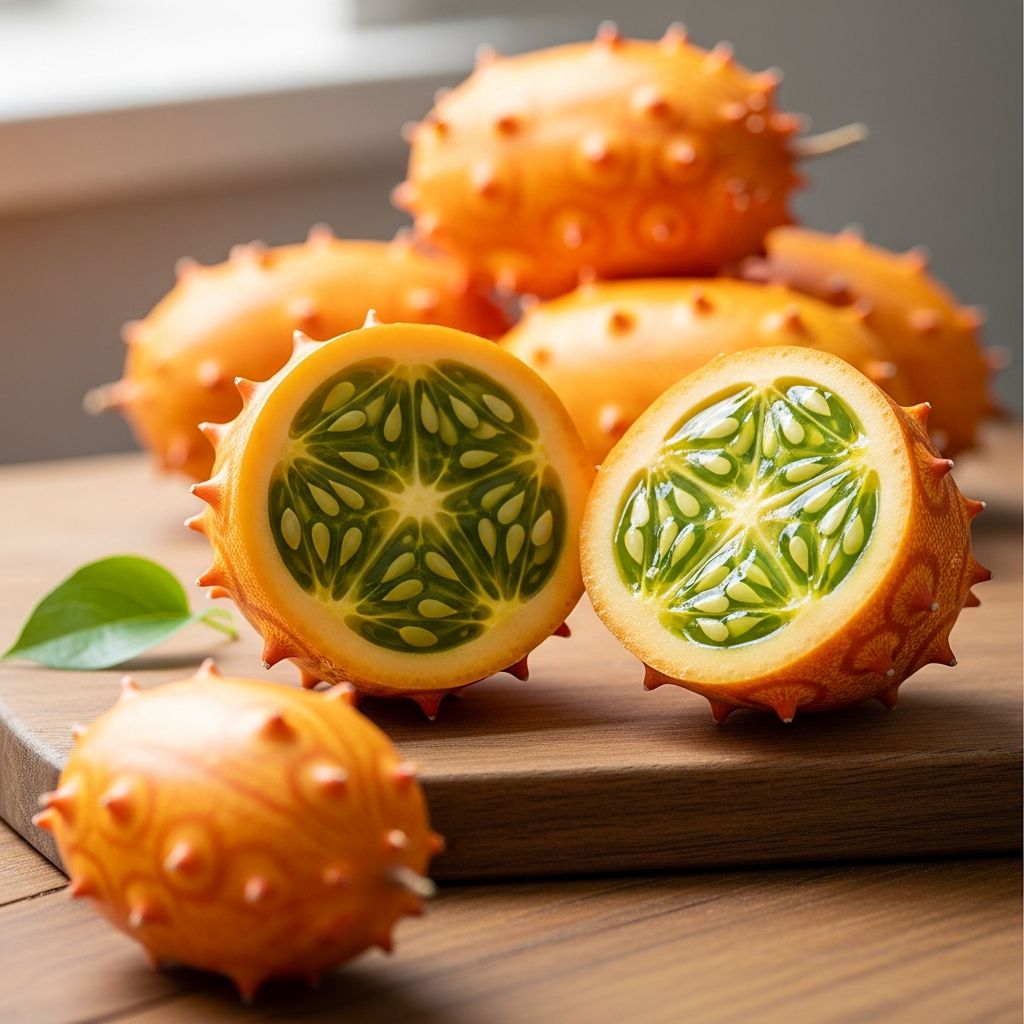
Kiwano, also known as horned melon or African cucumber, is an exotic fruit native to southern Africa with vibrant orange skin covered in spiky horns and jelly-like green flesh filled with edible seeds. This low-calorie, water-rich fruit provides essential vitamins, minerals, and antioxidants that support overall health, including immunity, skin vitality, and hydration.
What Is Kiwano?
Kiwano (Cucumis metuliferus) grows on a vine in arid regions of Africa, now cultivated in places like New Zealand, Australia, and California. Its unique appearance—yellow when unripe, orange when ripe—with horn-like spines makes it visually striking. The flesh offers a cucumber-banana-lime flavor, mild and refreshing, with crunchy seeds similar to kiwi or pomegranate.
Historically used in African diets for hydration due to over 90% water content, kiwano provides hydration without excess calories (about 44 calories per 100g). Its nutrient density makes it a superfood candidate for modern diets seeking variety beyond common fruits.
Nutrition Facts of Kiwano
One cup (about 165g) of kiwano flesh delivers key nutrients with minimal calories. Below is a breakdown based on established nutritional analyses.
| Nutrient | Amount per 1 Cup (165g) | % Daily Value* |
|---|---|---|
| Calories | 73 | 4% |
| Water | 91% | – |
| Vitamin C | 16 mg | 18% |
| Vitamin A | 299 IU | 6% |
| Potassium | 432 mg | 9% |
| Magnesium | 40 mg | 10% |
| Iron | 1.3 mg | 7% |
| Zinc | 0.5 mg | 5% |
| Fiber | 2.5 g | 9% |
*Percent Daily Values based on a 2,000-calorie diet. Kiwano stands out for alpha-tocopherol (vitamin E), lutein, and beta-carotene, antioxidants protecting cells from oxidative stress.
Potential Health Benefits of Kiwano
Kiwano’s nutrients contribute to multiple health areas, supported by its vitamin, mineral, and antioxidant profile.
1. Packed With Antioxidants
Kiwano contains alpha-tocopherol, beta-carotene, lutein, lycopene, and vitamin C, neutralizing free radicals that damage cells, nerves, and blood vessels. These combat oxidative stress linked to cancer, heart disease, and aging. Immature kiwano shows high polyphenol content for enhanced antioxidant capacity.
2. May Promote Healthy Skin
Vitamin C (18% DV per cup) supports collagen production for skin elasticity, wound healing, and UV protection. Antioxidants like vitamin E reduce wrinkles, age spots, and hyperpigmentation. The high water content hydrates skin, promoting a youthful glow.
3. Supports Immune Function
Vitamin C and zinc bolster white blood cell production and immune response, helping fight infections. Zinc regulates inflammation, while vitamin C aids antibody formation. Consume during flu season for natural defense.
4. Aids Hydration and Electrolyte Balance
With 91% water and electrolytes like potassium, magnesium, and sodium, kiwano prevents dehydration, supports muscle/nerve function, and maintains blood pressure. Ideal for athletes or hot climates.
5. Promotes Heart Health
Magnesium regulates blood pressure and prevents arrhythmias; low levels link to heart disease. Linoleic acid (omega-6) and oleic acid in seeds support cardiac muscle strength. Low cholesterol enhances its heart-friendly profile.
6. Helps Prevent Iron Deficiency Anemia
Related Stories



Iron (non-heme) with vitamin C improves absorption, aiding hemoglobin production for oxygen transport. Beneficial for vegetarians or those with low iron.
7. Supports Bone Health
Magnesium, calcium, zinc, and vitamin C promote bone density, remodeling, and prevent osteoporosis. Magnesium deficiency links to bone loss, especially in postmenopausal women.
8. Boosts Digestion
Dietary fiber (2.5g per cup) regulates bowel movements, prevents constipation, bloating, and supports gut health, potentially lowering colon cancer risk.
9. May Improve Eye Health
Vitamin A and zinc protect retina, prevent macular degeneration and night blindness. Lutein and zeaxanthin filter blue light.
10. Enhances Metabolism and Reduces Stress
Zinc boosts metabolic enzymes and protein synthesis for cell repair. Organic compounds may regulate stress hormones like adrenaline for calm.
Potential Downsides of Kiwano
Generally safe, but considerations include:
- Allergies: Rare, but those allergic to cucumber/melon family may react.
- Oxalates: Moderate levels; limit if prone to kidney stones.
- Pesticides: Wash thoroughly; spines trap residues.
- Overconsumption: Excess fiber may cause digestive upset.
- Pregnancy/Breastfeeding: Safe in food amounts; consult doctor for supplements.
No major interactions noted, but those on blood thinners or diuretics should monitor electrolytes.
How to Eat Kiwano
Ripe kiwano is orange and spiky; unripe is yellow/green.
- Wash under running water, scrubbing spines.
- Slice in half lengthwise.
- Scoop flesh with spoon; eat raw like kiwi.
- Crunch seeds for nutrition; discard skin.
Best fresh; refrigerate up to 2 weeks at 15°C (59°F). Consume within days of cutting.
Substitution
Replace cucumber in salads, kiwi in smoothies, or lime in drinks.
Sample Recipes
Kiwano Smoothie
- 2 kiwano (scooped)
- 1 banana
- 1/2 cup yogurt
- Juice of 1 lime
- Handful spinach
Blend until smooth. Serves 2; 150 calories each.
Kiwano Salad
- 2 kiwano (cubed)
- 1 cucumber
- 1 avocado
- Mint, feta, olive oil dressing
Toss gently. Refreshing side for 4.
Frequently Asked Questions (FAQs)
Is kiwano safe to eat?
Yes, flesh and seeds are edible raw. Avoid unripe (bitter) or overripe (mushy) fruit.
How many calories in kiwano?
Approximately 44 calories per 100g, low-carb and fat-free.
Where to buy kiwano?
Specialty grocers, farmers’ markets, online; seasonal in summer.
Can you eat kiwano skin?
No, it’s tough and bitter; only flesh and seeds.
Does kiwano help weight loss?
Its high water, fiber, and low calories promote satiety without weight gain.
Is kiwano good for diabetes?
Low glycemic index; fiber stabilizes blood sugar. Consult doctor.
References
- Health Benefits of Kiwano — WebMD. 2023. https://www.webmd.com/diet/health-benefits-kiwano
- 6 Benefits of Kiwano (Horned Melon) — And How to Eat It — Healthline. 2022-10-12. https://www.healthline.com/nutrition/kiwano-melon
- 8 Benefits of Kiwano (Horned Melon) and How to Eat It — MedicineNet. 2023. https://www.medicinenet.com/8_benefits_of_kiwano_horned_melon_and_how_to_eat/article.htm
- Quantitative and Qualitative Production of Species Cucumis metuliferus (Kiwi Fruit) — PMC (NCBI). 2024. https://pmc.ncbi.nlm.nih.gov/articles/PMC11243793/
- Exploring Kiwano: Nutritional Secrets and Health Boosts — Clinikally. 2024. https://www.clinikally.com/blogs/news/exploring-kiwano-nutritional-secrets-and-health-boosts
Similar Articles








Read full bio of medha deb