Kiwi Benefits: Heart, Digestive, and Immune Health
Discover how kiwis boost heart health, digestion, and immunity with powerful antioxidants.
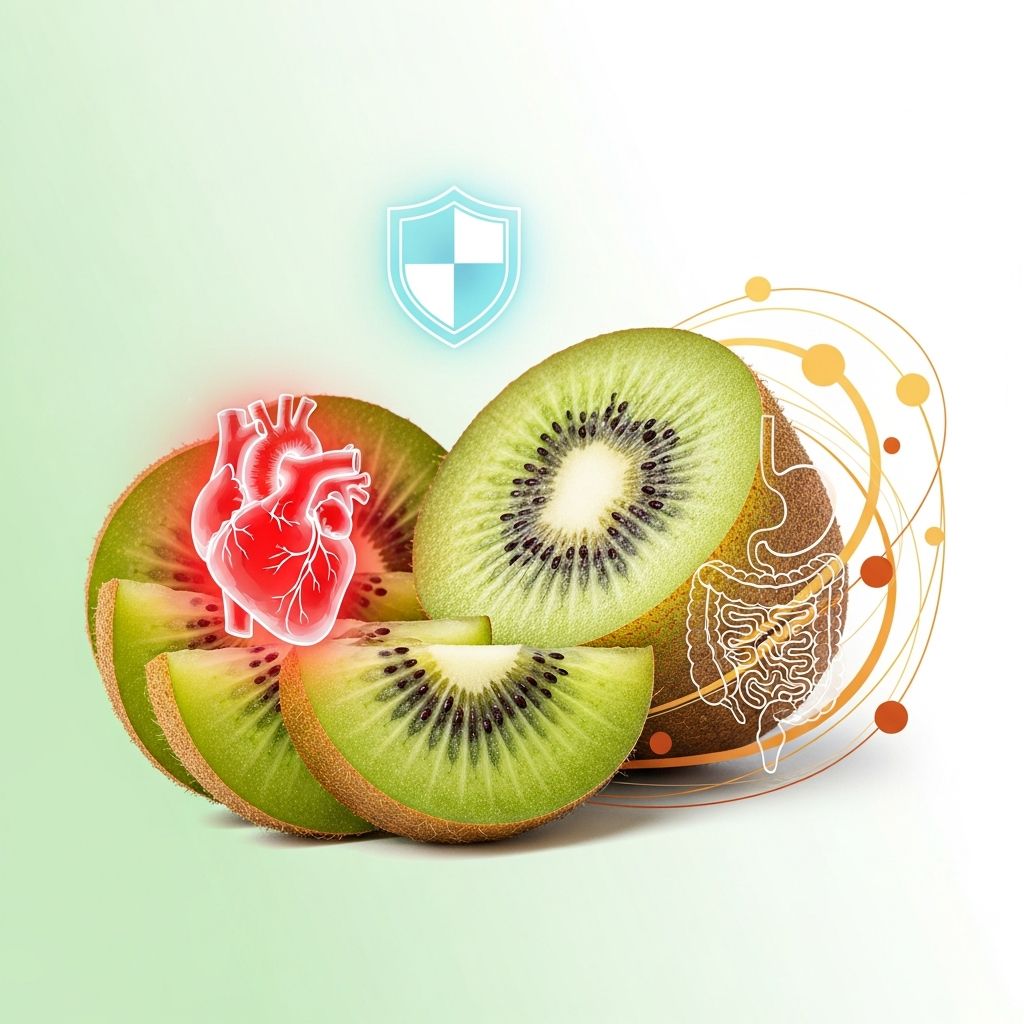
Small in size but mighty in nutrition, kiwis are among the most nutrient-dense fruits available. Despite their humble appearance, these vibrant fruits pack an impressive array of vitamins, minerals, and bioactive compounds that support multiple aspects of health. From cardiovascular function to digestive wellness and immune resilience, kiwis deliver scientifically-proven benefits that make them worthy of regular inclusion in your diet.
Nutritional Profile of Kiwis
Kiwis are exceptionally nutrient-rich for their size. A single serving provides more vitamin C than an orange, more potassium than a medium-sized banana, and contains 3-4 grams of fiber—a rare combination of both soluble and insoluble varieties. Beyond these standout nutrients, kiwis also deliver potassium, copper, vitamin K, folate, and vitamin E, a fat-soluble antioxidant critical for immune health.
The fruit also contains an array of bioactive compounds, including carotenoids, polyphenols (such as caffeic acid and chlorogenic acid), and a unique enzyme called actinidin. These components work synergistically to provide antioxidant, anti-inflammatory, and digestive benefits throughout the body.
Excellent Source of Beneficial Plant Compounds
Kiwis are a powerhouse of antioxidants and anti-inflammatory compounds. Research suggests that the total antioxidant capacity of kiwis is higher than many popular fruits, including apples, grapefruits, and pears. This superior antioxidant profile comes from multiple sources:
- Carotenoids: Health-promoting compounds that studies link to reduced risk of depressive symptoms. Research including data on over 17,000 adults found that those whose diets were rich in total carotenoids had significantly lower rates of depression.
- Polyphenols: Compounds like caffeic acid and chlorogenic acid that exert anti-inflammatory effects in the gut and throughout the body.
- Vitamin C and E: Powerful antioxidants that protect cells against oxidative damage and support immune function.
These plant compounds collectively help combat oxidative stress—a key factor in aging and chronic disease development—making kiwis an effective dietary strategy for long-term health maintenance.
May Benefit Heart Health
Cardiovascular disease remains a leading health concern worldwide, and emerging evidence suggests kiwis may play a protective role. A notable 2012 study demonstrated significant heart benefits: 102 men who smoked consumed three kiwis per day for 8 weeks, and compared with a control group, they experienced reductions in both blood pressure and platelet aggregation—the clumping together of platelets in the blood.
This finding is particularly important because platelet hyperactivity can increase the risk of heart disease. When platelets stick to blood vessel walls, they form plaques in a condition called atherosclerosis, which restricts blood flow and increases heart attack and stroke risk. People who smoke are at especially high risk of plaque buildup, making kiwi consumption potentially protective for this vulnerable population.
Beyond blood pressure and platelet function, some studies have shown that eating kiwis may help reduce total cholesterol and triglycerides while boosting heart-protective HDL (good) cholesterol. One controlled intervention study found that after 8 weeks of kiwi consumption, HDL-C concentration increased significantly, while both the LDL-C/HDL-C ratio and total cholesterol/HDL-C ratio decreased substantially, with antioxidant markers also improving.
Related Stories



The mechanism behind these cardiovascular benefits involves the fruit’s unique combination of antioxidant nutrients (vitamin C and E), polyphenols, and a favorable sodium-to-potassium ratio—all factors known to support vascular health and reduce chronic disease risk.
Benefits Digestive Health
One of the most well-researched benefits of kiwis is their positive impact on digestive function. The fruit contains both insoluble and soluble fiber in an optimal ratio: approximately one-third soluble and two-thirds insoluble fiber. This unique composition, combined with the naturally present proteolytic enzyme actinidin, makes kiwis a digestive powerhouse.
How Kiwis Support Digestion
Soluble fiber in kiwis benefits blood sugar regulation and heart health while supporting the growth of healthy gut bacteria. Insoluble fiber keeps bowel movements regular and promotes overall intestinal health. The water-retention capacity of kiwifruit fiber changes stool consistency and decreases intestinal transit time—the time food spends moving through your digestive system.
Actinidin, the naturally occurring enzyme in kiwis, aids protein digestion both in the stomach and small intestine, making the fruit beneficial for those with digestive challenges. Together, these elements reduce abdominal discomfort and improve overall gastrointestinal function in both healthy individuals and those with constipation or irritable bowel syndrome.
For aging populations experiencing impaired bowel function—an increasingly common concern in aging societies—kiwis offer a natural, side-effect-free approach to maintaining digestive wellness.
Excellent Source of Vitamin C
Kiwis are exceptionally high in vitamin C, containing more of this essential nutrient per serving than most citrus fruits. Vitamin C functions as a powerful antioxidant in the body, protecting cells against oxidative damage while playing vital roles in immune function, collagen synthesis, and neurotransmitter production.
Optimal Vitamin C Levels Through Kiwi Consumption
Research demonstrates that eating kiwis effectively increases vitamin C levels in the body. A 2012 study in 15 males with low vitamin C levels showed that consuming one kiwi per day for 6 weeks was sufficient to reach “healthy” vitamin C levels, while eating two kiwis daily resulted in vitamin C saturation—the highest level the body can achieve.
A 2022 review of the scientific literature found that the bioavailability of vitamin C in kiwis—meaning how effectively your body absorbs and utilizes it—easily surpasses that found in other fruits and rivals or exceeds vitamin C from supplement pills, making kiwis an excellent natural alternative to supplementation.
Vitamin C and Immune Function
Maintaining optimal vitamin C levels is critical for immune function. White blood cells called neutrophils accumulate high concentrations of vitamin C, which protects these cells and supports their ability to fight infections and pathogens. A 2015 study showed that eating two kiwis per day for 4 weeks increased vitamin C levels and improved the function of neutrophils in young men with initially low vitamin C levels.
More recently, a 2024 study of 20 adults with severe respiratory infections found that consuming 2 kiwis daily for 6 weeks replenished vitamin C to adequate or optimal levels in approximately 80% of participants. Notably, inflammatory biomarkers and C-reactive protein (a marker of inflammation) also decreased significantly. These findings underscore kiwis’ potential role in supporting immune recovery during illness.
Additional Health Considerations
Beyond the primary benefits discussed, kiwis contain compounds that influence metabolic health, including glucose and insulin balance, bodyweight maintenance, and energy regulation. The fruit’s low calorie density combined with high nutrient and fiber content makes it an ideal choice for those managing weight while meeting nutritional needs.
Growing consumer awareness of kiwi health benefits, supported by decades of scientific research, provides strong motivation for their regular consumption as part of a balanced, whole-food diet. Kiwifruit should be considered a natural and effective dietary strategy to address major health and wellness concerns worldwide.
Frequently Asked Questions
Q: How many kiwis should I eat daily to see health benefits?
A: Research suggests that consuming 1-2 kiwis per day provides significant health benefits. For vitamin C optimization, one kiwi daily reaches healthy levels, while two kiwis daily achieves saturation. For digestive and cardiovascular benefits, studies have used 2-3 kiwis daily as an effective dose.
Q: Are there any side effects from eating too many kiwis?
A: Kiwis are generally well-tolerated. However, some individuals may experience allergic reactions to kiwi proteins. Those taking blood-thinning medications should consult their healthcare provider, as kiwis’ effects on platelet aggregation could interact with these medications.
Q: Can I get the same benefits from kiwi juice as from whole kiwis?
A: Whole kiwis are preferable because they contain the complete fiber profile (both soluble and insoluble) and the actinidin enzyme. Juicing removes or reduces fiber content, diminishing digestive benefits, though vitamin C content may remain relatively preserved.
Q: Which is better: green or gold kiwis?
A: Both green and gold varieties offer excellent nutritional profiles and health benefits. The choice between them is largely a matter of personal taste preference, as both deliver significant amounts of vitamin C, fiber, and beneficial plant compounds.
Q: When is the best time to eat kiwis for digestive benefits?
A: Kiwis can be consumed at any time of day. However, eating them with meals may enhance protein digestion thanks to the actinidin enzyme, while consuming them between meals supports overall gut health and regularity.
Conclusion
Kiwis represent a remarkable convergence of nutrition and medicinal benefit in a single, accessible fruit. Their exceptional vitamin C content, unique fiber composition, bioactive plant compounds, and natural digestive enzyme make them a scientifically-supported addition to any health-conscious diet. Whether your goal is supporting heart health, improving digestion, strengthening immune function, or simply consuming nutrient-dense whole foods, kiwis deliver measurable, research-backed benefits. By incorporating 1-2 kiwis into your daily routine, you can harness the power of this nutritional superfruit and support your long-term health and wellness.
References
- Kiwi Benefits: Heart Health, Digestion, and More — Healthline, Jillian Kubala, MS, RD. 2025-06-17. https://www.healthline.com/nutrition/kiwi-benefits
- The nutritional and health attributes of kiwifruit: a review — National Institutes of Health (NIH/PMC), peer-reviewed research. Published via PubMed Central. https://pmc.ncbi.nlm.nih.gov/articles/PMC6267416/
- Kiwi the super fruit: Good nutrition comes in small packages — UCLA Health. https://www.uclahealth.org/news/article/kiwi-the-super-fruit-good-nutrition-comes-in-small-packages
Similar Articles








Read full bio of Sneha Tete