Kiwifruit: 2 SunGold Kiwis A Day For Firmer, Younger Skin
Discover how kiwifruit's vitamin C boosts skin health, collagen production, and protects against ageing and damage.
What is kiwifruit and its nutritional profile?
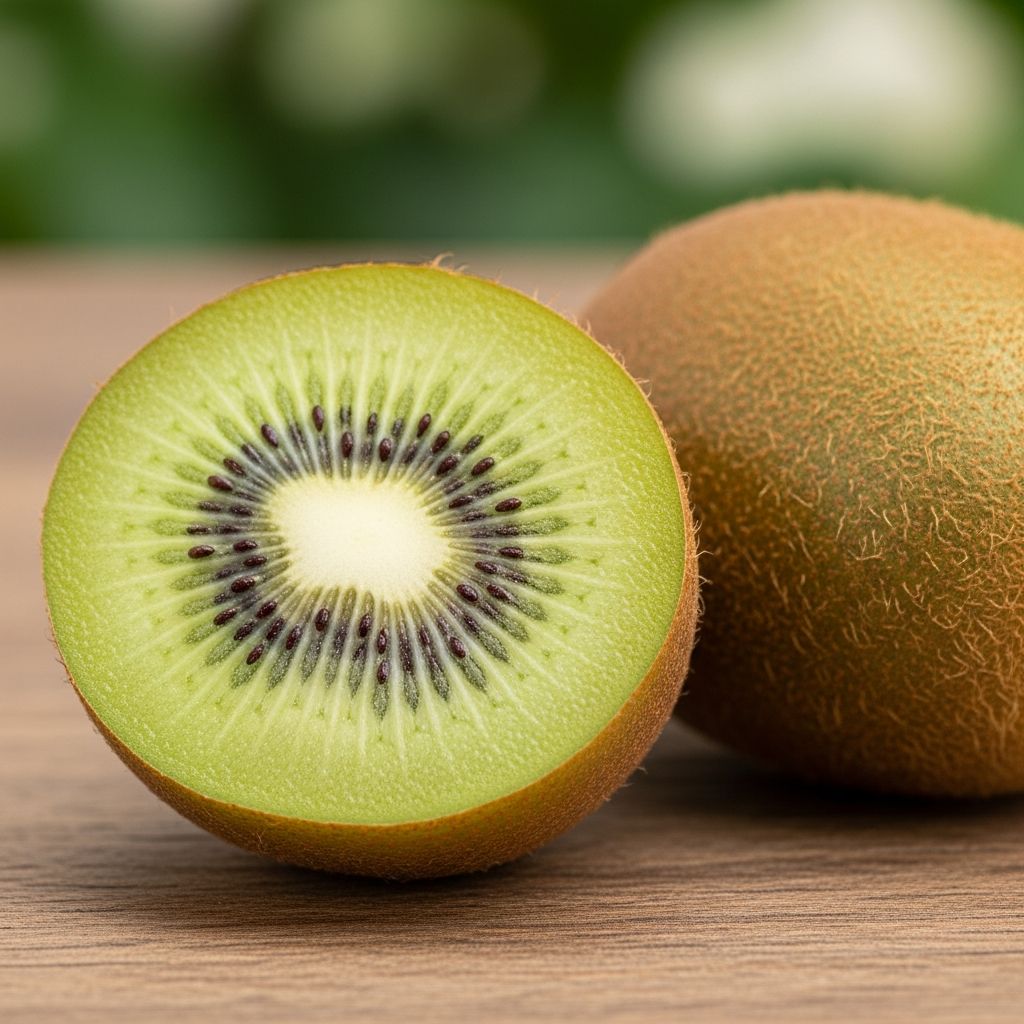
Kiwifruit, scientifically known as Actinidia deliciosa or Actinidia chinensis, is a nutrient-dense fruit originating from China and now cultivated worldwide, particularly in New Zealand. Renowned for its vibrant green or golden flesh and fuzzy brown skin, kiwifruit is exceptionally high in
vitamin C
(ascorbic acid), providing over 100% of the daily recommended intake in a single fruit. It also contains dietary fiber, vitamin E, potassium, folate, and antioxidants like polyphenols and carotenoids.Golden varieties, such as SunGold kiwifruit, are particularly rich in vitamin C, delivering approximately 125 mg per fruit—more than oranges. This high ascorbate content makes kiwifruit a powerhouse for skin health, as vitamin C is essential for collagen synthesis, antioxidant protection, and cellular repair. Recent studies highlight how daily consumption of two kiwifruits can significantly elevate skin vitamin C levels, addressing deficiencies common in modern diets.
Role of vitamin C in skin health
Vitamin C is a vital cofactor in the hydroxylation of proline and lysine during collagen biosynthesis, the primary structural protein in the dermis that maintains skin firmness and elasticity. It acts as a potent antioxidant, neutralizing free radicals from UV radiation and pollution that cause premature ageing.
In the skin, ascorbate supports fibroblast function in the dermis for extracellular matrix production and keratinocyte proliferation in the epidermis for barrier renewal. Deficiencies lead to scurvy-like symptoms, including poor wound healing and fragile skin. Topical vitamin C has limitations due to poor penetration, making dietary sources like kiwifruit superior for systemic delivery via blood transport proteins SVCT1 and SVCT2.
- Collagen production: Vitamin C stabilizes collagen triple helices, preventing cross-linking defects.
- Antioxidant defense: Regenerates vitamin E and reduces oxidative stress.
- Photoprotection: Mitigates UV-induced damage by inhibiting tyrosinase and inflammation.
- Wound healing: Enhances angiogenesis and epithelialization.
Skin compartments and ascorbate distribution
Skin comprises the epidermis (outer layer of keratinocytes) and dermis (inner layer of fibroblasts and matrix). Cross-sectional studies show epidermal ascorbate levels at 325 nmol/g tissue, higher than dermal levels at 194 nmol/g, with an epidermal-to-dermal ratio of 2.0. When normalized to cellularity (DNA content), dermal fibroblasts hold 6.4 mM ascorbate—sevenfold higher than epidermal keratinocytes at 0.9 mM—mirroring levels in high-demand tissues like brain and adrenals.
This distribution underscores fibroblasts’ reliance on ascorbate for collagen synthesis. About 20% of measured ascorbate appears as dehydroascorbate due to processing, but in vivo levels are predominantly reduced ascorbate. Plasma ascorbate positively correlates with all skin compartments, with the epidermis showing high responsiveness to dietary increases.
Effects of kiwifruit consumption on skin
A landmark pilot study demonstrated that consuming two SunGold kiwifruits daily (≈250 mg vitamin C) for 8 weeks in individuals with low baseline plasma ascorbate (<45 µM) raised whole-skin levels from 99 nmol/g to 150 nmol/g. Skin density, measured by high-resolution ultrasound, increased from 0.15 to 0.23 scanner units—a 50% improvement reflecting enhanced structural proteins.
Related Stories



Epidermal proliferation, via Ki-67 staining, rose from 21 to 27 intensity units, indicating boosted cell turnover for smoother, renewed skin. These changes were confirmed in biopsies (Christchurch site) and suction blisters (Hamburg site), showing synchronized plasma-skin ascorbate rises. No significant changes occurred in those with saturated baseline levels, emphasizing benefits for deficient populations.
| Parameter | Baseline | Post-Intervention (8 weeks) | Change |
|---|---|---|---|
| Plasma Ascorbate | <45 µM | Saturated (>70 µM) | Significant increase |
| Skin Ascorbate | 99 nmol/g | 150 nmol/g | +51% |
| Skin Density (Ultrasound) | 0.15 units | 0.23 units | +53% |
| Epidermal Proliferation (Ki-67) | 21 units | 27 units | +29% |
Skin elasticity showed a minor 7% decrease, possibly due to remodeling, with no changes in UVA protection or procollagen peptides. Mechanisms include optimized collagen support and TET-mediated transcription for differentiation.
Benefits for ageing skin and repair
As skin ages, dermal thinning, reduced cell division, and fat loss increase vulnerability to damage. Kiwifruit’s vitamin C aids repair by accelerating wound closure and preventing dry, rough skin. It fights hyperpigmentation from sun exposure, promoting even tone via antioxidant action.
Polysaccharides in kiwifruit stimulate growth factor receptors and energy production, enhancing proliferation. Eating the skin adds fiber but may irritate due to oxalates; peeling is recommended for sensitive mouths. Regular intake supports firmer, younger-looking skin by bolstering collagen and barrier function.
Clinical evidence and mechanisms
The University of Otago study (Pullar et al., Journal of Investigative Dermatology) is the first to link plasma intake to compartmental skin ascorbate and function. Active transport ensures even delivery, unlike topicals. Researchers recommend dietary vitamin C for all skin layers’ health.
Golden kiwis’ superiority stems from higher bioavailability. Broader benefits include immunity and cardiovascular health, but skin improvements are direct from ascorbate saturation.
Practical advice: Incorporating kiwifruit
- Consume 1-2 daily, preferably golden varieties, with meals for absorption.
- Store at room temperature or refrigerate; eat fresh for max vitamin C.
- Combine with iron-rich foods; vitamin C enhances uptake.
- Avoid excess if oxalate-sensitive; peel if needed.
For low-vitamin C diets (e.g., smokers, elderly), kiwifruit offers an accessible boost.
Frequently Asked Questions (FAQs)
Q: How much kiwifruit for skin benefits?
A: Two SunGold kiwifruits daily (250 mg vitamin C) for 8 weeks significantly improves skin density and proliferation in vitamin C-deficient individuals.
Q: Does eating kiwifruit increase collagen?
A: Yes, by elevating dermal ascorbate, supporting fibroblast collagen synthesis, though direct peptide markers may not rise immediately.
Q: Is kiwifruit better than vitamin C supplements?
A: Dietary sources like kiwifruit provide synergistic nutrients and better bioavailability via natural transporters.
Q: Can I eat kiwifruit skin?
A: Yes for fiber, but it may cause mouth irritation from oxalates; peel for comfort.
Q: Who benefits most?
A: Those with low plasma vitamin C (<45 µM), common in 20-30% of populations, see the greatest skin gains.
Conclusion
Kiwifruit stands out as a delicious, effective way to enhance skin health through superior vitamin C delivery. Backed by rigorous science, it promotes denser, more proliferative skin—proving two a day keeps dermatological issues at bay.
References
- Kiwifruit’s Effect on Skin Examined — Conexiant. 2025. https://conexiant.com/dermatology/articles/kiwifruits-effect-on-skin-examined/
- Kiwifruit Intake Enhances Skin Vitamin C Levels and Strengthens Dermal Structure: Study — Medical Dialogues (YouTube transcript). 2025-12-10. https://www.youtube.com/watch?v=8bMeJH4v7qU
- This is the easiest natural way to improve your skin, suggests study — BBC Science Focus. 2025. https://www.sciencefocus.com/news/collagen-healthier-skin-kiwi-vitamin-c
- Eat your way to firmer, younger-looking skin with Zespri kiwifruit — Zespri. 2025. https://www.zespri.com/en-UK/blogdetail/eat-your-way-to-firmer-younger-looking-skin-with-zespri-kiwifruit
Similar Articles








Read full bio of medha deb