Klippel-Feil Syndrome: Causes, Symptoms, and Treatment
Understanding Klippel-Feil Syndrome: A comprehensive guide to symptoms, diagnosis, and management options.
What Is Klippel-Feil Syndrome?
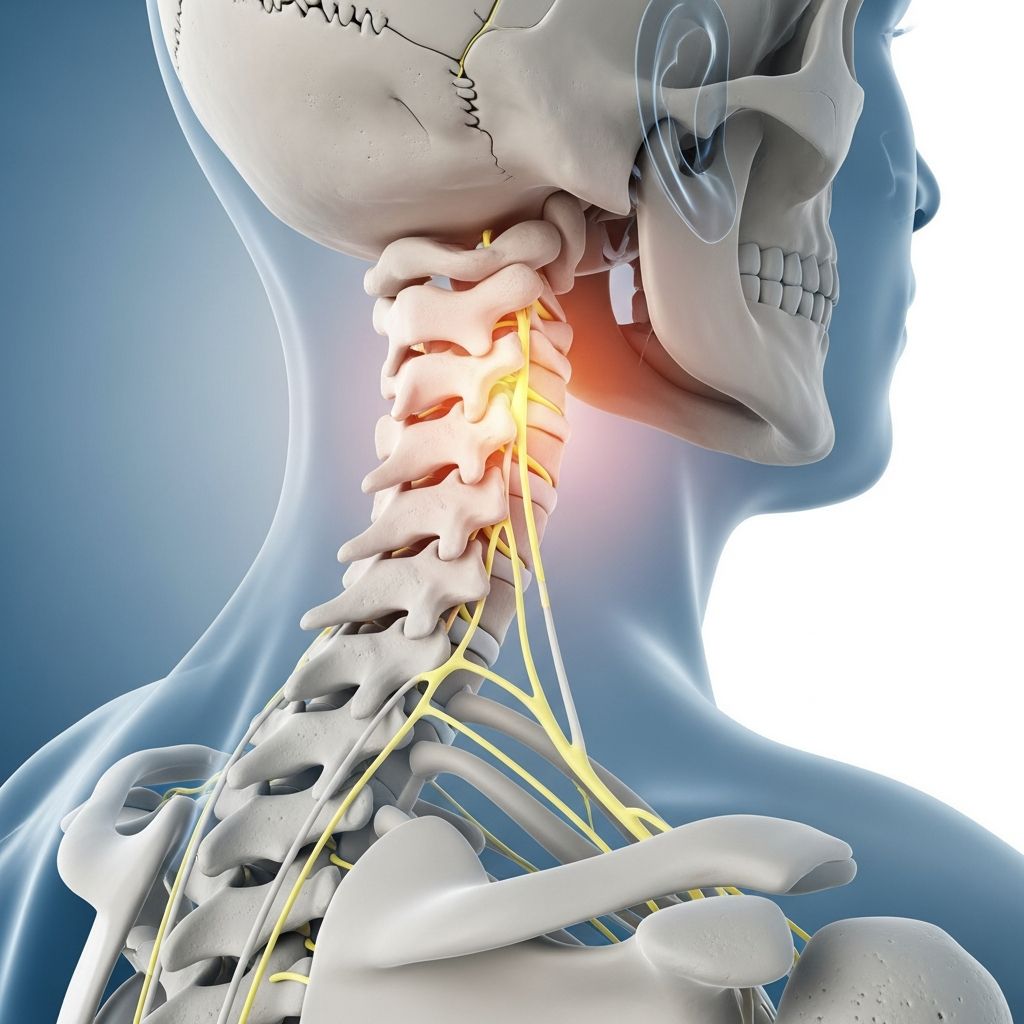
Klippel-Feil syndrome (KFS) is a rare congenital condition characterized by the abnormal fusion of two or more cervical vertebrae in the neck. This skeletal anomaly occurs due to the failure of proper segmentation during early fetal development, resulting in a permanently shortened neck and restricted mobility. First described by Maurice Klippel and Andre Feil in 1912, this condition affects the structural integrity of the cervical spine and can have cascading effects on multiple body systems.
The condition presents with distinctive physical characteristics and can be associated with various complications affecting neurological function, respiratory health, and overall quality of life. Understanding this rare disorder is crucial for early detection and appropriate management to prevent long-term complications.
Understanding the Classic Triad of Klippel-Feil Syndrome
While not all individuals with KFS display all three characteristics, the classic triad includes:
- Short Neck: The most obvious feature resulting from vertebral fusion, creating a shortened cervical spine and altered neck proportions.
- Low Posterior Hairline: A distinctive low hairline at the back of the head that is often one of the first noticeable signs.
- Limited Neck Mobility: Restricted range of motion in the head and neck area, significantly affecting the ability to turn, tilt, or flex the neck.
Notably, fewer than half of all affected individuals present with all three characteristics of the classic triad. Most people with KFS have only one or two of these distinctive features, making diagnosis more challenging in some cases.
Comprehensive Symptoms and Clinical Manifestations
Klippel-Feil syndrome presents with a wide range of symptoms that extend beyond the classic triad. The severity and specific manifestations vary significantly among affected individuals.
Spinal and Musculoskeletal Symptoms
The primary spinal manifestations include vertebral fusion, chronic headaches, and muscle pain in the neck region. Many patients experience torticollis, also known as twisted or crooked neck, where the head is tipped to one side and the chin is turned to the other. This involuntary positioning can cause significant discomfort and functional limitations.
Approximately 50% of patients with KFS also develop congenital scoliosis, an abnormal curvature of the spine caused by the congenital fusions in the thoracic region. Additionally, some individuals may experience kyphosis, an excessive forward curvature of the spine. These spinal deformities can progress over time and require ongoing monitoring.
Associated Skeletal Anomalies
Beyond the primary cervical fusion, KFS frequently presents with additional skeletal complications. Approximately 20 to 30 percent of affected individuals develop Sprengel deformity, in which the shoulder blades are underdeveloped and sit abnormally high on the back, causing weakness of the shoulders. This condition can severely limit arm mobility and strength.
Other skeletal features may include rib abnormalities, syndactyly (webbed fingers), hypoplastic thumb (abnormality of the thumb), and spina bifida, a congenital disorder caused by incomplete closing of the neural tube.
Neurological and Systemic Complications
One of the most significant concerns with KFS is the potential for neurological deficits. The fused vertebrae can cause spinal stenosis, a narrowing of the spinal canal in the neck that puts pressure on the spinal cord and nerves. This complication may be more common in individuals with KFS type III. Approximately 50% of patients present with atlantoaxial instability, increasing vulnerability to spinal cord damage from even minor trauma.
Related Stories



Individuals with KFS may experience synkinesia, also known as mirror movement, where movement in one hand involuntarily mimics the deliberate movement of the other hand. Additionally, approximately 30% of affected individuals suffer from deafness or hearing issues, and another 30% experience renal disease or kidney malformations.
Cardiovascular and Respiratory Involvement
Cardiovascular anomalies affect 4.4% to 14% of individuals with KFS. The most common include ventricular septal defects, aortic coarctation, aortic arch hypoplasia, aortic root aneurysm, and abnormal pulmonary vessel insertion. Some patients may also experience respiratory problems due to the structural changes in the chest and cervical spine region.
Additional manifestations may include cleft palate, visceral involvement, and audiovisual impairment in certain cases.
Diagnostic Evaluation and Testing Methods
Accurate diagnosis of Klippel-Feil syndrome requires a comprehensive evaluation combining clinical assessment and advanced imaging techniques.
Physical Examination and Medical History
The diagnostic process begins with a thorough medical history and physical examination. Healthcare providers assess for the classic triad and evaluate the patient’s range of neck motion, muscle strength, and any signs of neurological deficits. The examiner looks for distinctive physical features such as short neck, low hairline, and facial asymmetry that may indicate KFS.
Imaging Studies
Advanced imaging plays a crucial role in confirming the diagnosis and identifying associated complications:
- X-rays: Produce detailed images of the bones in the neck, spine, and shoulder blades, clearly showing vertebral fusion patterns.
- MRI (Magnetic Resonance Imaging): Provides detailed soft tissue imaging and helps evaluate spinal cord compression and neurological involvement.
- CT (Computed Tomography): Offers three-dimensional imaging of the vertebral structures and associated abnormalities.
- Ultrasound: May be used to evaluate associated organ systems, particularly the kidneys and heart.
Genetic Testing
In some cases, genetic testing may be recommended to confirm the diagnosis and assess for associated syndromes. Laboratory and imaging tests are instrumental in identifying organ dysfunction in individuals with KFS, helping to guide comprehensive treatment planning.
Associated Conditions and Syndromes
Klippel-Feil syndrome often coexists with other congenital conditions, making comprehensive evaluation essential. Common associated disorders include:
- Sprengel deformity (underdeveloped shoulder blades)
- Duane syndrome (eye movement disorder)
- Renal agenesis (absence of kidney)
- Wildervanck syndrome
- Various cardiovascular abnormalities
- Diastematomyelia (spinal cord splitting)
These associated conditions can significantly impact treatment planning and long-term management strategies.
Treatment Approaches and Management Strategies
Management of Klippel-Feil syndrome depends on the severity of symptoms and the presence of complications. Treatment ranges from conservative approaches to surgical interventions.
Conservative Management
For patients with mild symptoms and stable spinal structures, conservative treatment approaches are often effective:
- Physical Therapy: Targeted exercises enhance neck mobility, improve muscle strength, and reduce pain. Therapists develop customized programs addressing individual limitations.
- Pain Management: Medications and targeted injections help control chronic headaches and neck muscle pain associated with vertebral fusion.
- Protective Devices: Specialized collars and braces protect the spine from trauma and restrict excessive movement that could cause injury.
- Activity Modification: Lifestyle adjustments and activity restrictions help prevent complications and manage symptoms.
Surgical Interventions
Surgical treatment becomes necessary when conservative approaches fail to manage symptoms or when progressive neurological deficits develop. Surgical options include:
- Decompression Procedures: Relieve pressure on the spinal cord and nerves caused by stenosis or fusion-related compression.
- Stabilization Procedures: Improve spinal alignment and prevent progression of instability, particularly in cases of atlantoaxial instability.
- Fusion Surgery: In select cases, fusion at specific levels may be performed to stabilize the spine and prevent further deformity.
The decision for surgical intervention must be carefully considered, weighing the potential benefits against risks, particularly given the complex anatomical considerations in KFS patients.
Long-Term Prognosis and Outcomes
The long-term prognosis for individuals with Klippel-Feil syndrome varies based on several factors. Research indicates that approximately two-thirds of individuals with this condition remain asymptomatic for over 8 years. However, patients with cervical fusion above the C3 vertebra tend to be more symptomatic and require closer monitoring.
The severity and progression of symptoms differ based on the type of KFS deformity present. Individuals with type I deformity tend to experience more axial symptoms, while those with types II and III may develop myelopathy (spinal cord damage) and radiculopathy (nerve root pain).
The prognosis for most children with Klippel-Feil syndrome is good if the condition is diagnosed early in life. Continued monitoring for complications and treatment as needed are important to successful long-term outcomes.
Importance of Ongoing Monitoring and Multidisciplinary Care
Long-term management of Klippel-Feil syndrome requires comprehensive, coordinated care from multiple specialists. This interdisciplinary approach may include orthopedic surgeons, neurologists, physical therapists, otolaryngologists (for hearing issues), cardiologists (for cardiovascular complications), and nephrologists (for renal involvement).
Regular follow-up visits with imaging studies help identify irregularities in growth or development and address emerging health issues. Early detection of potential complications allows for timely intervention and prevents serious long-term consequences.
Frequently Asked Questions About Klippel-Feil Syndrome
Q: Is Klippel-Feil Syndrome hereditary?
A: KFS is a congenital condition that occurs during fetal development due to failure of proper vertebral segmentation. While genetic factors may play a role, most cases are not inherited in a straightforward Mendelian pattern. Genetic counseling is recommended for families with affected members.
Q: Can Klippel-Feil Syndrome be detected prenatally?
A: Prenatal ultrasound may reveal some skeletal abnormalities, but definitive diagnosis typically occurs after birth through physical examination and imaging studies. Advanced fetal imaging may identify the condition in some cases.
Q: What is the life expectancy for someone with Klippel-Feil Syndrome?
A: With appropriate management and monitoring, individuals with KFS typically have a normal or near-normal life expectancy. Prognosis depends on the severity of spinal involvement and associated complications.
Q: Can Klippel-Feil Syndrome worsen over time?
A: While approximately two-thirds of individuals remain stable for extended periods, some patients may experience progressive symptoms. Regular monitoring helps detect changes early, allowing for timely intervention.
Q: What precautions should individuals with KFS take?
A: Individuals with KFS should avoid contact sports and high-impact activities that risk spinal injury. Contact sports restrictions, proper body mechanics, and neck protection devices are often recommended. Activities should be individualized based on severity of fusion and stability.
Q: Are there support resources for families affected by Klippel-Feil Syndrome?
A: Yes, patient advocacy organizations, support groups, and specialist clinics provide comprehensive resources, education, and community connection for families navigating KFS. These resources offer emotional support and practical guidance throughout the patient’s journey.
References
- Klippel-Feil Syndrome — National Center for Biotechnology Information (NCBI). 2024. https://www.ncbi.nlm.nih.gov/books/NBK493157/
- Klippel-Feil Syndrome — Children’s Hospital of Philadelphia (CHOP). 2013. https://www.chop.edu/conditions-diseases/klippel-feil-syndrome
- Klippel-Feil Syndrome: Genetics Home Reference — National Library of Medicine (MedlinePlus). 2024. https://medlineplus.gov/genetics/condition/klippel-feil-syndrome/
- Klippel-Feil Syndrome (KFS): What Is It, Symptoms, Causes — Cleveland Clinic. 2024. https://my.clevelandclinic.org/health/diseases/23919-klippel-feil-syndrome-kfs
- Torticollis (Wryneck): Symptoms, Causes & Treatment — Cleveland Clinic. 2024. https://my.clevelandclinic.org/health/diseases/22430-torticollis
Similar Articles








Read full bio of medha deb