Knee Arthritis: Causes, Symptoms, and Treatment Options
Understanding knee arthritis: comprehensive guide to symptoms, diagnosis, and effective treatment strategies.
Understanding Knee Arthritis
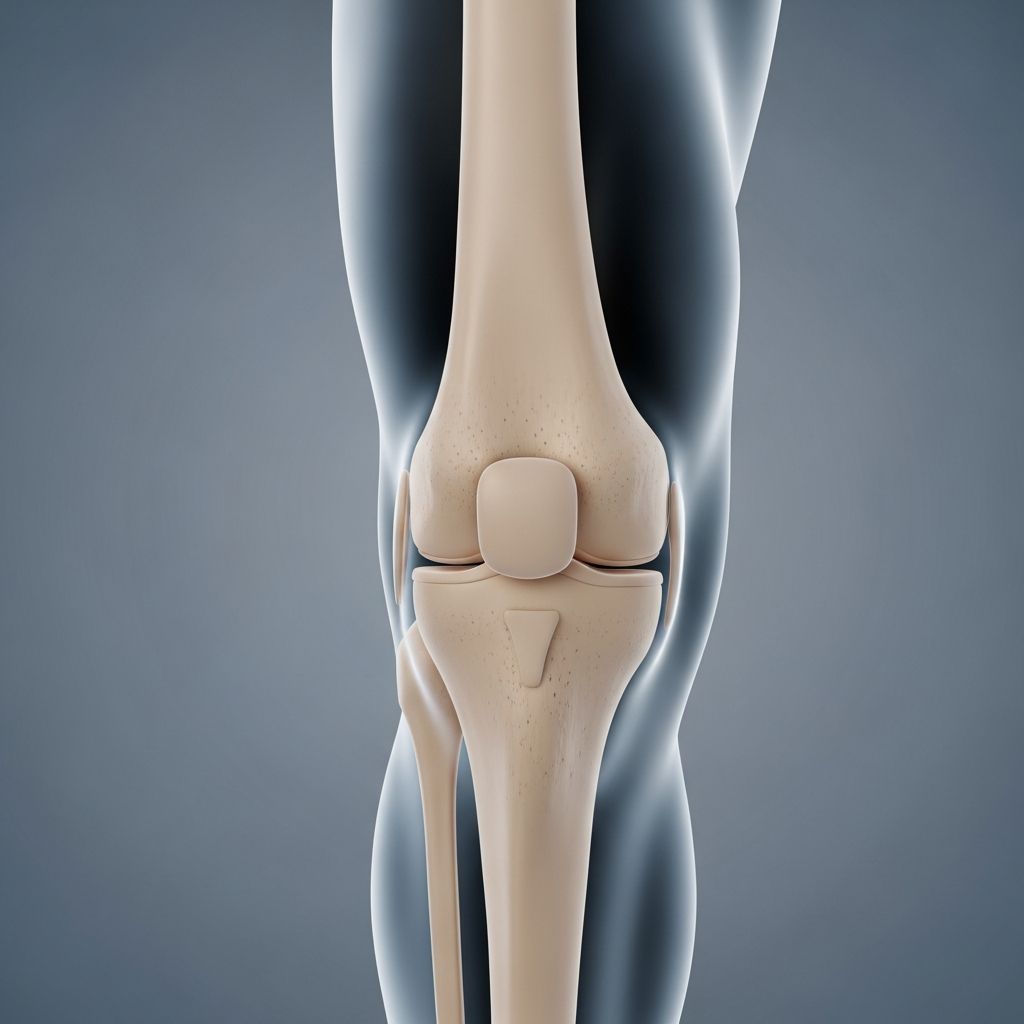
Knee arthritis is a degenerative joint condition that affects millions of people worldwide, causing pain, stiffness, and reduced mobility. The knee joint, one of the body’s largest and most complex joints, bears significant weight during daily activities and is particularly vulnerable to wear and tear. When the protective cartilage that cushions the bones in the knee joint gradually breaks down, it leads to arthritis, which can significantly impact quality of life and functional ability.
Knee arthritis develops when the smooth cartilage that covers the ends of bones in the knee joint deteriorates over time. This degradation exposes the underlying bone, causing inflammation, pain, and reduced joint flexibility. Understanding the nature of this condition is essential for developing an effective treatment strategy that addresses both immediate symptoms and long-term joint health.
Types of Knee Arthritis
Several forms of arthritis can affect the knee joint, each with distinct characteristics and progression patterns:
- Osteoarthritis (OA): The most common form, affecting the joints through wear and tear over time, typically developing gradually over years
- Rheumatoid Arthritis (RA): An autoimmune condition where the body’s immune system attacks joint linings, causing inflammation and cartilage damage
- Post-traumatic Arthritis: Developing after knee injuries such as fractures, torn ligaments, or meniscus tears
- Gout: A metabolic disorder causing sudden, severe knee inflammation from uric acid crystal deposits
Risk Factors and Causes
Multiple factors increase the likelihood of developing knee arthritis. Age is a significant risk factor, as cartilage naturally degenerates with time and the body’s ability to repair joint damage diminishes. Being overweight or obese places additional stress on the knee joints, accelerating cartilage breakdown. Previous knee injuries, including ligament tears, meniscus damage, or fractures, significantly increase the risk of developing arthritis in that joint later in life.
Family history plays an important role, as genetic predisposition can affect cartilage quality and joint structure. Occupational factors and repetitive stress on the knees through specific activities or sports can contribute to arthritis development. Gender differences also exist, with women generally experiencing higher rates of knee osteoarthritis, particularly after age 50. Muscle weakness surrounding the joint, particularly in the quadriceps and hamstrings, reduces the joint’s stability and increases arthritis risk.
Symptoms and Clinical Presentation
Knee arthritis symptoms vary widely among individuals and often develop gradually. Common symptoms include persistent knee pain that worsens with activity or prolonged standing, morning stiffness that typically improves with movement, and swelling or fluid accumulation around the joint. Many patients experience a clicking or grinding sensation (crepitus) when moving the knee, and the joint may feel unstable or give way unexpectedly.
Pain location can indicate the extent of arthritis involvement. Localized pain on the inside of the knee suggests arthritis limited to one compartment of the joint. Diffuse pain across multiple areas—inside, outside, front, and back of the knee—indicates involvement of multiple joint compartments. As the condition progresses, symptoms may limit activities such as walking, climbing stairs, or rising from seated positions.
Related Stories



Diagnosis and Assessment
Proper diagnosis begins with a comprehensive clinical evaluation by a healthcare provider. The physician will review the patient’s medical history, current symptoms, and how the condition affects daily activities. Physical examination involves assessing knee range of motion, evaluating joint stability, and identifying areas of tenderness or swelling.
Imaging studies play a crucial role in confirming knee arthritis diagnosis. X-rays are typically the first imaging tool, revealing joint space narrowing, bone spur formation, and overall cartilage degradation. Magnetic resonance imaging (MRI) provides detailed images of soft tissues including cartilage, ligaments, and menisci. Blood tests may be ordered if rheumatoid arthritis or other inflammatory conditions are suspected.
The severity of knee arthritis is classified into stages, with early stages showing minimal cartilage loss and later stages revealing significant joint damage. Understanding the stage of arthritis helps guide treatment recommendations and predict disease progression.
Non-Surgical Treatment Options
Activity Modification and Lifestyle Changes
The initial approach to managing knee arthritis involves modifying activities that aggravate symptoms. Patients should avoid high-impact activities such as running, jumping, and playing basketball, which can increase joint irritation and swelling. However, complete immobility is counterproductive; instead, transitioning to lower-impact activities such as swimming, cycling, or walking maintains fitness while protecting the joint.
Weight management is particularly important for patients who are overweight or obese. Reducing body weight decreases the load on the knee joint, reducing pain and slowing disease progression. A combination of dietary changes, upper and lower extremity exercises, and sometimes bariatric surgery can support sustainable weight loss.
Physical Therapy and Exercise
Physical therapy is a cornerstone of knee arthritis management, helping strengthen surrounding muscles and improve joint stability. Targeted exercises strengthen the quadriceps and hamstrings, which support the knee and reduce stress on the joint. Therapeutic exercises also improve flexibility, reduce stiffness, and enhance overall functional capacity.
Evidence supports specific exercise programs including tai chi, which combines gentle movement with balance training and has demonstrated benefits in reducing arthritis symptoms and improving quality of life. Balance exercises help prevent falls and improve proprioception, while flexibility exercises maintain adequate range of motion. Regular physical activity not only addresses current symptoms but also helps prevent or slow disease progression.
Assistive Devices and Support
Walking aids such as canes or walkers effectively reduce symptoms by offloading weight from the affected knee joint. These devices transmit some body weight through the cane or walker rather than through the knee, providing significant pain relief during ambulation. Knee braces can provide additional stability and support, particularly for tibiofemoral or patellofemoral knee arthritis.
Pharmacological Management
Medications play an important role in managing knee arthritis symptoms. Nonsteroidal anti-inflammatory drugs (NSAIDs), available in oral and topical forms, are recommended for both hand and knee osteoarthritis and help reduce pain and inflammation. Topical NSAIDs offer localized pain relief with minimal systemic side effects, while oral NSAIDs provide broader symptom management.
Other medication options include acetaminophen for pain relief, duloxetine for chronic pain management, and tramadol for moderate to severe pain. Topical capsaicin may provide symptom relief for knee arthritis. The choice of medication depends on individual patient factors, comorbidities, and tolerance profiles.
Complementary and Alternative Therapies
Additional treatment modalities may benefit certain patients. Intraarticular glucocorticoid injections provide anti-inflammatory effects directly within the joint, offering symptom relief that may last several weeks to months. Thermal modalities such as heat and cold therapy can reduce pain and stiffness. Acupuncture, cognitive behavioral therapy, and kinesiotaping may help some patients manage symptoms and improve functional outcomes.
Self-efficacy and self-management programs empower patients to actively participate in their care. These programs teach pain management strategies, activity pacing, and techniques for maintaining optimal joint health and quality of life.
Surgical Treatment Options
When conservative treatments fail to provide adequate symptom relief and knee arthritis significantly impacts quality of life, surgical intervention may be considered. The choice of surgical procedure depends on the extent of joint damage, the patient’s age and overall health, and specific areas of joint involvement.
Arthroscopic Procedures
Knee arthroscopy is a minimally invasive procedure using a small camera to visualize joint structures and remove loose debris or damaged cartilage fragments. While arthroscopy can provide temporary symptom relief, it does not reverse cartilage damage or halt disease progression. This procedure is typically considered earlier in the disease course when damage is more limited.
Osteotomy
Osteotomy involves surgically cutting and realigning bone to shift weight away from the damaged portion of the knee joint. This procedure can be effective for patients with arthritis limited to one compartment of the knee and may delay the need for more extensive surgery. Recovery requires several months of rehabilitation.
Total Knee Replacement
Total knee replacement (arthroplasty) is indicated when knee arthritis is advanced and significantly impairs function despite conservative treatment. The procedure involves replacing damaged joint surfaces with prosthetic implants designed to restore pain-free movement and stability. Total knee replacement is highly effective, with most patients experiencing substantial pain relief and improved function. However, it is typically reserved for severe arthritis or when other interventions have failed.
Personalized Treatment Planning
Effective knee arthritis management requires a personalized approach tailored to individual patient circumstances, expectations, and goals. Treatment decisions should balance symptom control with functional improvement, addressing not just pain but also the patient’s ability to perform desired activities. Clear communication between patients and healthcare providers ensures treatment plans align with realistic expectations and quality of life objectives.
Living With Knee Arthritis
Successfully managing knee arthritis involves ongoing commitment to treatment strategies and lifestyle modifications. Regular follow-up appointments help monitor disease progression and adjust treatments as needed. Many patients benefit from combining multiple treatment modalities, such as physical therapy with medication and assistive devices. Staying physically active within appropriate limits, maintaining a healthy weight, and adhering to prescribed treatments significantly improve long-term outcomes and quality of life.
Frequently Asked Questions
What is the difference between osteoarthritis and rheumatoid arthritis?
Osteoarthritis is a degenerative condition caused by wear and tear of cartilage over time, while rheumatoid arthritis is an autoimmune disorder where the body’s immune system attacks joint linings. OA typically develops gradually with age, whereas RA can occur at any age and usually affects multiple joints symmetrically.
Can knee arthritis be prevented?
While arthritis cannot be completely prevented, risk can be reduced through maintaining a healthy weight, staying physically active, protecting knees from injury, and addressing joint injuries promptly. Avoiding repetitive high-impact activities and strengthening surrounding muscles also help reduce arthritis risk.
Is exercise beneficial for knee arthritis?
Yes, regular exercise is one of the most effective treatments for knee arthritis. Low-impact activities such as swimming, cycling, and walking, combined with targeted strengthening and flexibility exercises, reduce pain, improve mobility, and slow disease progression. Physical therapy provides guided exercise programs tailored to individual needs.
How long does recovery take after knee replacement surgery?
Initial recovery typically takes 6 to 12 weeks, with most patients regaining basic function within 3 months. However, full recovery and maximum benefit may take 6 to 12 months as strength and flexibility continue to improve through ongoing rehabilitation.
What role does weight management play in treating knee arthritis?
Weight management is crucial because excess weight increases stress on knee joints, accelerating cartilage breakdown and worsening pain. Even modest weight loss can significantly reduce symptoms, improve mobility, and slow disease progression. A combination of dietary changes and exercise is most effective for sustainable weight reduction.
Are injections effective for knee arthritis?
Intraarticular glucocorticoid injections can provide temporary symptom relief lasting weeks to months by reducing joint inflammation. While injections don’t reverse cartilage damage, they may delay the need for surgery and allow patients to continue physical therapy and rehabilitation when pain is better controlled.
References
- 2019 American College of Rheumatology/Arthritis Foundation Guideline for the Management of Osteoarthritis — American College of Rheumatology and Arthritis Foundation. 2019. https://pubmed.ncbi.nlm.nih.gov/31908149/
- ACR Diagnostic Guidelines – Johns Hopkins Arthritis Center — Johns Hopkins University. 2000-2024. https://www.hopkinsarthritis.org/physician-corner/education/arthritis-education-diagnostic-guidelines/
- Understanding Treatment Options for Osteoarthritis — Johns Hopkins Rheumatology. 2024. https://www.hopkinsmedicine.org/health/conditions-and-diseases/knee-arthritis
- Management of Knee Arthritis — Johns Hopkins Medicine Department of Orthopaedic Surgery. November 2021. https://www.hopkinsmedicine.org/ortho
Similar Articles








Read full bio of Sneha Tete