Knee Braces, Sleeves & Support: Complete Guide
Learn how knee braces support joint stability and aid recovery from injury or surgery.
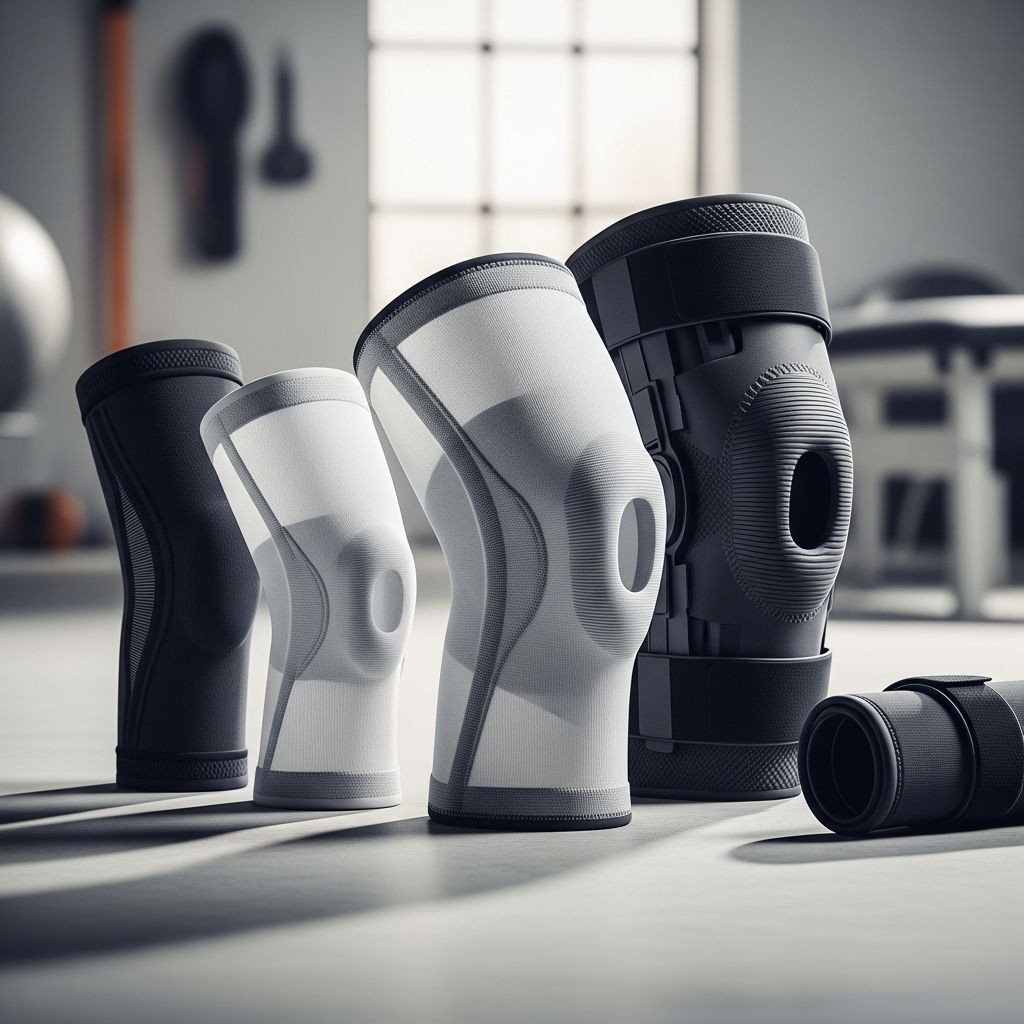
Understanding Knee Braces, Sleeves & Support
Knee braces are a quick and effective solution for supporting your knee joint and maintaining stability during recovery from injury or surgery. These orthopedic devices can provide relief from symptoms like pain and stiffness while helping you heal safely. Many people find that wearing a knee brace helps them feel more confident and secure, especially during physical activity or daily movement. Whether you’re recovering from an injury, managing a chronic condition, or seeking additional support during sports, knee braces offer a practical approach to knee health.
What Are Knee Braces?
Knee braces are supportive devices designed to stabilize your knee joint and maintain proper alignment. They are constructed from a combination of rigid and flexible materials including metal, plastic, foam, and straps that work together to provide substantial support and stabilization. The primary goal of a knee brace is to limit harmful movement of the knee joint while providing support, stability, and pain relief depending on the specific condition being treated.
These devices function by keeping your knee in proper alignment, which can significantly reduce stress on the joint and surrounding structures. By distributing pressure more evenly across the knee, braces help prevent further injury and support the healing process.
Types of Knee Braces
Different types of knee braces are designed to address specific knee conditions and provide varying levels of support. Understanding the different categories can help you work with your healthcare provider to select the most appropriate option for your needs.
Prophylactic Knee Braces
Prophylactic braces are designed to prevent injuries in people who have never experienced a knee injury before. These are commonly used by athletes in contact sports or individuals seeking preventive support during high-impact activities.
Functional Knee Braces
Functional braces provide support and stability for knees that have already been injured. They are often recommended after ligament injuries, meniscus tears, or following surgery. These braces help limit dangerous joint motions and stabilize injured areas while the knee heals.
Unloader Knee Braces
Unloader knee braces are specifically designed to help manage osteoarthritis and other degenerative conditions. These specialized braces work by absorbing some of your body weight and shifting pressure away from the damaged portion of the knee to other parts of your leg. This redistribution of pressure helps reduce pain and improve mobility for people suffering from arthritis.
Compression Sleeves
Compression sleeves offer a more flexible support option that can help reduce swelling and provide mild stabilization. These are often used for minor knee issues or as a preventive measure during athletic activities.
Conditions Treated with Knee Braces
Knee braces can be effective for treating and managing several types of knee injuries and conditions:
– Meniscus tears and meniscal injuries- Arthritis and osteoarthritis- Ligament injuries including ACL, MCL, and PCL sprains- Patellar instability and tracking issues- Post-surgical support and rehabilitation- General knee pain and discomfort- Sports-related knee injuries
Availability and Prescription Requirements
Some types of knee braces are available over-the-counter without a prescription, making them accessible for minor injuries or preventive support. However, other braces, especially those designed for serious injuries or post-surgical support, may require a prescription. Custom-fitted braces, which provide optimal support for specific conditions, typically need to be prescribed by a healthcare provider and may require professional fitting to ensure proper alignment and effectiveness.
Related Stories



Benefits of Wearing a Knee Brace
Knee braces offer numerous advantages for individuals dealing with knee pain or instability:
– Immediate support and stabilization of the knee joint- Reduced pain and discomfort during daily activities- Improved confidence and security during movement- Support for safe healing after injury or surgery- Reduced swelling and inflammation- Maintained proper knee alignment- Enhanced ability to return to normal activities- Prevention of further injury
Proper Fitting and Usage
Obtaining the correct fit is essential for a knee brace to be effective. Your healthcare provider or physical therapist will help ensure that your brace fits properly and won’t cause additional problems. A properly fitted brace should feel supportive without restricting blood circulation or causing skin irritation.
Getting Accustomed to Your Brace
When you first start wearing a knee brace, it may feel strange or like the device is pushing your knee into alignment. This is normal and most people adjust to wearing a brace within a short period. However, it’s important to note that a properly fitted brace should never hurt or make your knee pain worse. If you experience increased pain or discomfort, contact your healthcare provider immediately.
Your healthcare provider or physical therapist will show you how to properly put on your brace, wear it throughout the day, and move with it. Taking time to learn correct usage techniques ensures maximum benefit and comfort.
How Long to Wear Your Knee Brace
The duration for wearing a knee brace depends on why you need it and your individual recovery timeline. Your healthcare provider will give you specific guidance based on your condition and recovery progress:
– For acute injuries, your provider will establish a recovery timeline- Some people need to wear a brace only during physical activity or sports- Others may need continuous daytime support during the initial healing phase- Your provider may recommend gradually reducing brace usage as healing progresses- Some individuals benefit from ongoing support, especially during exercise or high-impact activities
Caring for Your Knee Brace
Proper maintenance of your knee brace ensures longevity and hygiene. Most braces come with specific cleaning instructions that should be followed. For most knee braces, mild soap or laundry detergent with cold water is appropriate for cleaning. Avoid using hot water or harsh chemicals that could damage the materials or compromise the brace’s structural integrity.
Regular cleaning is important because your brace comes into contact with your skin daily and can accumulate sweat, bacteria, and dirt. Keeping your brace clean helps prevent skin irritation and maintains the effectiveness of the support materials.
Potential Complications and Side Effects
Complications from wearing a knee support are rare when properly fitted and used correctly. However, potential issues can include:
– Skin irritation or pressure sores from prolonged contact- Circulation problems if the brace is fitted too tightly- Muscle atrophy if worn for extended periods without complementary exercises- Allergic reactions to brace materials in sensitive individuals
These complications are uncommon and can usually be prevented or minimized by ensuring proper fit, taking breaks when needed, and following your healthcare provider’s recommendations for usage.
Choosing the Right Brace for Your Condition
Selecting the appropriate knee brace depends on several important factors:
– The specific cause of your kneepain or injury- The severity of your condition- Your activity level and lifestyle- Your healthcare provider’s specific recommendations- Whether you need over-the-counter or custom-fitted support
Your healthcare provider is the best resource for determining which type of brace will be most effective for your particular situation. They can assess your condition, evaluate your knee’s stability and mobility, and recommend the most appropriate support option.
Using Braces with Other Treatment Options
Knee braces often work best as part of a comprehensive treatment plan rather than as a standalone solution. Your healthcare provider may recommend combining brace support with:
– Physical therapy and rehabilitation exercises- Over-the-counter or prescription medications- Injections to reduce pain and promote healing- Heat or ice therapy- Activity modification and rest- Progressive strengthening exercises
Frequently Asked Questions About Knee Braces
Q: Will my knee brace feel uncomfortable at first?
A: It’s common for a knee brace to feel unusual or strange when you first wear it. Many people experience a sensation of the brace pushing their knee into alignment. However, a properly fitted brace should never cause pain or worsen your existing knee pain. If discomfort persists, consult your healthcare provider.
Q: Can I wear my knee brace during sleep?
A: Generally, knee braces are not recommended for continuous 24-hour wear unless specifically directed by your healthcare provider. Your skin needs periodic relief from the pressure of the brace. Your provider will advise you on appropriate wearing schedules based on your condition.
Q: How do I know if my knee brace fits correctly?
A: A correctly fitted knee brace should provide support without restricting blood circulation or causing discomfort. You should be able to fit one finger between the brace and your skin. Your healthcare provider will help ensure proper fit during your appointment.
Q: Can I exercise while wearing a knee brace?
A: Yes, many people wear knee braces during exercise and physical activity. In fact, braces can provide the support needed to exercise safely during recovery. However, always follow your healthcare provider’s recommendations about activity levels and brace usage during exercise.
Q: How often should I clean my knee brace?
A: You should clean your knee brace regularly, typically after each day of use or whenever it becomes visibly soiled. Most braces can be cleaned with mild soap and cold water. Check your specific brace’s instructions for detailed cleaning guidelines.
Q: Will wearing a knee brace weaken my muscles?
A: While extended immobilization can lead to some muscle weakening, appropriate knee braces are typically worn during specific activities rather than continuously. Most treatment plans include physical therapy and strengthening exercises that work alongside brace support to maintain muscle strength.
Q: How long does it take to adjust to wearing a knee brace?
A: Most people adjust to wearing a knee brace within a few days to a week of consistent use. Your physical therapist can provide guidance on gradually increasing wear time to help you adapt more comfortably.
Q: Can I wear multiple braces at the same time?
A: Generally, only one brace per joint is recommended. Wearing multiple braces can create excessive restriction and potentially cause circulation issues. Your healthcare provider will recommend the most appropriate single brace for your condition.
Q: What should I do if my knee brace causes skin irritation?
A: If you experience skin irritation, stop wearing the brace and contact your healthcare provider. They can adjust the fit or recommend protective padding to prevent irritation. Proper fit is essential for both effectiveness and comfort.
When to Seek Professional Help
While knee braces are generally safe and effective, you should consult your healthcare provider if you experience:
– Increasing pain despite wearing your brace- Swelling that doesn’t improve with bracing- Signs of skin breakdown or significant irritation- Numbness or tingling in your leg or foot- Changes in your knee’s stability or function- Uncertainty about proper brace usage
Conclusion
Knee braces, sleeves, and support devices offer practical and effective solutions for managing knee pain, supporting healing after injury or surgery, and maintaining stability during physical activities. By working closely with your healthcare provider or physical therapist, you can select the appropriate brace type for your specific condition and learn proper usage techniques. Remember that a knee brace should feel supportive and comfortable, never causing increased pain. With proper fitting, care, and usage, a knee brace can help you return to your normal activities and enjoy improved quality of life.
References
- Knee Braces, Sleeves & Support — Cleveland Clinic. 2024. https://my.clevelandclinic.org/health/treatments/21034-knee-brace
- 6 Types of Knee Braces and How They Work — Raleigh Bone and Joint Surgery Clinic. 2024. https://raleighboneandjoint.com/news/guide-to-knee-brace-types/
- Knee Pain: What It Is, Causes, Treatment & Relief — Cleveland Clinic. 2024. https://my.clevelandclinic.org/health/symptoms/21207-knee-pain
- How to Clean Your Medical or Sports Brace — and Why It Matters — Cleveland Clinic Health Essentials. 2024. https://health.clevelandclinic.org/clean-medical-sports-brace-matters
- Get Knee Pain Treatment — Cleveland Clinic. 2024. https://my.clevelandclinic.org/services/knee-pain-treatment
Similar Articles








Read full bio of Sneha Tete