Undefined Knee Buckling Risks And 5 Prevention Strategies
Understanding how knee instability increases fall risk and injury in older adults.
Understanding Knee Buckling and Fall Risk
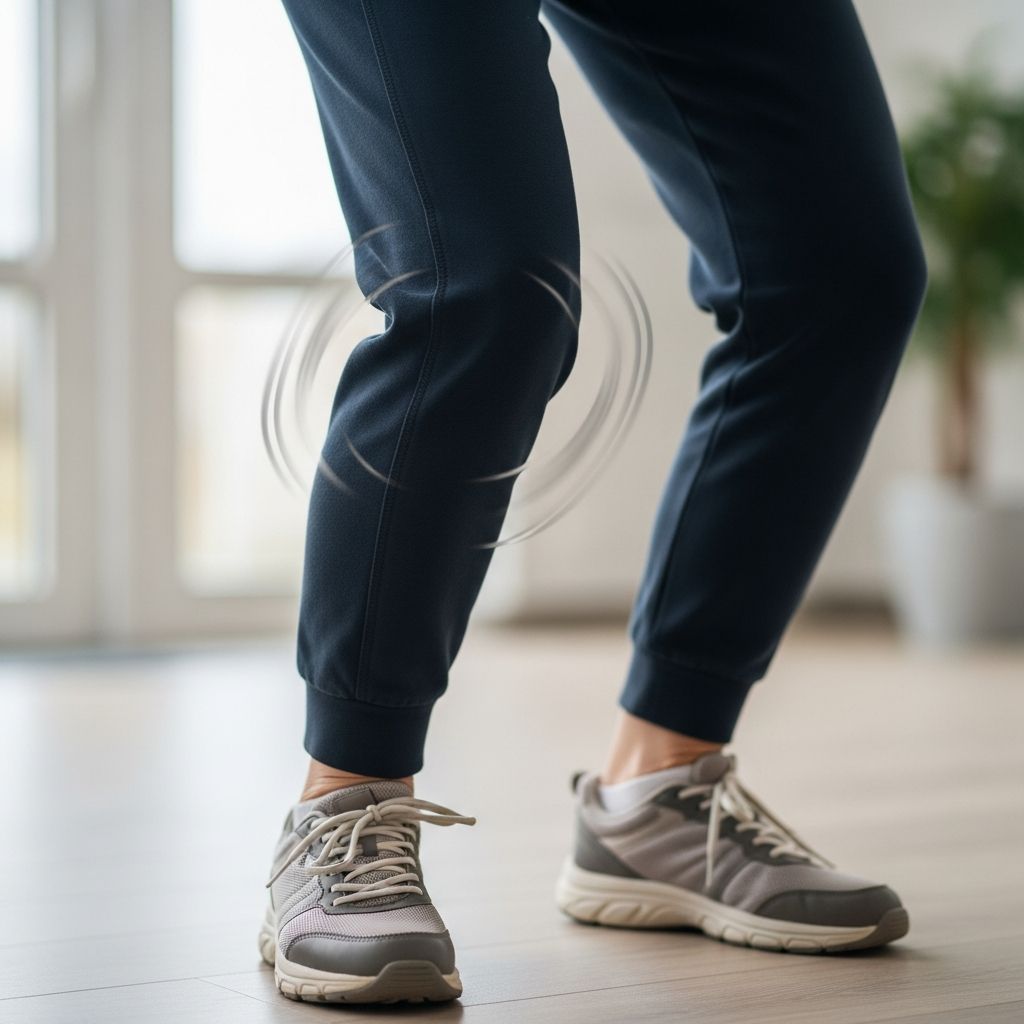
Knee buckling, characterized by a sudden loss of postural support across the knee during weight-bearing activities, represents a significant and often underestimated risk factor for falls in older adults. This condition occurs when the knee gives way unexpectedly, causing individuals to lose their footing and potentially fall. Recent research has established a strong connection between knee buckling and the increased likelihood of experiencing falls and fall-related injuries, particularly in people over 55 years of age who have knee pain or osteoarthritis.
Falls in older adults represent a major public health concern, occurring in 30-40% of community-dwelling older adults each year. While many factors contribute to fall risk, knee instability has emerged as a particularly important and independent risk factor that warrants greater attention from healthcare providers and older adults themselves.
The Statistics Behind Knee Buckling and Falls
Research from prospective studies following individuals over extended periods has revealed alarming statistics about the relationship between knee buckling and fall risk. Individuals who experience knee buckling are substantially more likely to have a history of recurrent falls compared to those without this condition. The data becomes even more concerning when examining individuals who have actually fallen as a result of their knee giving way.
Those who fell when a knee buckled at baseline demonstrated a 4.5-fold increased odds of experiencing recurrent falls two years later. Additionally, these same individuals were 2 times more likely to sustain significant fall injuries and 3 times more likely to experience fall injuries that limited their activity. Perhaps most troubling, individuals who fell due to knee buckling were 4 times more likely to develop poor balance confidence and twice as likely to experience fear of falling, which can create a cycle of reduced activity and further functional decline.
Even among individuals who reported knee buckling but had not yet experienced a fall from it, the risk remained elevated. These individuals continued to show increased likelihood of developing fear of falling and poor balance confidence, though to a somewhat lesser extent than those who had already fallen.
Understanding Knee Instability and Its Manifestations
Knee instability during dynamic, weight-bearing activities occurs in the majority of knee osteoarthritis patients and represents a complex biomechanical problem. There are different ways knee instability can manifest, and understanding these distinctions is important for both prevention and treatment.
Types of Knee Instability Symptoms
Individuals with knee problems may report different sensations related to knee instability. The primary types include:
Knee Buckling: This occurs when the knee suddenly gives way due to loss of postural support. When buckling occurs during weight-bearing activities, the risk of falling is substantial.
Knee Shifting or Slipping: Some individuals report sensations of their knee shifting or slipping without the actual buckling phenomenon occurring. Interestingly, research has found that sensations of knee shifting and slipping without actual buckling were not associated with falls and fall consequences in longitudinal analyses, suggesting that individuals experiencing these symptoms may develop behavioral strategies to limit their risk.
Long-Term Consequences and Continued Risk
The increased risk associated with knee buckling does not diminish quickly. Research following individuals for extended periods has demonstrated that the elevated fall risk persists. At five-year follow-up, individuals who experienced knee buckling at baseline had between 1.6 to 2.5-fold greater odds of recurrent falls, and this increased risk extended to fear of falling and poor balance confidence at seven-year follow-up.
Related Stories



This extended follow-up data suggests that knee buckling is not simply a temporary issue but represents an ongoing vulnerability factor that requires sustained attention and intervention.
Risk Factors Contributing to Falls Beyond Knee Buckling
While knee buckling is a significant risk factor, falls in older adults typically result from multiple contributing factors working together. Understanding these additional risk factors can help guide comprehensive fall prevention strategies.
Muscle Weakness and Sarcopenia
Age-related loss of muscle mass and strength, known as sarcopenia, significantly increases fall risk. Research has consistently linked sarcopenia with increased risk of both falls and fractures in older adults. Weakness in the hip, knee, and ankle muscles particularly impairs the ability to maintain balance and recover from stumbling movements.
Foot Problems and Pain
Foot conditions, including bunions, hammertoes, and general foot pain, contribute to fall risk by impairing walking abilities and disrupting balance. Interestingly, research from the MOBILIZE Boston Study found that foot pain appears to be a bigger factor in indoor falls than outdoor falls, and studies have linked foot pain to both slower gait speed and poor balance.
Gait Instability and Walking Problems
Problems with gait, whether due to pain, injury, or neurological conditions, significantly increase fall risk. Many medical conditions have negative effects on gait, altering the center of balance and affecting walking patterns.
Cognitive and Neurological Factors
Cognitive impairment and dementia, which affect attention, reaction time, decision-making, and short-term memory, can increase the risk of balance issues and falls. Additionally, conditions causing numbness, muscle weakness, impaired vision, and problems with balance and coordination increase vulnerability.
Weight and Nutritional Status
Both being overweight and being underweight contribute to fall risk. Excess weight puts strain on knees and hips, hindering mobility, while being underweight has been linked with higher risk of sarcopenia.
Medical Conditions Associated with Increased Fall Risk
Numerous medical conditions increase fall risk through various mechanisms. Conditions affecting bone and joint health are particularly relevant, as stiff joints limit movement and impair the ability to catch oneself if a trip occurs. Vitamin D deficiency, which is common in older adults, also contributes to fall risk.
The assessment of fall risk before prescribing medications is particularly important, as certain drugs can increase fall risk and warrant careful evaluation and monitoring.
Immediate Consequences of Falls
When falls do occur, the consequences can be severe. Hip fractures, in particular, represent a serious outcome of falls, with 75% to 95% of hip fractures occurring in women, especially after menopause when bone density decreases. Fractures from falls can also include breaks in the limbs, which are very common fall-related injuries.
More serious outcomes include injuries to the neck, head, or back, which can cause extreme pain or pressure and may result in tingling or numbness in the arms and legs, along with difficulty walking or balance. Individuals who land awkwardly from a fall should not be moved before being evaluated for the possibility of cervical spine fractures and spinal cord injuries. Additionally, people who fall from heights greater than three feet require prompt evaluation for possible head and neck injuries, as well as fractures, strains, and sprains.
Many fall injuries are not immediately recognized and may only become apparent later through various symptoms including numbness, muscle weakness, impaired vision, and problems with balance and coordination.
Psychological Consequences of Falls
Beyond physical injuries, falls often have significant psychological consequences. Fear of falling, which develops after experiencing a fall or in individuals with knee buckling, can lead to reduced activity, deconditioning, and paradoxically, increased risk of future falls. Poor balance confidence similarly contributes to reduced activity and functional decline, creating a cycle that is difficult to break without intervention.
Prevention and Management Strategies
Exercise and Resistance Training
The best way to prevent or even reverse age-related loss of muscle and strength is through exercise, particularly resistance exercise. Strengthening exercises targeting the hip, knee, ankle, and core muscles can improve stability and reduce fall risk. Research has shown that individuals unable to stand up from a chair without using their arms need to perform muscle-strengthening exercises to reduce fall risk.
Balance and Gait Training
Specific interventions targeting balance and gait can help improve stability and reduce fall risk. Clinical trials involving older adults have demonstrated that structured programs can reduce the risk of both falls and fall-related injuries.
Weight Management
Maintaining a healthy weight through appropriate diet and exercise reduces strain on joints and improves mobility, thereby reducing fall risk.
Environmental Modifications
Removing trip hazards around the home and ensuring adequate lighting are important strategies for preventing falls, particularly given that routine acts like getting out of bed, going to the bathroom, taking a shower, or getting in and out of a tub can be far riskier than most people realize.
Medical Assessment and Management
Comprehensive assessment for fall history and fall risk factors is important before prescribing medications that may increase fall risk. Healthcare providers should work with older adults to identify and manage contributing conditions, including knee instability, through appropriate treatments.
The Importance of Early Intervention
Given the strong association between knee buckling and future falls and fall injuries, finding effective treatments for knee instability should be a priority. Early intervention to prevent or reduce knee buckling may help prevent falls and their adverse consequences in older persons with knee pain or knee osteoarthritis.
Interestingly, some individuals with knee instability may manage it by adopting behavioral strategies that limit their risk of buckling and falls, as evidenced by the finding that knee shifting and slipping without actual buckling were not associated with falls. However, whether long-term limitations or modifications in activity by persons with knee instability reduce risks or instead contribute to deconditioning and functional decline warrants further investigation and individualized assessment.
Key Takeaways
Knee buckling represents a significant and independent risk factor for falls in older adults, with those who have fallen due to knee buckling facing especially high risk of future recurrent falls, injurious falls, fear of falling, and poor balance confidence. The increased risk persists over years, underscoring the importance of early recognition and intervention. Falls in older adults, while common, are often preventable through comprehensive assessment and management of risk factors, including treating knee instability. Understanding the multifactorial nature of fall risk and implementing evidence-based prevention strategies can significantly reduce falls and fall-related injuries in older populations.
Frequently Asked Questions
Q: What exactly is knee buckling?
A: Knee buckling is a sudden loss of postural support across the knee during weight-bearing activities, causing the knee to give way unexpectedly. This can occur when standing, walking, or performing other activities that place weight on the affected knee.
Q: How much does knee buckling increase fall risk?
A: Individuals who fall when a knee buckles have a 4.5-fold increased risk of recurrent falls two years later, along with significantly higher risks of fall injuries and psychological consequences like fear of falling and poor balance confidence.
Q: Is knee buckling only a problem for people with osteoarthritis?
A: While knee buckling is most common in people with knee pain or knee osteoarthritis, it can occur in the general population, particularly in individuals with knee pain or instability.
Q: What can I do if I experience knee buckling?
A: Consult with a healthcare provider for assessment and diagnosis. Treatment options may include physical therapy with strengthening exercises, balance training, weight management, and in some cases, medical or surgical interventions depending on the underlying cause.
Q: Can falls from knee buckling be prevented?
A: Yes, many falls are preventable through exercise to strengthen muscles, balance training, managing underlying knee problems, removing home hazards, and working with healthcare providers to address fall risk factors.
Q: Are there exercises I can do to strengthen my knees and prevent buckling?
A: Yes, resistance exercises targeting the hip, knee, ankle, and core muscles can help improve stability. A physical therapist can recommend specific exercises tailored to your needs. Simple tests like attempting to stand from a chair without using your arms can help determine if you need strengthening exercises.
References
- Symptoms of Knee Instability are Risk Factors for Recurrent Falls — National Center for Biotechnology Information (NCBI), National Institutes of Health. 2016-07-01. https://pmc.ncbi.nlm.nih.gov/articles/PMC4958545/
- Study Investigates Possible Link Between Knee Buckling and Fall Risk — Rehabilitation Publishing. https://rehabpub.com/industry-news/research/study-investigates-possible-link-knee-buckling-fall-risk/
- Preventing Falls in Older Adults — Marcus Institute for Aging, Hebrew SeniorLife, Inc. 2013. https://www.marcusinstituteforaging.org/documents/preventing-falls-guide
- Harvard Medical School: Preventing Falls — Harvard Health Publications. https://www.health.harvard.edu
- World guidelines for falls prevention and management for older adults — Agency for Healthcare Research and Quality (AHRQ). https://psnet.ahrq.gov/perspective/conversation-patricia-dykes-about-ongoing-journey-prevent-patient-falls
Similar Articles








Read full bio of Sneha Tete