Knee Osteoarthritis: Symptoms, Stages, Causes & Treatment
Complete guide to understanding knee osteoarthritis: causes, symptoms, stages, and effective treatment options.
Understanding Knee Osteoarthritis
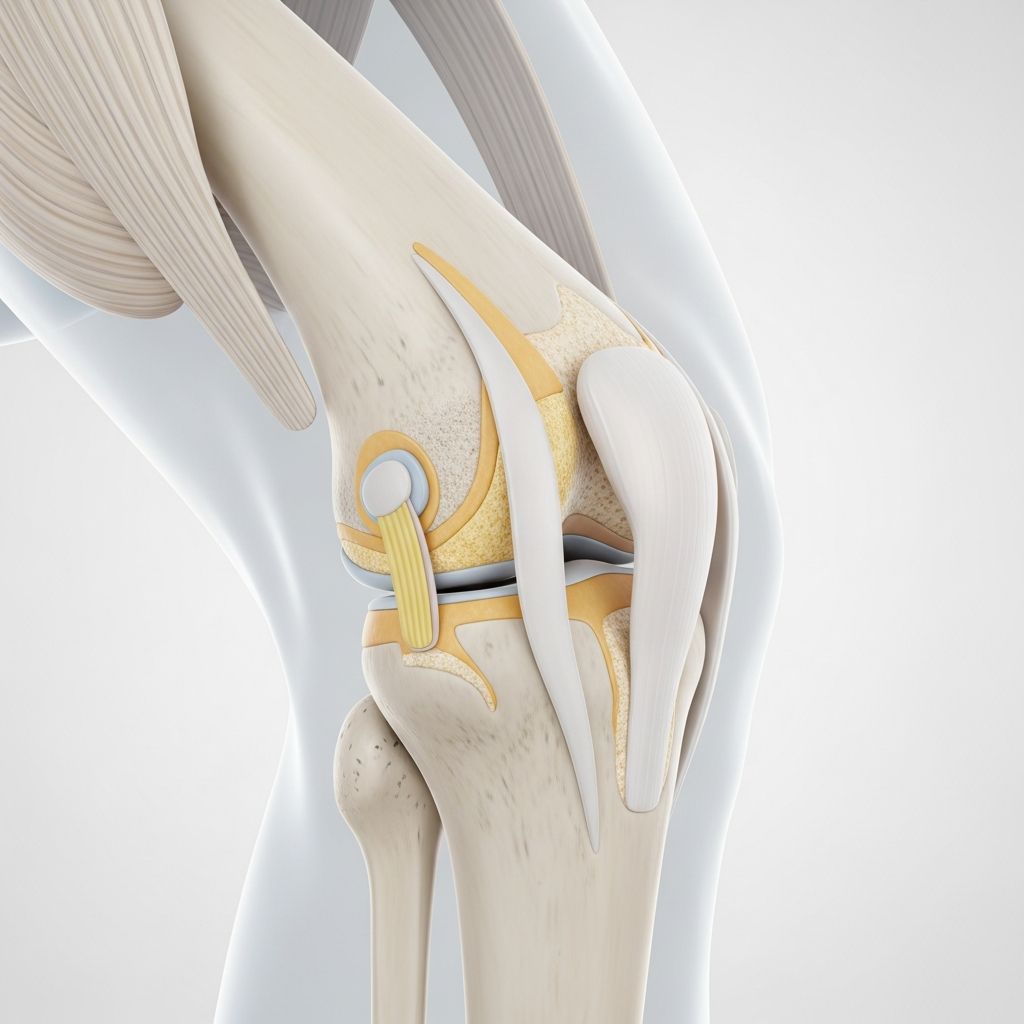
Knee osteoarthritis is a degenerative joint disease that occurs when the cartilage in your knee joint gradually breaks down over time. This condition represents the most common type of arthritis affecting the knee, impacting millions of people worldwide. Osteoarthritis of the knee is a long-term, progressive condition with no cure, but various treatments are available to slow its progression and ease symptoms.
When cartilage deteriorates, the bones in your knee joint begin to rub against each other, causing friction that leads to pain, swelling, and stiffness. This wear-and-tear process develops gradually, and you may not notice initial symptoms until they become more pronounced. Understanding the nature of this condition is essential for managing it effectively and maintaining quality of life.
What Causes Knee Osteoarthritis?
Knee osteoarthritis develops due to multiple interconnected factors rather than a single definitive cause. The knee joint bears significant stress throughout your lifetime, making it particularly susceptible to degenerative changes. Several risk factors increase your likelihood of developing knee osteoarthritis:
- Age: Risk increases as you get older, particularly after age 55
- Family history: Genetic predisposition plays a role in osteoarthritis development
- Previous knee injuries: Past trauma or surgery can accelerate cartilage breakdown
- Obesity: Excess weight increases stress and strain on knee joints
- Repetitive stress: Activities that place constant pressure on knees contribute to cartilage wear
- Muscle weakness: Insufficient supporting muscle strength fails to stabilize the joint
- Misalignment: Improper knee alignment affects weight distribution
Unlike some other forms of arthritis that result primarily from inflammatory processes, osteoarthritis is fundamentally a degenerative condition. It represents the natural consequence of joint use combined with various predisposing factors over many years.
Recognizing Knee Osteoarthritis Symptoms
Symptoms of knee osteoarthritis vary in severity and may develop gradually. The most common symptom is knee pain, which may be triggered by pressure on the joint, movement, or even while sitting still. Recognizing these symptoms early allows for prompt intervention and better management outcomes.
Primary symptoms include:
- Knee pain during or after activity
- Pain that decreases with rest
- Swelling and inflammation in the knee joint
- Stiffness, particularly after periods of inactivity or in the morning
- Reduced range of motion and flexibility
- Crepitation (a grinding or crackling sensation in the joint)
- Sensation of knee instability or buckling
- Knee effusion (fluid accumulation in the joint)
As knee arthritis progresses, additional negative effects may develop, including gait abnormalities, joint inflexibility, and in severe cases, joint contracture. These changes can significantly impact your ability to perform daily activities independently.
Stages of Knee Osteoarthritis Progression
While osteoarthritis doesn’t have strictly defined stages across all medical guidelines, it does progress in a predictable manner. Healthcare providers use stages or levels to describe how advanced your condition is, helping you understand your symptoms and anticipate future changes.
Early Stage: In early knee osteoarthritis, asymmetric loss of cartilage creates joint space narrowing, and subchondral bone cysts may develop. These changes produce activity-triggered pain that typically decreases with rest. You may notice minor symptoms that seem insignificant initially.
Related Stories



Moderate Stage: As the condition progresses, symptoms become more noticeable and bothersome. Pain becomes more consistent, swelling increases, and stiffness may occur after periods of inactivity. Activities you previously took for granted may require more effort or modification.
Advanced Stage: Advanced knee osteoarthritis often results in valgus or varus angular deformity (outward or inward bowing of the knee), debilitating pain, and loss of independent functioning. At this stage, conservative measures may no longer provide adequate relief, and surgical intervention becomes a consideration.
Diagnosing Knee Osteoarthritis
Diagnosis of knee osteoarthritis involves both clinical evaluation and imaging studies. Your healthcare provider will begin by asking detailed questions about your symptoms and physically examining your knee to assess its condition.
Clinical evaluation includes:
- Assessment of pain location and characteristics
- Range of motion testing
- Evaluation for swelling or effusion
- Assessment of joint stability and alignment
- Evaluation of gait and walking patterns
Plain radiographs (X-rays) remain the primary objective diagnostic tool for osteoarthritis. Four cardinal radiographic findings typically indicate knee osteoarthritis: asymmetric loss of cartilage resulting in joint space narrowing, subchondral bone cysts, osteophyte formation (bone spurs), and sclerosis of subchondral bone. In some cases, your provider may order MRI or CT scans to examine soft tissues more closely when additional detail is necessary.
Conservative Treatment Options
Conservative management should almost always be the first line of treatment for knee osteoarthritis. Multiple evidence-based approaches can effectively manage symptoms and slow disease progression without requiring surgery.
Physical Therapy and Exercise: Healthcare providers agree that regular, low-impact exercise is the most important intervention for managing knee arthritis. Physical therapy programs focus on range of motion exercises and strengthening activities that support the knee joint. Walking, biking, yoga, and swimming are excellent low-impact options that maintain cardiovascular fitness while protecting your joints. Specific exercises help strengthen supporting muscles to stabilize the knee and reduce stress on the joint.
Weight Management: Obesity significantly increases stress and strain on knee joints. Weight loss reduces the mechanical burden on your knees, potentially decreasing pain and slowing disease progression. Even modest weight loss can provide meaningful symptom relief.
Medications: Nonsteroidal anti-inflammatory drugs (NSAIDs) such as ibuprofen and naproxen help reduce pain and inflammation. Acetaminophen offers an alternative pain management option for those who cannot tolerate NSAIDs. These medications should be used as directed and discussed with your healthcare provider.
Intra-articular Injections: Injections directly into the knee joint can provide symptom relief. Options include corticosteroid injections for inflammation reduction and hyaluronic acid injections that improve joint lubrication. These treatments may provide temporary relief and reduce the need for oral medications.
Orthotic Devices: Unloader braces specifically designed for knee osteoarthritis can help shift weight away from the affected area of the joint, reducing pain during activity. Proper footwear and insoles may also improve joint alignment and reduce symptoms.
Occupational and Physical Therapy: Beyond exercise, occupational therapy provides practical strategies for performing daily activities while minimizing joint pain. Therapists can suggest modifications to your home and work environments and teach techniques to protect your joints during routine tasks.
Surgical Treatment Options
If conservative measures fail to control symptoms adequately and you experience significant limitations in activities of daily living, referral to an orthopedic surgeon becomes appropriate. Several surgical options exist, each suited to different clinical scenarios.
Arthroscopic Treatment: Arthroscopy involves using a small camera to visualize the inside of your knee joint. While arthroscopic procedures may address certain mechanical problems, their role in treating osteoarthritis specifically is limited and should be discussed with your surgeon.
Osteotomy: High tibial osteotomy and distal varus femoral osteotomy involve cutting and realigning bone to shift weight away from the damaged cartilage. These procedures work well for early to moderate osteoarthritis in younger patients with good bone quality and can potentially delay the need for knee replacement.
Unicompartmental Knee Replacement: This procedure replaces only the damaged compartment of the knee joint. Candidates typically have osteoarthritis limited to one compartment with only minimal changes in other areas. The anterior and posterior cruciate ligaments must remain intact, knee flexion must exceed 90 degrees, and patients typically need a sedentary lifestyle with body weight under 275 pounds.
Total Knee Arthroplasty (TKA): Total knee replacement remains the best option for improving knee pain and function in advanced cases. This procedure is particularly effective for patients over age 55 with progressive, painful osteoarthritis in whom nonsurgical treatments have proven insufficient. TKA can correct varus or valgus deformity and provides excellent long-term pain relief and improved function.
Prevention and Risk Reduction
Since osteoarthritis typically results from multiple factors rather than a single cause, complete prevention isn’t possible. However, you can significantly reduce your risk by minimizing stress and strain on knee joints where feasible.
Preventive strategies include:
- Maintaining a healthy weight to reduce joint stress
- Engaging in regular, low-impact exercise to maintain joint mobility and muscle strength
- Protecting your knees from injury through proper technique during activities and using protective equipment when appropriate
- Strengthening the muscles surrounding your knee joint
- Using proper body mechanics during work and daily activities
- Addressing previous knee injuries promptly with appropriate rehabilitation
- Avoiding repetitive high-impact activities when possible
- Maintaining overall fitness and flexibility
When to Seek Medical Attention
Osteoarthritis typically develops gradually, and you may not notice initial symptoms until they become more pronounced. If you’ve recently developed knee pain with no apparent cause and it seems to be getting worse, contact your healthcare provider. Early treatment offers the best chance of slowing osteoarthritis progression and managing symptoms without surgery.
Your healthcare provider will monitor your arthritis as it progresses. Regular follow-up appointments allow for adjustment of your treatment plan as your condition evolves. When arthritis significantly impacts your life quality and conservative measures no longer provide adequate relief, your provider may recommend surgical options.
Frequently Asked Questions
What is the difference between osteoarthritis and other types of knee arthritis?
Osteoarthritis is degenerative, meaning regular use over time wears down cartilage, with the cartilage loss subsequently causing inflammation. Other types of arthritis, like rheumatoid arthritis, are inflammatory conditions where inflammation starts in the joint and causes cartilage breakdown. This distinction affects treatment approaches.
Can knee osteoarthritis be cured?
No, osteoarthritis cannot be cured. However, many treatments are available to slow its progression, ease symptoms, and help maintain quality of life. The goal of treatment is symptom management and maintaining joint function rather than cure.
At what age does knee osteoarthritis typically develop?
While osteoarthritis can develop at any age, risk increases significantly after age 55. However, earlier onset can occur in individuals with previous knee injuries, genetic predisposition, obesity, or occupations involving repetitive knee stress.
How long do the effects of intra-articular injections last?
The duration varies depending on the type of injection. Corticosteroid injections typically provide relief for several weeks to months, while hyaluronic acid injections may offer benefits for several months. Your healthcare provider can discuss expected timelines for your specific situation.
What exercises are best for knee osteoarthritis?
Low-impact exercises are ideal, including walking, swimming, cycling, and water aerobics. These activities maintain fitness and muscle strength without excessive joint stress. Physical therapists can design specific exercise programs tailored to your condition and limitations.
Can I prevent knee osteoarthritis?
While you cannot completely prevent osteoarthritis, you can reduce your risk by maintaining healthy weight, staying physically active, protecting your knees from injury, and maintaining good muscle strength and flexibility around the joint.
References
- Managing Knee Osteoarthritis Before and After Arthroplasty — Cleveland Clinic Journal of Medicine. 2005. https://www.ccjm.org/content/ccjom/74/9/663.full.pdf
- Knee Osteoarthritis: Symptoms, Stages, Causes & Treatment — Cleveland Clinic. 2025-01-30. https://my.clevelandclinic.org/health/diseases/21750-osteoarthritis-knee
- Arthritis in Knee: Signs, Symptoms, Causes & Treatment — Cleveland Clinic. https://my.clevelandclinic.org/health/diseases/21978-arthritis-of-the-knee
- Osteoarthritis: Symptoms, Causes and Treatment — Cleveland Clinic. https://my.clevelandclinic.org/health/diseases/5599-osteoarthritis
- 20 Best Knee Arthritis Exercises — Cleveland Clinic Health. https://health.clevelandclinic.org/knee-arthritis-exercises
Similar Articles








Read full bio of Sneha Tete