Knee Pain: Causes, Home Treatment, And Prevention Guide
Understanding knee pain: Learn causes, treatments, and when to seek medical help.
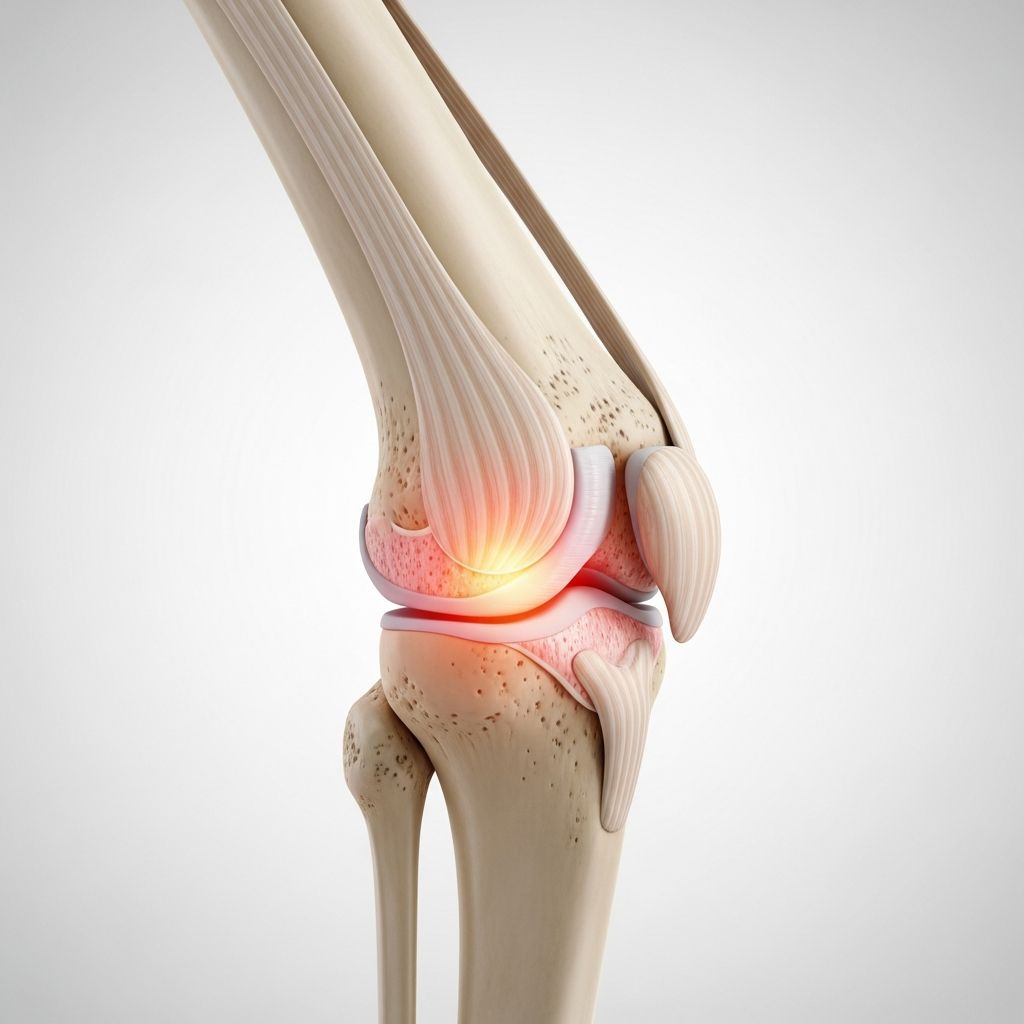
Understanding Knee Pain: What You Need to Know
Knee pain is one of the most common symptoms that affects people of all ages and activity levels. Whether you experience sharp, dull, or throbbing pain in your knee, this condition can significantly impact your daily life and ability to engage in activities you love. Knee pain may develop suddenly after an injury or gradually over time due to chronic conditions like arthritis. The good news is that many cases of knee pain can be managed effectively at home with rest, over-the-counter medications, and appropriate physical activity modifications.
If you’re experiencing knee pain, understanding its potential causes and treatment options is the first step toward recovery. While some knee pain resolves on its own within a few days, persistent or severe pain warrants a visit to a healthcare provider who can properly diagnose your condition and develop an appropriate treatment plan tailored to your needs.
Common Causes of Knee Pain
Knee pain can stem from numerous sources, and identifying the underlying cause is essential for effective treatment. The location of your pain—whether it’s at the front, back, inside, or outside of your knee—often provides valuable clues about what’s causing it.
Acute Injuries and Trauma
Sudden injuries are among the most common causes of knee pain. These include ligament injuries such as anterior cruciate ligament (ACL) tears, meniscus tears, and fractures. Sports-related injuries, falls, or direct blows to the knee can cause immediate pain and swelling. If you’ve recently experienced trauma to your knee, it’s important to seek medical attention promptly to rule out serious structural damage.
Patellofemoral Pain Syndrome (PFPS)
Patellofemoral pain syndrome, also known as runner’s knee, is knee pain under or around your patella (kneecap). This condition is particularly common among athletes and active individuals. PFPS typically develops from overuse, improper training techniques, or muscle imbalances. While experts aren’t certain about the exact cause, the condition usually responds well to conservative treatment including rest, physical therapy, and gradual activity modification.
Arthritis
Arthritis is a chronic condition that causes pain, swelling, and stiffness in the knee. Osteoarthritis, the most common type, develops when cartilage in the knee joint gradually wears down over time. Rheumatoid arthritis is an autoimmune condition that can also affect the knee. While there is no cure for arthritis, various treatments can help ease symptoms and potentially slow disease progression.
Other Common Conditions
Additional causes of knee pain include tendinitis (inflammation of the tendons), bursitis (inflammation of fluid-filled sacs near the joint), and iliotibial band syndrome. Referred pain from hip or back problems can also manifest as knee pain. Swelling of the knee itself may result from injury, overuse, or underlying health conditions.
Recognizing Your Symptoms
The symptoms accompanying your knee pain can vary depending on the underlying cause. You might experience swelling, stiffness, instability, or a feeling that your knee might give way. Some people report a clicking or popping sensation in the knee joint. Pain may be constant or intermittent, and it might worsen with certain activities or improve with rest. Paying attention to when your pain occurs and what makes it better or worse can help your healthcare provider identify the cause.
Related Stories



Home Treatment: The RICE Method
For many cases of knee pain, especially those resulting from minor injuries or overuse, home treatment is often effective. The RICE method is a well-established approach for managing acute knee pain:
Rest
Stop or modify the physical activity that caused your pain. Avoiding activities that aggravate your knee allows inflammation to decrease and gives your body time to heal. This doesn’t necessarily mean complete immobilization; rather, it means reducing stress on the affected knee.
Ice
Apply an ice pack or cold compress to your knee for approximately 20 minutes every three to four hours. Ice helps reduce swelling and numb pain. Always wrap ice in a thin towel to protect your skin and avoid applying ice directly to the skin, which can cause ice burn.
Compression
Wrap your knee with an elastic bandage or compression sleeve to help control swelling and provide support. Ensure the compression is snug but not so tight that it cuts off circulation or causes numbness.
Elevation
Keep your knee elevated above the level of your heart whenever possible, especially while resting. This helps reduce swelling by allowing fluid to drain away from the knee joint.
Over-the-Counter Medications
Pain relief medications can help manage knee pain and reduce inflammation. Nonsteroidal anti-inflammatory drugs (NSAIDs) such as ibuprofen, naproxen, and aspirin are commonly used to reduce both pain and swelling. Acetaminophen (Tylenol) is another option that can relieve pain, though it doesn’t reduce inflammation as effectively as NSAIDs. When using these medications, follow the package directions carefully and avoid taking them for more than 10 days in a row without consulting your healthcare provider, as prolonged use can cause side effects.
Physical Therapy and Strengthening
Physical therapy plays a crucial role in treating and preventing knee pain. A physical therapist will design a customized program that includes stretches and exercises to strengthen the muscles around your knee, particularly the quadriceps. Increasing muscle strength and flexibility provides better support for your knee and helps your patella move correctly through its range of motion. Regular physical therapy can significantly reduce pain and improve function, allowing you to return to your normal activities more quickly.
Supportive Devices and Orthotics
Various devices can help stabilize and support your knee during the healing process and throughout long-term management:
Knee Braces
Knee braces stabilize and support your knee joint, reducing pain during physical activity. They are particularly helpful early in treatment when pain is more intense. Different types of knee braces serve different purposes—some provide general support, while others target specific structures like the patella or ligaments. Your healthcare provider can recommend the type of brace best suited to your condition.
Orthotics
Shoe inserts called orthotics can help correct biomechanical issues that contribute to knee pain. These can be purchased over-the-counter or custom-made by a healthcare provider. Orthotics help align your foot, ankle, and knee properly, reducing stress on the knee joint during walking and other activities.
Diagnostic Procedures
When you visit a healthcare provider for knee pain, they will perform a thorough physical examination, looking at your knee structure and range of motion. Your provider may ask you to perform specific movements—such as walking, bending your knee, holding your leg straight, or squatting—to identify which movements trigger pain.
Imaging tests may be recommended depending on your symptoms and examination findings. X-rays can reveal bone abnormalities and signs of arthritis, while magnetic resonance imaging (MRI) provides detailed pictures of soft tissues including cartilage, ligaments, and menisci. These imaging studies help confirm the diagnosis and guide treatment decisions.
When to Seek Professional Help
While many cases of knee pain resolve with home treatment, certain situations warrant a visit to a healthcare provider:
– Knee pain that lasts more than a few days in a row- Severe pain that interferes with daily activities or sleep- Significant swelling or warmth in the knee- Instability or a feeling that your knee might give way- Inability to bear weight on your leg- Signs of infection such as redness, warmth, or fever accompanying knee pain- Knee pain following a traumatic injury
Don’t ignore persistent knee pain or assume it’s simply a normal part of aging or an unavoidable consequence of your job or activities. Seeking professional evaluation early can prevent minor issues from developing into more serious problems.
Advanced Treatment Options
If conservative treatments don’t provide adequate relief, your healthcare provider may suggest additional options. These might include corticosteroid injections to reduce inflammation, hyaluronic acid injections to improve joint lubrication, or other specialized therapies. Your provider will discuss which options are most appropriate for your specific condition.
Surgical Intervention
Surgery is rarely necessary for knee pain and is typically considered only when other treatments have failed and symptoms significantly impact your quality of life. When surgery is needed, knee arthroscopy is often the procedure of choice. During arthroscopy, your surgeon makes small incisions around your knee and uses a specialized instrument called an arthroscope to visualize and repair damage inside the joint. In cases of severe arthritis, knee replacement (arthroplasty) may be recommended if pain and swelling make it impossible to participate in daily activities.
Prevention Strategies
Taking steps to prevent knee pain is far more effective than treating it after it develops. Follow these safety tips during sports and physical activities:
– Warm up properly before exercise and cool down afterward- Use appropriate equipment and footwear for your activity- Start new exercise programs gradually and increase intensity slowly- Maintain proper form and technique during sports and workouts- Strengthen muscles around your knee through regular exercise- Maintain a healthy weight to reduce stress on your knees- Stay flexible through regular stretching- Listen to your body and avoid pushing through pain- Take rest days between intense workouts- Cross-train to avoid overusing the same muscles and joints
Lifestyle Modifications for Long-Term Management
For chronic knee pain conditions like arthritis, ongoing lifestyle modifications help manage symptoms and maintain quality of life. Regular low-impact exercise such as swimming, cycling, or walking helps maintain strength and flexibility without excessive stress on the knee. Maintaining a healthy weight reduces the load your knees must support. Using assistive devices like a cane when needed can decrease pain and prevent falls. Heat therapy can be as effective as ice for some people with chronic pain, particularly for stiffness.
Returning to Activities
Once your knee pain improves, gradually return to your normal activities. Rushing back too quickly can cause pain to recur. Work with your physical therapist to progress your activities safely, and continue strengthening exercises even after pain resolves to help prevent future problems.
Frequently Asked Questions
Q: How long does knee pain usually last?
A: The duration depends on the cause. Minor injuries may resolve in a few days to weeks with proper treatment, while chronic conditions like arthritis are lifelong but manageable. If knee pain persists beyond a few days, consult a healthcare provider.
Q: Can I exercise with knee pain?
A: It depends on the severity and cause. Generally, you should stop the activity causing pain, but gentle movement and physical therapy exercises are often beneficial. Avoid high-impact activities until pain improves, and always follow your healthcare provider’s recommendations.
Q: Is it better to use ice or heat for knee pain?
A: Ice is typically better for acute injuries and inflammation, especially in the first 48 hours. Heat works better for chronic stiffness. Some people benefit from alternating between ice and heat. Consult your healthcare provider for personalized guidance.
Q: Will my knee pain ever go away completely?
A: This depends on the underlying cause. Acute injuries may resolve completely with appropriate treatment, while chronic conditions like arthritis require ongoing management but can have their symptoms significantly reduced.
Q: What should I do if knee pain suddenly worsens?
A: Stop your current activity immediately and apply ice. Elevate your knee and rest. If pain is severe, you cannot bear weight, or swelling is significant, seek immediate medical attention as this may indicate a serious injury.
References
- Knee Pain: What It Is, Causes, Treatment & Relief — Cleveland Clinic. 2024. https://my.clevelandclinic.org/health/symptoms/21207-knee-pain
- Patellofemoral Pain Syndrome (PFPS): Symptoms & Treatment — Cleveland Clinic. 2023. https://my.clevelandclinic.org/health/diseases/17914-patellofemoral-pain-syndrome-pfps
- Swollen Knee: Causes, Treatment & Prevention — Cleveland Clinic. 2024. https://my.clevelandclinic.org/health/symptoms/17678-swollen-knee
- Arthritis in Knee: Signs, Symptoms, Causes & Treatment — Cleveland Clinic. 2024. https://my.clevelandclinic.org/health/diseases/21978-arthritis-of-the-knee
- Pain Behind Knee (Back of Knee Pain) — Cleveland Clinic. 2024. https://my.clevelandclinic.org/health/symptoms/back-of-knee-pain
- Pain on Outside of Knee (Lateral Knee Pain) — Cleveland Clinic. 2024. https://my.clevelandclinic.org/health/symptoms/outside-lateral-knee-pain
Similar Articles








Read full bio of Sneha Tete