Patellofemoral Pain Guide: Symptoms, Causes, And Treatment
Understand patellofemoral pain syndrome: causes, symptoms, diagnosis, treatment, and prevention strategies for effective knee pain relief.
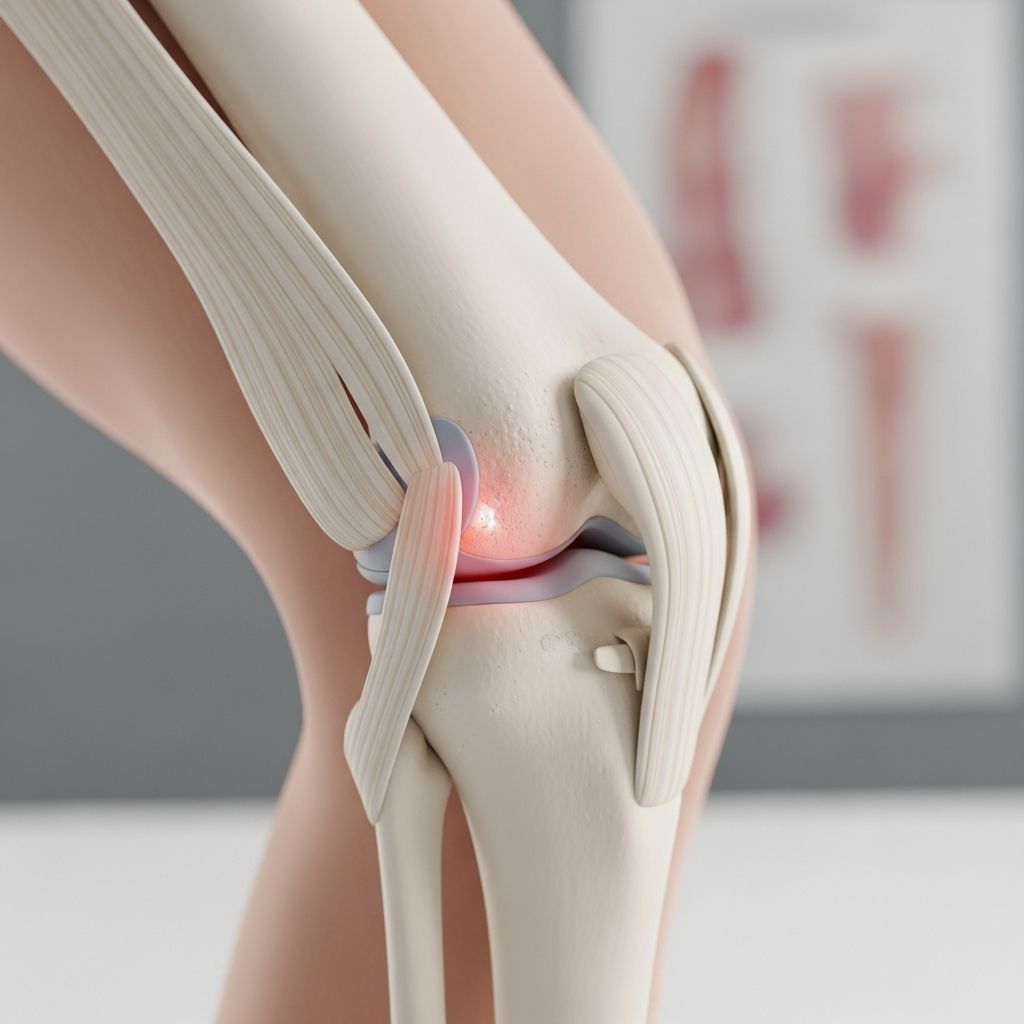
Patellofemoral pain syndrome (PFPS), also known as runner’s knee, is a common condition characterized by pain around or behind the kneecap (patella). It affects people of all ages, particularly active individuals involved in sports like running, jumping, or squatting. This pain arises from issues in the patellofemoral joint, where the kneecap interacts with the thigh bone (femur).
What is patellofemoral pain?
Patellofemoral pain refers to discomfort in the front of the knee, specifically around the patella. It is often linked to
chondromalacia patellae
, a softening or breakdown of the cartilage under the kneecap, orpatellar tracking disorder
, where the kneecap does not glide smoothly in its femoral groove. This condition is prevalent among athletes, adolescents, and those with sudden increases in activity levels. The patella normally tracks within the trochlear groove of the femur; misalignment increases pressure and irritation on surrounding tissues.PFPS is not typically associated with major structural damage but results from repetitive stress or biomechanical issues. It can affect one or both knees and is more common in females due to wider hips altering knee mechanics. Early recognition and management are key to preventing chronic issues.
Symptoms
The hallmark symptom of PFPS is a
dull, aching pain
in the anterior knee, which intensifies with activities loading the flexed knee. Pain often worsens gradually and is activity-related.- Pain when climbing or descending stairs
- Discomfort during squatting, kneeling, or jumping
- Ache after prolonged sitting with knees bent (“movie sign”)
- Grinding, popping, or crepitus sensations around the kneecap
- Mild swelling (rare) or feeling of instability
These symptoms distinguish PFPS from other knee issues like arthritis, which involves more joint space narrowing. Pain may radiate slightly but remains focused anteriorly.
Causes
PFPS develops from a combination of factors disrupting normal patellar tracking.
Overuse
is primary, with repetitive knee flexion under load—such as in jogging, stairs, or sports—causing irritation. Sudden activity increases (frequency, duration, intensity) exacerbate this.Other contributors include:
- **Muscle imbalances/weakness**: Weak quadriceps, tight hamstrings, or hip abductors fail to stabilize the patella.
- **Patellar malalignment**: Lateral deviation in the trochlear groove heightens femoropatellar pressure.
- **Biomechanical issues**: Flat feet (pronation), high arches, knock knees, or Q-angle alterations from wider female hips.
- **Training errors**: Improper techniques, worn shoes, or surface changes (e.g., grass to turf).
- **Other risks**: Obesity, trauma, or starting new activities.
Patellar maltracking stimulates pain receptors in the retinacula, fat pad, and synovium. Structural factors like weak thigh muscles allow rubbing against the femur.
Who gets patellofemoral pain?
PFPS affects adolescents (growth-related tracking issues), young athletes (runners, jumpers), and older active adults. Females are 2-3 times more prone due to pelvic width increasing lateral patellar pull. Runners, soccer players, and those with flat feet or weak hips are at higher risk. It impacts 15-30% of athletes seeking medical care.
Diagnosis
Diagnosis is clinical, based on history and exam. Doctors assess:
- Patellar grind test (crepitus on compression)
- Tracking observation during flexion/extension
- Quadriceps strength, hip flexibility, foot alignment
- Ruling out fractures, meniscus tears via McMurray’s test
Related Stories



Imaging like X-rays (malalignment), MRI (cartilage), or ultrasound may confirm chondromalacia but is not routine.
Treatment
Most cases (90%) resolve conservatively within 6 weeks. Focus on reducing load and correcting biomechanics.
Conservative management
- RICE: Rest, Ice (20 min 3-4x/day), Compression, Elevation.
- Activity modification: Avoid aggravating moves; use patellar strap.
- Physiotherapy: Quad/hip strengthening (e.g., straight leg raises), stretching hamstrings/IT band. Vastus medialis oblique (VMO) activation key.
- NSAIDs: Ibuprofen for pain/inflammation (short-term).
- Orthotics: For flat feet/pronation.
Exercise programs improve outcomes; e.g., hip abductor training reduces inward knee collapse.
Surgery
Rare (<5%), for refractory cases after 6 months. Options: lateral release (tight retinaculum), MPFL reconstruction (instability), tibial tubercle transfer (maltracking). Arthroscopy assesses cartilage.
Physiotherapy
Core treatment: 8-12 weeks of supervised exercises.
| Phase | Focus | Exercises |
|---|---|---|
| Acute | Pain relief | Ice, taping, isometric quads |
| Strength | Muscle balance | Leg raises, clamshells, squats |
| Functional | Return to sport | Lunges, plyometrics, agility drills |
Progression prevents re-injury; compliance yields 80-90% success.
Recovery timeline
Symptoms improve in 4-6 weeks with treatment; full return to activity 3-6 months. Factors delaying recovery: poor compliance, obesity, severe maltracking. Monitor for progression to osteoarthritis.
Prevention
- Gradual activity ramp-up
- Strengthen quads/hips/core regularly
- Proper footwear/orthotics
- Technique coaching, cross-training
- Maintain flexibility, ideal weight
Frequently Asked Questions
Can patellofemoral pain go away on its own?
Yes, mild cases resolve with rest and activity change, but structured rehab prevents recurrence.
Is PFPS the same as runner’s knee?
Yes, synonymous terms for anterior knee pain from patellofemoral overload.
Will I need surgery for PFPS?
Rarely; 90%+ improve non-surgically.
How long does recovery take?
4-6 weeks for pain relief, 3-6 months full activity.
Can I still exercise with PFPS?
Yes, low-impact like swimming/cycling; avoid deep squats initially.
This guide synthesizes evidence-based info for informed management. Consult a healthcare professional for personalized advice.
References
- Patellofemoral Pain: Causes, Symptoms & Relief — MSP Physical Therapy. 2023. https://msphysicaltherapy.com/patellofemoral-pain-causes-symptoms-relief/
- Patellofemoral Pain Syndrome — American Academy of Orthopaedic Surgeons (AAOS). 2023-05-01. https://orthoinfo.aaos.org/en/diseases–conditions/patellofemoral-pain-syndrome/
- Patellofemoral pain syndrome – Symptoms and causes — Mayo Clinic. 2023-11-10. https://www.mayoclinic.org/diseases-conditions/patellofemoral-pain-syndrome/symptoms-causes/syc-20350792
- Patellofemoral Pain Syndrome Treatment — Dr. Christopher Cooke, Orthopaedic Surgeon. 2024. https://www.drchristophercooke.com/patellofemoral-pain-syndrome-orthopaedic-surgeon-sports-medicine-michigan.html
- Patellofemoral Pain Syndrome (PFPS) — Cleveland Clinic. 2023-08-15. https://my.clevelandclinic.org/health/diseases/17914-patellofemoral-pain-syndrome-pfps
- Patellofemoral Pain Syndrome — American Academy of Family Physicians (AAFP). 2019-01-15. https://www.aafp.org/pubs/afp/issues/2019/0115/p88.html
- Patellofemoral Pain Syndrome — The Steadman Clinic. 2023. https://www.thesteadmanclinic.com/patient-education/knee/patellofemoral-pain-syndrome
- Patellofemoral Syndrome — StatPearls, NCBI Bookshelf, NIH. 2023-07-17. https://www.ncbi.nlm.nih.gov/books/NBK557657/
Similar Articles








Read full bio of medha deb