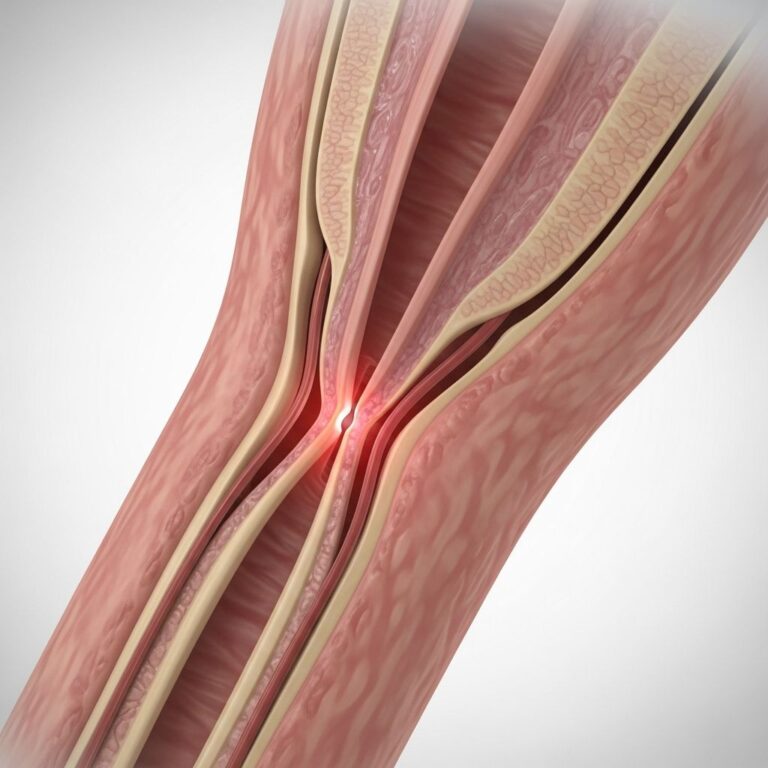
Knee Pain While Running: Causes, Prevention, Fixes
Discover the real causes of knee pain while running and proven strategies to prevent and treat it effectively for pain-free runs.
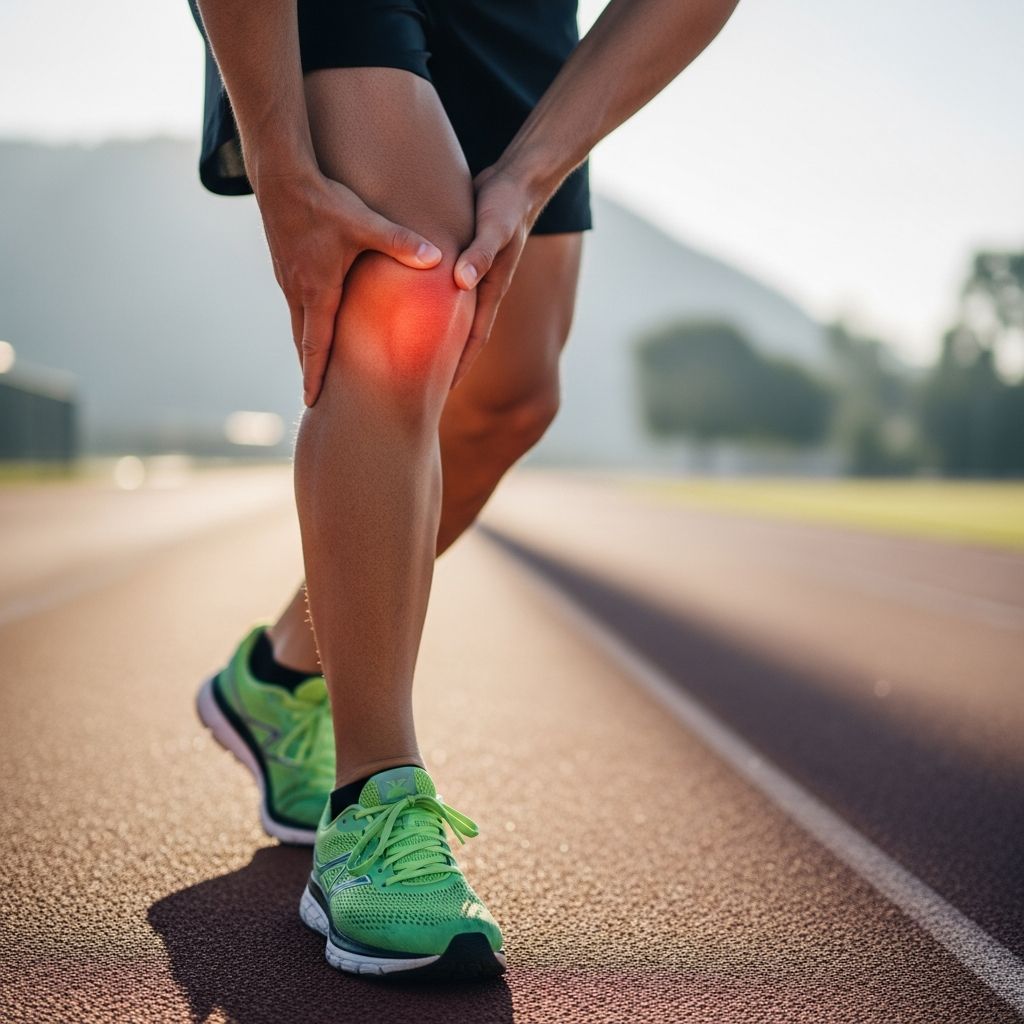
Knee pain while running is a common issue affecting runners of all levels, often stemming from poor biomechanics, overuse, or improper form rather than running itself. Addressing these root causes through better technique, strengthening, and recovery strategies can help runners return to pain-free activity.
What Causes Knee Pain When Running?
Knee pain in runners is rarely caused by running alone but by underlying factors like
poor biomechanics
andoveruse
, both closely tied to foot alignment and running mechanics. Misaligned feet create a chain reaction up the kinetic chain, leading to stress on knees, hips, and even the back.Common culprits include:
- Overuse injuries: Frequent running without adequate rest causes inflammation in knee joints from repetitive stress.
- Improper running form: Heel striking, over-striding, and poor posture place excess strain on knees.
- Inadequate footwear: Shoes lacking cushioning or support exacerbate pressure on knees.
- Foot-related issues: Conditions like plantar fasciitis or Achilles tendonitis contribute to ‘runner’s knee’ by altering gait.
- Muscle weaknesses: Weak core, hips, and quads lead to patellofemoral pain syndrome (runner’s knee).
Research shows running history does not increase risk of knee osteoarthritis (OA) or pain; in fact, runners often have lower odds of knee issues compared to non-runners, especially when adjusted for BMI and injury history.
Symptoms of Runner’s Knee and Related Issues
Runner’s knee, or patellofemoral pain syndrome, presents as pain around or behind the kneecap, worsened by running, stairs, or prolonged sitting. Other symptoms include swelling, grinding sensations, and stiffness.
| Condition | Symptoms | Common Triggers |
|---|---|---|
| Runner’s Knee (PFPS) | Front knee pain, grinding | Weak hips/core, downhill running |
| IT Band Syndrome | Pain on outer knee | Foot splay, tight IT band |
| Patellar Tendinitis | Pain below kneecap | Overuse, jumping |
These issues often mimic each other, so proper diagnosis is key.
Prevention: Proper Running Form to Avoid Knee Pain
Correcting running mechanics is essential to minimize impact on knees. Focus on these techniques for proper form:
- Avoid heel striking: Land midfoot under your body, not ahead of knees, to reduce braking forces.
- Prevent over-striding: Keep feet landing beneath hips; let legs swing rearward.
- Don’t lift knees high: Maintain a natural stride without excessive knee drive.
- Lean forward from ankles: Engage whole body posture for efficient propulsion.
- Keep knees soft: Avoid locking; maintain slight bend for shock absorption.
- Point feet forward: Prevent splay to avoid knee torque and IT band strain.
Additionally, strengthen supporting muscles:
- Stretch hips, quads, and calves before runs after a light warm-up.
- Build core and hip strength with exercises like clamshells and bridges.
- Choose supportive shoes fitted by a specialist.
Treatment Options for Knee Pain in Runners
Most knee pain resolves with conservative measures. Start with RICE (Rest, Ice, Compression, Elevation):
- Rest: Pause high-impact running; switch to swimming or cycling.
- Ice: Apply 15-20 minutes post-run to reduce swelling.
- Strengthen and stretch: Target quads, hamstrings, and hips via physical therapy.
Physical therapy is highly effective, offering tailored exercises, form analysis, and technique corrections for long-term relief.
Strengthening Exercises for Runner’s Knee
Related Stories



Incorporate these exercises 3-4 times weekly to support knees:
- Squats: 3 sets of 10-15; build quad strength.
- Lunges: Forward and side; improve balance and hip stability.
- Clamshells: Lie on side, lift top knee; target glutes (3×15 per side).
- Step-ups: Use a box; mimic running motion safely.
- Planks: Hold 30-60 seconds; core stability reduces knee load.
Progress gradually to avoid overuse.
When to See a Doctor for Running Knee Pain
Seek medical help if pain persists beyond 2 weeks of rest, includes swelling/locking, or follows a pop sound. Orthopedists may recommend imaging or injections. Persistent issues could indicate meniscus tears or OA, though running rarely causes OA.
Frequently Asked Questions (FAQs)
Is running bad for your knees?
No, studies show a history of running is not associated with higher knee pain or OA risk; runners often have fewer issues.
How do I fix runner’s knee?
Combine rest, ice, strengthening (especially hips/core), and form corrections like midfoot landing.
Should I run through knee pain?
No, rest immediately to prevent worsening; substitute low-impact cardio.
What shoes prevent knee pain running?
Neutral or stability shoes with good cushioning, replaced every 300-500 miles.
Can weak hips cause knee pain?
Yes, hip weakness leads to poor knee tracking and patellofemoral pain.
Long-Term Strategies for Pain-Free Running
Build mileage gradually (10% rule weekly), cross-train, and prioritize recovery. Regular podiatry checks address foot issues early. Research confirms running’s knee benefits outweigh risks when done properly.
References
- Knee Pain While Running? Here’s What You Can Do — Balance Health. 2023. https://balancehealth.com/resources/knee-pain-while-running-heres-what-you-can-do/premier-podiatry-and-orthopedics/
- Knee Pain Relief for Runners in Baltimore, MD: What You Need to Know — Maryland Bone & Joint Center. 2024. https://www.mdbonedocs.com/knee-pain-relief-for-runners-in-baltimore-md-what-you-need-to-know/
- History of Running is Not Associated with Higher Risk of Radiographic Osteoarthritis or Frequent Knee Pain — National Library of Medicine (PMC). 2016-12-01. https://pmc.ncbi.nlm.nih.gov/articles/PMC5179322/
- Five Tips for Preventing Runner’s Knee — Hospital for Special Surgery (HSS). 2023. https://www.hss.edu/health-library/move-better/how-to-prevent-runners-knee
Similar Articles








Read full bio of Sneha Tete