Knee Replacement Alternatives to Consider
Explore non-surgical and surgical alternatives to knee replacement for managing arthritis and joint pain effectively.
Understanding Knee Arthritis and Treatment Options
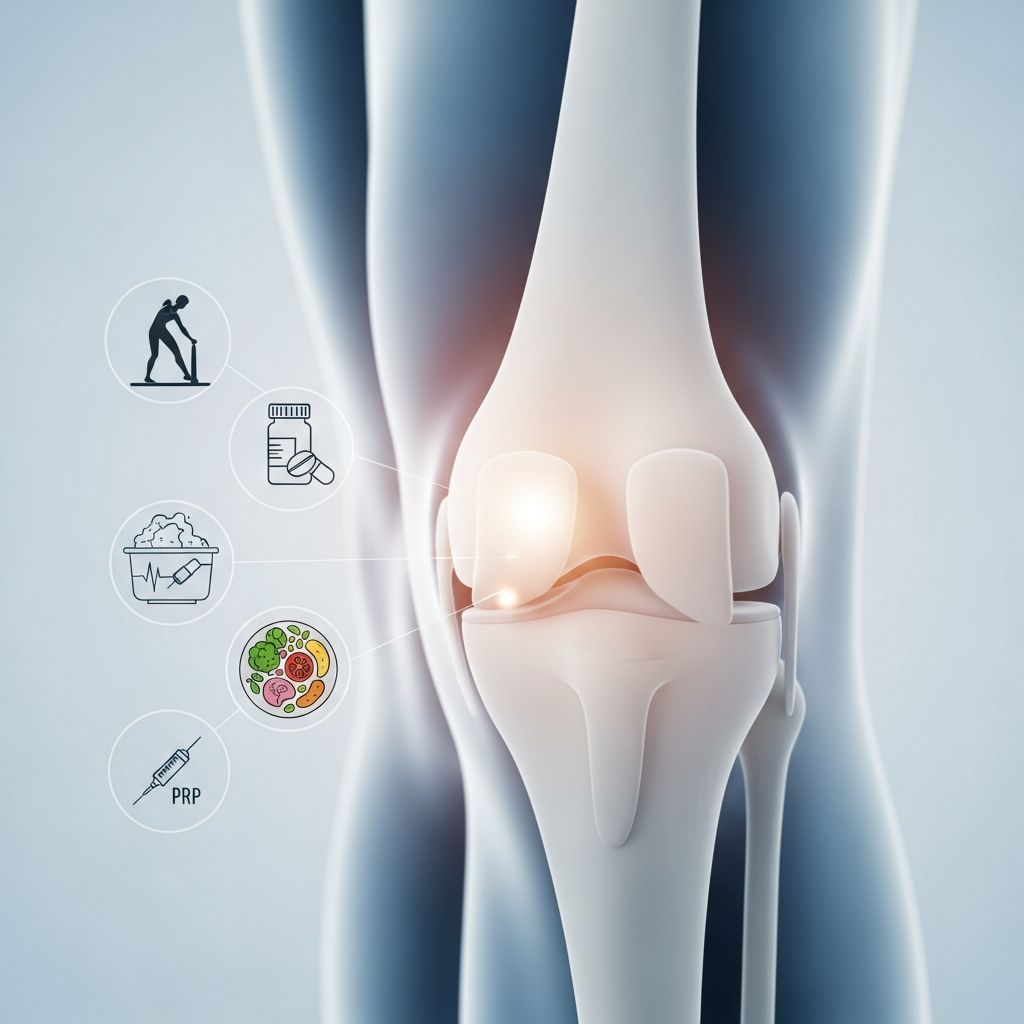
Knee arthritis is a progressive condition that affects millions of people worldwide, causing pain, stiffness, and reduced mobility. While total knee replacement is often considered the definitive solution for severe arthritis, numerous alternatives exist that can effectively manage symptoms and restore quality of life. Understanding these options is essential before committing to surgery, as many patients can achieve significant relief through conservative and minimally invasive treatments.
Knee arthritis develops due to a combination of factors including genetic predisposition, wear and tear over time, and previous injuries. The condition typically progresses gradually, initially causing pain during activity and eventually leading to discomfort even at rest. As arthritis advances, patients often experience stiffness and reduced range of motion, making everyday activities challenging.
Non-Surgical Treatment Options
Before considering surgery, healthcare providers typically recommend a comprehensive approach to managing knee arthritis through non-surgical interventions. These treatments address inflammation, improve joint function, and help patients maintain their quality of life without the risks and recovery time associated with surgery.
Medication Management
Anti-inflammatory medications form the foundation of non-surgical knee arthritis treatment. Over-the-counter nonsteroidal anti-inflammatory drugs (NSAIDs) such as ibuprofen and naproxen (Aleve) effectively reduce inflammation and alleviate pain associated with arthritis. These medications work by decreasing the inflammatory response that contributes to joint damage and discomfort. For patients who require stronger pain relief or cannot tolerate NSAIDs, prescription medications may be recommended by healthcare providers.
Injection Therapies
Injectable treatments offer targeted relief for knee arthritis and represent an important step between oral medications and surgery. Steroid injections deliver anti-inflammatory medication directly into the knee joint, providing significant pain relief and reducing inflammation. These injections can be repeated periodically, typically every three to six months, as recommended by your physician.
Hyaluronic acid injections represent another effective injection option. This substance mimics the natural lubricant found in healthy joints, reducing friction and improving joint function. These viscosupplementation injections can provide relief lasting several months and may slow the progression of arthritis in some patients.
Physical Therapy and Exercise
Physical therapy is one of the most effective non-surgical treatments for knee arthritis. A comprehensive physical therapy program focuses on several key objectives:
- Improving range of motion and flexibility in the knee joint
- Strengthening the muscles surrounding the knee, particularly the quadriceps and hamstrings
- Enhancing overall stability and proprioception of the joint
- Teaching proper body mechanics and movement patterns
- Developing a home exercise program for long-term management
Regular exercise not only manages current symptoms but also helps prevent further deterioration. Strengthening the muscles around the knee reduces stress on the joint itself, allowing it to function more effectively. Low-impact activities such as swimming, water aerobics, and cycling are particularly beneficial as they build strength without placing excessive strain on the affected joint.
Related Stories



Weight Management
Body weight has a direct impact on knee joint stress and arthritis progression. Every pound of body weight increases the force transmitted through the knee joint during weight-bearing activities. Weight loss, even modest amounts, can significantly reduce pain and slow the advancement of arthritis. Studies have shown that a five to ten percent reduction in body weight can lead to meaningful improvements in symptoms and function. Weight management through a combination of dietary changes and regular physical activity represents one of the most effective long-term strategies for managing knee arthritis.
Lifestyle Modifications
Simple adjustments to daily activities can reduce knee stress and improve comfort. Using assistive devices such as knee braces or supports can stabilize the joint during activity. Proper footwear with adequate cushioning and support reduces impact forces transmitted to the knee. Avoiding high-impact activities and using proper technique during exercise prevents unnecessary stress on the joint. Heat and cold therapy can provide symptomatic relief, with heat improving flexibility and cold reducing inflammation.
Minimally Invasive Surgical Alternatives
When non-surgical treatments no longer provide adequate relief, several surgical options exist that are less invasive than total knee replacement. These procedures can address specific problems while preserving more of the natural knee anatomy.
Partial Knee Replacement
Partial knee replacement, also called unicompartmental knee replacement, represents an excellent alternative for patients with arthritis limited to one compartment of the knee. The knee has three compartments: the inner (medial), outer (lateral), and front (patellofemoral) compartments. When arthritis affects only one area, typically the inner compartment, a partial replacement may be appropriate.
During partial knee replacement, only the damaged bone and cartilage in the affected compartment are removed and replaced with an implant. The remaining healthy portions of the knee are preserved. This approach offers several advantages including smaller incisions, less bone removal, shorter recovery time, and preserved natural knee anatomy. However, partial knee replacement is suitable for only about 10 to 15 percent of knee arthritis patients, as most have arthritis affecting multiple compartments.
Arthroscopic Procedures
Arthroscopic surgery uses a small camera and specialized instruments inserted through tiny incisions to treat specific knee problems. These minimally invasive procedures can address loose cartilage fragments, trim damaged cartilage, and clean out inflammatory tissue. While arthroscopic procedures are less invasive than traditional open surgery, their benefits for arthritis alone are limited. They are most beneficial when addressing specific mechanical problems such as meniscus tears or loose bodies within the joint.
Cartilage Restoration Procedures
For younger patients with isolated cartilage damage, several advanced procedures may be considered before resorting to knee replacement. These techniques include autologous chondrocyte implantation (ACI) and osteochondral transplantation, which attempt to restore damaged cartilage using the patient’s own cells or tissue grafts. While these procedures show promise in selected cases, their long-term effectiveness and role in managing generalized arthritis continues to evolve.
Total Knee Replacement: When It Becomes Necessary
After exhausting non-surgical and minimally invasive options, total knee replacement may become the appropriate choice. This procedure involves removing all damaged portions of the knee joint and replacing them with artificial implants composed of metal, plastic, and sometimes ceramic materials.
Age Considerations
While knee replacement can technically be performed at any age, age considerations do influence treatment decisions. Patients younger than 50 or 55 years carry higher risk for needing additional surgical procedures in the future, as implants may not last their entire lifetime. However, if no other options adequately restore quality of life and function, age alone should not prevent someone from having the procedure. Once patients reach age 60, modern knee replacement implants have a 10-to-1 likelihood of outliving the patient, making replacement a more durable solution for older individuals.
Pre-Operative Preparation
Prehabilitation before knee replacement surgery significantly improves outcomes. Physical therapy before surgery helps patients understand the exercises and movements they will need to perform post-operatively, build baseline strength, and optimize their functional status before surgery. This preparation facilitates faster recovery and better long-term results.
Modern Surgical Techniques
Contemporary knee replacement techniques are far less invasive than those performed twenty years ago. Modern approaches use smaller incisions and minimize trauma to surrounding muscles and tendons. While the basic components of the artificial knee remain similar, the surgical techniques continue to evolve, resulting in faster recovery times and improved outcomes.
Recovery and Long-Term Management
Recovery from knee replacement typically follows a predictable timeline. Most patients experience significant improvement within six weeks, though complete healing takes longer. Full recovery generally extends to one to one and a half years. Working through post-operative pain and stiffness through supervised physical therapy is crucial for achieving optimal outcomes. Rehabilitation helps restore range of motion, rebuild strength, and return patients to their desired activities.
Long-term management after knee replacement includes ongoing physical activity, weight management, and follow-up care with your orthopedic surgeon. Many patients who undergo knee replacement are able to return to recreational activities and enjoy an improved quality of life with reduced pain.
Complications and Risks to Consider
Like all surgical procedures, knee replacement carries certain risks. Infection represents one of the most serious potential complications, though modern surgical techniques and antibiotics have reduced infection rates to less than one-half of one percent. Other risks include blood clots, nerve or vessel injury, stiffness, and implant-related complications. Understanding these risks and discussing them thoroughly with your surgeon helps ensure informed decision-making.
Comparing Your Options: Treatment Modalities
| Treatment Option | Invasiveness | Recovery Time | Cost | Effectiveness Duration |
|---|---|---|---|---|
| Medications (NSAIDs) | None | Immediate | Low | Ongoing management |
| Steroid Injections | Minimal | None | Low-Moderate | 3-6 months |
| Physical Therapy | None | None | Moderate | Ongoing with maintenance |
| Partial Knee Replacement | Moderate | 4-8 weeks | High | 15+ years typically |
| Total Knee Replacement | High | 3-6 months | High | 15-20+ years typically |
Frequently Asked Questions
Q: How long should I try conservative treatments before considering surgery?
A: There is no set timeline, as each patient’s situation is unique. Generally, healthcare providers recommend exhausting non-surgical options for several months to years, depending on the severity of arthritis and impact on quality of life. Surgery should be considered when conservative treatments no longer provide adequate relief.
Q: Can knee replacement be reversed if I’m not satisfied with the results?
A: While revision surgery is possible, it is more complex than the initial replacement. This underscores the importance of ensuring that all reasonable alternatives have been tried before proceeding to total knee replacement.
Q: What activities can I resume after knee replacement?
A: Most patients can return to low-impact activities such as walking, swimming, golf, and cycling. High-impact activities like running should typically be avoided to protect the implant longevity.
Q: How effective are steroid injections for knee arthritis?
A: Steroid injections provide significant pain relief and reduced inflammation for many patients. Relief typically lasts three to six months, and injections can be repeated as needed, though there are limits to how frequently they should be administered.
Q: Is weight loss really that important for managing knee arthritis?
A: Yes, weight loss significantly reduces stress on knee joints and can substantially improve symptoms and slow arthritis progression. Even modest weight reduction of five to ten percent can produce noticeable benefits.
Q: What makes someone a good candidate for partial knee replacement?
A: Good candidates for partial knee replacement typically have osteoarthritis limited to one knee compartment, strong surrounding muscles, and good overall health. Not all arthritis patterns are suitable for partial replacement.
References
- Knee Arthritis Treatment Options with Lucas Nikkel, M.D. — Johns Hopkins Medicine. 2022-10-25. https://www.youtube.com/watch?v=Xp4Sc4Xey1s
- Knee Replacements — Johns Hopkins Medicine. https://www.youtube.com/watch?v=QOgPyOHOawU
- Total Knee Replacement Archives — Johns Hopkins Arthritis Center. https://www.hopkinsarthritis.org/tag/total-knee-replacement/
Similar Articles








Read full bio of Sneha Tete