Knee Replacement Surgery: Procedure, Recovery & Benefits
Complete guide to knee replacement surgery: procedure steps, recovery, and life after surgery.
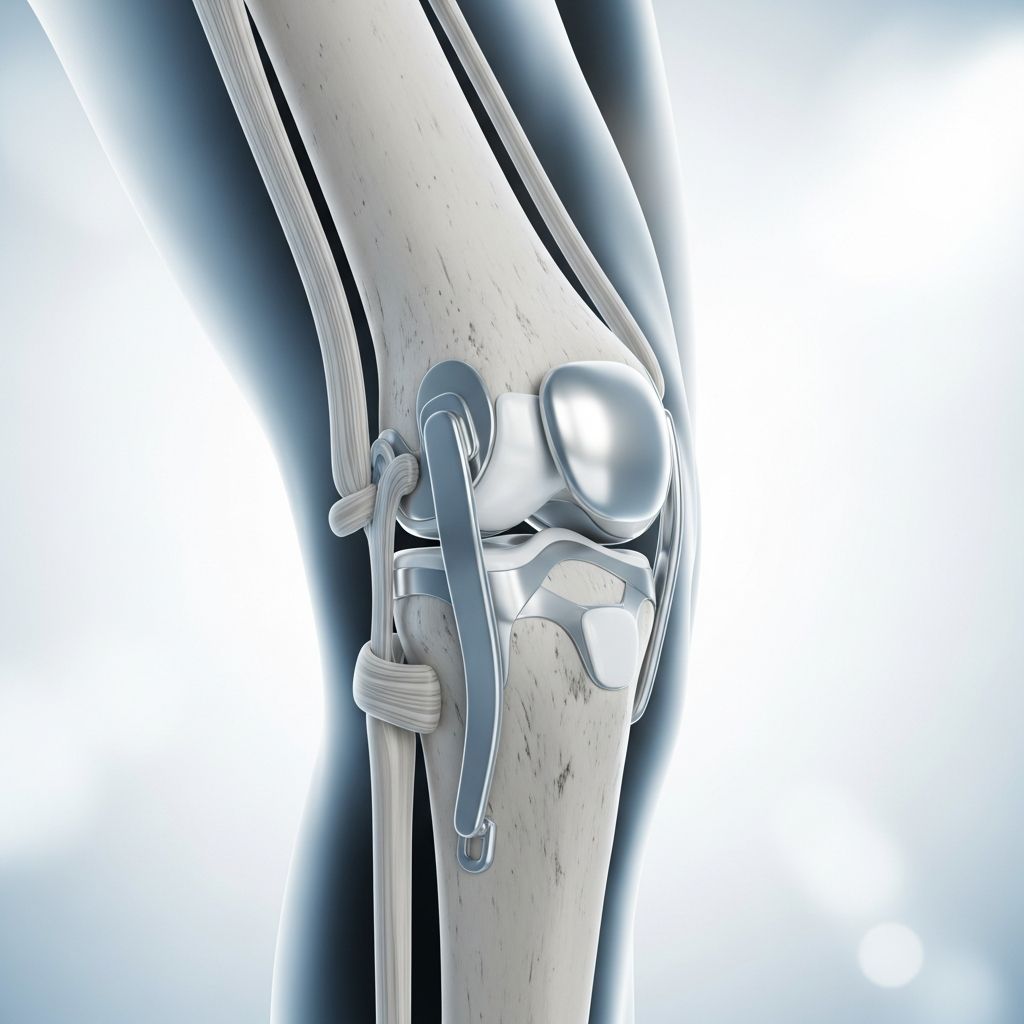
Knee replacement surgery is a transformative orthopedic procedure that can significantly improve quality of life for individuals suffering from severe knee pain and limited mobility. This surgical intervention involves replacing damaged or worn portions of the knee joint with artificial implants designed to restore function and alleviate pain. Whether caused by osteoarthritis, rheumatoid arthritis, or traumatic injury, knee replacement has become one of the most successful and commonly performed orthopedic surgeries worldwide.
Who Needs Knee Replacement Surgery?
Knee replacement surgery may be recommended for patients experiencing severe knee damage that has not responded to conservative treatments. Common conditions that may warrant knee replacement include osteoarthritis, the most prevalent reason for knee replacement, which involves progressive wearing of joint cartilage; rheumatoid arthritis, an autoimmune condition causing joint inflammation and damage; and post-traumatic arthritis resulting from previous knee injuries or fractures.
Your orthopedic surgeon will evaluate whether you are a candidate for knee replacement by assessing several factors. These include the severity of your pain and its impact on daily activities, the extent of knee joint damage visible on imaging studies, your age and overall health status, your weight and activity level, and whether previous conservative treatments such as physical therapy, medications, or injections have failed to provide relief. Typically, candidates for knee replacement are experiencing pain that interferes significantly with walking, climbing stairs, getting in and out of chairs, or other routine activities.
Types of Knee Replacement Surgery
There are several types of knee replacement procedures, each designed to address specific patterns of knee damage:
Total Knee Replacement (TKR)
Total knee replacement is the most common type of knee replacement surgery. During this procedure, the surgeon removes damaged bone and cartilage from the thigh bone, shin bone, and kneecap, then replaces these surfaces with artificial implants made of metal and plastic components. The metal caps are placed on the ends of the thigh bone and shin bone, while a plastic spacer is inserted between them to create a new, smooth joint surface. This comprehensive approach is ideal for patients with damage affecting the entire knee joint.
Partial Knee Replacement
Partial knee replacement, also called unicompartmental knee replacement, addresses arthritis affecting only one compartment of the knee joint. The surgeon assesses which compartment—either the inner side, outer side, or underneath the kneecap—is arthritic and replaces only that damaged portion while preserving the healthy remaining knee structures. This less invasive approach may result in faster recovery and better preservation of natural knee motion compared to total replacement.
Patellofemoral Replacement
This procedure specifically addresses arthritis between the kneecap and thigh bone, replacing only the surfaces where these bones interact while preserving the rest of the knee joint.
The Knee Replacement Surgical Procedure
Related Stories



Understanding the step-by-step process of knee replacement surgery can help alleviate anxiety and help patients prepare mentally and physically for their operation.
Pre-Surgical Preparation
Before your knee replacement surgery, you will undergo comprehensive pre-operative evaluation. This includes laboratory tests, imaging studies such as X-rays and possibly MRI scans, an electrocardiogram to assess heart function, and a thorough review of your medical history and current medications. Your surgeon will meet with you to discuss the procedure, answer questions, and mark the surgical leg to ensure accuracy. You may be instructed to stop taking certain medications, such as blood thinners, and to fast after a certain time the evening before surgery.
Anesthesia Administration
When you arrive in the operating room, anesthesia professionals will explain your anesthesia options. Most knee replacement surgeries use spinal anesthesia, which numbs the lower half of your body while allowing you to remain conscious, though sedatives are typically provided for comfort. General anesthesia, which puts you completely asleep, is available as an alternative. Your anesthesia team will monitor your vital signs throughout the procedure.
Surgical Technique
The surgeon makes an incision over the front of your knee, typically 8 to 10 inches in length, though minimally invasive techniques may use smaller incisions. The kneecap is shifted to the side to access the knee joint. The damaged bone and cartilage are carefully removed from the thigh bone, shin bone, and kneecap. The surgeon uses specialized instruments to reshape the remaining bone surfaces into the correct angle and shape to receive the artificial implants.
Metal caps are then positioned on the prepared bone surfaces—one on the thigh bone and one on the shin bone. A plastic spacer is inserted between these metal components to create a smooth, functioning joint surface. If the undersurface of the kneecap is damaged, a plastic component is also attached to the kneecap. The surgeon tests the new joint to ensure proper alignment, stability, and range of motion. Cement may be used to secure the implants to the bone, depending on your age, bone quality, and other factors. The incision is then closed with sutures or staples.
Modern knee replacement implants are made from high-quality materials including titanium and cobalt-chrome alloys for the metal components and medical-grade plastic for the spacer. These materials are biocompatible and designed to last 15 to 20 years or longer with proper care.
Knee Replacement Implants and Materials
The artificial components used in knee replacement surgery are engineered to provide durability, stability, and natural movement patterns. The design and material selection depend on your age, activity level, bone quality, and surgeon preference. Your surgeon will discuss implant options with you before surgery to ensure you understand the choices being made.
Hospital Stay and Immediate Recovery
Most knee replacement patients are discharged home or to a rehabilitation facility within one to three days after surgery. You will wear a compression bandage and may use crutches, a walker, or a cane to assist with mobility initially. Pain management is a priority, and your surgical team employs multimodal pain control using a combination of medications including anti-inflammatory drugs, opioids if needed, and sometimes nerve blocks or epidural pain management techniques.
During your hospital stay, you will begin physical therapy exercises almost immediately, even while still recovering from anesthesia. Simple movements like ankle pumps, heel slides, and gentle knee bending are started within hours of surgery to prevent blood clots and promote healing. A physical therapist will teach you how to use assistive devices safely and will guide you through exercises to gradually restore knee motion and strength.
Physical Therapy and Rehabilitation
Physical therapy is critical to your recovery success and begins before surgery through pre-habilitation exercises. Pre-operative physical therapy strengthens the muscles around your knee, improves flexibility, and enhances cardiovascular fitness, all of which contribute to faster recovery and better outcomes.
Post-operative physical therapy typically progresses through several phases. In the immediate post-operative phase, therapy focuses on reducing swelling, managing pain, protecting the surgical site, and initiating gentle motion. You will learn ankle pumps, heel slides, and quadriceps sets—exercises that activate your thigh muscles without moving the knee.
As healing progresses, your physical therapist will gradually increase the intensity and complexity of exercises. This includes increasing knee bending and straightening range of motion, progressive strengthening exercises, weight-bearing activities, and balance training. Advanced therapy may incorporate aquatic therapy, where water-based exercises allow you to strengthen muscles without placing excessive stress on your healing joint. Your therapist may also use specialized equipment such as anti-gravity treadmills that reduce joint loading during walking exercises.
Most patients attend physical therapy two to three times per week for 6 to 12 weeks after surgery, though this varies based on individual progress and surgeon recommendations. Compliance with physical therapy is one of the most important factors in achieving optimal outcomes.
Recovery Timeline
Understanding the typical recovery progression helps set realistic expectations:
Weeks 1-2: Focus on pain management, swelling reduction, and gentle motion exercises. Most patients can bear weight with assistive devices and begin short walks.
Weeks 3-6: Gradual increase in knee bending and strengthening. Most patients discontinue assistive devices for short distances around the home. Return to light activities such as sitting and standing may resume.
Weeks 7-12: Significant improvement in strength and endurance. Most patients can walk without assistive devices and climb stairs. Return to driving may be possible if pain is well-controlled and you have not taken opioid medications recently.
3-6 Months: Continued improvement in strength and function. Most patients can return to recreational activities such as walking, swimming, golfing, and biking. Swelling typically resolves significantly by this point.
After 6 Months: Most patients have achieved maximum improvement in strength and function, though continued gradual improvement may occur for up to one year after surgery.
Returning to Activities After Knee Replacement
One of the primary benefits of knee replacement surgery is the restoration of the ability to engage in activities that were previously limited by knee pain. After complete recovery, most patients can successfully participate in low-impact activities including walking, swimming, water aerobics, golf, cycling, and recreational biking.
Your surgeon will provide specific guidance regarding activity restrictions. High-impact activities such as running, jumping, and contact sports are generally discouraged as they may accelerate implant wear. However, many patients find that the pain relief and improved mobility make these lifestyle modifications acceptable trade-offs for improved quality of life.
Complications and Considerations
While knee replacement surgery is generally safe and successful, as with any surgical procedure, complications can occur. Potential complications include infection, blood clots, excessive bleeding, stiffness, implant loosening or wear, and persistent pain. Your surgical team takes multiple precautions to minimize these risks, including prophylactic antibiotics, blood clot prevention strategies, and careful surgical technique.
Revision knee replacement surgery may become necessary if the implant fails, becomes loose, or if there are changes in the knee joint over time. Your surgeon specializes in evaluating the causes of implant failure—whether related to the implant design, surgical technique, or other factors—and can provide expert guidance regarding revision procedures.
Frequently Asked Questions
Q: How long do knee replacement implants last?
A: Modern knee replacement implants are designed to last 15 to 20 years or longer. The longevity depends on your age at surgery, activity level, body weight, and how well you follow post-operative recommendations. Younger, more active patients may experience earlier implant wear.
Q: Will I need a revision surgery in the future?
A: Some patients eventually require revision surgery, though many implants last a lifetime. Revision procedures may be needed due to implant wear, loosening, or other complications. Your surgeon can discuss the likelihood based on your individual circumstances.
Q: When can I return to work?
A: Return to work depends on your job type. Patients with sedentary jobs may return within 6-8 weeks, while those with physically demanding jobs may need 3-6 months. Your surgeon can provide specific recommendations based on your occupation.
Q: Will I be able to participate in sports after knee replacement?
A: Many patients return to recreational sports, particularly low-impact activities like swimming, golf, and cycling. High-impact sports like running and basketball are generally not recommended to preserve implant longevity.
Q: What pain medication will I need after surgery?
A: Pain management involves multimodal approaches including anti-inflammatory medications, acetaminophen, and short-term opioid medications if needed. Your surgeon will develop a personalized pain management plan for your recovery.
References
- Total Knee Replacement: A Lifechanging Procedure — Johns Hopkins Aramco Healthcare. 2023. https://www.jhah.com/en/news-events/news-articles/total-knee-replacement-a-lifechanging-procedure/
- Knee Replacement Surgery — Johns Hopkins Medicine. https://www.youtube.com/watch?v=CoGVoc4J94Y
- Preparing for Knee Replacement — Johns Hopkins Medicine. https://www.youtube.com/watch?v=75emwZ__aZk
- Johns Hopkins Medicine Joint Replacement Education Video — Johns Hopkins Medicine. https://www.youtube.com/watch?v=Idyasf-0Jow
Similar Articles








Read full bio of medha deb