Know the Facts About Fats: Guide to Healthy Eating
Understand the difference between healthy and unhealthy fats for better nutrition.
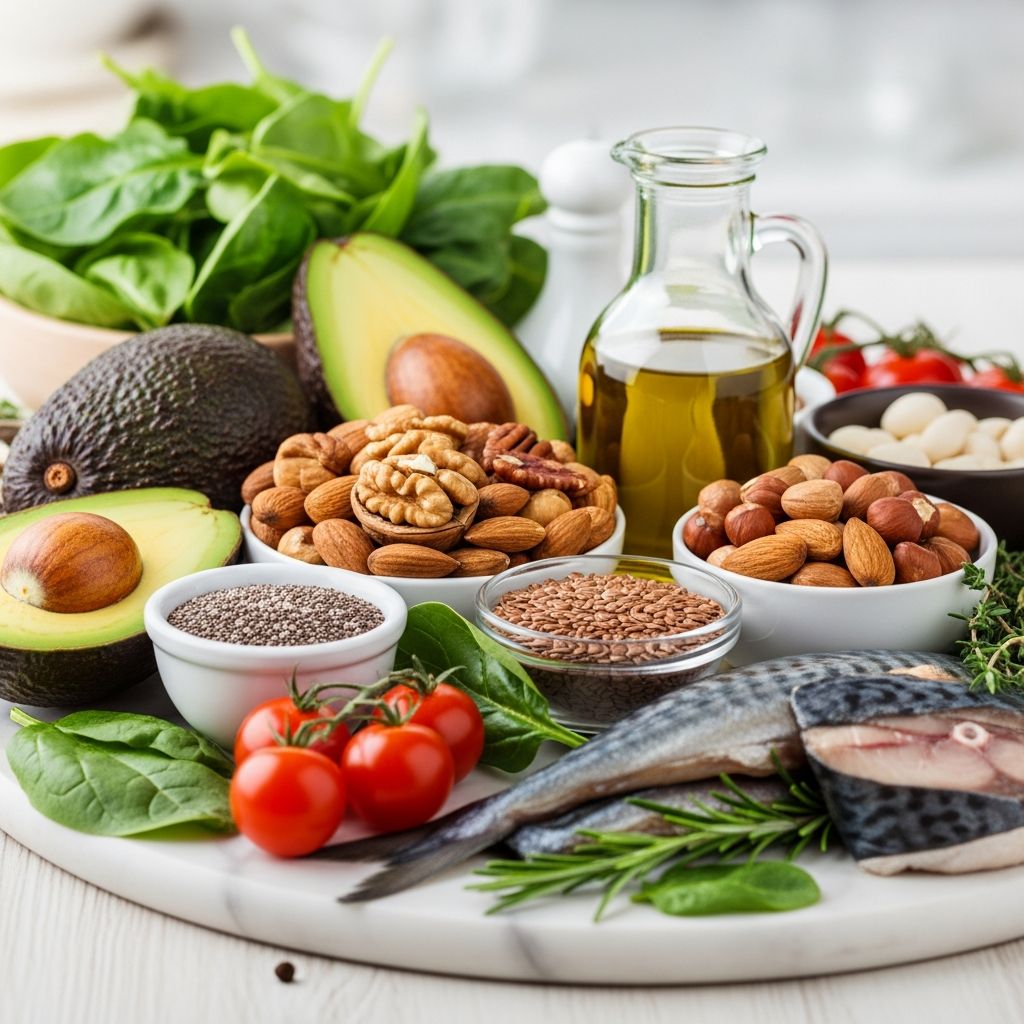
Know the Facts About Fats
Dietary fat has long been misunderstood and often vilified in nutritional guidance. However, modern research demonstrates that the type of fat you consume matters far more than the total amount. Rather than adopting restrictive low-fat diets, the key to good health is understanding which fats support your body and which ones to limit or avoid entirely. This comprehensive guide will help you navigate the complex world of dietary fats and make informed choices for your health.
Why Fat Matters in Your Diet
Fat is an essential macronutrient that plays crucial roles in your body. It provides energy, helps absorb fat-soluble vitamins like vitamins A, D, E, and K, supports brain function, and maintains cell membranes. Contrary to decades of low-fat diet recommendations, eliminating fat from your diet is neither necessary nor beneficial. Instead, focusing on consuming the right types of fat while limiting harmful ones is the evidence-based approach to nutrition.
Research from the Nurses’ Health Study and the Health Professionals Follow-up Study reveals an important finding: there is no direct link between the overall percentage of calories from fat and major health outcomes, including cancer, heart disease, and weight gain. This groundbreaking research suggests that the composition of your diet matters more than simply reducing total fat intake.
Understanding the Types of Fat
All dietary fats are not created equal. The types of fat you consume have vastly different effects on your body and overall health. Understanding these differences is essential for making nutritious food choices.
Unsaturated Fats: The Beneficial Fats
Unsaturated fats are liquid at room temperature and are considered the most beneficial type of fat for your health. These fats can improve blood cholesterol levels, reduce inflammation, and support heart health. The American Heart Association suggests that 8 to 10 percent of daily calories should come from polyunsaturated fats, with evidence supporting consumption of up to 15 percent of daily calories from these fats in place of saturated fat to lower heart disease risk.
Unsaturated fats include two main categories:
Monounsaturated Fats: Found in foods like olive oil, avocados, nuts, and seeds, monounsaturated fats have been shown to improve heart health markers. The OmniHeart trial demonstrated that replacing a carbohydrate-rich diet with one rich in monounsaturated fats lowers blood pressure, improves lipid levels, and reduces estimated cardiovascular risk.
Polyunsaturated Fats: These include omega-3 and omega-6 fatty acids found in fatty fish, walnuts, flaxseeds, and plant-based oils. A Dutch analysis of 60 trials found that when polyunsaturated and monounsaturated fats replace carbohydrates, they decrease harmful LDL cholesterol and increase protective HDL cholesterol.
Despite their benefits, most people don’t consume enough of these healthy unsaturated fats. Increasing your intake of unsaturated fats while replacing saturated fats can yield significant health improvements.
Saturated Fats: The Complicated Story
Saturated fats have been the subject of considerable scientific debate. Traditional dietary guidance recommended limiting saturated fat intake based on the diet-heart hypothesis introduced in the 1950s. However, recent scientific reexamination has revealed a more nuanced picture. Over the past 12 years, more than 20 review papers by independent teams of scientists have largely concluded that saturated fats have no direct effect on major cardiovascular outcomes, including heart attacks, strokes, or cardiovascular mortality.
Related Stories



The evidence is complex. While some research suggests saturated fats may not be as harmful as once believed, they can still negatively impact health when consumed in excess. Current dietary guidelines recommend limiting saturated fat to less than 10 percent of daily calories, with the American Heart Association suggesting a more conservative limit of 7 percent. However, it’s important to note that if you replace saturated fat with refined carbohydrates, you may not see health benefits—refined carbohydrates can lower beneficial HDL cholesterol and increase triglycerides.
Common sources of saturated fat include red meat, butter, cheese, ice cream, coconut oil, and palm oil.
Trans Fats: Fats to Avoid
Trans fats are the most harmful type of fat and should be eliminated from your diet as much as possible. These artificial fats, created through partial hydrogenation of oils, increase disease risk even in small quantities. Research shows that for each additional 2 percent of calories from trans fat consumed daily, the risk of coronary heart disease increases by 23 percent.
Trans fats have several detrimental effects on health:
Effects of Trans Fats on the Body:
– Raise “bad” LDL cholesterol and lower “good” HDL cholesterol- Create inflammation, a reaction related to immunity that has been implicated in heart disease, stroke, diabetes, and other chronic conditions- Contribute to insulin resistance- Have harmful health effects even in small amounts
Fortunately, trans fats have been eliminated from many processed foods due to regulatory action. When reading food labels, avoid products that list “partially hydrogenated oil” as an ingredient.
The Impact of Diet Quality on Cholesterol and Health
One crucial insight from modern nutrition research is that when food manufacturers reduce fat content in products, they often replace it with refined carbohydrates from sugar, refined grains, or other starches. This substitution can be counterproductive, as refined carbohydrates are digested quickly and can negatively affect blood sugar and insulin levels, potentially leading to weight gain and disease.
The strategy for optimal health isn’t simply reducing fat intake—it’s replacing unhealthy fats with healthy alternatives. When unsaturated fats replace saturated fats, the benefits are clear:
– LDL (“bad”) cholesterol levels decrease- The ratio of total cholesterol to HDL (“good”) cholesterol improves- Risk of heart disease decreases- Insulin resistance may be prevented, reducing diabetes risk
Dietary Guidelines and Recommendations
Leading health organizations provide evidence-based guidance on fat consumption:
| Organization | Recommendation | Details |
|---|---|---|
| Dietary Guidelines for Americans | Less than 10% of calories from saturated fat | Based on comprehensive analysis of dietary evidence |
| American Heart Association | 7% or less of calories from saturated fat | More conservative approach for heart disease prevention |
| Polyunsaturated Fat Target | 8-10% of daily calories (can increase to 15%) | Evidence supports higher intake when replacing saturated fat |
Making Practical Dietary Choices
Understanding fat categories helps when making grocery decisions and planning meals. Here’s how to apply this knowledge:
Foods Rich in Healthy Unsaturated Fats:
– Fatty fish (salmon, mackerel, sardines) with omega-3 fatty acids- Nuts and seeds (almonds, walnuts, flaxseeds, chia seeds)- Olive oil and canola oil- Avocados- Legumes- Whole grains
Foods High in Saturated Fat (consume in moderation):
– Red meat and processed meats- Full-fat dairy products- Butter and coconut oil- Baked goods and pastries
Foods to Avoid:
– Processed foods with partially hydrogenated oils- Deep-fried foods (often contain trans fats)- Many commercial baked goods and snack foods
The Bottom Line on Dietary Fat
The most important principle regarding dietary fat is this: focus on eating beneficial fats while limiting unhealthy ones. Rather than adopting extreme low-fat diets, choose foods with unsaturated fats, limit foods high in saturated fat, and completely avoid trans fats. Fat is an essential component of a healthy diet when you choose the right types.
Evidence shows that replacing saturated fat with unsaturated fat provides clear health benefits, particularly for cardiovascular health. Additionally, avoiding the replacement of fat with refined carbohydrates is crucial—this swap can undermine any potential health benefits of reducing saturated fat intake.
By understanding the different types of fats and making informed food choices, you can optimize your nutrition and support your long-term health and wellbeing.
Frequently Asked Questions
Q: Is all dietary fat bad for you?
A: No. In fact, dietary fat is essential for your health. The key is consuming the right types of fat—unsaturated fats from sources like nuts, seeds, olive oil, and fatty fish—while limiting saturated fat and avoiding trans fats entirely.
Q: Should I follow a low-fat diet?
A: Research shows that total fat intake is less important than the type of fat consumed. Rather than reducing fat overall, focus on replacing unhealthy fats with healthy unsaturated fats. Low-fat diets that substitute fat with refined carbohydrates may not provide health benefits.
Q: How much saturated fat is safe to eat?
A: The Dietary Guidelines for Americans recommends limiting saturated fat to less than 10 percent of daily calories, while the American Heart Association suggests limiting it to 7 percent or less for optimal heart health.
Q: What are trans fats and why should I avoid them?
A: Trans fats are artificial fats created through partial hydrogenation of oils. They are the most harmful type of fat, increasing disease risk even in small amounts. For each additional 2 percent of calories from trans fat consumed daily, heart disease risk increases by 23 percent.
Q: Which oils are healthiest to cook with?
A: Olive oil and canola oil are excellent choices due to their high monounsaturated and polyunsaturated fat content. These oils provide health benefits while adding flavor to meals.
Q: Can eating healthy fats help with weight management?
A: Yes. Healthy fats help you feel fuller longer and can support satiety, potentially reducing overall calorie intake. They’re also essential for nutrient absorption and overall metabolic health.
References
- Types of Fat — Harvard T.H. Chan School of Public Health. 2024. https://nutritionsource.hsph.harvard.edu/what-should-you-eat/fats-and-cholesterol/types-of-fat/
- Fats and Cholesterol — Harvard T.H. Chan School of Public Health. 2024. https://nutritionsource.hsph.harvard.edu/what-should-you-eat/fats-and-cholesterol/
- A short history of saturated fat: the making and unmaking of a dietary hypothesis — National Center for Biotechnology Information (NCBI). 2023. https://pmc.ncbi.nlm.nih.gov/articles/PMC9794145/
- Dietary fat: Know which to choose — Mayo Clinic. 2024. https://www.mayoclinic.org/healthy-lifestyle/nutrition-and-healthy-eating/in-depth/fat/art-20045550
- U.S. Dietary Guidelines for Americans — U.S. Department of Agriculture & Department of Health and Human Services. 2020-2025. https://www.dietaryguidelines.gov/
Similar Articles








Read full bio of Sneha Tete