Know Your Farmer: 6 Essential Farm Types To Know
Understanding farm types and building connections with local food producers.
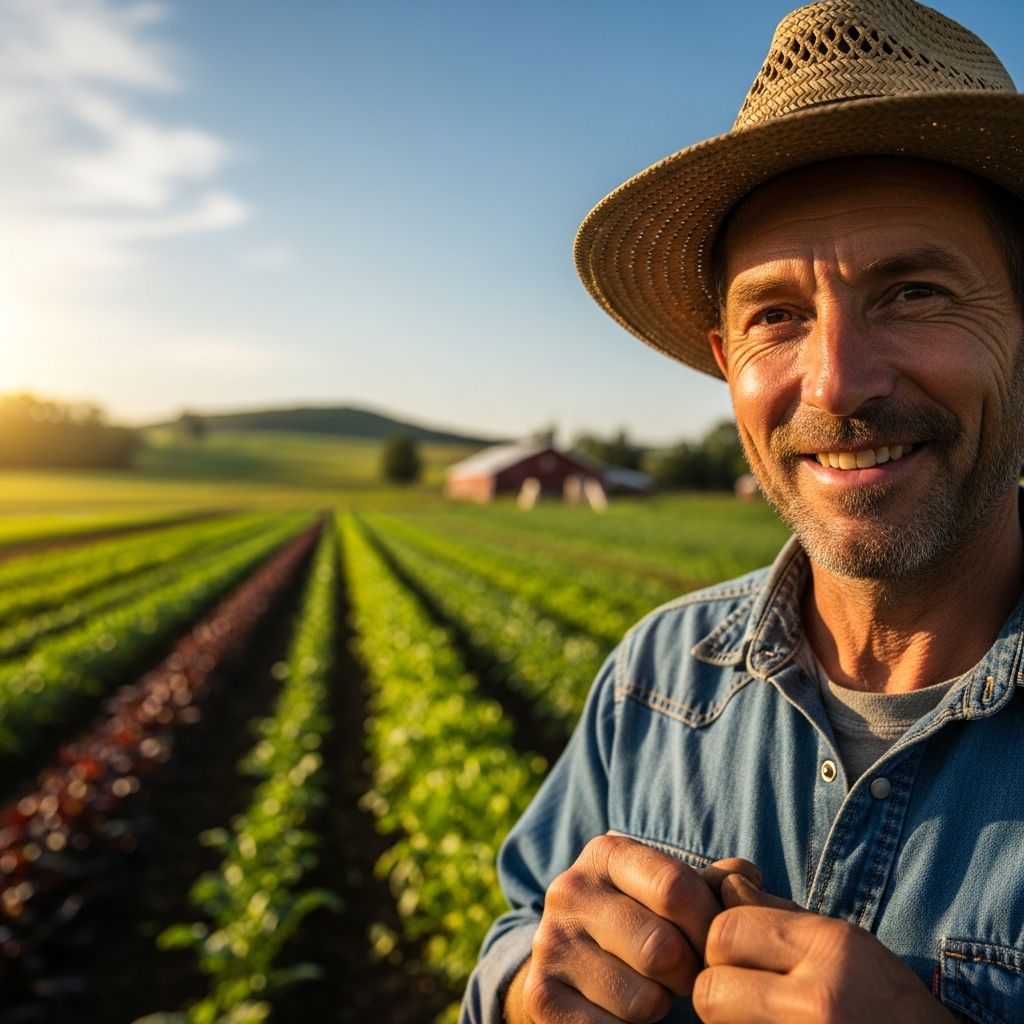
Know Your Farmer, Know Their Farm
To know your farmer is to appreciate the food they provide — but just as important is to know their farm. Farmers are unsung heroes, working tirelessly to put food on our tables every day. The type of farm determines the food produced and is as unique as the people who run it. Understanding the diverse agricultural operations that supply our communities helps us make informed choices about what we eat and where it comes from. This knowledge connects us to the food system and supports the farmers who dedicate their lives to sustainable food production.
Understanding Different Types of Farming Operations
Modern agriculture encompasses a variety of farming models, each with distinct characteristics, practices, and production methods. Learning about these different operational types helps consumers understand the origins of their food and the farming practices involved in its production.
Family Farms
Family farms represent the backbone of American agriculture. According to the U.S. Department of Agriculture, in 2020, approximately 98% of farms in the United States were considered family farms, meaning relatives were involved with the business. Furthermore, most family farms are small, and many are handed down from generation to generation. In 2021, small family farms accounted for 89% of all U.S. farms.
The diversity within family farms is remarkable. While some small farms produce a single item, such as eggs, others produce several goods, especially when it comes to fruits and vegetables. Many small family farms sell their goods at local farmers markets, creating direct connections between producers and consumers. This direct relationship allows customers to learn about farming practices and build relationships with the people who grow their food.
Key characteristics of family farms include:
- Multigenerational ownership and management
- Small to medium-scale operations
- Diverse crop production or specialized single-product focus
- Direct-to-consumer sales through farmers markets
- Community-oriented approach to agriculture
Industrial or Conventional Farms
Industrial farms are large-scale operations that often use synthetic pesticides and fertilizers in order to produce high yields. These farming operations represent a fundamentally different approach to agriculture, prioritizing efficiency and volume over diversity.
Often these farms are monocultures, which means they grow the same crop in a large piece of land each year. This practice allows for mechanized farming and streamlined harvesting but can impact soil health and biodiversity over time. In livestock production, these farms are called Animal Feeding Operations, or AFOs, if the animals being raised are confined for 45 days or more within a 12-month time frame.
Characteristics of industrial farms include:
- Large-scale operations covering extensive acreage
- Monoculture crop production
- Heavy reliance on synthetic inputs
- High-volume production focused on efficiency
- Mechanized farming processes
- Animal Feeding Operations (AFOs) for livestock
Organic Farms
Organic farms grow and process food without synthetic fertilizers or pesticides (though organic fertilizers and pesticides are allowed) and follow specific organic farming practices. The USDA has a National Organic Certification program; however, many small farmers — although they may follow organic practices — often choose not to get certified, mainly due to cost and paperwork.
Understanding organic farming is important for consumers interested in how their food is produced. When shopping at farmers markets, it’s helpful to talk with farmers about their practices. Some farmers say they use organic methods but choose not to submit to the process required to legally use the term; some farmers use a mixture of organic and conventional methods; and some farmers make absolutely no claim to being organic. Additionally, some small organic farmers are permitted to call themselves “organic” but are not “certified organic.” If these are important factors to you, be sure to ask farmers how they grow their food.
Related Stories



Urban Farms
Located in cities, often in unexpected places like rooftops, parking lots, warehouses and other spaces, urban farms can be agricultural or animal based. These innovative operations have emerged in response to urban populations’ desire for fresh, locally-produced food and greater food security in metropolitan areas.
Many urban farms were developed to supply local businesses such as restaurants, while others rely on community support. All urban farms are uniquely tailored to their environment, making creative use of limited urban space to produce nutritious food. These farms often serve educational purposes and strengthen community connections to agriculture.
Mixed Farms
Mixed farms grow agricultural products as well as raise and breed livestock. This diversified approach to farming allows producers to create integrated agricultural systems that can enhance sustainability and resilience.
U-Pick Farms
Farmers at U-pick farms allow customers or the public to pick, choose or cut their own product out of the field or orchard. While some offer a variety of produce, many focus on one or two seasonal items such as apples in the fall, strawberries in the spring and peaches in the summer. They often are located near big cities to attract customers.
U-pick farms offer a unique farm experience that connects consumers directly with food production. Customers enjoy the experience of harvesting their own food while supporting local farmers, creating memorable educational opportunities for families.
The Evolution of Farm Practices
Over the years, farm practices have evolved and grown dramatically to adapt to new technology and the changing environment. As populations, diets, climates and economies change, farmers need to find ways to adapt their practices to meet demands. This continuous evolution reflects agriculture’s response to environmental challenges, technological innovations, and changing consumer preferences.
Why Knowing Your Farmer Matters
Knowing your farmer and the farm they own goes a long way in understanding where your food comes from and how it gets from farm to table. This knowledge strengthens food security, supports local economies, and promotes sustainable agricultural practices.
Benefits of knowing your farmer include:
- Understanding food production methods and farming practices
- Supporting local and regional food systems
- Building community connections
- Making informed purchasing decisions
- Promoting transparency in the food supply chain
- Contributing to local economic development
Building Connections at Farmers Markets
Farmers markets are wonderful places to find your favorite seasonal foods and build relationships with producers. Talking to the farmers is a great idea if your goal is to buy locally or organically grown foods. These face-to-face interactions provide opportunities to ask questions about farming practices and learn about the people who grow your food.
To find your local markets and learn what your local farmers are harvesting right now, consider using websites such as LocalHarvest.org and Local Food Directories. Even experienced farmers market patrons will benefit from these resources in discovering seasonal availability and new producers in their area.
Engaging with the Food System
Initiating conversations about food is an important way to support sustainable practices. Talk with the farmers at your market, personnel at your grocery store and restaurateurs, or the growing number of people who are paying attention to how foods get on their plates. You can discover new tips, learn about new resources and find more local, sustainably-minded food producers and providers.
Additionally, you can ask your food providers to support local farmers, local producers and sustainable agriculture, and show support through your buying decisions. These actions create market incentives for sustainable farming practices and strengthen local food systems.
The Role of Consumer Interest in Local Food Systems
People who have never been on a farm are becoming increasingly interested in where their food comes from. Towns and neighborhoods that didn’t have regular access to fresh, locally-produced food are now developing robust farmers markets and farm-to-table operations. This growing consumer interest has revitalized agricultural communities and created new economic opportunities for farmers.
The Know Your Farmer, Know Your Food initiative, a management and communications effort from the U.S. Department of Agriculture, has facilitated these efforts since its inception in 2009. This initiative recognizes that transparency and producer-consumer relationships have opened up new opportunities for farmers and ranchers of all sizes and in all regions, who are finding ways to tell their own stories—be it directly, through branding and packaging, or through community engagement.
Thanks to the Internet, information about a product’s origins and the people involved in getting it from the farm to the table is more accessible than ever. Consumers are able to choose foods based on specific attributes—how it was produced, where it came from, and the practices used in its cultivation.
Frequently Asked Questions
Q: What percentage of U.S. farms are family farms?
A: According to the U.S. Department of Agriculture, approximately 98% of farms in the United States were considered family farms in 2020, with relatives involved in the business. In 2021, small family farms accounted for 89% of all U.S. farms.
Q: What is the difference between organic and conventional farms?
A: Organic farms grow and process food without synthetic fertilizers or pesticides and follow specific organic farming practices. Conventional farms, by contrast, often use synthetic pesticides and fertilizers to produce high yields. However, not all farmers using organic methods are certified organic due to cost and paperwork requirements.
Q: What are urban farms?
A: Urban farms are located in cities, often in unexpected places like rooftops, parking lots, and warehouses. They can be agricultural or animal-based operations and are uniquely tailored to their urban environment. Many supply local restaurants or rely on community support.
Q: How can I find farmers markets near me?
A: You can find local farmers markets and learn what farmers are harvesting by visiting websites such as LocalHarvest.org and Local Food Directories. These resources help you discover seasonal availability and connect with local producers.
Q: Why should I ask farmers about their growing practices?
A: Asking farmers about their practices helps you understand how your food is produced. Some farmers use organic methods but aren’t certified, while others use mixed approaches. Direct conversation ensures you understand exactly what methods are used to grow the food you’re purchasing.
Q: What is a U-pick farm?
A: U-pick farms allow customers to pick, choose, or cut their own produce directly from the field or orchard. Many focus on seasonal items like apples, strawberries, or peaches and are typically located near cities to attract customers.
Q: How does understanding farm types help food security?
A: Understanding different farm types helps you make informed purchasing decisions, support local food systems, and promote sustainable agricultural practices. This knowledge strengthens your community’s food security and resilience.
References
- Know Your Farmer, Know Their Farm — Academy of Nutrition and Dietetics. 2024. https://www.eatright.org/food/planning/food-security-and-sustainability/know-your-farmer-know-their-farm
- Know Your Farmer Know Your Food Compass — U.S. Department of Agriculture. 2011. https://www.usda.gov/sites/default/files/documents/KYFCompass.pdf
- For Tops in Nutrition, Shop Farmers Market — Academy of Nutrition and Dietetics. 2024. https://www.eatright.org/food/planning/smart-shopping/for-tops-in-nutrition-shop-farmers-market
- Sustainable Eating — Academy of Nutrition and Dietetics. 2024. https://www.eatright.org/food/planning/food-security-and-sustainability/sustainable-eating-1
- Agriculture and Sustainability — Academy of Nutrition and Dietetics, Nutrition Entrepreneurs Practice Group. 2022. https://community.eatrightpro.org/nep/sustainability-series
Similar Articles








Read full bio of Sneha Tete